 The councils of elders of Karachay and Ingushetia have called for the return of direct elections for heads of republics in the North Caucasus. They say this will strengthen the link between the government and the civil society.
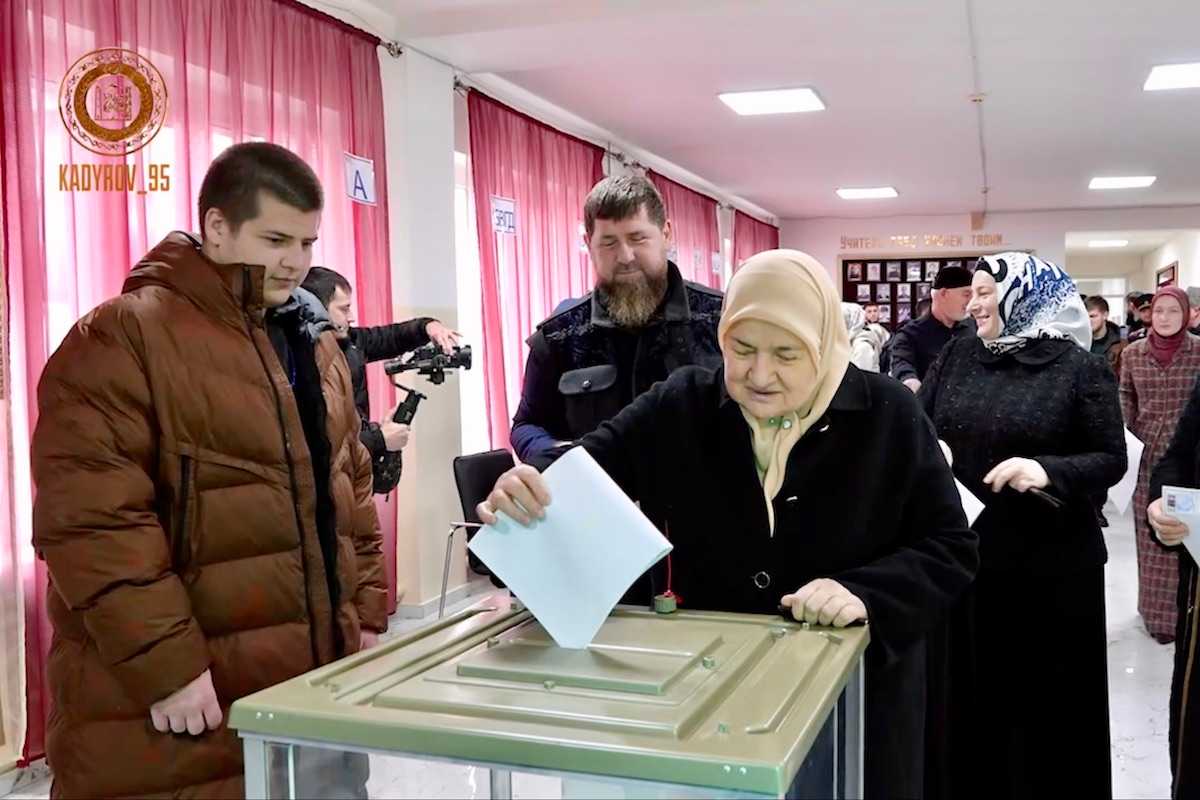
Elections to the executive branch of local governments were scrapped in all republics of the North Caucasus except for Chechnya after Russian President Vladimir Putin signed a law in April 2013 authorising Russian federal subjects to abolish direct elections for heads of regions.
Caucasian Knot reported on 14 October that they had seen the appeal from the Karachay Council of Elders to the North Caucasus peoples.
‘The peoples of the North Caucasus have become citizens with limited rights. In the republics of the North Caucasus, it seems we as citizens of the Russian Federation, as in the 1930s, have been dekulakised, deprived, without fundamental constitutional rights’, their appeal says.
The document was signed by 24 elders who wish to see direct elections at all levels of the executive branch. They say that after the cancellation of direct elections ‘heads of republics no longer care about the opinion of the common people’.
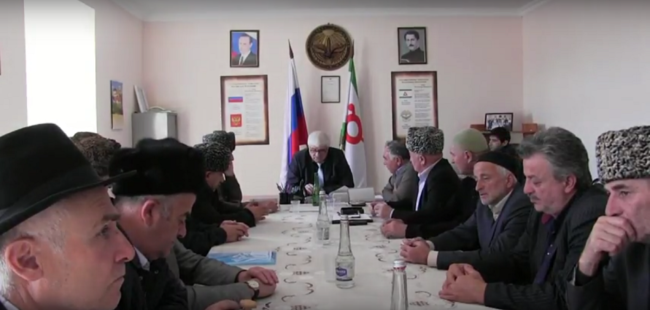
The appeal was supported by the Council of Teips of the Ingush people. At a meeting on 17 October, they proposed establishing a Council of Elders for the entire North Caucasus to strengthen the influence of the ‘North Caucasus civil society on legislative and executive authorities’.
‘Without the adoption of this law, there was no way to keep away ambitious and thoroughly corrupt federal authorities in their posts — those who keep the situation under control but do not enjoy any authority among the local population and would have no chance of being elected in fair and direct elections’, says the council said in response to the Karachay Elders.
The document was signed by Murat Daskiyev, chairman of the Teips Council. The council has already addressed Ingushetia’s parliament with their appeal, but have so far received no response.
Daskiyev told OC Media the appeal was sent to parliament ‘a long time ago’.
‘We collected thousands of signatures and sent it to our people’s assembly. There has been no reaction so far’, he said.
He also hopes that other republics in the North Caucasus will support the idea of creating a Council of Elders of the North Caucasus.
Elders are older, respected members of a clan. In the North Caucasus, elders are seen as heads of communities, with their authority coming from their perceived knowledge and experience of local traditions.
According to Murat Daskiyev, if created, the Council of the North Caucuses will be a social movement.
‘Councils of elders have always existed in the Caucasus. We would like it to be a public council, not an oppositional one. We plan to invite representatives of all Caucasian ethnicities. We haven’t developed a charter yet, but if we are supported by other republics, the activities of the organisation won’t contradict the republican and federal laws’, Daskiyev said.