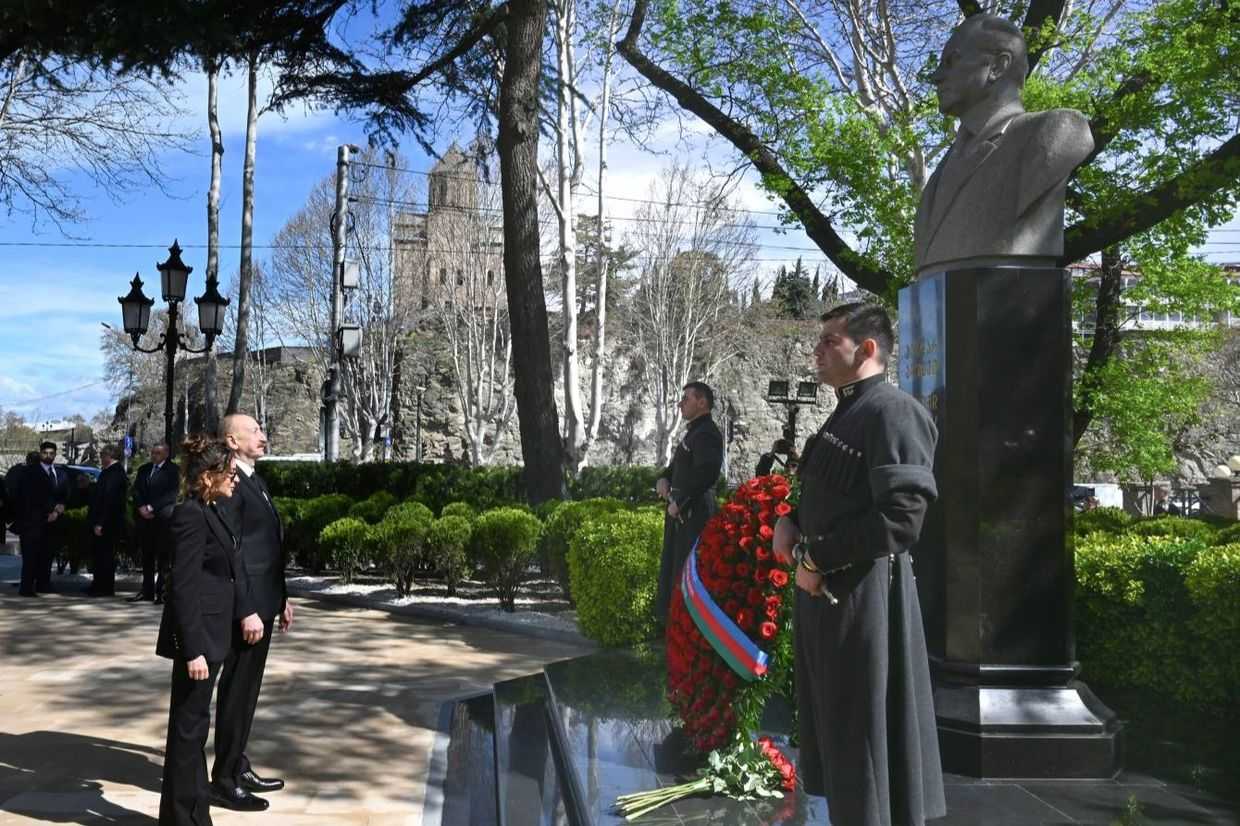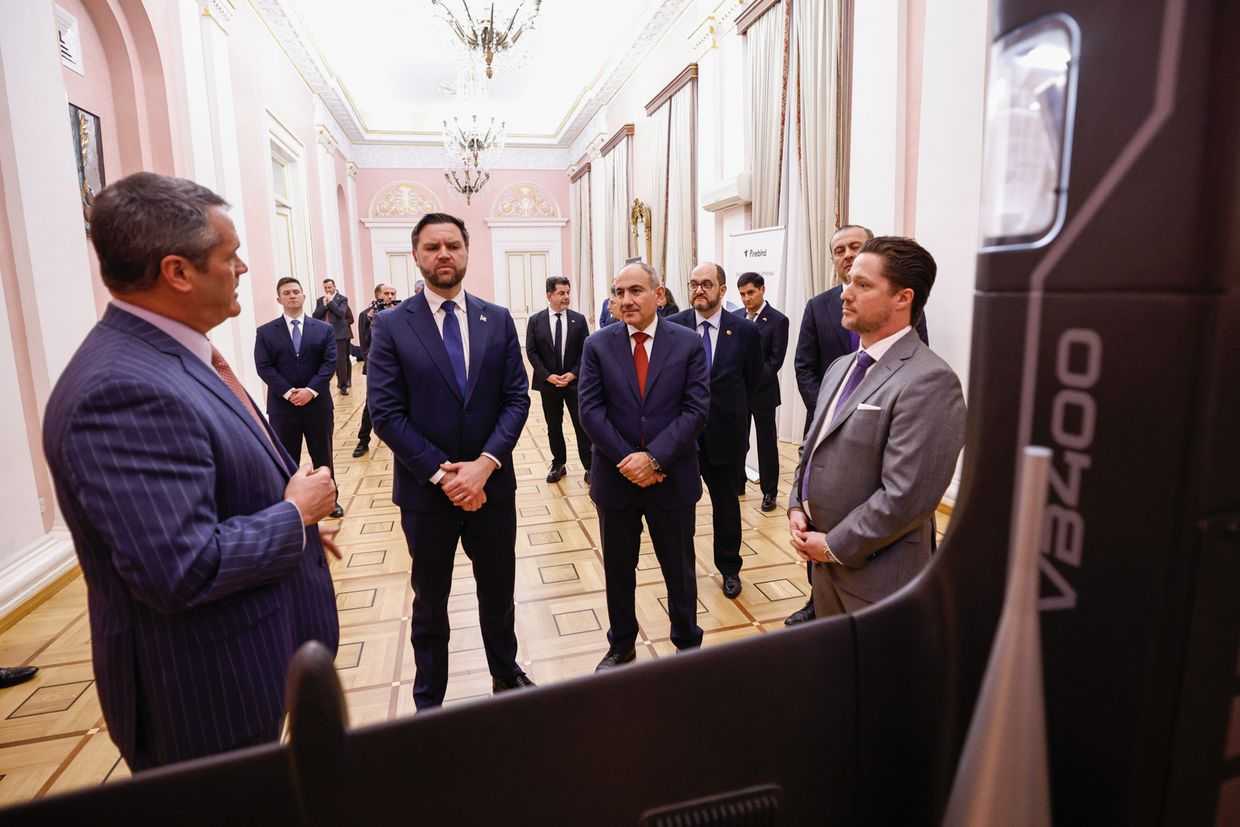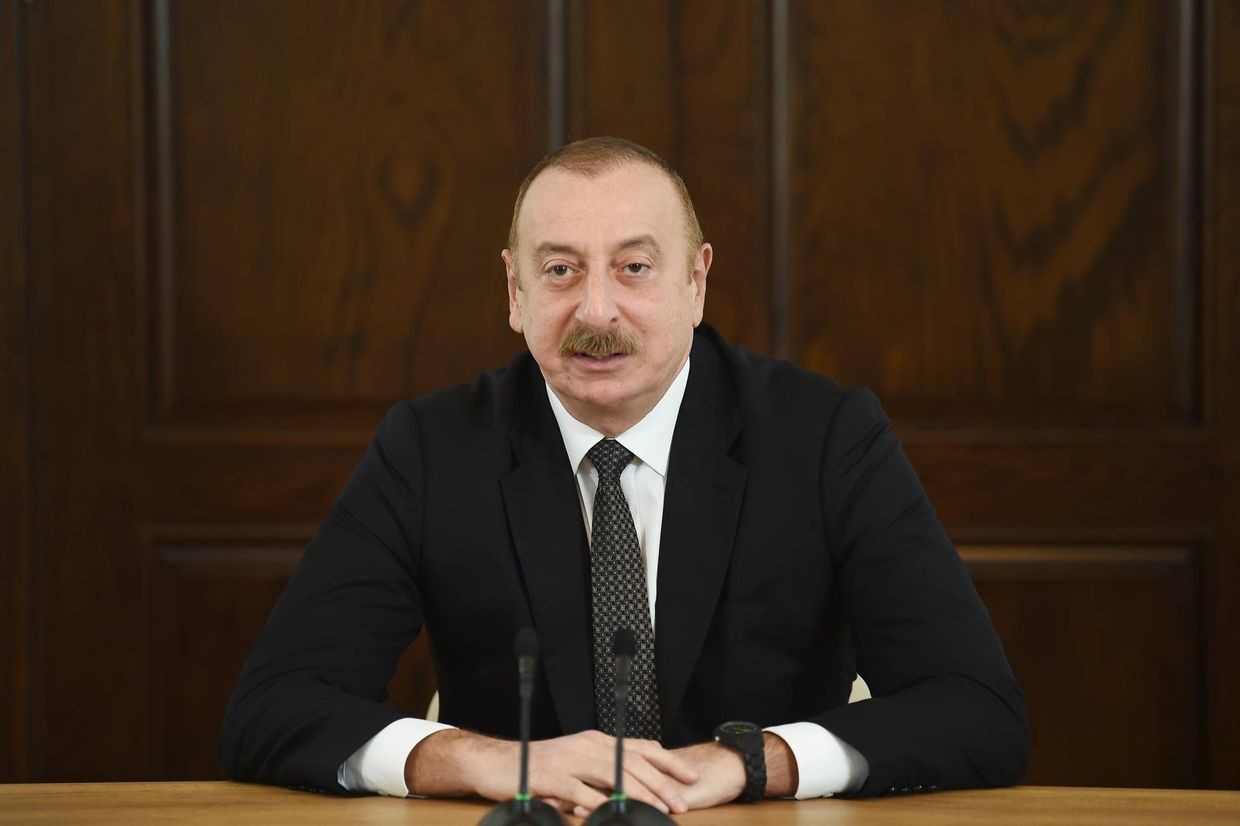
President Ilham Aliyev has signed a decree instituting a significant increase in the salaries for public officials, resulting in the monthly pay for some positions to be increased as much as three times. At the same time, the decree established that existing bonuses and other side-benefits will be canceled, meaning that there will be less of a difference between the actual salaries and the so-called ‘gray salaries’.
The decree was signed into law by Aliyev on Thursday.
The new monthly salaries include the following allocations: ₼17,000 ($10,000) for Prime Minister, ₼15,950 ($9,400) for First Deputy Prime Minister, and ₼14,850 ($8,750) for Deputy Prime Minister. The monthly salary for other positions, such as the Prosecutor General, saw a significant increase from ₼3,000 ($1,650) to ₼13,750 ($8,100).
The decree has not been widely covered in Azerbaijani media, and the reason for these changes were not clarified by the authorities.
However, some outlets said the motivations for the pay raise were two-fold: stable wages and transparency.
The increase of the high-ranking officials’ salaries came shortly after another decree signed by Aliyev that canceled all bonuses for officials. Pro-government media argued the decrees were made to ensure increased transparency of salaries.
The independent media outlet Toplum TV wrote, citing experts, that simply raising salaries was not enough on its own to prevent corruption.
‘This approach is only effective if politics is completely separated from business, mechanisms exist to prevent conflicts of interest, and the possibility of high-ranking officials, as well as their immediate relatives, enriching themselves through state privileges is completely eliminated’, wrote the publication.
Not only the ministers and prime minister salaries were increased.
According to the decree, the monthly wage of the head of the Central Election Commission (CEC) was increased from ₼3,000 ($1,700) to ₼12,000 ($7,000). The decree also covered the members of the CEC too, whose salaries were increased from ₼2,200 ($1,300) to ₼9,000 ($5,300).
The wage increase has sparked criticism on social media, even by pro-government journalists.
Khatira Rahimli, the founder and an editor-in-chief of the pro-government outlet Qafqazpress compared the salaries of the high ranking officials against the minimum pension rate to highlight the disparity between the two figures.
‘Why are the salaries of civil servants, including members of parliament, so high, while most citizens receive a pension of ₼320 ($190)? The social pension is ₼220 ($130). Veterans receive a monthly pension of ₼80 ($50) and the Minister of Labour and Social Protection stated that there is no money to pay for “child benefits” ’.
Both the minimum pensions and the minimum wage in Azerbaijan were increased last year by 9.3%.
The issue of minimum wages and pensions has been raised by independent experts, who claim that the cost of the consumer basket in Azerbaijan is unclear because it has not yet been adjusted for inflation.
The independent economy experts said that under these circumstances, the a truly effective form of government oversight would be a parliament formed by free and fair elections, which could actually monitor accountability and transparency.
They further stated that the new changes would likely create a huge imbalance ‘between different social groups — teachers and civil servants’.
‘After the latest increases, the monthly salary of a secondary school teacher will be approximately 15-16 times less than the salary of their minister of education. However, in the countries cited for comparison, the difference between teachers’ and ministers’ salaries typically does not exceed 4-6 times’, the experts said.
 Aytan Farhadova