Conditions for Russian activist imprisoned in Georgia reportedly tightened amid health concerns

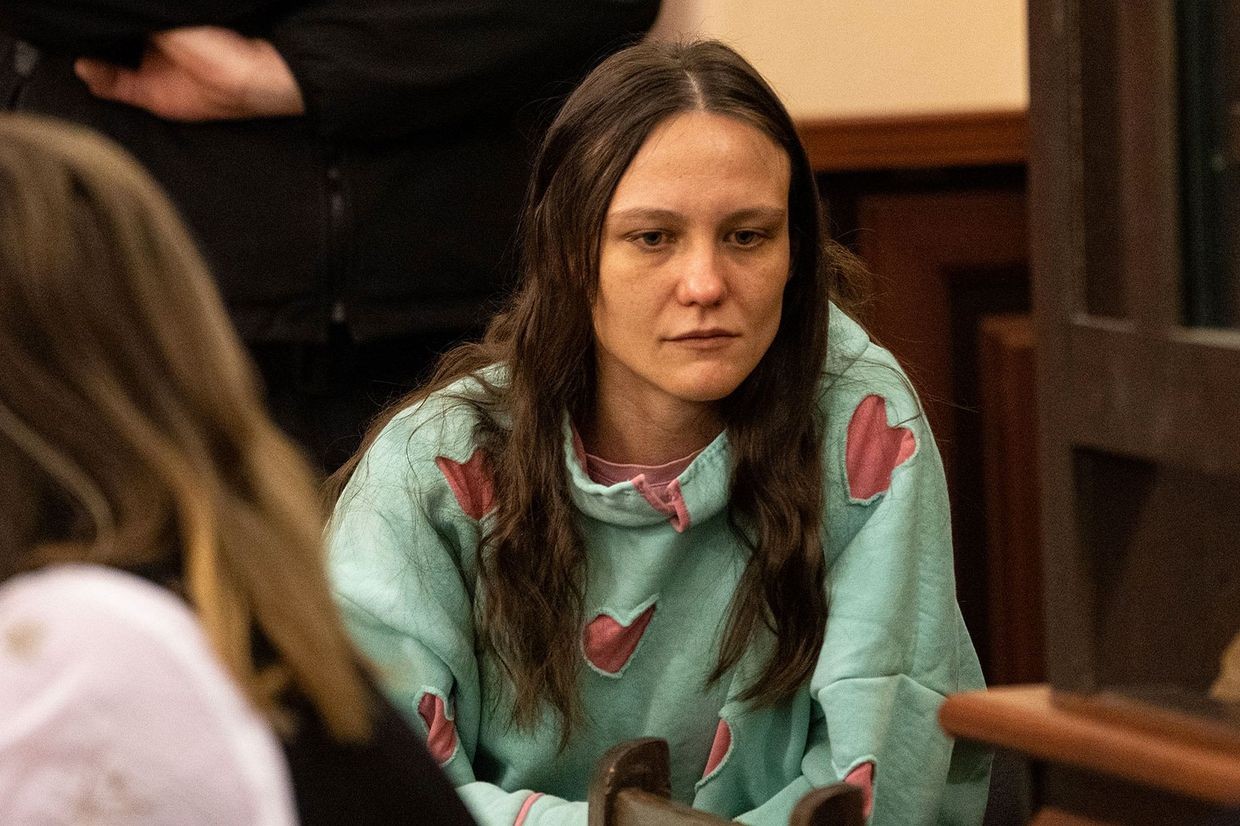
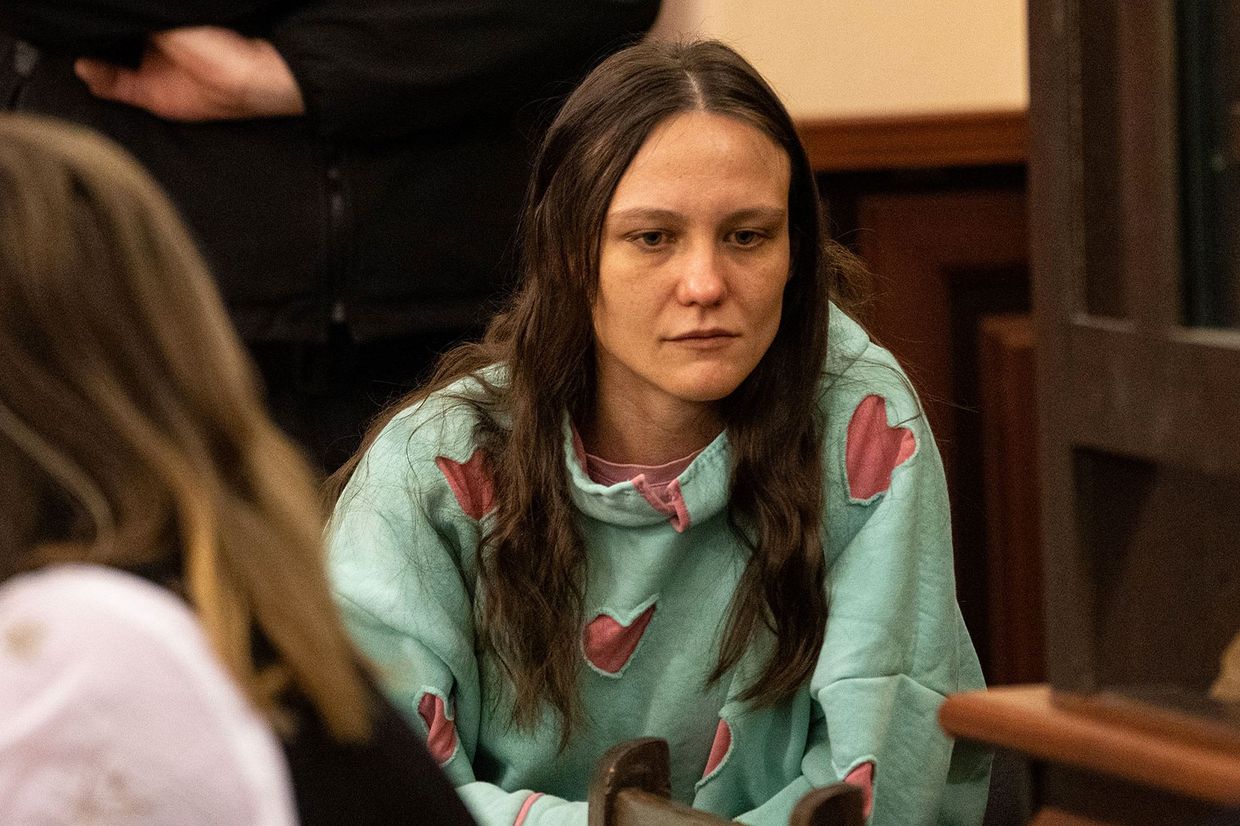
The detention conditions of Russian activist Anastasia Zinovkina, imprisoned in Georgia, have reportedly been altered, restricting her contact with the outside world for unknown reasons. The news came amid reports of her serious health issues.
An update on 31-years-old Zinovkina’s imprisonment was shared on Tuesday by one of her lawyers, Daria Samodurova, who noted that her semi-open prison regime has been changed to a a high-security one. The order, dated 15 January, came from the Director General of the Penitentiary Service.
‘The basis for the order is cited as the minutes of a classified session. Accordingly, we do not know the reason why Anastasia Zinovkina’s type of detention was changed’, Samodurova wrote on Facebook.
Later, another of Zinovkina’s lawyers, Nino Andriashvili, told RFE/RL that the decision did not lead to change of her prison cell or facility; however, the main difference from her previous conditions is ‘a drastic reduction in the number of calls and visits’.
‘In the semi-open facility, Anastasia had the right to make an unlimited number of calls every day. She could call one or several people daily. Now, she is allowed only three calls per month’, Andriashvili noted.
The decision effectively places the prisoner in near-total isolation, even though she already lives in a solitary cell, separated from other inmates.
The order referred to Zinovkina as a ‘convict of increased risk of danger’, although it is unclear why she was classified as such. The Justice Ministry had not responded to OC Media’s request for comment at the time of publication.
Zinovkina, alongside her partner Artem Gribul, was sentenced to eight and a half years in prison on drug charges in September 2025. Their defence teams claimed the drugs were planted on them. Both Zinovkina and Gribul were active during the still ongoing anti-government protests, and often offered coffee and tea to the protesters on Tbilisi’s main Rustaveli Avenue.
Zinovkina reported that she was sexually assaulted after the arrest — she said police officers were touching her, putting their hands in her pockets, while one police officer threatened to rape her.
 Mariam Nikuradze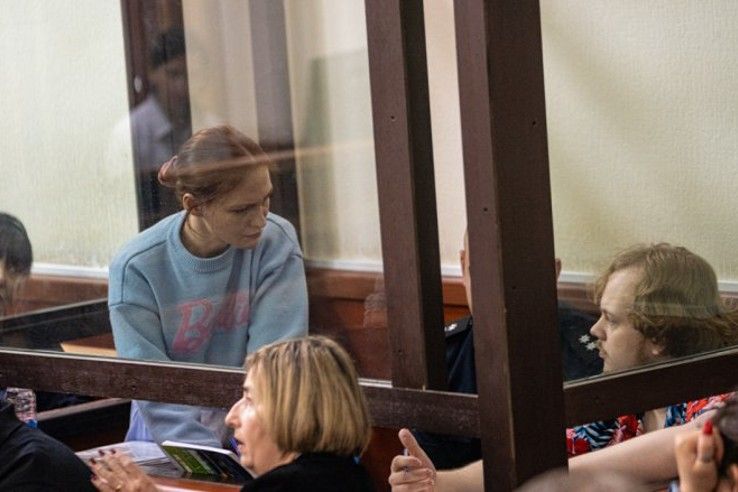
Zinovkina’s lawyers and those close to her have repeatedly raised concerns about her spinal condition. In October, a friend of Zinovkina’s, Aliona Zaitseva, described her condition in a public letter, mentioning severe pain and accusing prison staff of negligence and indifference — something later denied by the Penitentiary Service, claiming a proper medical care was provided for her.
Concerns about Zinovkina’s health were also raised on 18 January by Zurab Tsetskhladze, the father of jailed protester Zviad Tsetskhladze. He said that during a recent visit, Zinovkina was unable to sit because of severe spinal pain.
‘She is very weakened, practically incapacitated, and it is possible that her already fragile health may not withstand prison conditions, with potentially fatal consequences’, he said, urging activists to take action to help Zinovkina.
‘If anything happens to Anastasia Zinovkina in prison, this sin and shame will haunt Georgia and Georgian society for centuries’, he added.
The Georgian Women’s Movement has planned a demonstration for 27 January, demanding that the state ‘immediately fulfill its legal obligations’ toward Zinovkina.
A similar demand will be raised regarding Nana Sander, an activist detained after the 4 October 2025 protests in Tbilisi. During her trial on Tuesday, Sander spoke out about degrading treatment and indifference by prison staff. The Penitentiary Service has denied the claims.
Xandie (Alexandra) Kuenning