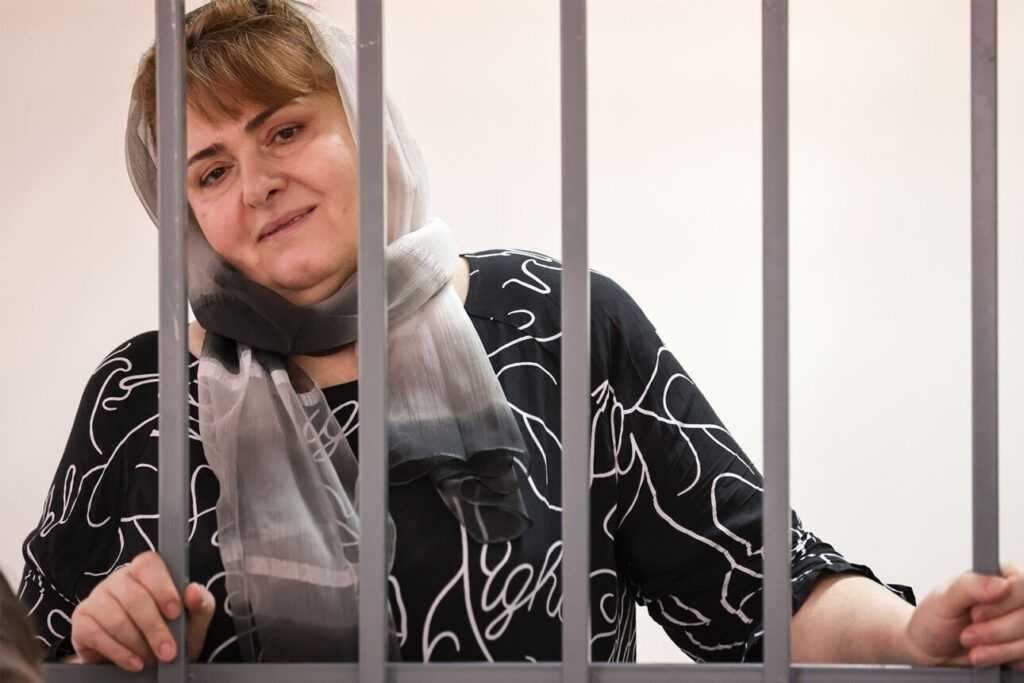

The Georgian Prosecutor’s Office has opened an official investigation into the circumstances surrounding the removal of Chechen-born Aliya Ozdamirova from Georgian territory to Russia and her subsequent death.
According to human rights defenders, 33-year-old Ozdamirova left Chechnya on 20 October 2025 — the same day that Aishat Baimuradova, a Chechen woman, was found dead in Yerevan. Ozdamirova had been in contact with human rights activists since 2023, but only decided to flee two years later.
Ozdamirova told activists that information about her sexual orientation had become known to certain people, including her cousins, and that the threat came specifically from them and from her own brother. She left for Istanbul, after which she travelled to Georgia with the intention of later departing for another safe country.
After arriving in Tbilisi, she was told that a criminal case had allegedly been opened against her in Russia on financing terrorism charges, which complicated her plans for onward travel. Ozdamirova told activists that the threats against her were connected with her business activities: her brothers beat a woman because her business partners owed money to investors and accused Ozdamirova of stealing it.
Separately, Ali Asaev, an uncle who lives in Baku, persuaded Ozdamirova to postpone her planned travel. He later arrived at the Tbilisi airport and offered to help her fly to Dubai, reportedly saying ‘he would resolve the problems with crossing the border’. Human rights defenders warned Ozdamirova that such an offer could be a trap, but she decided to trust him.
After this, Ozdamirova was reportedly taken to Russia. On 12 November 2025, her family held a funeral for her in Chechnya, claiming she had died of natural causes.
 Nate Ostiller
An appeal to the Georgian authorities listed other relatives — including cousins Roman and Ismail Ozdamirov, as well as her brother Said-Magomed Ozdamirov — as potentially being involved in the possible abduction and killing.
Ozdamirova came from an influential and wealthy family: her father, Usman Ozdamirov, was close to Kadyrov and served as Deputy Minister of Physical Culture and Sport in Chechnya. Before that, he was head of the Gudermes district. Ozdamirova had good relations with her parents: she was not subjected to domestic violence or restrictions on their part.
After her father’s death in 2020, there was no one able to protect Ozdamirova from her brothers, who complained about her lifestyle. One of her brother works as deputy head of an administration, while her cousins work in security. The brothers are also connected to Kadyrov and his circle. Among Ozdamirova’s relatives are also people close to Chechen MP Adam Delimkhanov.
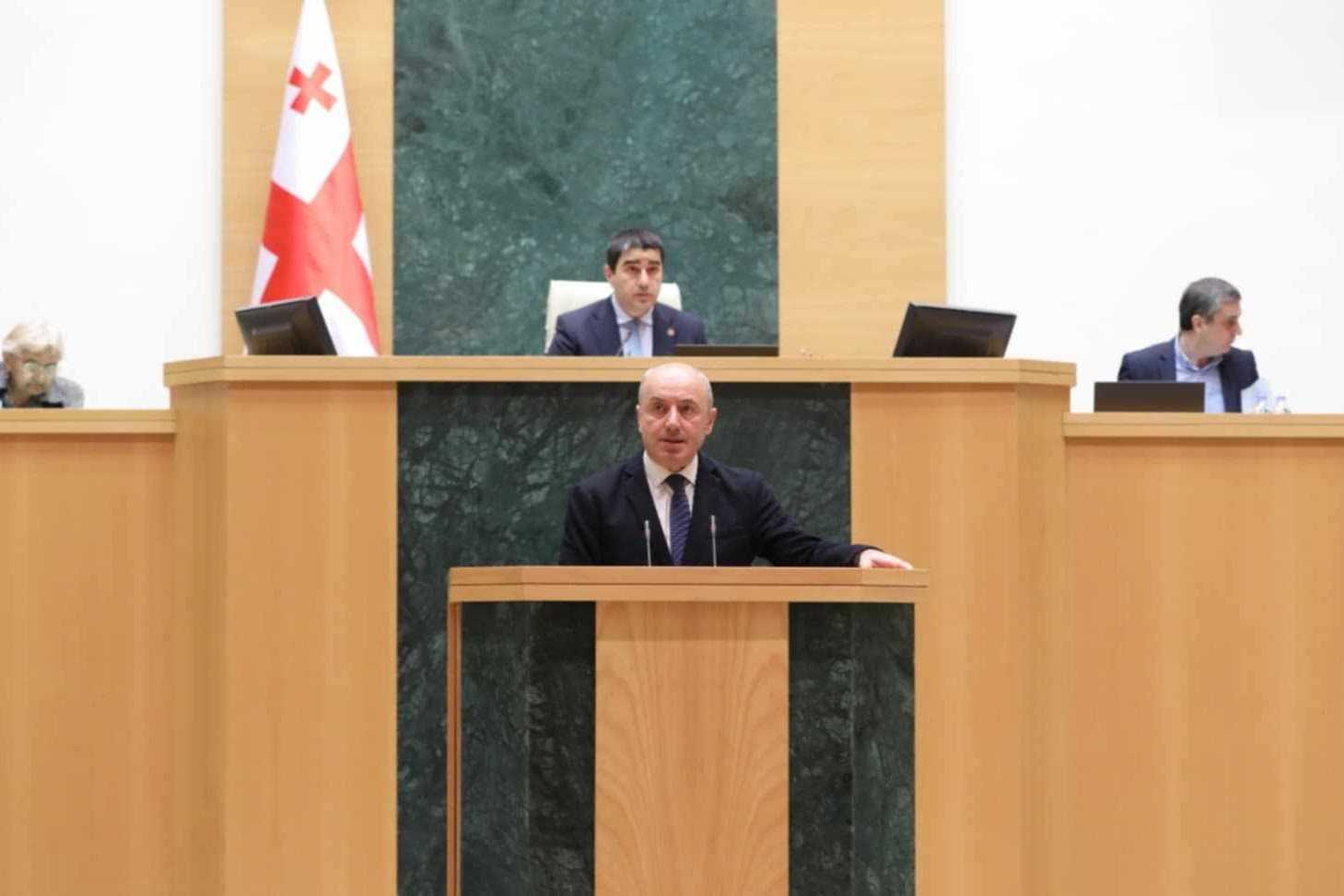
The Georgian Prosecutor’s Office confirmed that it had received the appeal by human rights activists and had begun an investigation. No official conclusions in the case have yet been made.
Human rights organisations have for many years drawn attention to cases of violence against women from the North Caucasus, whom relatives accuse of ‘dishonourable behaviour’. In such situations, the term ‘honour killings’ is often used, when close relatives consider it acceptable to punish a woman for refusing to follow traditional norms.
A study by the human rights organisation Legal Initiative identified 39 cases of honour-motivated killings between 2012 and 2017 — 22 cases were found in Daghestan, two in Ingushetia, and nine in Chechnya. The organisation noted that the real number of such killings is likely far higher than those documented in the study.
This article was translated into Russian and republished by our partner SOVA.