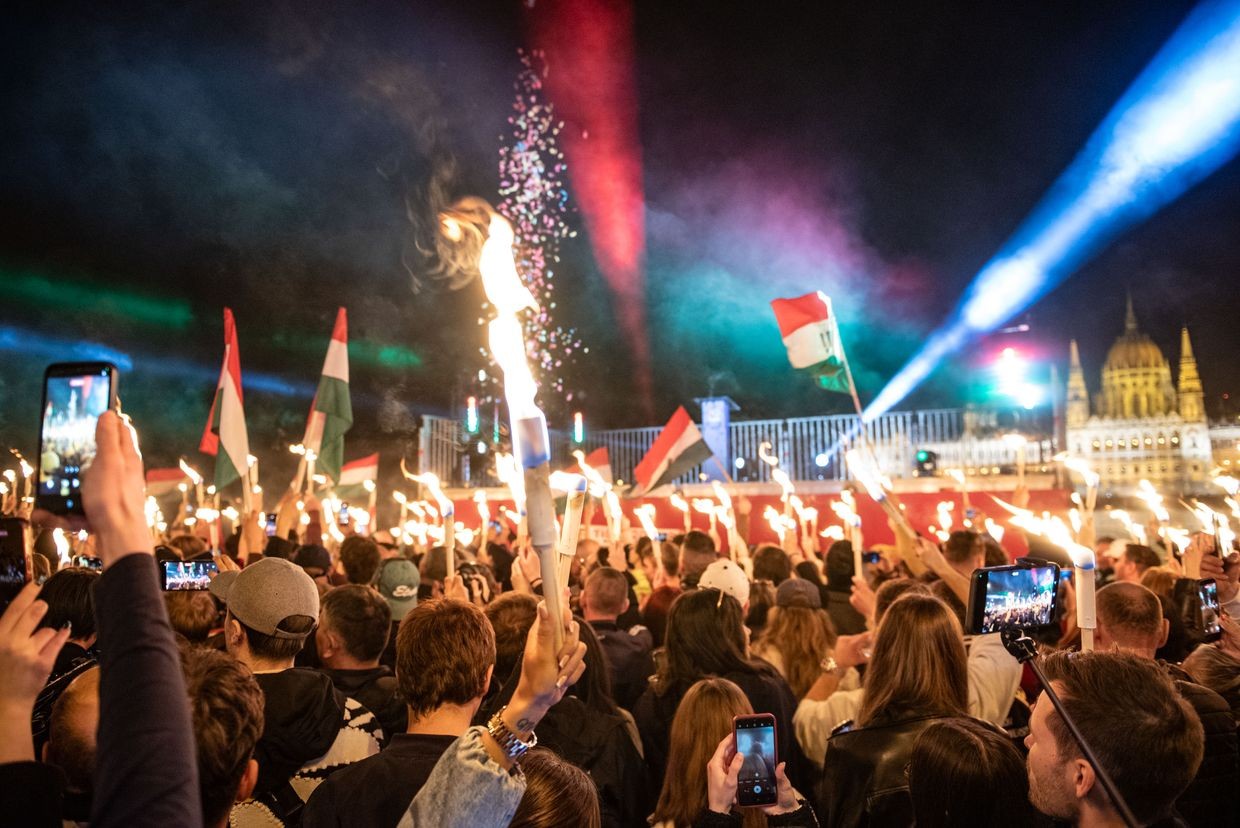
Georgia’s opposition has hailed the results of Sunday’s elections in Hungary, which saw the country’s authoritarian and pro-Russian leader Vitkor Orbán ousted from power after 16 years.
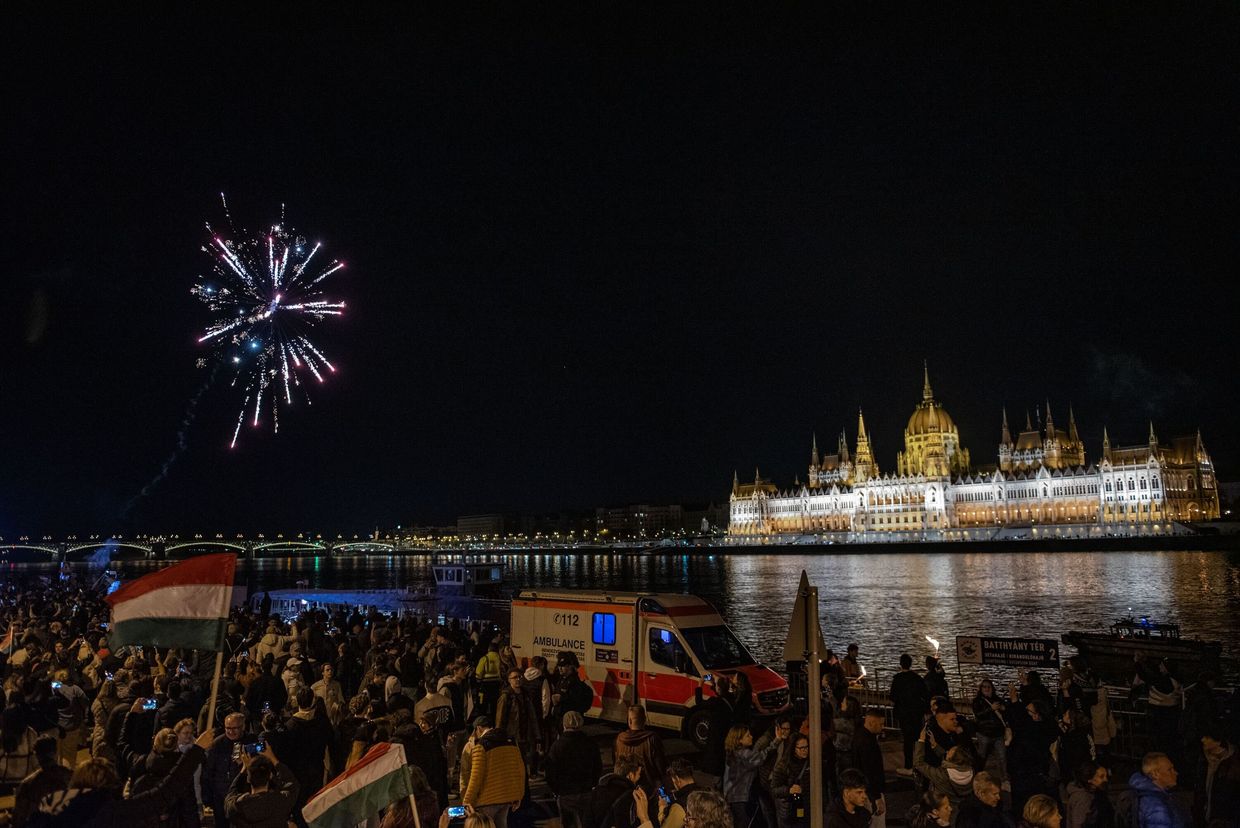
Sunday’s parliamentary elections, whose preliminary results gave the opposition Tisza Party a landslide victory, were closely followed by many in Georgia.
For weeks running up to the vote, Georgian Dream and its allies had expressed hopes that the incumbent would remain in power, while the opposition were looking to see Orbán with his Fidesz party ousted. Orbán’s defeat removes the Georgian government’s closest ally within the EU and a leader who has maintained friendly ties with Russia and its President Vladimir Putin.
As the outcome became clear on Sunday evening, Georgia’s opposition alliance — a joint initiative of nine pro-Western Georgian parties — congratulated Peter Magyar on his victory. Formed in March amid a fragmented opposition political landscape, the alliance noted that Tisza’s victory represented ‘a clear and firm choice by the Hungarian people in support of democracy’.
‘Hungary is an integral part of European civilisation, which was clearly reflected in Viktor Orbán’s acceptance of defeat: the peaceful transfer of power is one of the key achievements of democratic tradition’, the statement read.
Focusing on the potential geopolitical implications of the election, the alliance expressed hope that in the new reality, ‘the influence of powers beneficial to Putin’s Russia within the EU and the wider free world will be substantially weakened’.
‘Hungary’s firm and clear position in the ongoing confrontation with Russia and other enemies of the free world is extremely important for Georgia and for the entire free world’, it added.
Individual statements by leaders of parties within the alliance were sharper, with many drawing parallels between Hungary and Georgia. Giga Bokeria, leader of the Federalists party, noted that ‘propaganda’ by the ruling party’s founder, billionaire Bidzina Ivanishvili, has for years ‘portrayed Orbán as a model leader in every respect’.
‘Therefore, I would advise them [the Georgian authorities] to learn the only correct lesson from [Orbán] — to accept defeat, like he did, in the near future and to peacefully relinquish power’, Bokeria said in a social media post on Sunday night.
In her response, Tina Bokuchava, leader of the ex-ruling United National Movement (UNM), noted that with Fidesz’s defeat, ‘Ivanishvili has lost his only ally in Europe’.
‘It is a major opportunity to fully break down Bidzina Ivanishvili, who has been internationally isolated and turned into a pariah, and who has now lost his last real ally in Europe’, she added.
Bokuchava also raised the prospect of possible EU sanctions against Georgian Dream officials amid democratic backsliding in the country. There is still no consensus in this regard within the EU, partly due to opposition from Orbán’s Hungary and Slovakia under Prime Minister Robert Fico.
‘Fico won’t be able to lift the weight of a veto in the EU to block important decisions that were blocked by Orbán’, she said.
‘You know that personal sanctions require consensus, which was impossible under Orbán, but is now far more realistic’, she added.
‘The tentacles of Putin are failing everywhere, and they will fail in Georgia as well! We, meanwhile, must prepare for victory’, Bokuchava continued.
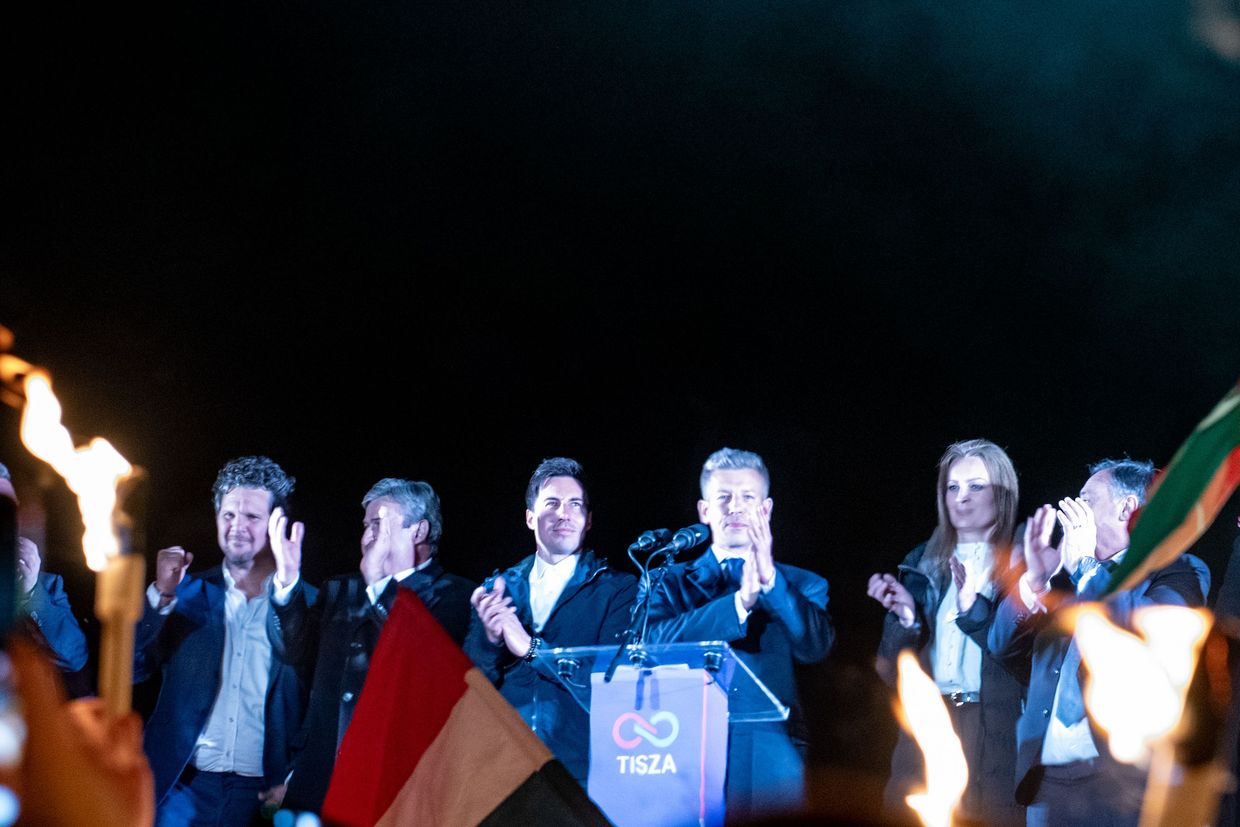
Magyar, a former member of Orbán’s Fidesz party, was also congratulated by Giorgi Gakharia — the former prime minister under Georgian Dream and now an opposition politician in exile. His party, For Georgia, is not part of the alliance.
‘May the defeat of Russia and its proxies continue wherever they operate across the globe’, he said, adding that ‘It is a win for European democracy and for the democratic world as a whole’.
‘Democratic actors around the world should study the Hungarian example and learn from its success in challenging and weakening populist-autocratic networks built by Orban, so they can be confronted and dismantled once and for all’, he noted.
Another non-aligned party, Lelo, said the vote against Orbán was proof that ‘no system is unbreakable, and no rigged system can withstand the will of the people when citizens collectively challenge a regime in elections’.
‘Hungary has once again reminded us that large-scale civic engagement in elections is decisive and determines the country’s future’, the party added.
Lelo was one of the few major opposition parties not to boycott the 2025 local elections in Georgia.
‘The main lesson is clear: struggle instead of boycott! Democratic optimism instead of electoral nihilism!’, Lelo stated.
 Mikheil Gvadzabia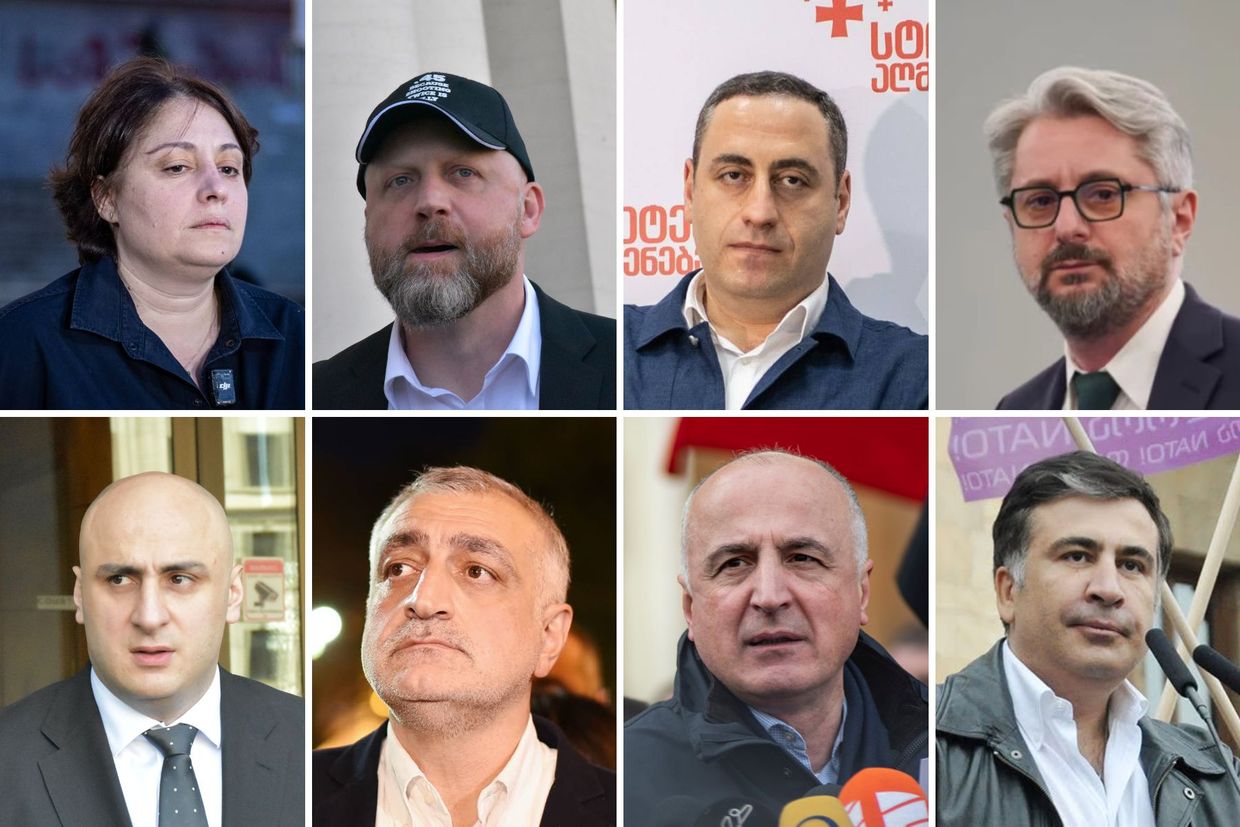
Georgian Dream congratulates Magyar, thanks Orbán
Despite their strong support for Orbán in the run up to the election, Georgia’s ruling party congratulated Magyar on Monday morning. Prime Minister Irakli Kobakhidze congratulated Magyar on behalf of the Georgian people, while thanking Orbán and his team ‘for their outstanding and steadfast support of Georgia’s national interests and the Georgian people over the years’.
‘Georgia and Hungary are bound by a long history of friendship and partnership, which will undoubtedly continue’, his statement read.
Relations between Georgian Dream and Orbán’s Hungary have become particularly close over the past three years, as the Georgian authorities have ramped up pressure on civil society, the media, political opposition, and anti-government activists, including by adoption of restrictive legislation.
Amid criticism from EU leadership and member states, Budapest has defended Tbilisi. In 2025, a year after Georgia’s disputed parliamentary elections, Orbán called Kobakhidze a ‘hero of the international patriot movement’, who had ‘won an election against the entire liberal world’ and ‘washed away the progressives’.
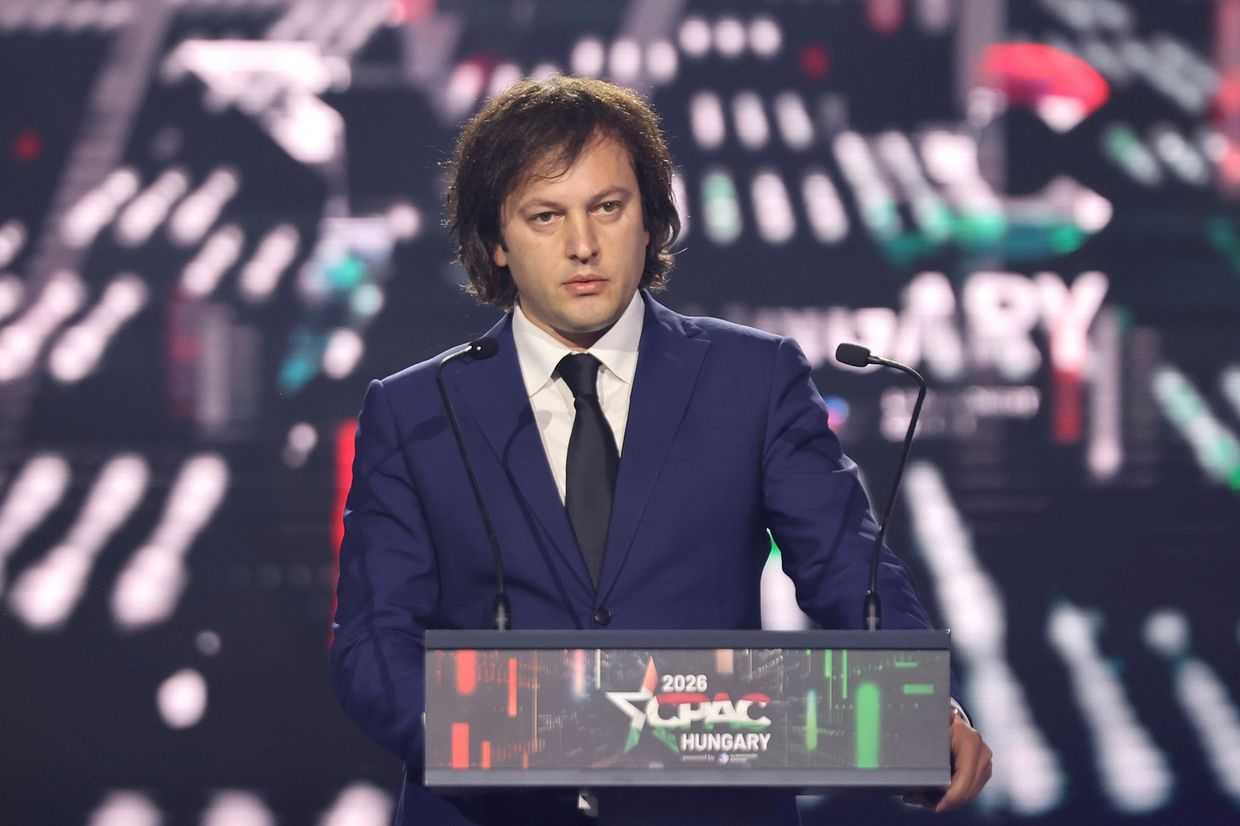
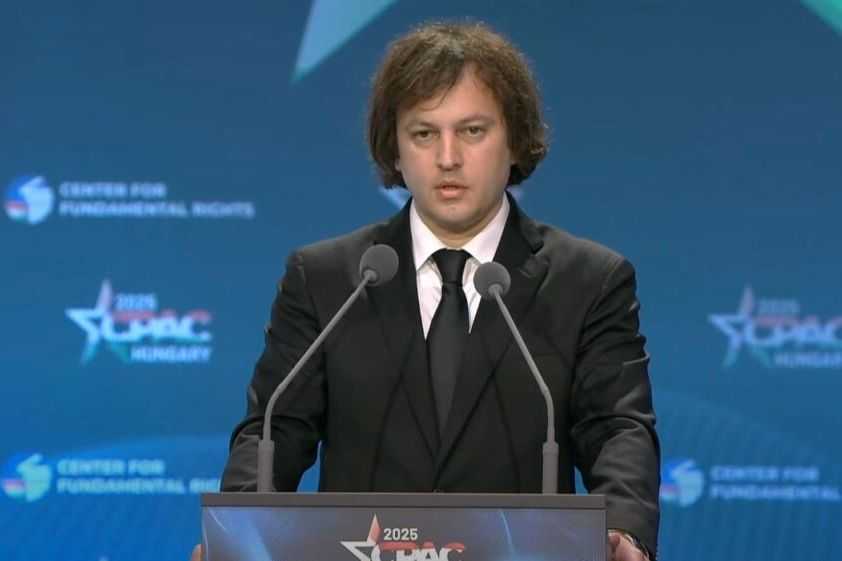
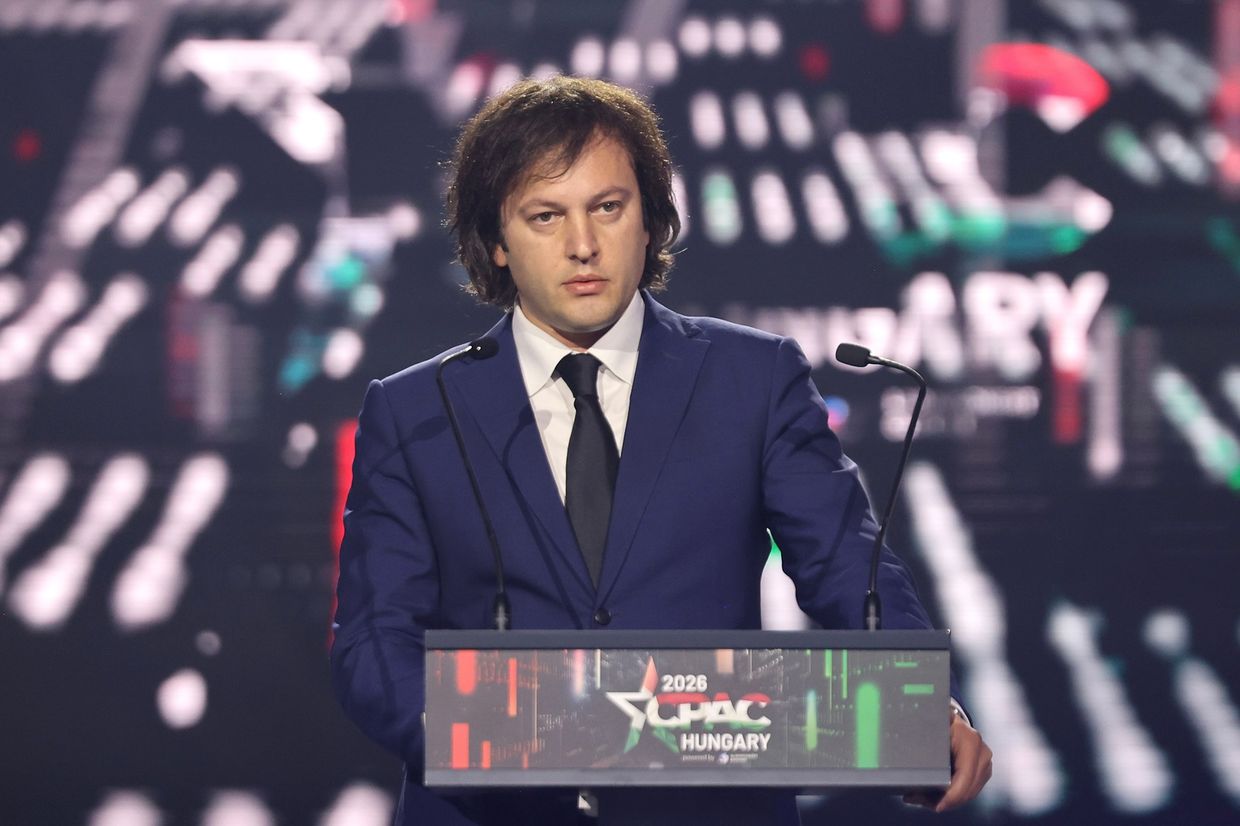
Kobakhidze last visited Hungary in March 2026, where he met Orbán and spoke at the annual Conservative Political Action Conference (CPAC) in Budapest, attendance at which has become a de facto tradition for Georgian Dream prime ministers since 2023. In his address, he referred to Orbán as ‘a true warrior for his nation’ and emphasised his ‘steadfast support’ of Georgia.
Some pro-government figures were less diplomatic in their responses, also drawing parallels between Georgian Dream and Orbán’s Fidez.
The largest pro-government TV channel in Georgia, Imedi, provided extensive coverage of the elections, focussing on Orbán and his allies’ positions, including claims about EU interference in the vote.
Irakli Chikhladze, the channel’s deputy director and the host of its flagship analytical programme, Imedis Kvira (‘Imedi’s week’), noted in the 5 April episode that ‘what is happening in Hungary now is similar to what was taking place in Georgia ahead of the 2024 elections’.
‘As in Georgia, the radicalisation of political processes in Hungary is also being driven by the use of the Zelensky and Ukraine narratives’, Chikhladze added, echoing one of Orbán’s key campaign messages that the opposition represented the interests of Ukraine and its president rather than those of Hungary.
‘At the same time, certain European leaders are not hesitating to interfere openly in the internal affairs of an EU member state, openly supporting Orbán’s opponent’, Chikhladze added.
On election day, two journalists of Imedi’s Kvira were working on the ground. One of them, Sandro Gamsakhurdia, reported claims that ‘in the event of an opposition defeat, they are planning large-scale protests similar to the Maidan in Kyiv, Ukraine’. Gamsakhurdia named ‘statements from the ruling party’ and materials ‘written in the media’ as sources of the claims.
‘Much to be learned’
Comparing Georgian and Hungarian political realities, the director of the Georgian Institute of Politics (GIP) Kornely Kakachia noted that while not everything is similar, ‘there is much to be learned’.
Kakachia emphasised the similarities are not limited to ideological parallels between Georgian Dream and Fidesz. The analyst highlighted Magyar’s strategy of ‘going door-to-door’ in both rural and urban areas — something he said Georgian opposition is often urged to do.
‘What is most important is that he’s been meeting not only with his supporters, but also in places where his opponents were present’, Kakachia noted, noting that ‘convincing only your own supporters is not enough in an election’.
‘Most importantly, a certain alternative was offered — what that alternative is and how Hungary’s largest opposition party envisions it’, he added.
According to him, it remains the ‘Achilles’ heel’ of the Georgian opposition to tailor an electoral programme to voters’ interests — something Magyar clearly managed to do:
‘[The opposition politicians] are often criticised for it, because they tend to act more like political commentators, evaluating events. But society does not need commentary on events; it needs its interests to be articulated’.
He further mentioned the need for the opposition to mobilise ‘internal resources’, adding that external pressure on Georgian Dream — which the opposition often points to — is important, but ‘what parties need to understand is that the most important is internal work’.
‘Ultimately, it is the people who vote in elections, not European structures’, he said.
According to Kakachia, many may doubt the possibility of building a new approach from the Georgian opposition, as ‘authoritarian tendencies are so strong’ under Georgian Dream. However, in his words, ‘it is not as unthinkable as it seems’.
Summarising his analysis, Kakachia also pointed to Magyar as a unifying political leader in the Hungarian reality, discussing the need for the same development in Georgia.
‘Some portion of the electorate still asks: yes, a coalition government, but someone is still needed who is acceptable to them — a face that represents [...] the different interest groups’, he said.
OC Media