Rector of Tbilisi Theatre and Film University reverses expulsion order for protesting students

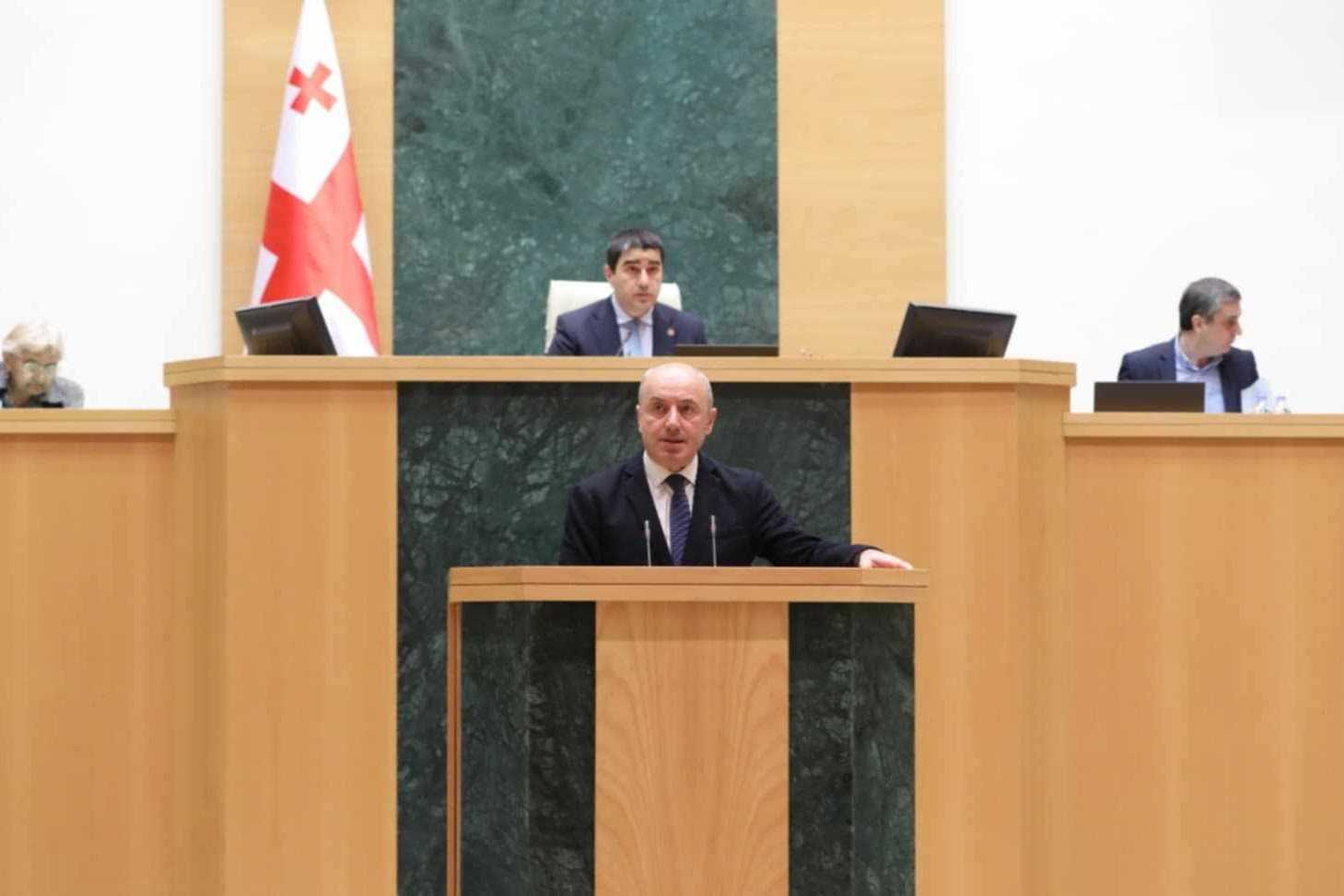
Giorgi Shalutashvili, the rector of the Shota Rustaveli State University of Theatre and Film, has reversed the decision made by the university’s ethics commission to expel 10 students.
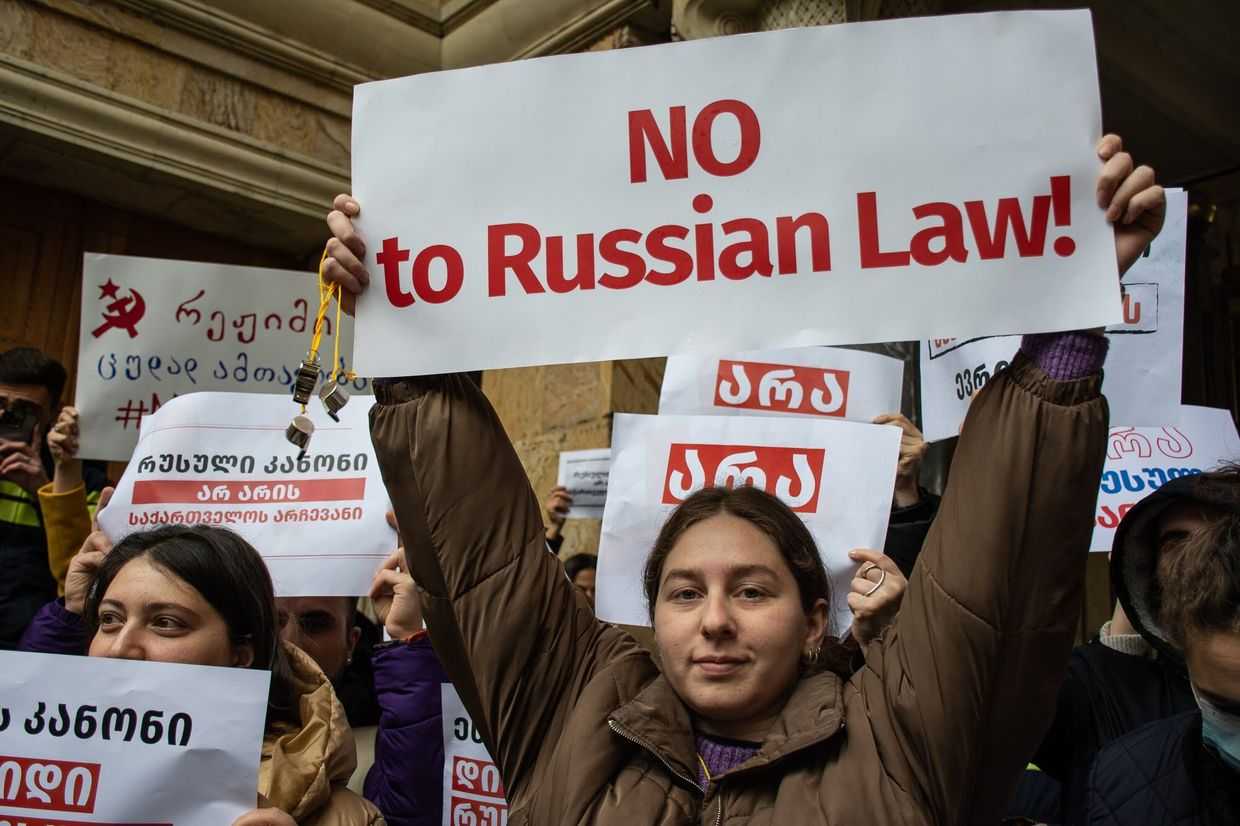
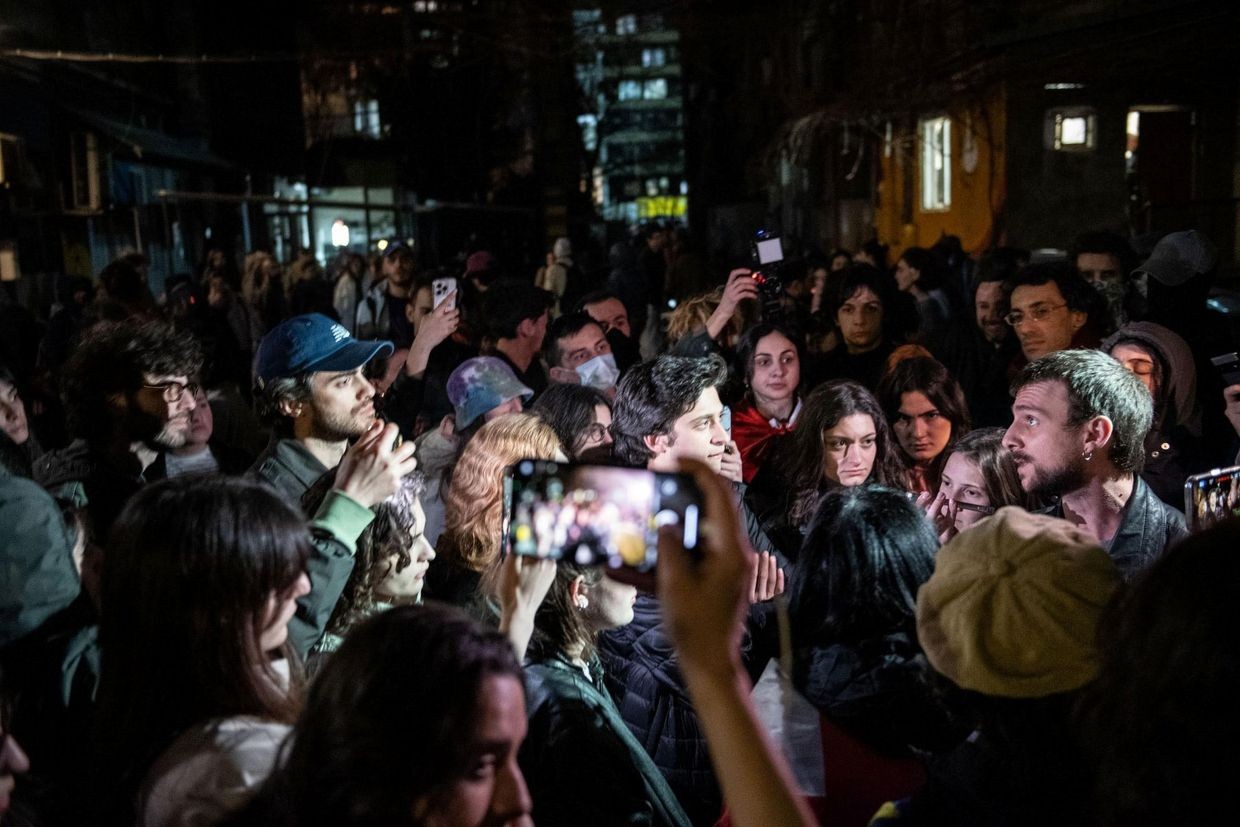
On Monday, 10 protesting students received notices that on 7 March, the university’s ethics commission had decided to suspend their status, in practice meaning their expulsion from the university. The protesting students had demanded new parliamentary elections and the release of those detained during the pro-EU rallies in Georgia.
After the decision to terminate the status of students attracted noise, protests, and media attention, Shalutashvili reversed his decision. The protesting students had previously been demanding his resignation for weeks.
‘Based on the statements of students, faculty, and staff, and in the best interests of the university, the rector decided not to apply the most extreme disciplinary measure against the students — termination of status’, the university said on Thursday.
On Wednesday, during a live broadcast by the Public Broadcaster, Shalutashvili said that he was ready to reconsider the decision of the ethics commission.
‘They [students] have every right to appeal this decision, let’s say in court or to address me as the rector, and have this decision reviewed depending on what their position will be’, he said.
‘From my side [...] I can say straight away that I am ready for dialogue’.
He added that ‘the Ethics Commission’s letter contains about 10 points on the basis of which the students’ status was terminated’.
On Friday, the student movement stated that they received emails saying that their student status would not be terminated, but instead had received a ‘written warning’. It was not specified what was meant by the ‘warning’ or exactly for what reason the students received it.
The sit-in by some students at the Shota Rustaveli Theatre and Film University lasted for more than 80 days.
After the police went into the university for the third time on Sunday, students who were protesting against the government’s EU U-turn and in support of detained protesters via a sit-in at the university left the building.
The students’ lawyer Guja Avsajanishvili said that previously, nine of them received ₾5,000 ($1,800) fines each after the police entered the university building for the second time on Sunday, based on the recently tightened Law of Georgia on Assemblage and Manifestations, which prohibits holding unauthorised protests in closed spaces.
 OC Media
The current political crisis comes on the heels of October’s parliamentary elections, which, according to official results, gave Georgian Dream a large majority, with 54% of the vote.
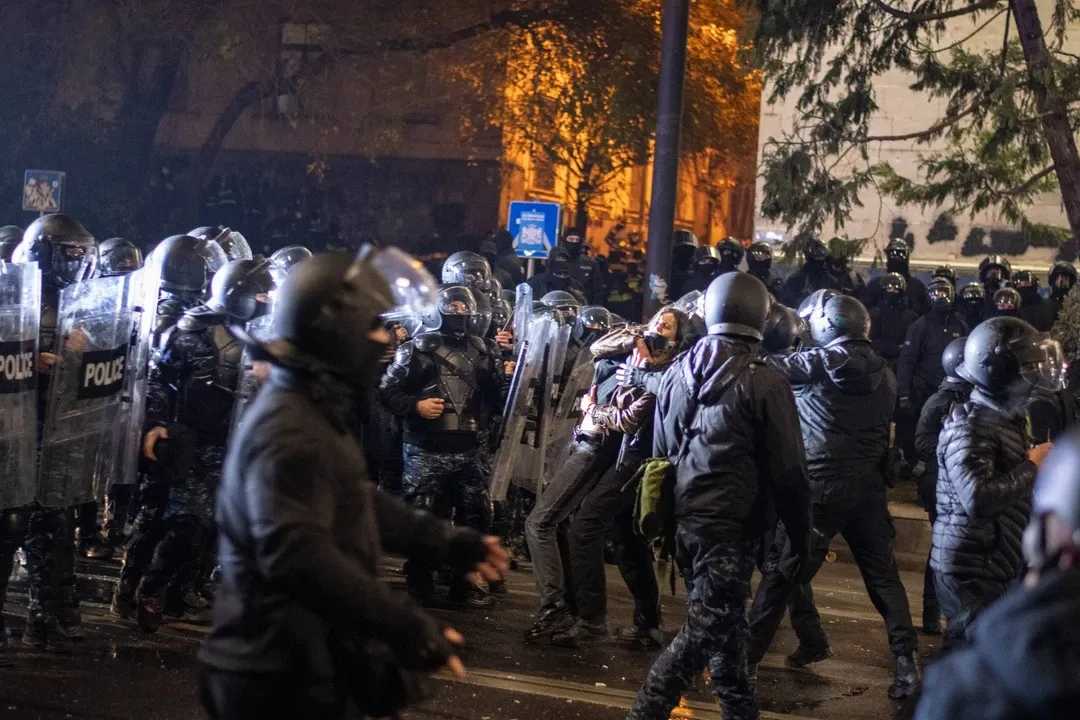
Following the government's EU U-turn following the October election, Georgians across the country have held daily protests for more than 100 days. Human rights activists in Georgia have suggested that more than 400 demonstrators may have been detained during November and December alone — a large number of whom claim that they were subjected to physical or psychological abuse by law enforcement officers.
M