Reviews
Review | The Pear Field — a look at life in Tbilisi’s ‘school for idiots’

Nana Ekvitimishvili’s debut novel is a short, intense work that confronts society’s silence and ethical blind spots.

Nana Ekvitimishvili’s debut novel is a short, intense work that confronts society’s silence and ethical blind spots.
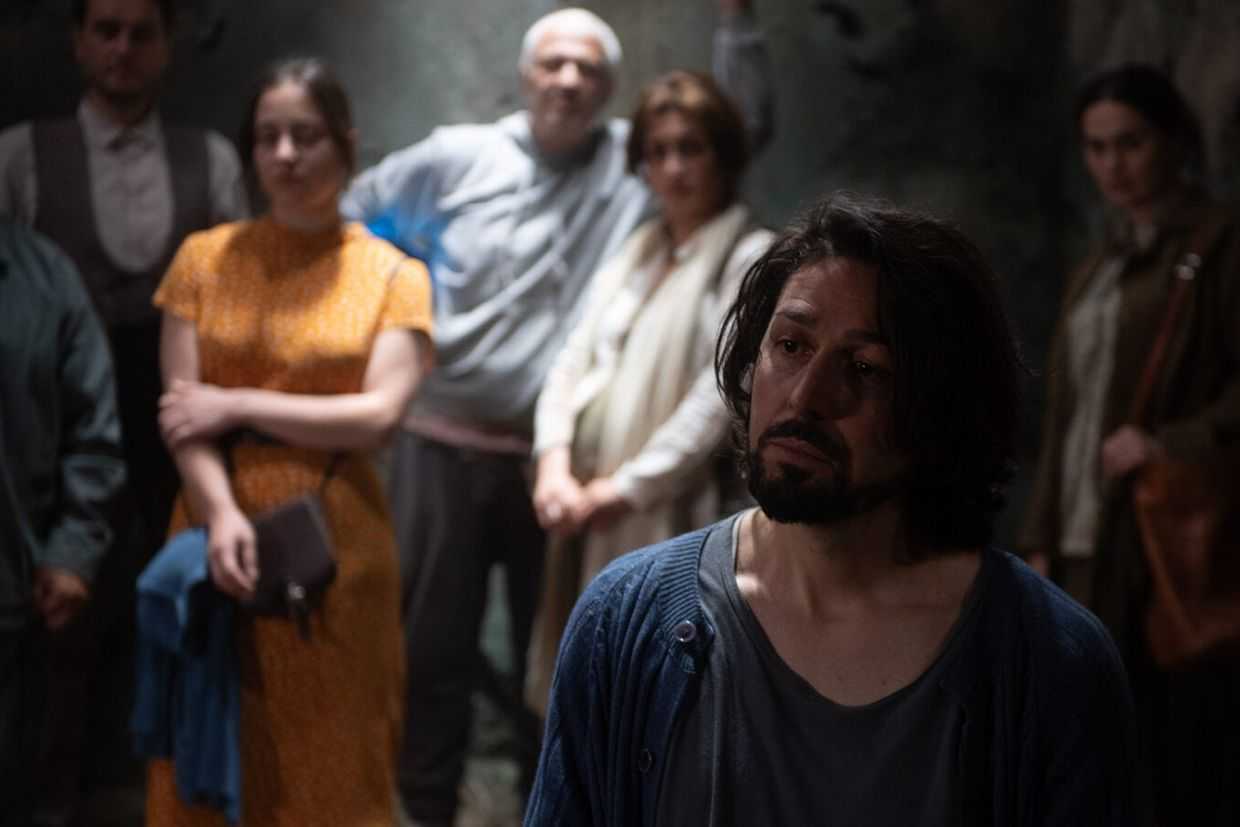
Rusudan Chkonia’s second feature film is a humorous examination of societal relations amidst Georgia’s housing crisis.
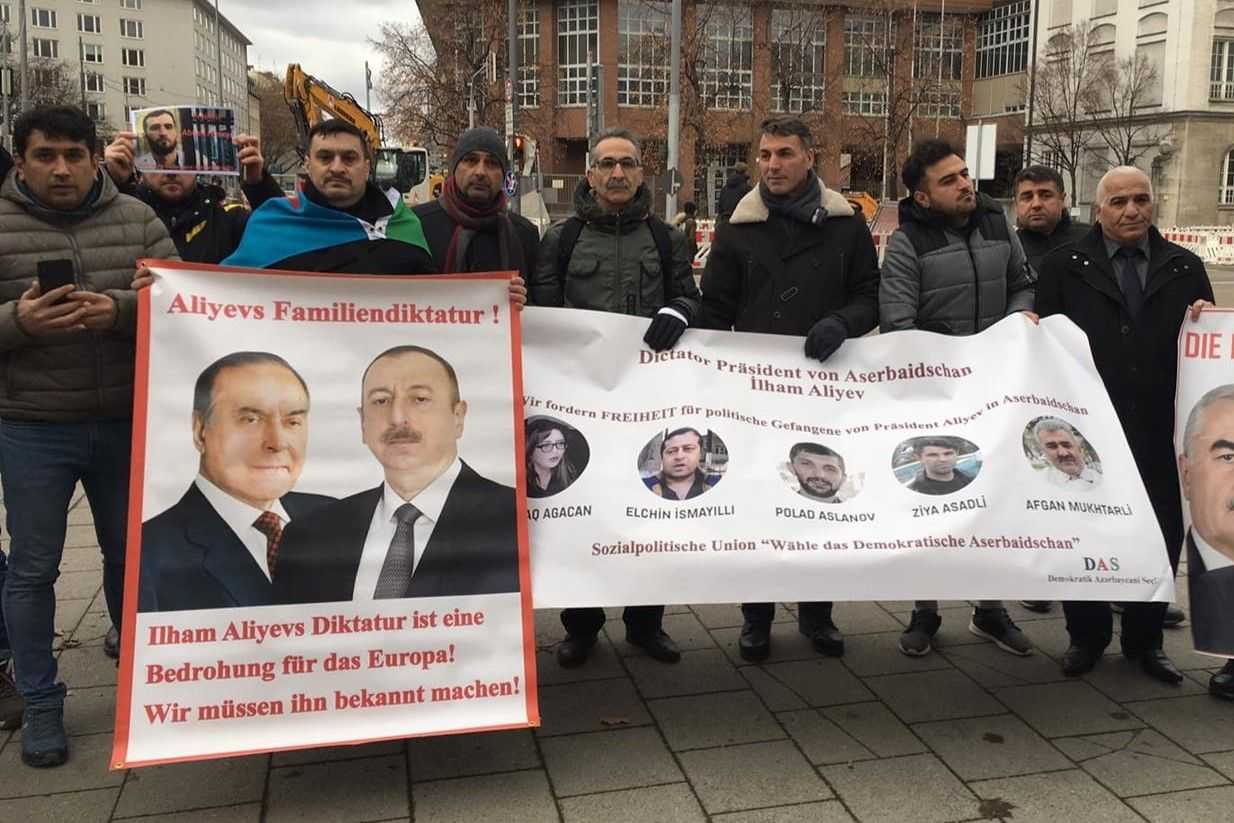
Activists deported back to Azerbaijan are at a constant risk of being detained on drug charges or accused of other criminal acts.
The Georgian Government has submitted legislation to parliament to create a unified database of people with mental health conditions, alcoholism, or drug addiction, a move some argue could be weaponised against critics. Georgia’s Ministry of Internal Affairs submitted the legislative package to parliament on 23 July, though it only now came to light. The package involves 15 amendments to existing laws. Critics of the bill told OC Media that such a database could be misused by the governme
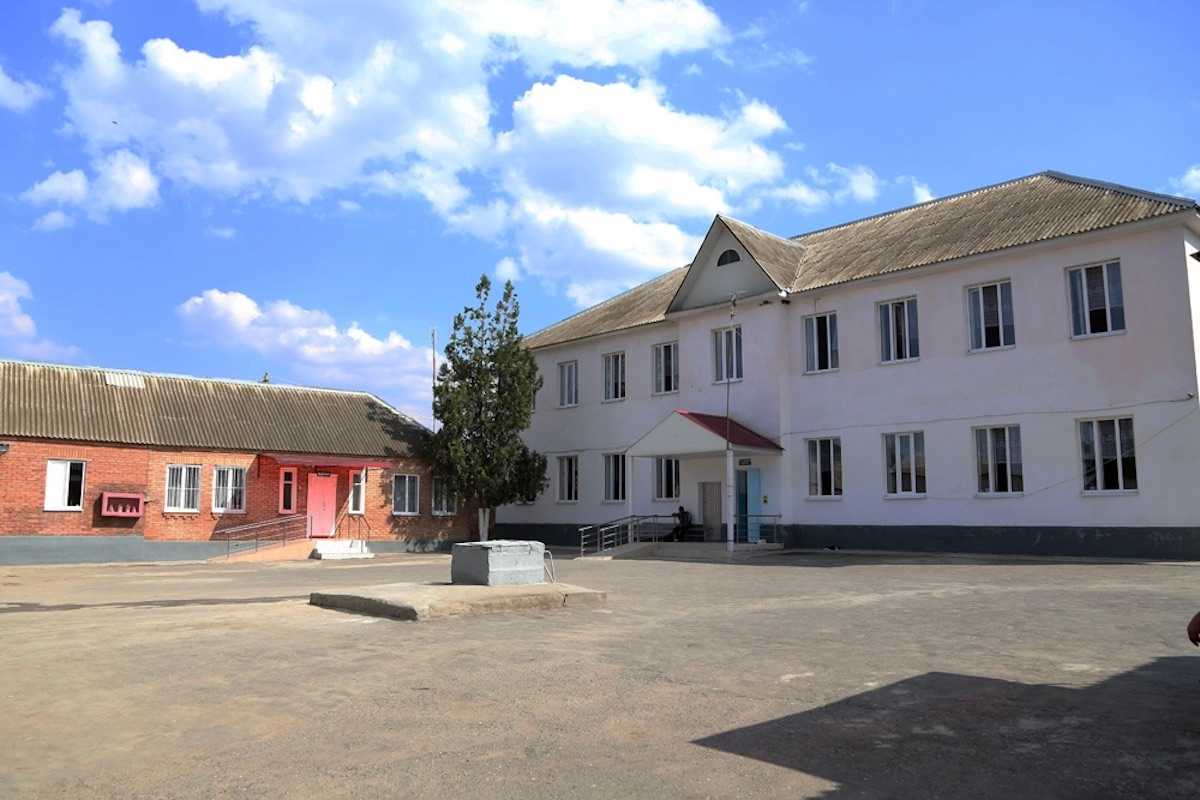
Images have appeared online purportedly showing patients being abused at an Ingush care home for people with intellectual disabilities. Images shared by Russian Telegram channel Baza [WARNING: DISTURBING IMAGERY] showed naked patients shackled to benches and to the wall in an empty tiled room. Also shown in the images were metal bowls from which the patients eat from using their hands. The facility in Psedakh, a village in northwestern Ingushetia, caters to people who are unable to care
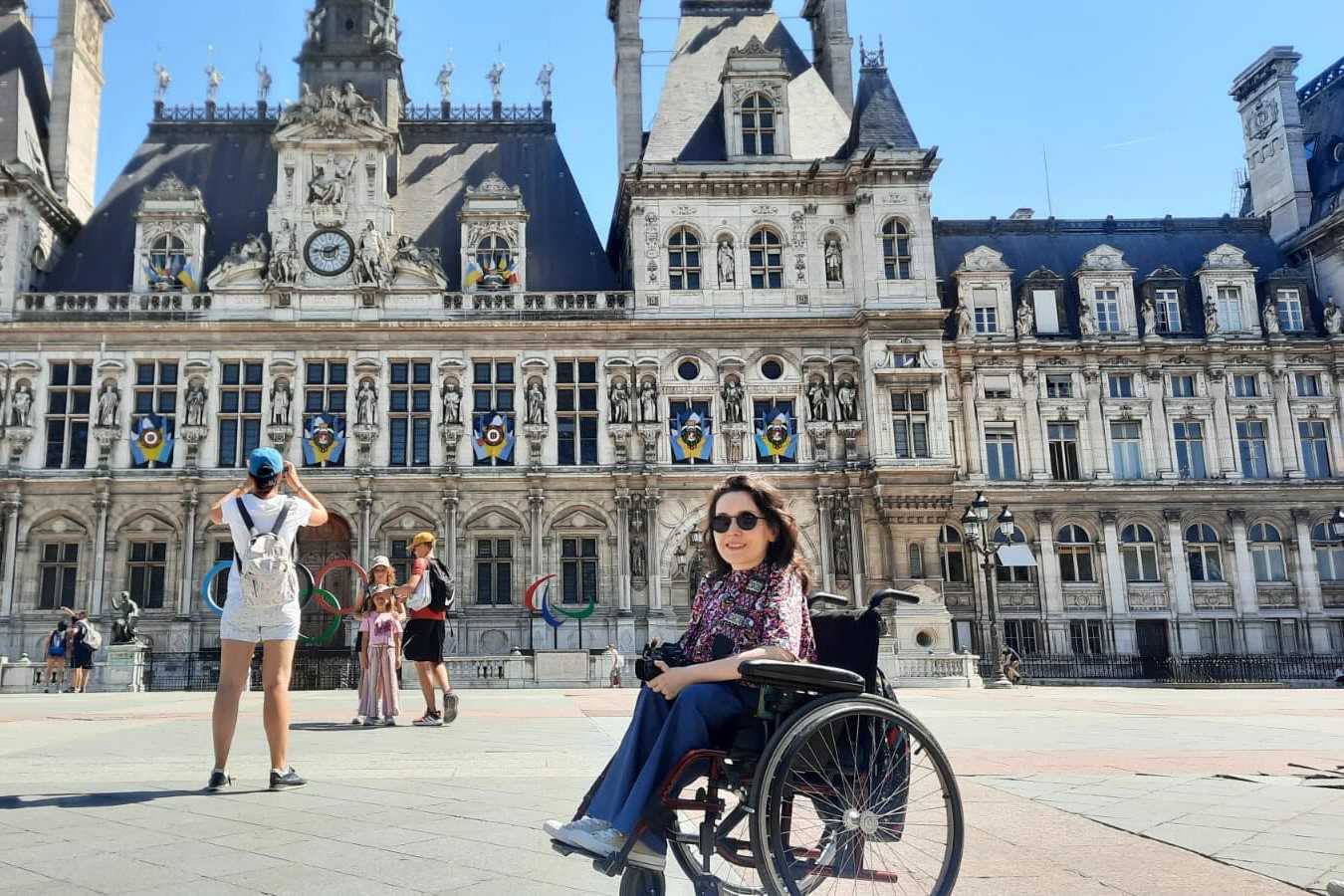
Tbilisi City Court has ruled that the Georgian government must provide a woman with disabilities with a personal assistant, pushing the state to deliver on a commitment previously scheduled for 2025. On 12 October, Judge Valeriane Pilishvili ordered the Agency for State Care under the Georgian Health Ministry to provide Ana Goguadze with a personal assistant within three days. While the ruling was an interim measure before her case is heard by the court, activists have said it marks a s
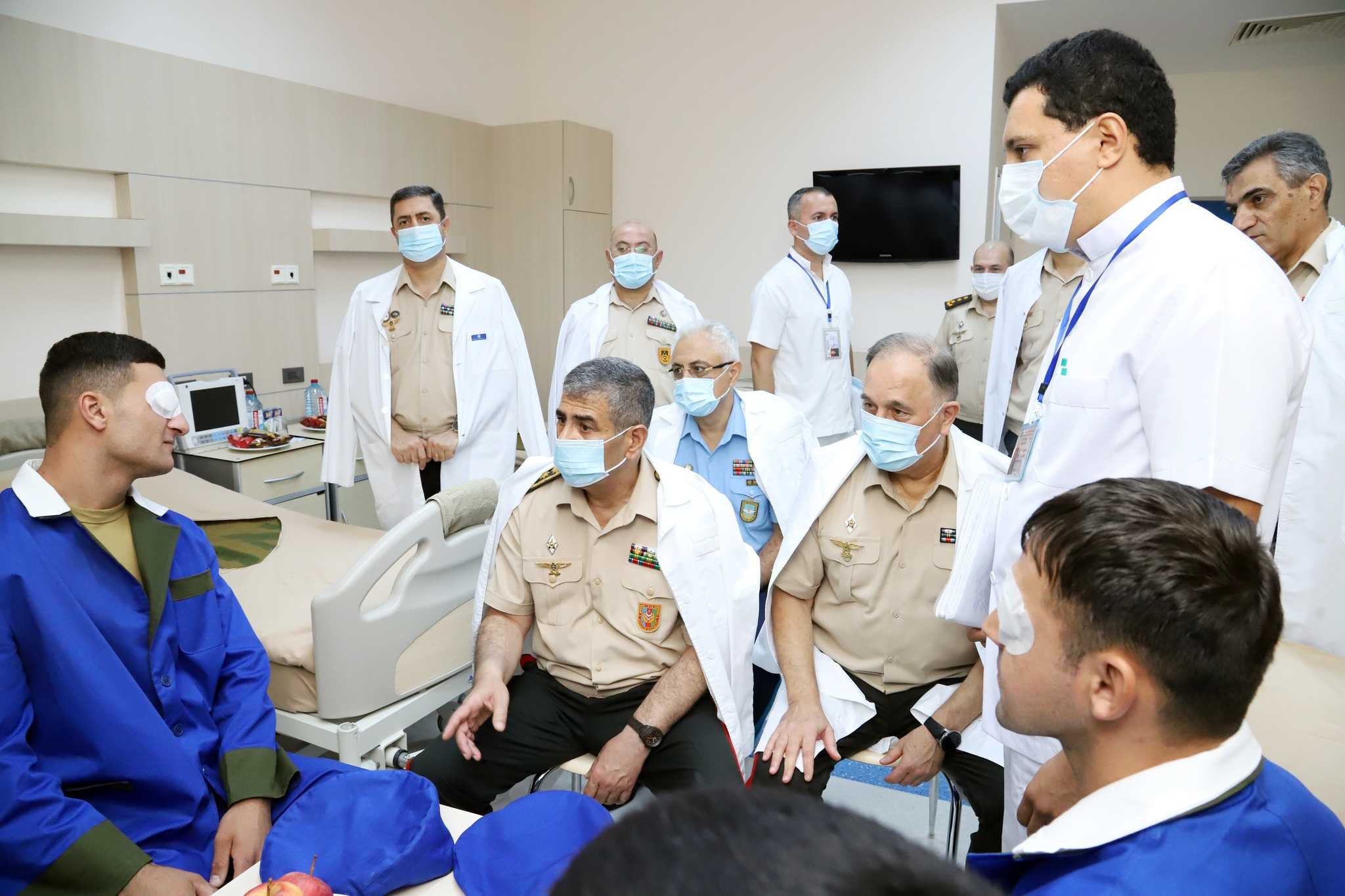
A wave of suicides among Azerbaijani veterans of the Second Nagorno-Karabakh War has led experts to question whether the government is doing enough to rehabilitate those who fight in its service. On 4 July, Ilham Hasanov, a veteran of the Second Nagorno-Karabakh War, visited a petrol station in Shamkir, a city in northwest Azerbaijan, where he purchased a container of petrol. He then drove to the offices of the local district authorities and attempted to set himself alight. Hasanov survive