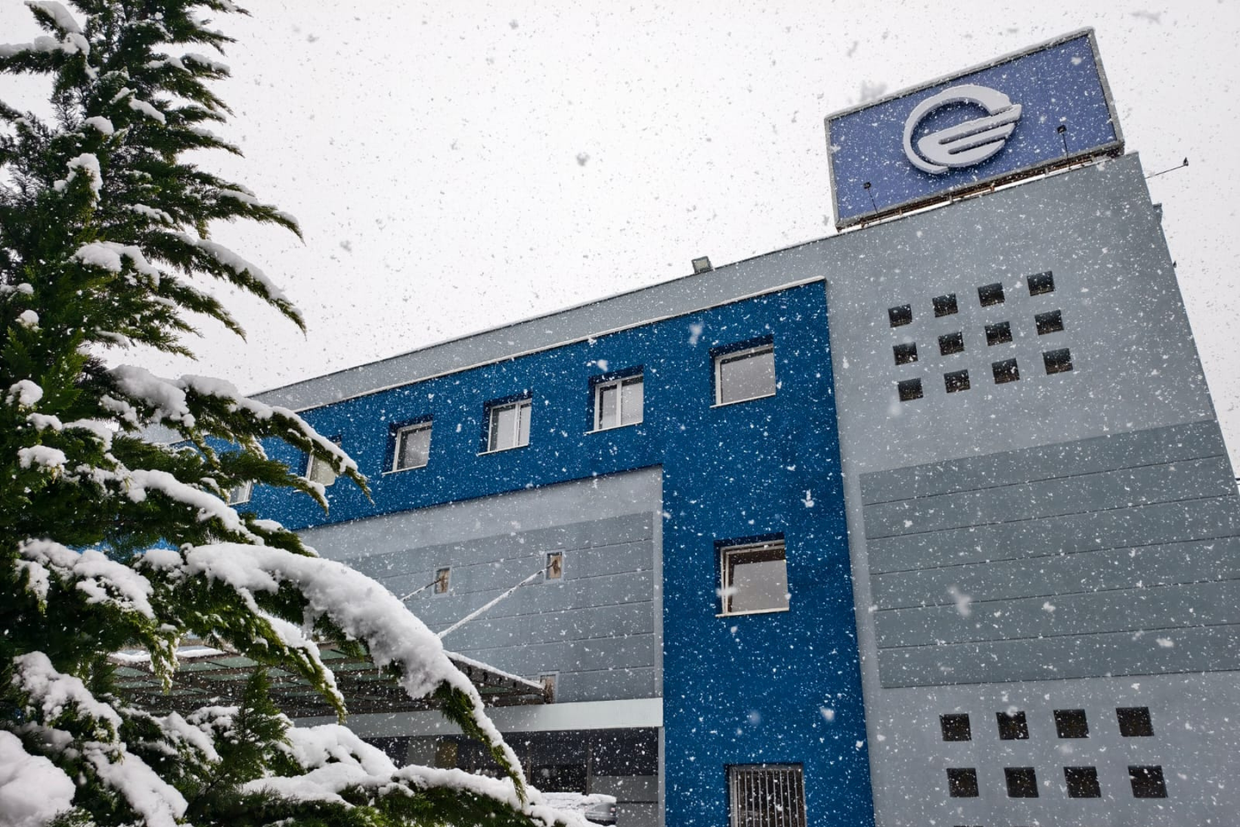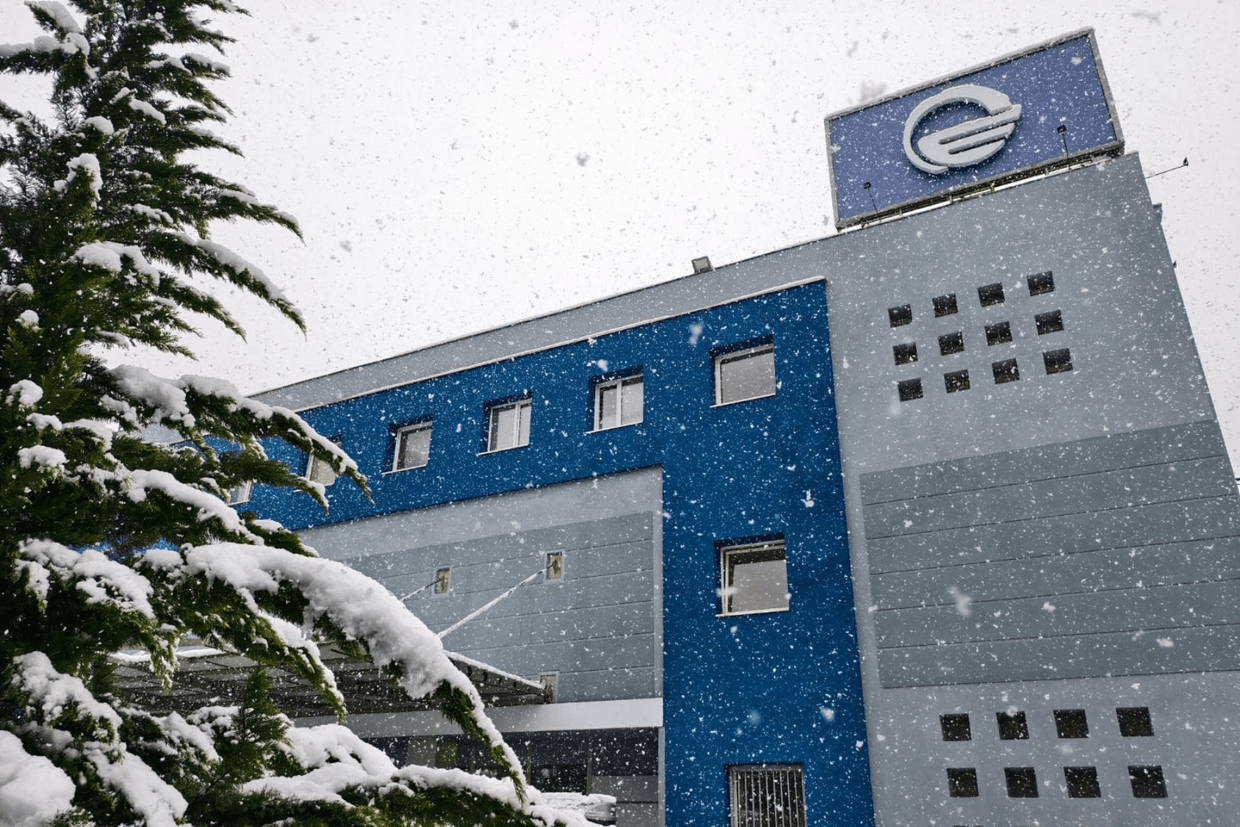
Georgia’s pro-government TV channel Imedi has paid its employees’ salaries in cash days after it was hit by UK sanctions over ‘Russian disinformation’. The channel also found itself in conflict with a major advertiser: Meama, a Georgian coffee company.
The UK sanctioned Imedi and another pro-government outlet POSTV on 24 February, listing both as ‘entities involved in Russian disinformation’ and accusing them of spreading ‘deliberately misleading information’ concerning Russia’s full-scale invasion of Ukraine to its audiences.
The sanctions have sparked active discussions in Georgia about their potential impact on the pro-government TV channels, including whether Georgian banks and companies would continue cooperating with entities targeted by sanctions. Several observers highlighted the risks that third parties could face when working with organisations under international sanctions.
On the evening of 27 February, RFE/RL reported that Imedi had paid its employee’s salaries in cash. The channel’s deputy director, Irakli Chikhladze, confirmed to OC Media that this was done in order not to put banks in an ‘awkward position’.
Earlier that day, Imedi issued a statement claiming that several banks, ‘despite potential complications’, had shown willingness to provide ‘banking services to the channel’. However, the channel noted that the it does not want to ‘put them in the line of fire’.
On the same day, the channel announced its plans to establish a new bank, named Imedi Bank, ‘in the shortest time possible’.
Imedi had been owned by Irakli Rukhadze, a US national based in London, up until early February. He had sold it for an apparently symbolic price weeks before the sanctions hit.
 Mikheil Gvadzabia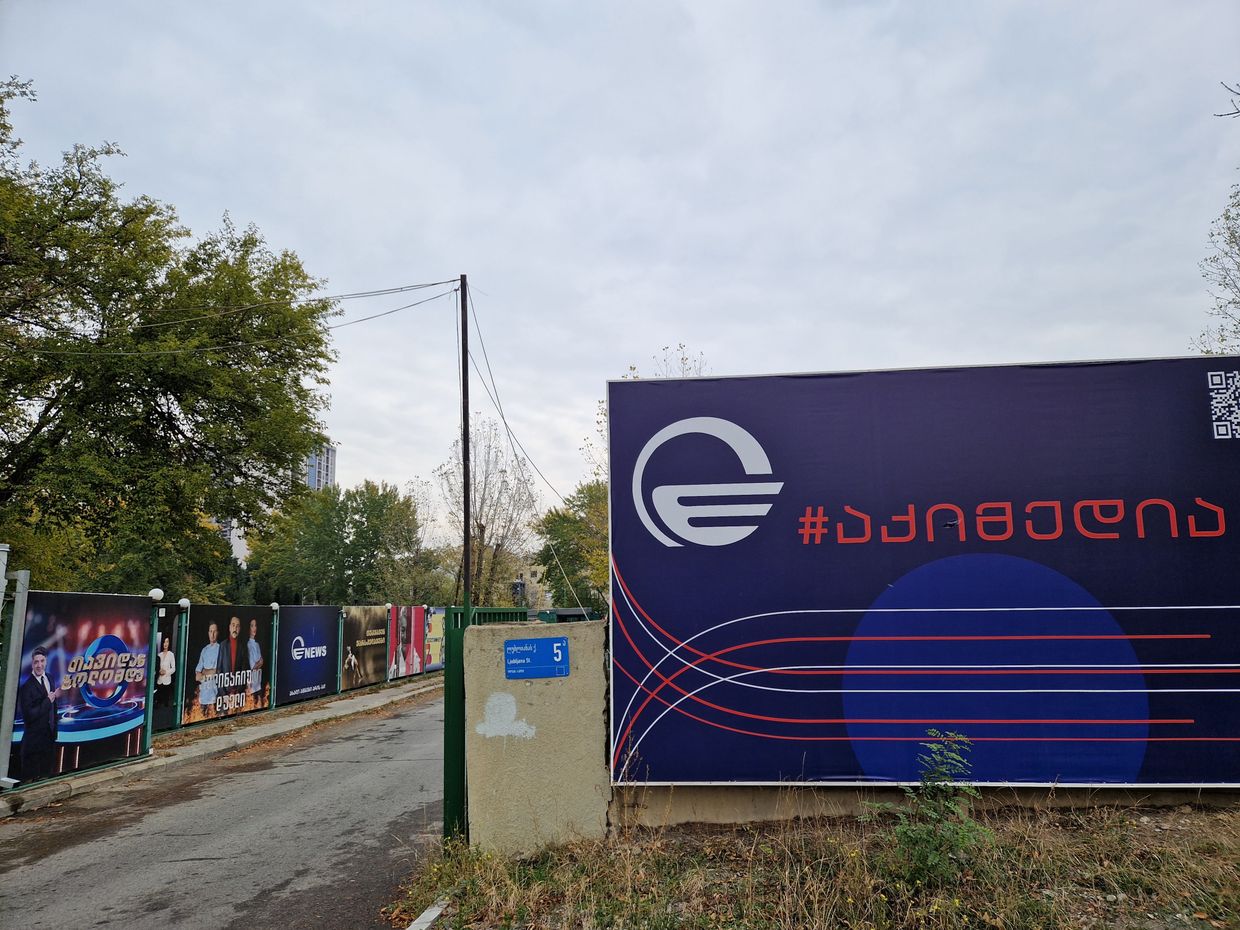
The UK imposed the same three set of sanctions on both Imedi and POSTV — ‘asset freeze, trust services sanctions, director disqualification sanction’ — meaning that all assets or properties held by the companies in the UK will be frozen, it will become illegal for UK citizens to help create or manage trusts for the companies, and the individuals running the companies will be barred from running any other UK-based company.
Commercial banks in Georgia have not made public statements regarding the enforcement of the sanctions imposed. However, two of the country’s largest banks, TBC and Bank of Georgia, are listed on the London Stock Exchange.
The sanctions and their aftermath also put Imedi at odds with one of its prominent financial contributors, the Georgian coffee producer Meama.
On Saturday, the opposition-leaning TV Formula quoted Meama’s director, Lasha Sharikadze, as saying his company did not intend to work with ‘sanctioned companies’.
Following this, Imedi promoted a boycott of Meama on social media, to which the coffee company responded with a denial, asserting that it had not refused to cooperate with either Imedi or POSTV.
‘A specific question was posed by a media outlet about whether our company would transfer funds to a sanctioned account, to which a clear answer was given that such a transaction could not be carried out’, the company said.
‘For our company, it is important that advertising is placed in widely viewed media outlets, without which the company could suffer significant financial losses. Therefore, advertising will continue to be aired on both of the mentioned television channels as usual’, it added.
In response, Formula released an audio recording of Sharikadze’s comment, which showed that the company’s director had personally called the journalist after apparently receiving the question.
‘Our position is that we will not cooperate with sanctioned companies’, he said, according to the audio recording.
Criticism of the sanctions was voiced by both TV channels, with Imedi stating that ‘British sanctions have no value’, and ‘the only valuable assessment for Imedi TV is the trust of the Georgian people’. In its evening news broadcast, the channel further described the reasoning of the sanctions as ‘slander’ and ‘disinformation’.
Shortly afterward, representatives of the Georgian government also condemned the UK over the sanctions. On 26 February, the Foreign Ministry summoned the British Ambassador in Georgia, Gareth Ward, and demanded explanations regarding the sanctions.
Helena Bedwell