Armenia and Turkey ‘simplify’ visa procedure for diplomats and other officials

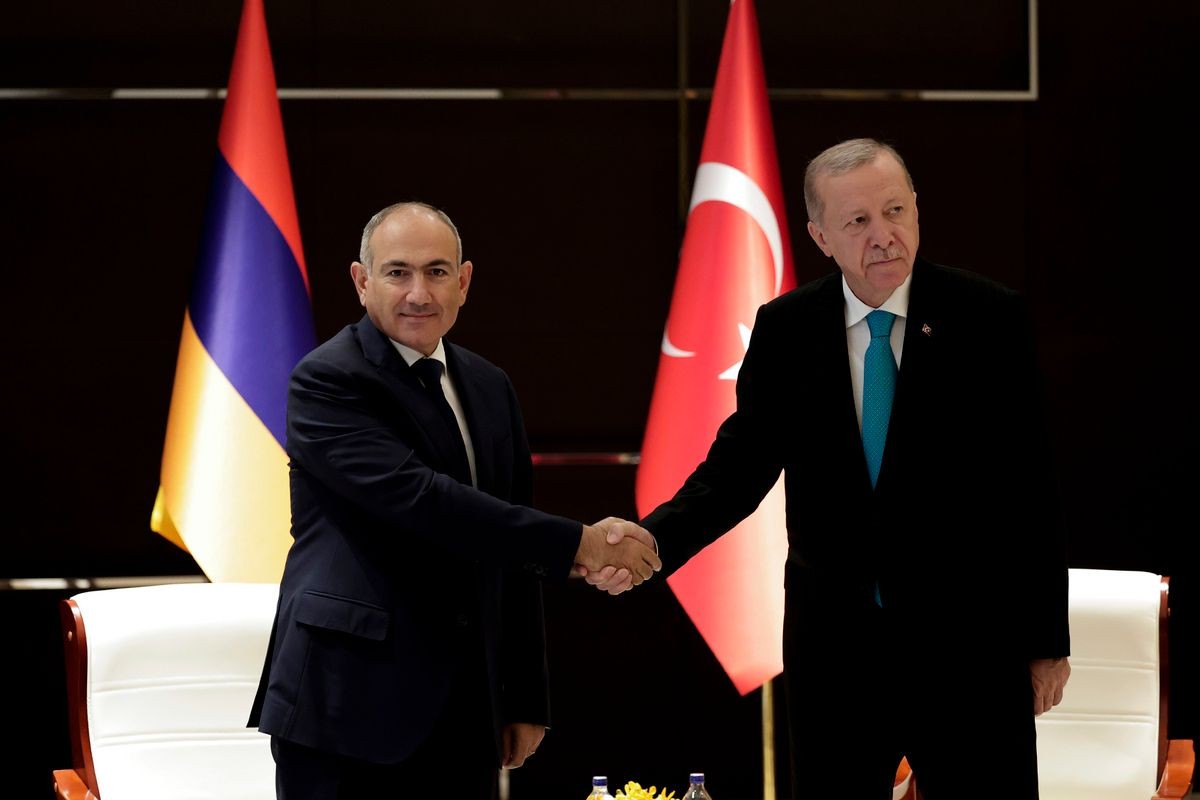
Armenia and Turkey will ‘simplify’ the visa procedure for diplomatic, special, and service passport holders as of 1 January 2026.
The representatives of these groups from both countries ‘will be able to obtain e-visa free of charge’, the Armenian Foreign Ministry reported on Monday.
‘On this occasion, both Armenia and [Turkey] reaffirm once again their commitment to continue the normalisation process between the two countries with the goal of achieving full normalisation without any preconditions’, the statement continued in what appeared to be a joint statement with Turkey.
The announcement of the simplified visa procedure came shortly after Armenian Foreign Minister Ararat Mirzoyan said in an interview with Public TV on Sunday that there could be ‘a symbolic step before the beginning of [2026]’ in the Armenia–Turkey normalisation process.
Mirzoyan also said that Armenia believes ‘it is time for us to have great and very tangible progress’ in the normalisation process.
‘I believe that we will definitely have very positive progress in this direction. I don’t want to make predictions regarding timelines; I think, let me say it, I think that in the very near future, very soon’, Mirzoyan said.
Mirzoyan refrained from disclosing whether all expected steps would be taken at once or throughout the year, but added that ‘I don’t think it will take that long’.
Despite a 2022 agreement to allow third-country citizens and diplomats to cross the land border, Turkey has kept the border closed since 1993 and has linked its opening to progress in the Armenia–Azerbaijan peace process.
More flights and railway restoration
Aside from the announcement of a simplified visa procedure, December also saw another step in the bilateral normalisation process, along with high-profile statements signalling further steps ahead.
On 22 December, Turkey's special envoy for normalising relations with Armenia, Serdar Kılıç, announced in an X post that Turkish Airlines will launch Istanbul-Yerevan flights ‘starting 11 March 2026’.
Kılıç called it ‘another step forward’.
At present, the only air connection between Yerevan and Istanbul is provided by the low-cost Turkish carrier Pegasus.
Amid reports stemming from early December suggesting that the Armenia–Turkey land border could be reopened, Armenian Prime Minister Nikol Pashinyan announced that Armenia had requested the Russian side to ‘urgently address’ the full restoration of railway sections adjacent to Azerbaijan’s exclave Nakhchivan and the Turkish border.
Under a 30-year agreement signed in 2008, Armenia’s railway system is managed by a subsidiary of the state-run Russian Railways company.
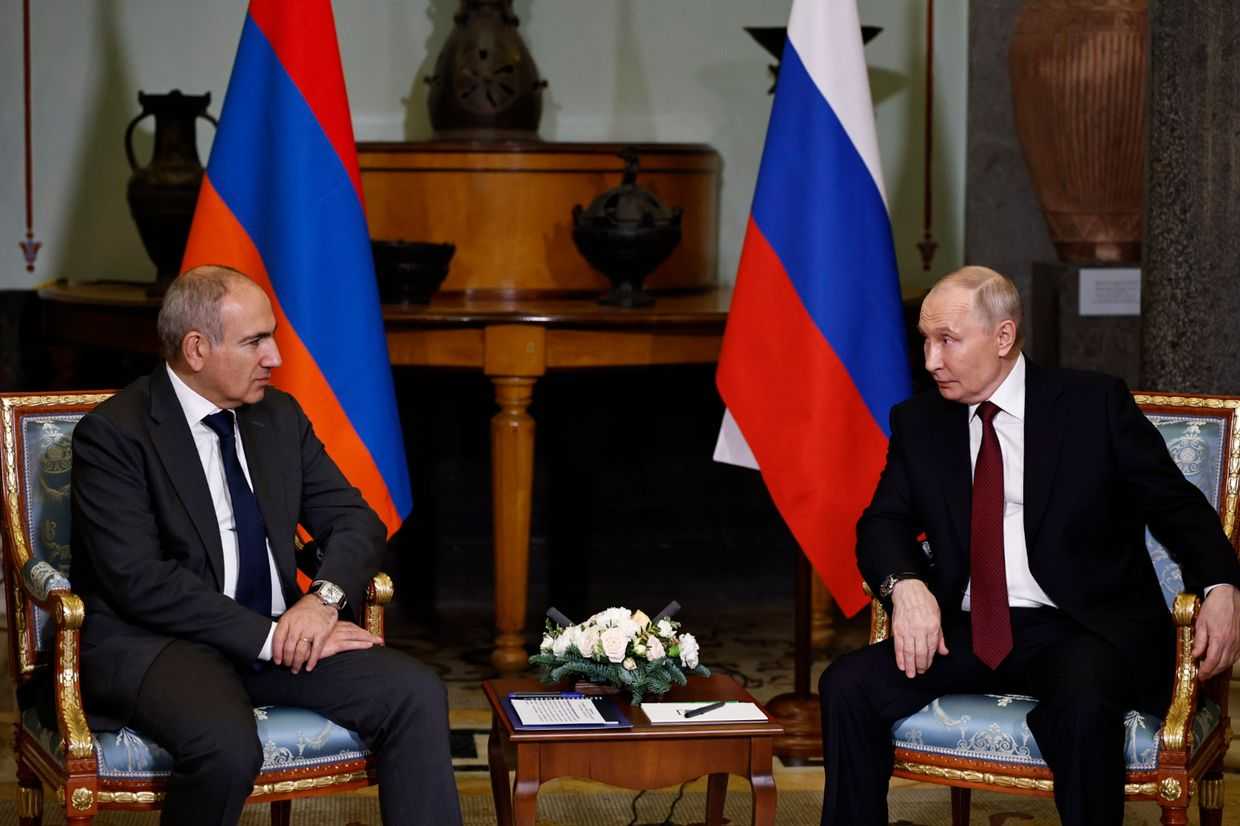
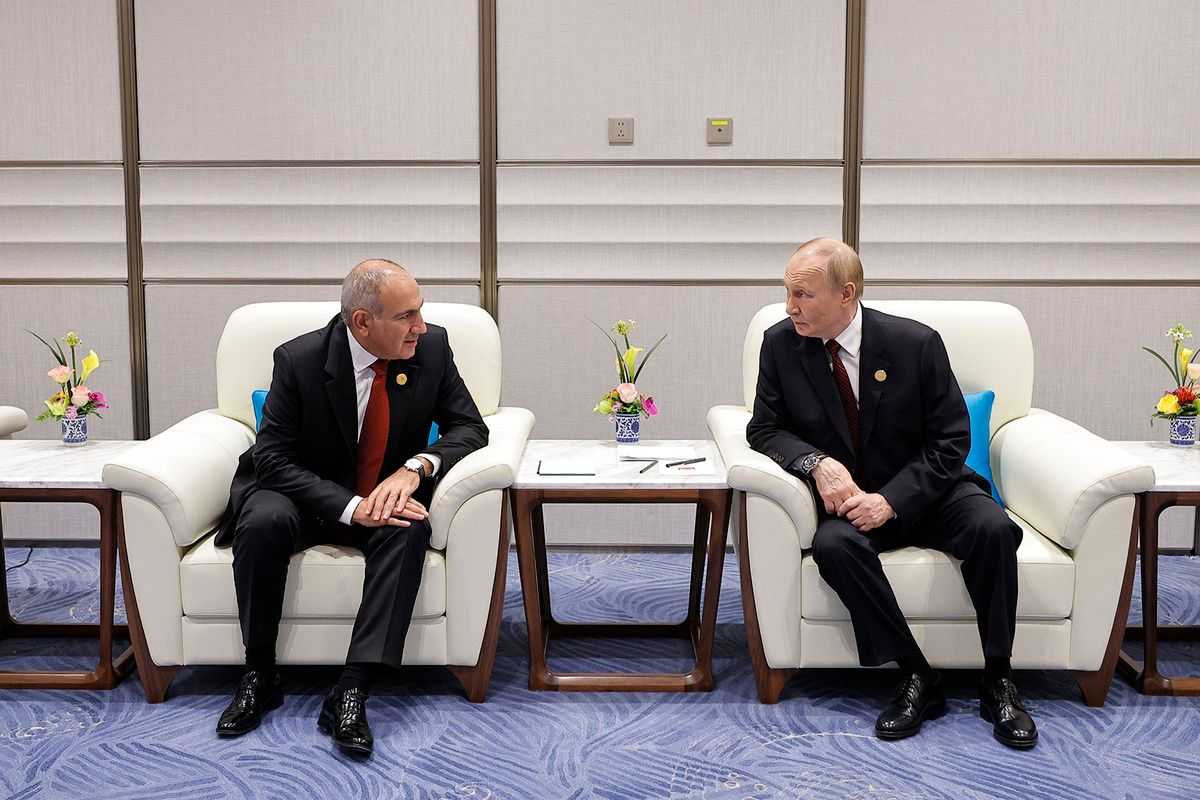
The issue was also discussed as Pashinyan met with Russian President Vladimir Putin on 22 December during his official visit to Russia.
 Nate Ostiller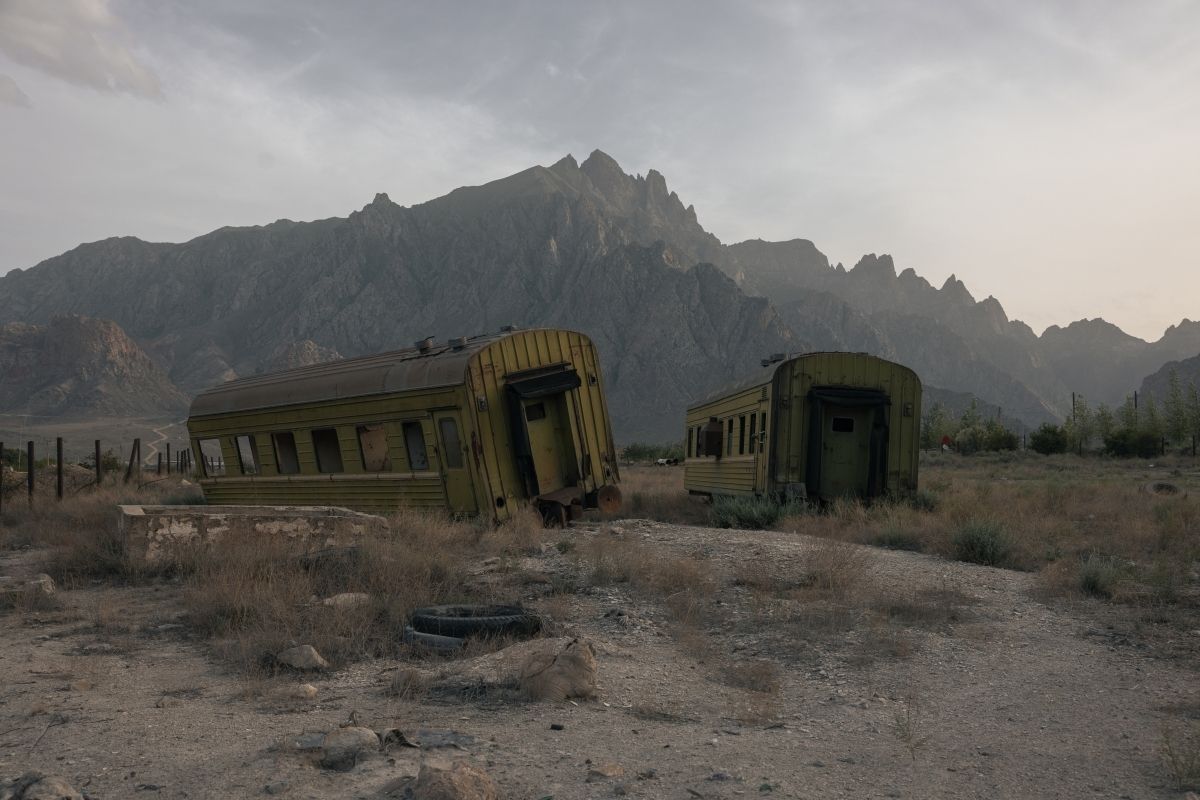
Again in December, the Turkish media outlet Yeşil Iğdır reported that ‘preparations have begun for the opening of the Alican Border Crossing [with Armenia]’.
Yeşil Iğdır clarified that the land border crossing was ‘planned to be opened initially for freight transport via the Margara Bridge, and later to serve passenger crossings’.
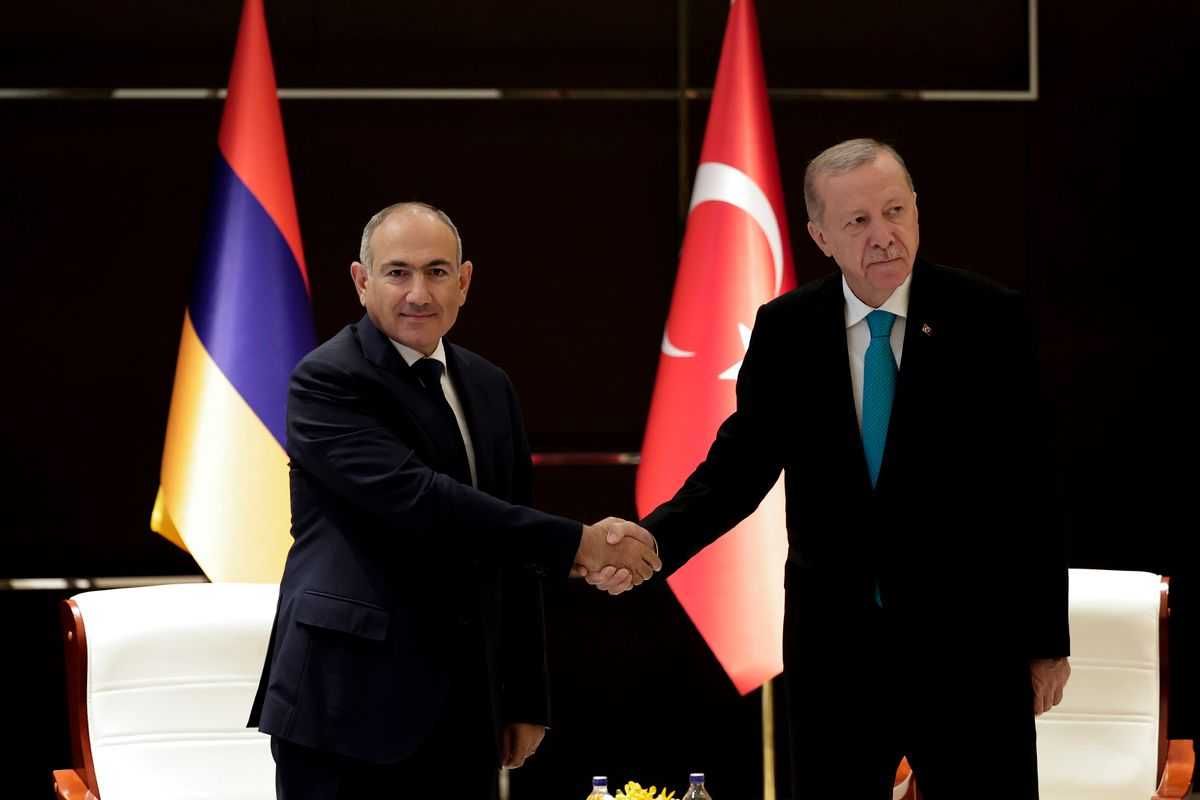
Earlier in December, Turkish President Recep Tayyip Erdoğan hinted at an upcoming positive development in Armenia–Turkey normalisation process.
‘God willing, some symbolic steps will be taken from the beginning of next year’, Erdoğan said in his speech at the 16th Congress of Turkish Ambassadors on 16 December.
At the time, Pashinyan welcomed the statement and added that ‘the time has come for symbolic and even non-symbolic, broader, and more concrete steps to take place, and I hope that they will happen’.