A sixteen-year-old Azerbaijani teenager has taken her own life at a shelter for victims of human trafficking.
The girl, identified by local media as Nurjan Jafarova, reportedly took her own life on Wednesday at the Tamiz Dunya shelter in Baku, passing away from her injuries hours after the incident.
The Binagadi District Prosecutor’s Office is investigating the incident.
Jafarova, originally from the Shamkir district, had been living in the shelter since 11 September.
Pro-government media outlet Milli.az cited the State Social Service Agency as saying that Jafarova’s mother, Vusala Orujova, died in 2014, while her father resided in Russia.
On 21 August, Jafarova ran away from her relatives' home before being homed in the shelter.
‘After returning to the country, her father, Elshad Safarov, officially abandoned the child on 18 November’, the State Social Service Agency said. They added that Jafarova had received social and psychological rehabilitation at the shelter.
Despite saying that Jafarova’s father had disowned her, Azerbaijani legislation stipulates that parents do not have the right to abandon or disown their children. The agency has not provided any explanation as to how the teenager was left without a legal guardian.
According to Qafqazinfo, the shelter said this was the first suicide to have taken place on their premises. They reportedly noted that Jafarova had wanted to return home, but that none of her relatives wanted to take care of her.
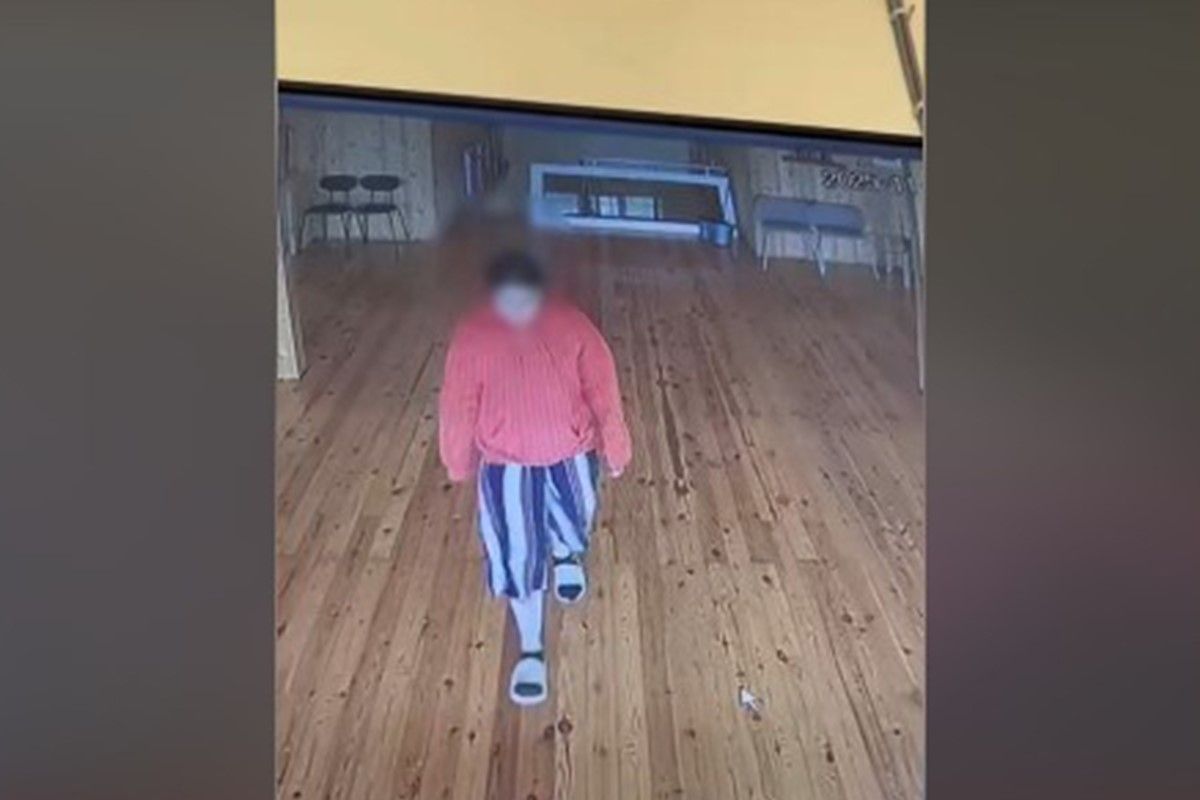
‘Although her aunt repeatedly promised to take her in, unfortunately, she never applied for foster care or took any real steps. We repeatedly informed the Social Services Agency about the girl’s condition’, the shelter stated, as reported by Qafqazinfo.
According to the shelter, Jafarova completely lost hope right after receiving information that her father ‘abandoned her’.
As reports of Jafarova’s suicide emerged, Kamala Aghazada, the head of another shelter, said on social media that a teenage girl from her shelter had gone missing. While the girl was found a day later, Aghazada noted that most children
‘However, since parental rights are not restricted, contact with the family is maintained, and in the absence of a direct crime against the child, meetings with the parents continue’, Aghazada said.
 Aytan Farhadova
This article was translated into Georgian and republished by our partner On.ge.
This article was translated into Russian and republished by our partner SOVA.