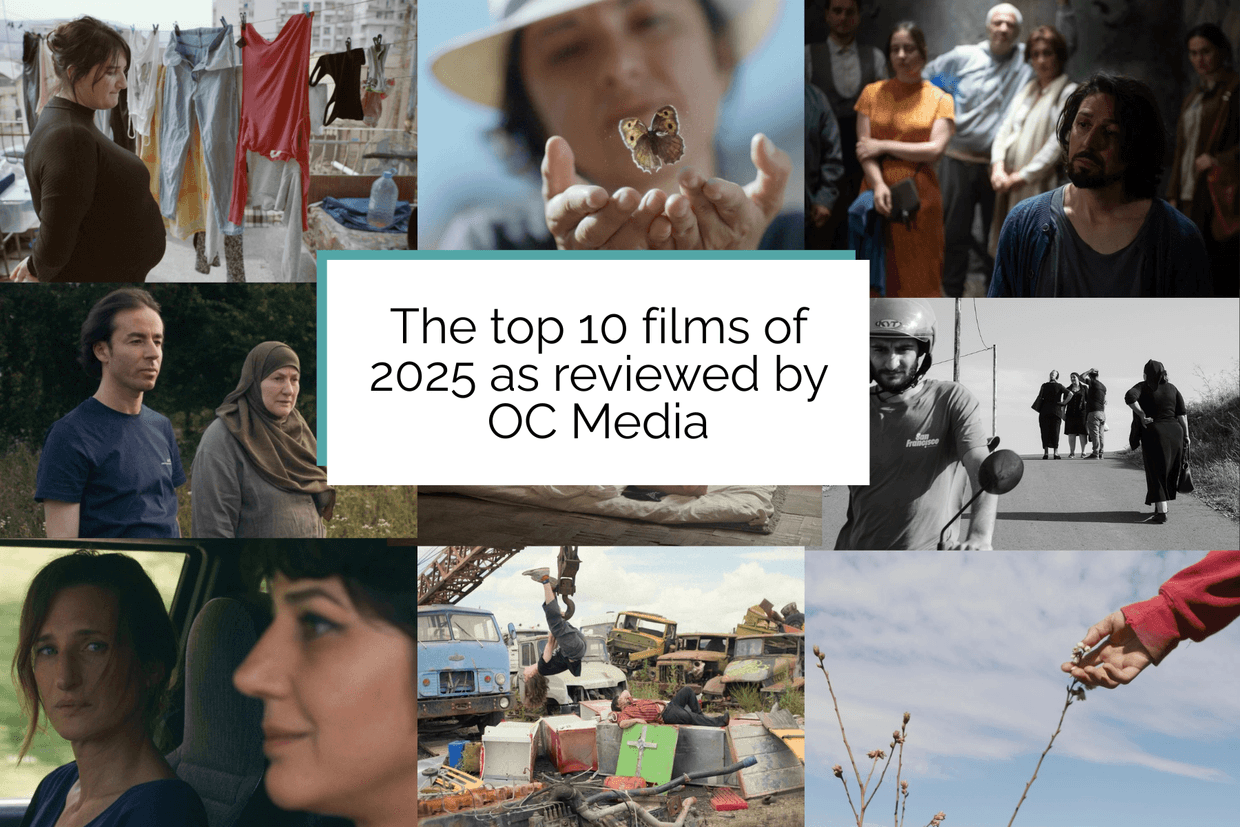
This year, OC Media tried something new with the launching of a culture and review section. Over the past months, we have reviewed both classic films and recent releases from throughout the Caucasus, sharing our thoughts and opinions as well as exploring the cultural impacts of such works both locally and internationally. Now we bring you a round-up of what we thought were the top 10 films released this year as reviewed by OC Media.
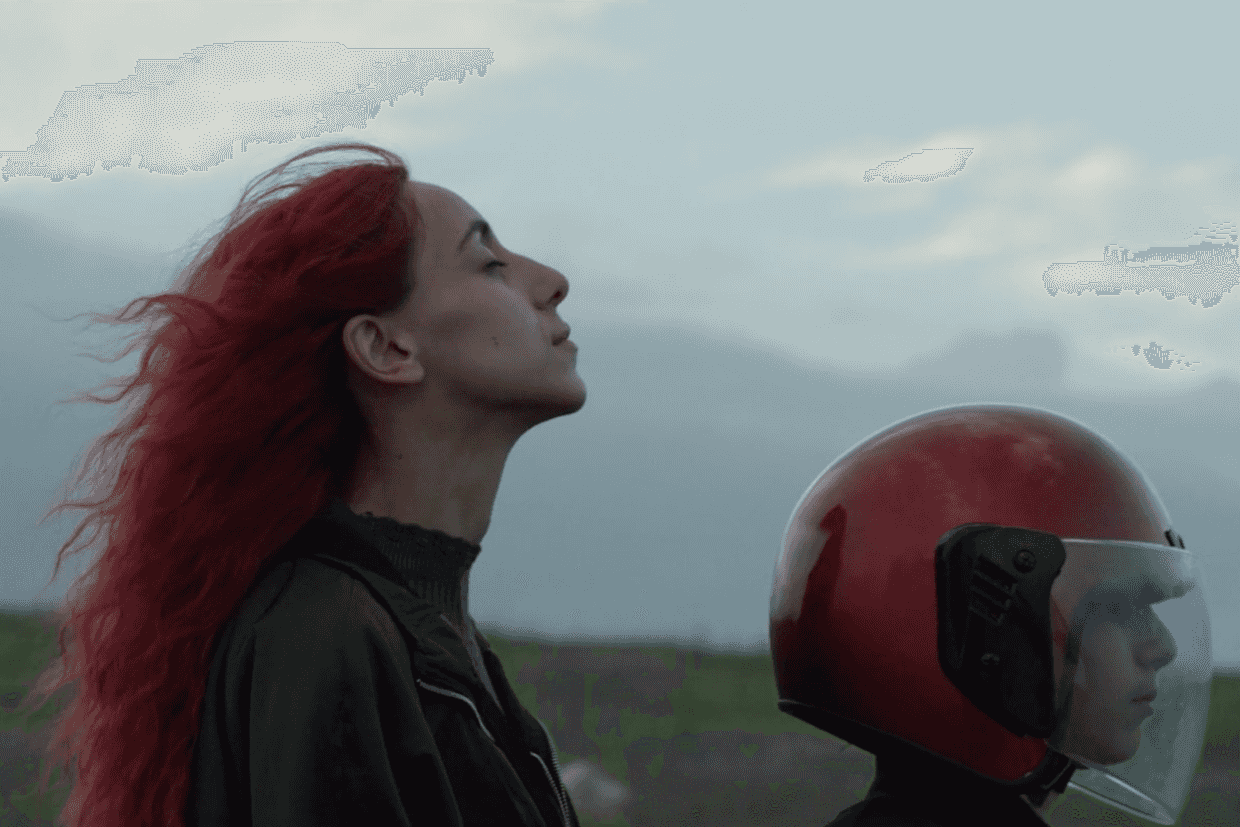
10. Dry Leaf — a Georgian masterclass on filming the unfilmable — 4/5★
This unconventional road film is deeply earnest, slow, and poetic, focusing on small truths and director Alexander Koberidze’s abiding affection for football.
In an era of hyper-sharp digital cameras, filming a 186-minute feature on an old Sony Ericsson, all grain and blur, feels like an act of cinematic rebellion. Yet Koberidze, who also serves as cinematographer, embraces the limitation with playfulness and purpose.
In a haphazard, ever-shifting world fractured by political crises, wars, AI-generated fakes, and big egos, Dry Leaf feels like a fresh breath — a reminder that life has a natural, unhurried rhythm.
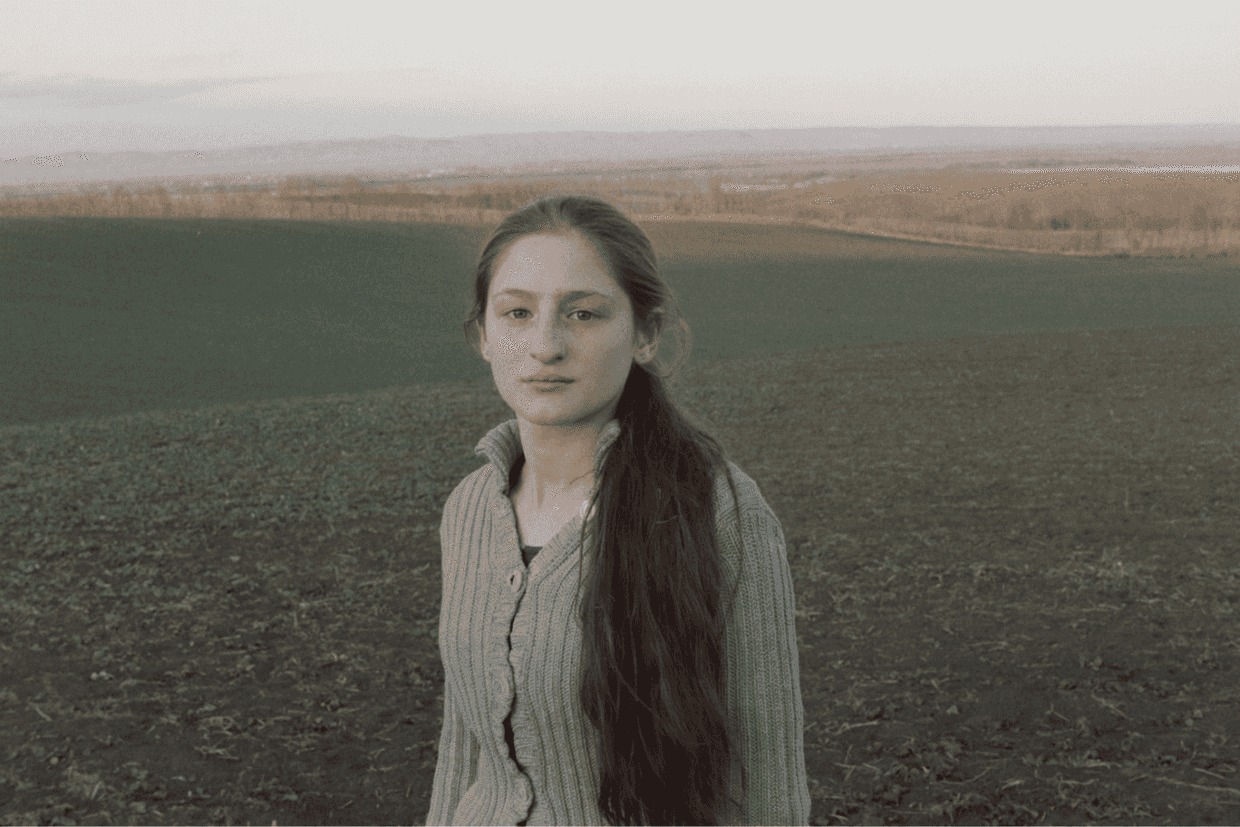
9. Searching for Satyrus — butterflies, family secrets, and cross-border collaboration — 4/5★

Azerbaijani photographer Rena Effendi’s debut documentary attempts to capture the essence of her father — the esteemed lepidopterist Rustam Effendi — who died amidst the break-up of the Soviet Union when Rena was only a child.
In doing so, the film becomes an exploration of the effects of state and familial conflict in the search for an elusive butterfly, the Satyrus effendi, which only flies from mid-July to mid-August in the sub-alpine grasslands of the southern Zangezur Mountains, which straddle the border between Armenia and Azerbaijan’s exclave Nakhchivan.
Searching for Satyrus is a bit of a meandering film due to its multiple focuses — scenes often switch back-and-forth between familial interviews about Rustam Effendi and separate journeys and discussions related to the butterfly — yet when viewed in its entirety, it somehow clicks to become a true work of art.
8. Temo Re — An artistic yet humorous commentary on Georgian society — 4/5★
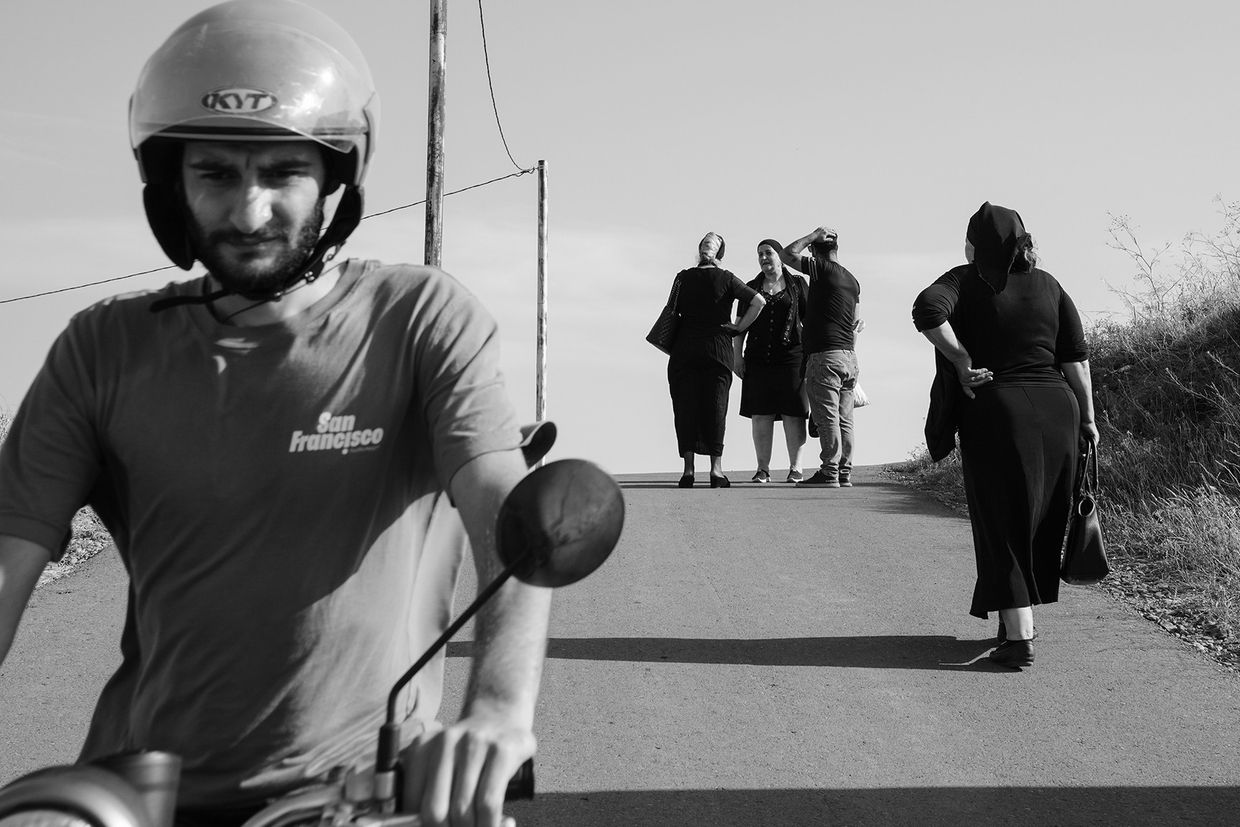
Georgian director Anka Gujabidze’s debut film is a visual treat for lovers of monochrome photography. Belonging to the still image film genre, the 50-minute film is entirely made up of black and white photos, stitched together, Gujabidze’s pacing at times creating the effect of stop-motion animation.
As an adaption of Temo Rekhviashvili’s 2021 semi-autobiographical anthology A Courier’s Tales, the film follows the titular character and narrator, played by Rekhviashvili himself, a stage actor who, unable to live off a wage of ₾20 ($7) a performance, becomes a delivery driver with a less than perfect moped.It is a creative masterpiece covering many of the ills within Georgian society with humour and grace, no doubt part of why it won the Tiger Short Competition Award and the KNF Award from the Circle of Dutch Film Journalists at the 2025 International Film Festival Rotterdam.
7. In the Land of Arto — a thoughtful exploration of Armenia’s past, present, and future — 4/5★
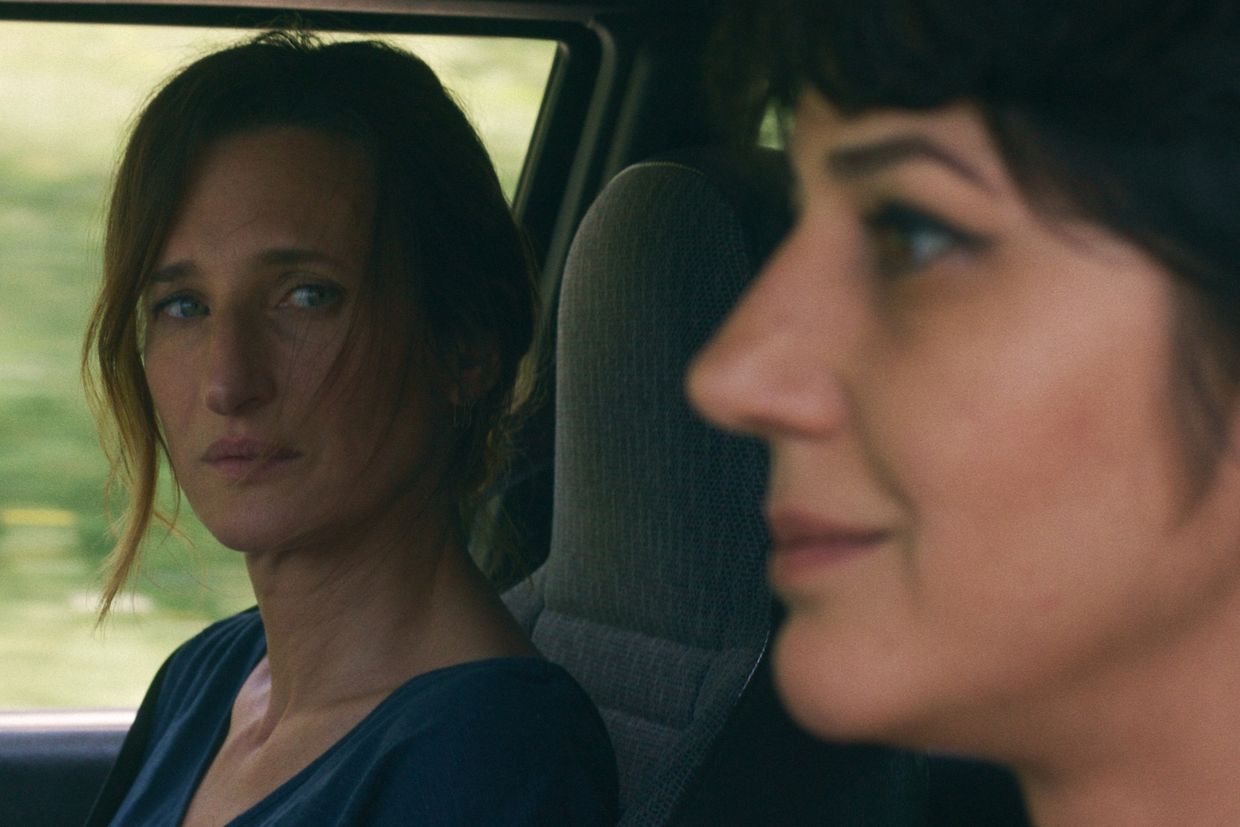
Tamar Stepanyan’s first feature film follows the French Céline (Camille Cottin), who arrives in Armenia’s second-largest city Gyumri in an attempt to uncover her Armenian husband’s true past. From this opening premise, the film becomes a timely and relevant look at Armenia’s tragic history, marking an impressive debut.
Indeed, the larger focus of the film — a more ruminative exploration into what the most recent Armenian defeat has meant for the population — provides a good path for Western audiences to understand the many tragedies Armenia has faced in just a generation or two.
6. Imago — Exploring Chechen identity in Georgia’s Pankisi Valley — 4/5★
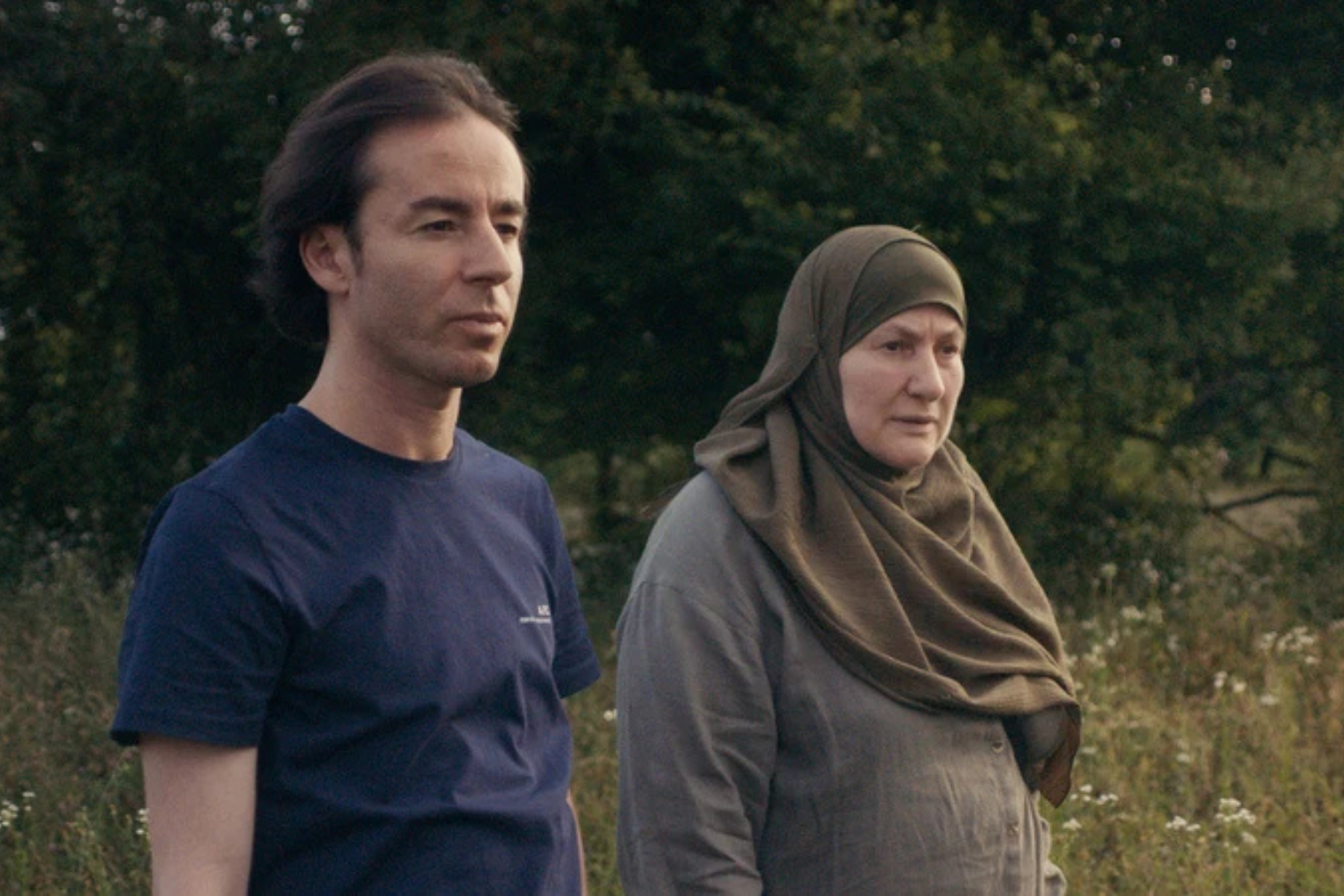
In 2017, Chechen-born director Déni Oumar Pitsaev was given a plot of land in Pankisi Valley — a region in northeast Georgia home to around 10,000 Kists, a Chechen sub-ethnos originating from 19th-century migration, as well as more recent Chechen migrants — inspiring him to document his experiences re-uniting with family and exploring what it means to be Chechen today.
Throughout the film, Pitsaev engages with different groups within Pankisi society, from young men discussing traditional faith to older women debating the meaning of freedom in their lives and the world at large. The image of Pankisi Valley portrayed is one of diversity — a far cry from the usual depictions and understandings of it as a hotbed for extremism and religious fundamentalism.
5. The Kartli Kingdom — a heartfelt examination of Georgia’s IDP housing crisis — 4.5/5★
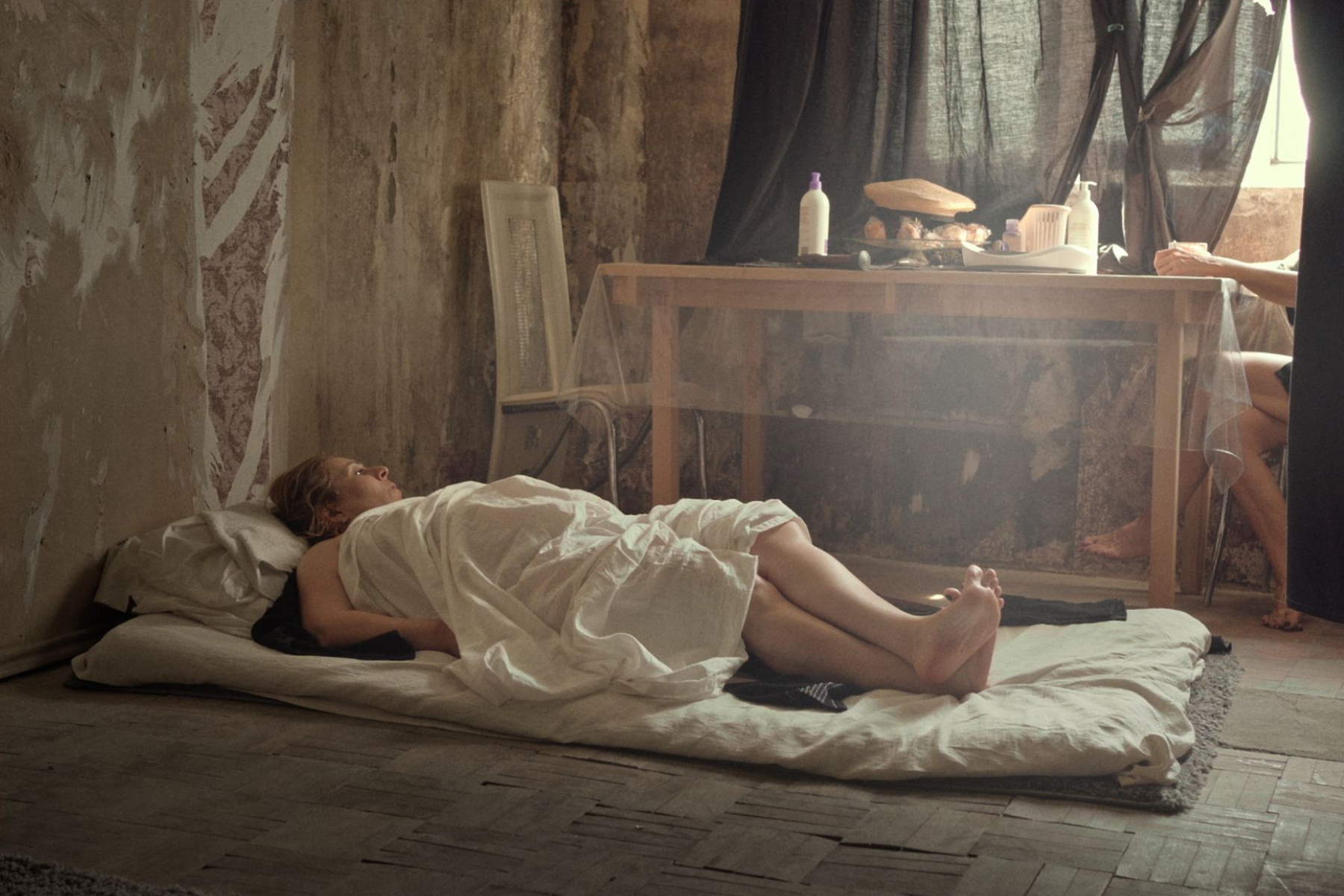
Tamar Kalandadze and Julien Pebrel’s documentary, a French–Georgian co-production, observes a close-knit community of IDPs from Abkhazia residing in an abandoned Soviet-era resort in Tbilisi.
The film switches between following the struggles of the inhabitants to get adequate housing and other rights and clips of ethnic Georgians fleeing Abkhazia during the War in Abkhazia (1992–1993), contextualising what these families have gone through only to be forgotten by Georgia in the ensuing 30 years.
For a first feature, Kalandadze and Pebrel created a tour de force — it is no wonder they won the award for best directing following the film’s premiere at the 2025 IDFA Documentary Festival in November.
4. Venezia — a dark comedy operating as a microcosm of Georgia — 4.5/5★
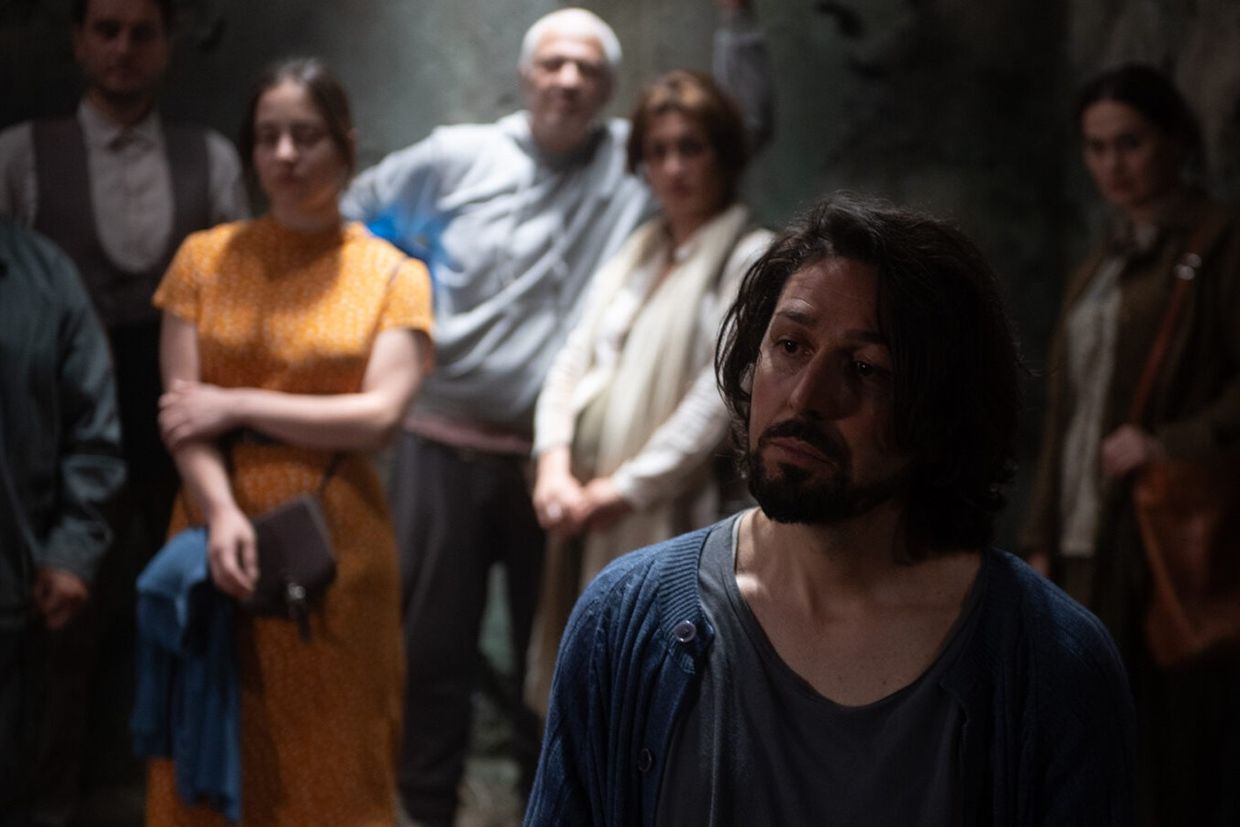
Based on director Rusudan Chkonia’s own personal experiences purchasing an under-construction apartment, Venezia follows the desperate co-owners of the eponymous residential building project VENEZIA as they try to finally end a seven-year deadlock in construction.
Built as a microcosm of Georgia, ‘where nothing moves forward’, the characters and their emerging conflicts with each other reflect some of the biggest issues within Georgian society. With its astute humour, the film makes for an entertaining watch.
3. Blueberry Dreams — A contemplative look at the dreams and struggles of a Georgian family — 4.5/5★

In her first feature-length documentary, director Elene Mikaberidze follows Soso and his family — wife Nino and sons Giorgi and Lazare — on their agricultural journey, from clearing the plot of land they’ve purchased to harvesting their first blueberry crop a year-and-a-half later, carefully and thoughtfully capturing the family’s dreams and struggles over the entire period.
The cinematography by Patrick Wendt is magnificent, capturing all the emotions involved for the viewer to feel as if they are in the room with the Meladze family. In turn, Mikaberidze handles every aspect of documenting the family with compassion and grace, showcasing her directorial skills.
Overall, the film is a warm, funny, yet bittersweet slice of life in modern Georgia.
2. Holy Electricity — a love letter to the inhabitants of Tbilisi — 5/5★

Tato Kotetishvili’s debut feature, which won the best film award in Locarno’s emerging filmmakers’ section, is an impressive passion project celebrating the beauty of everyday life in Tbilisi.
The film follows two cousins in their search for success, attempting to sell neon crosses door to door. A gentle and playful ode to Tbilisians, the film underscores the socioeconomic hardships they face but sees far beyond these material limitations. Celebrating Georgian sociability and the small glimpses of beauty in the everyday, Holy Electricity is a debut full of heart and talent to look out for.
1. 9-Month Contract — a heart-wrenching examination of Georgia’s surrogacy industry — 5/5★
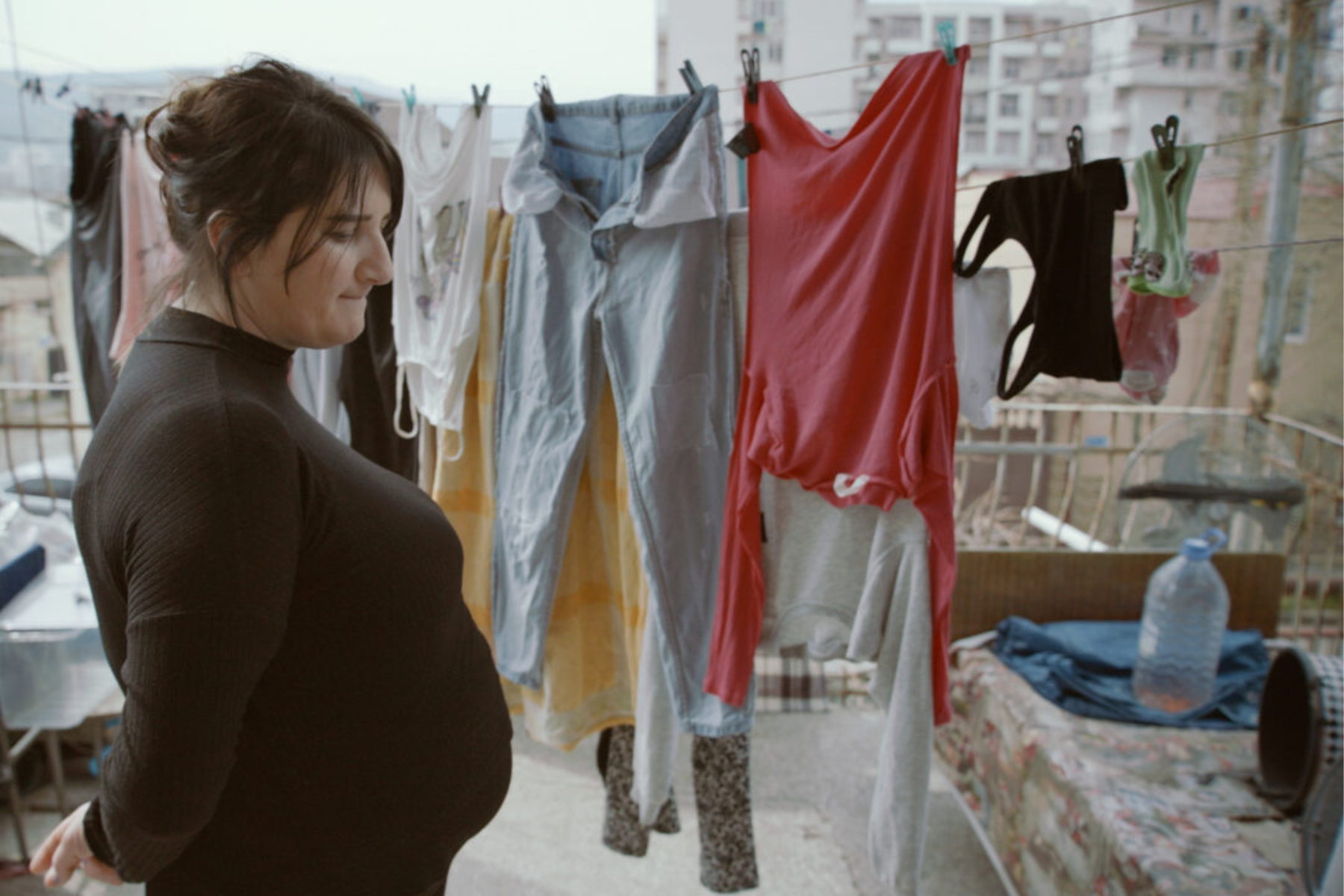
Georgian director Ketevan Vashagashvili’s debut feature-length documentary follows Zhana and her teenage daughter Elene, who Vashagashvili previously filmed 12 years ago while the two were living on the streets of Tbilisi.
Since then, the pair have been housed, with Zhana working shifts at a Spar (a grocery chain) and Elene becoming a star pupil at her school. However, the €1.50 an hour wage Zhana receives is not an adequate salary to support two people, especially in a city known for its relatively high-cost of living, leaving many in family homes well into adulthood. To alleviate some of the financial burden, Zhana ended up turning to surrogacy, a growing industry in Georgia and one with little oversight.
The film won a cinematic human rights award for its sensitive portrayal of parenthood and surrogacy in Georgia and was the highlight of OC Media’s coverage of the Tbilisi International Film Festival.