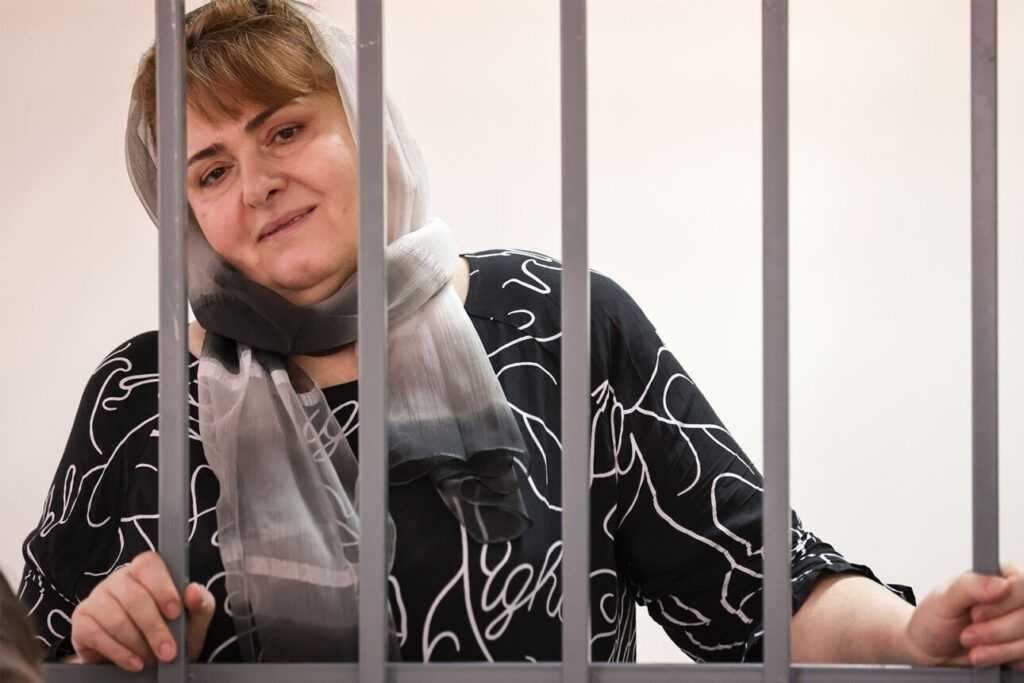
A group of lorry drivers from Daghestan currently in Iran have recorded a video appeal asking for help, saying they had been unable to leave the country for more than 15 days due to the closure of the border with Azerbaijan amidst the ongoing war in Iran.
The video appeal was published on 6 March on the Telegram channel of Shamil Khadulaev, chair of Daghestan’s Public Monitoring Commission.
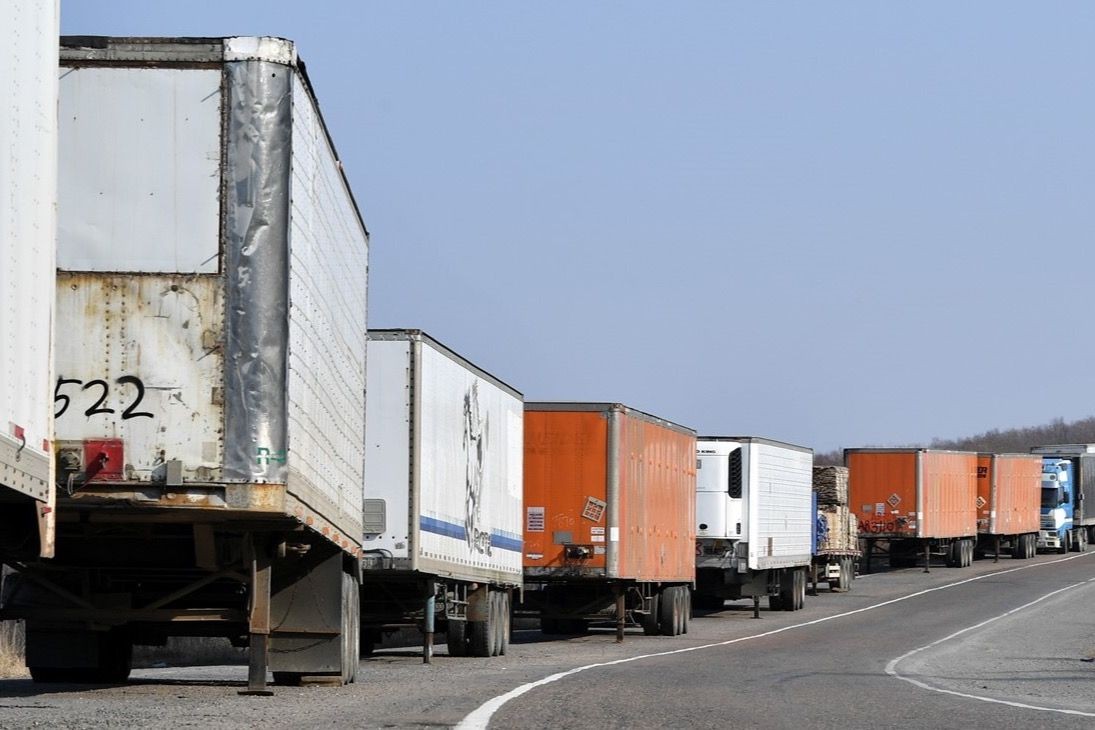
In the appeal, the men identified themselves as Daghestani drivers and said that more than 1,500 freight vehicles had gathered on the border with Azerbaijan. According to them, many drivers have already been in the country for more than two weeks.
‘We are running out of fuel, we have run out of money, and no one is letting us through. We have called the [Russian Embassy], but no one answers the phone. Please help us. Assist us so we can leave’, one of the participants in the video appeal says.
After the border crossing was closed, some vehicles were still able to leave — around one hundred trucks crossed the border during the night of 5–6 March, according to local news agencies. However, they report that around 1,400 vehicles were still waiting for permission to depart.
Khadulaev also published a message he claims was from another driver who said that around 1,000 lorry drivers were currently in Iran and that the reason for the delay was the closure of the Azerbaijani border.
‘Everyone’s mood is normal, no one is creating panic. As usual, we go into the city, and we are warned to carry our passports with us. Today at the parking area near the port we were also told to park our vehicles in such a way that we could leave at any moment in case of an attack,’ the message said.
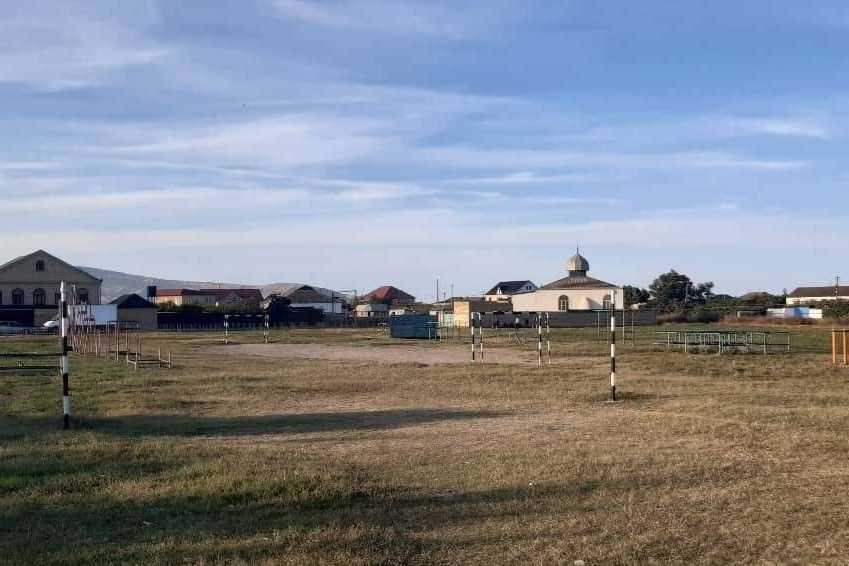
The drivers say they are in Astara — a border point on the route connecting Iran and Azerbaijan. One of the main road trade routes linking Iran, Azerbaijan, and Russia passes through this crossing.
Azerbaijan closed the border with Iran at around 17:00 on 5 March in response to a drone attack on the Azerbaijani exclave of Nakhchivan, which resulted in at least four civilians being wounded and damage caused to the airport and other nearby facilities.
Iran’s President Masoud Pezeshkian called Azerbaijani President Ilham Aliyev over the weekend, denying that the attack originated from Iran, and pledging to investigate it.
On the Azerbaijani side of the border, about 150 trucks are currently heading towards Iran, around 50 of which belong to Daghestani transport companies, Makamagomed Khazhabagandov, head of the Dagestani regional public organisation Association of Road Carriers, told the independent Russian media outlet Caucasian Knot.
On the Iranian side, according to Khazhabagandov, around 800 loaded trucks and another 200 empty lorries that arrived to collect goods were waiting to leave.
He added that an office supporting Russian freight carriers operates at the Payaneh Astara cargo terminal on the Iranian–Azerbaijani border. According to Khazhabagandov, staff there provide drivers with legal assistance and help resolve issues related to cargo documentation or the return of driving licences. However, matters connected with the closure of the state border fall outside their authority.
‘As I was told by the freight carrier support office, Russian Deputy Prime Minister Aleksei Overchuk has become involved in resolving the situation with the closure of the Azerbaijani–Iranian border. There is preliminary information that the border may be reopened soon’, Khazhabagandov said on 6 March.
According to him, trucks mainly transport fruit and vegetables from Iran to Russia. A prolonged standstill at the border could lead to spoilage of goods and significant losses for carriers.
Speaking to OС Media, Khazhabagandov confirmed the number of truck drivers who are unable to cross the border, but said that the situation changed on Monday morning when Azerbaijan allowed the transit of vehicles from Iran with Russian license plates.
‘We can say that the situation has been successfully resolved,’ Khazhabagandov told OС Media
Russia’s Ministry of Transport said that organised departures of vehicles through the Iranian–Azerbaijani Astara checkpoint are continuing, although the rate at which trucks are being allowed to pass remains low.
A significant share of agricultural products from Iran enters Russia via this route, including fresh fruits, vegetables, and dried fruits.
Vladlen Zolotaryov, the CEO of ABIPA and an expert in international logistics, told the Russian media outlet Delovoy Petersburg (Business Saint Petersburg) that agricultural food products account for more than half of Iran’s exports to Russia. According to him, the total trade turnover between the countries in 2024–2025 exceeded $4.8 billion.
Zolotaryov noted that any disruption on this route could quickly affect prices, as replacing such volumes of supplies was difficult.
In addition, a prolonged delay at the border could lead to shortages of certain products in regions of the North Caucasus. This includes products such as tomatoes, lemons, grapefruits, grapes, peppers, and cherries, which are traditionally supplied from Iran during the winter and spring seasons.
 Nate Ostiller