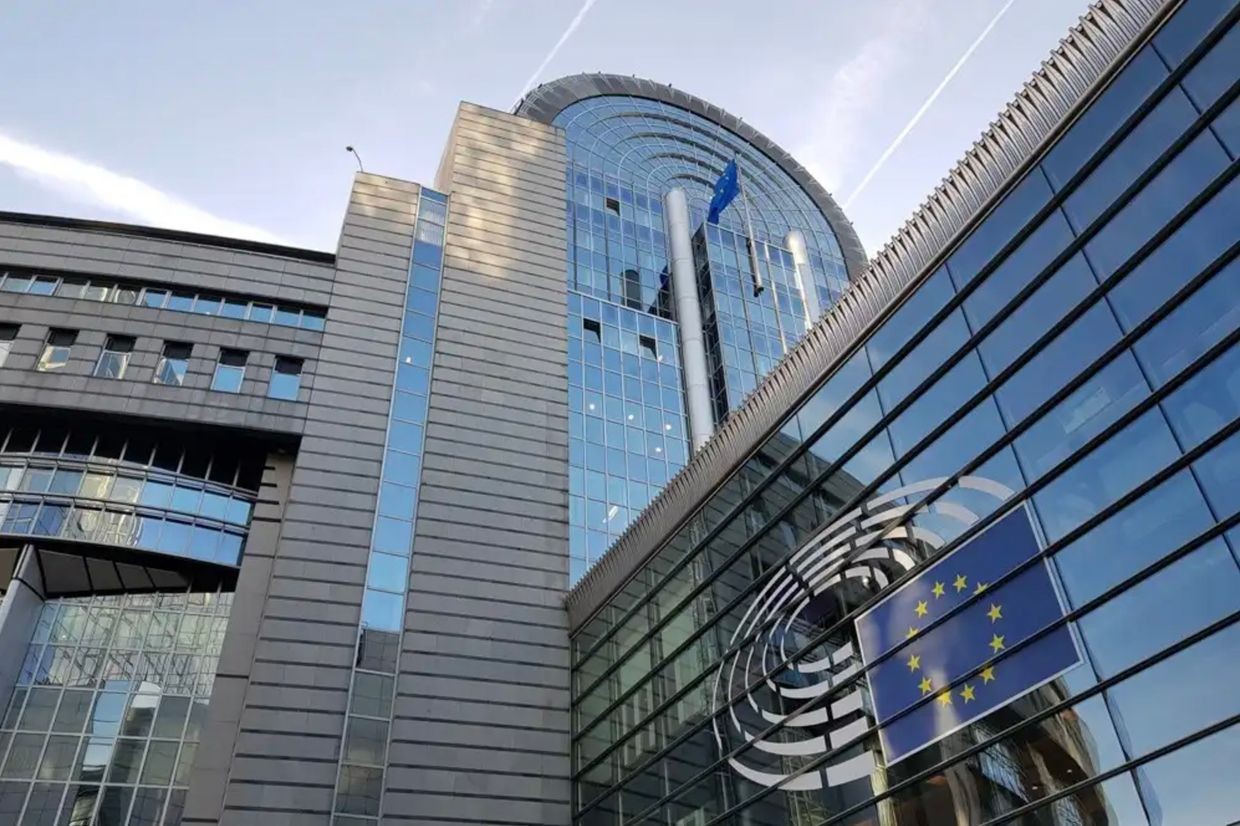
The EU Parliament has adopted a new resolution condemning the human rights situation in Azerbaijan and the imprisonment of researchers Bahruz Samadov and Igbal Abilov, on 18 December. They also called on the Azerbaijani government to release all political prisoners.
The resolution emphasised that the number of political prisoners has increased to almost 400, noting that ‘among them [are] civil society activists, opposition leaders, journalists, academics, and human rights defenders’.
The EU Parliament resolution stated that researchers Samadov and Abilov were detained on trumped-up charges and had their rights violated.
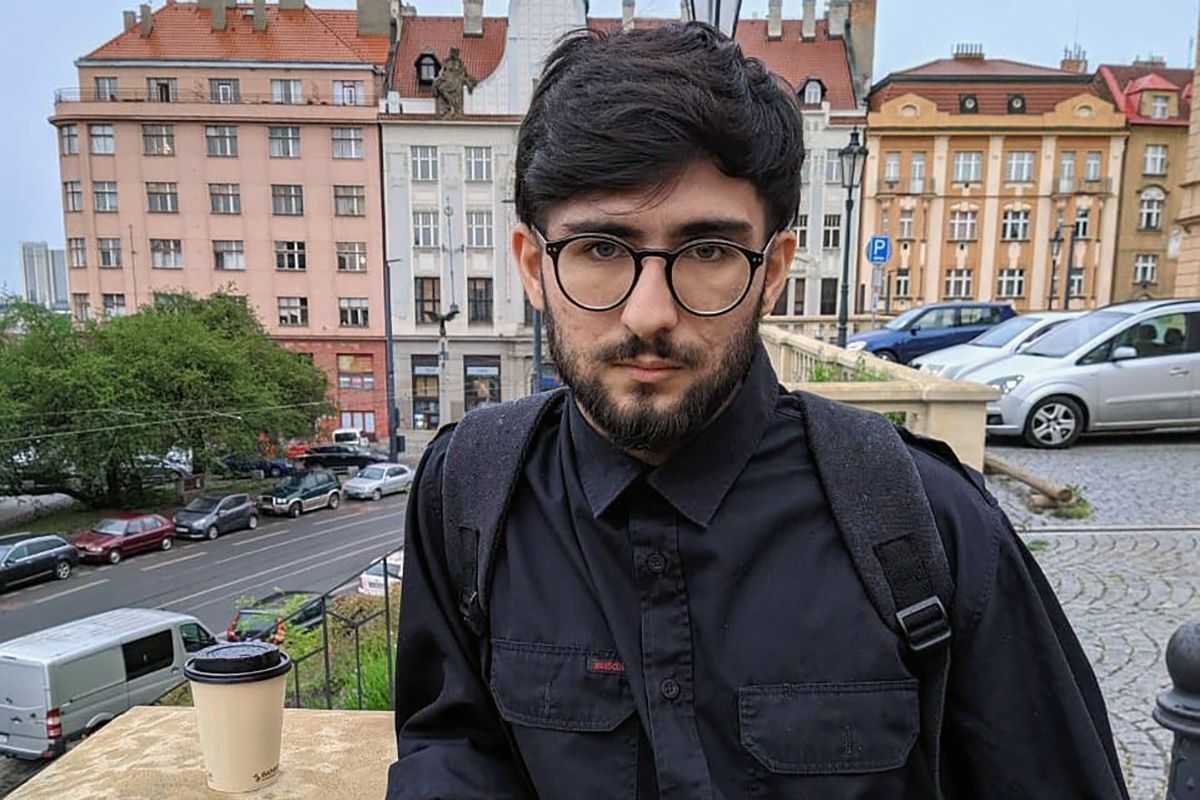
Samadov, who is an OC Media contrubuter, disappeared on 21 August 2024 while visiting Baku from Prague, where he is a PhD candidate at Charles University.
 Aytan Farhadova
After two days of silence, officials confirmed that he had been detained, with Baku’s Sabail District Court that afternoon confirming that he was being charged with treason.
Samadov has denied the charges against him, calling the accusations of high treason fabricated. In his testimony, he has stated that there was no evidence to support the accusations that he had collaborated with the Armenian security services.
In June 2025, he was sentenced to 15 years in prison.
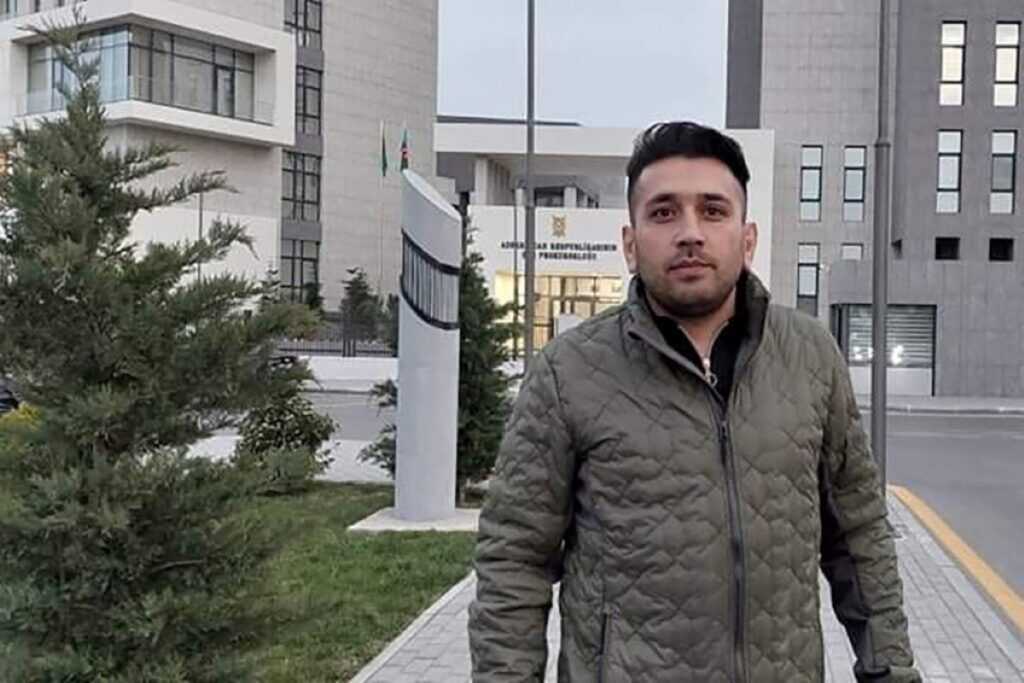
The same accusations were faced by Talysh researcher Abilov, the editor-in-chief of the Talysh National Academy News magazine.
Aytan Farhadova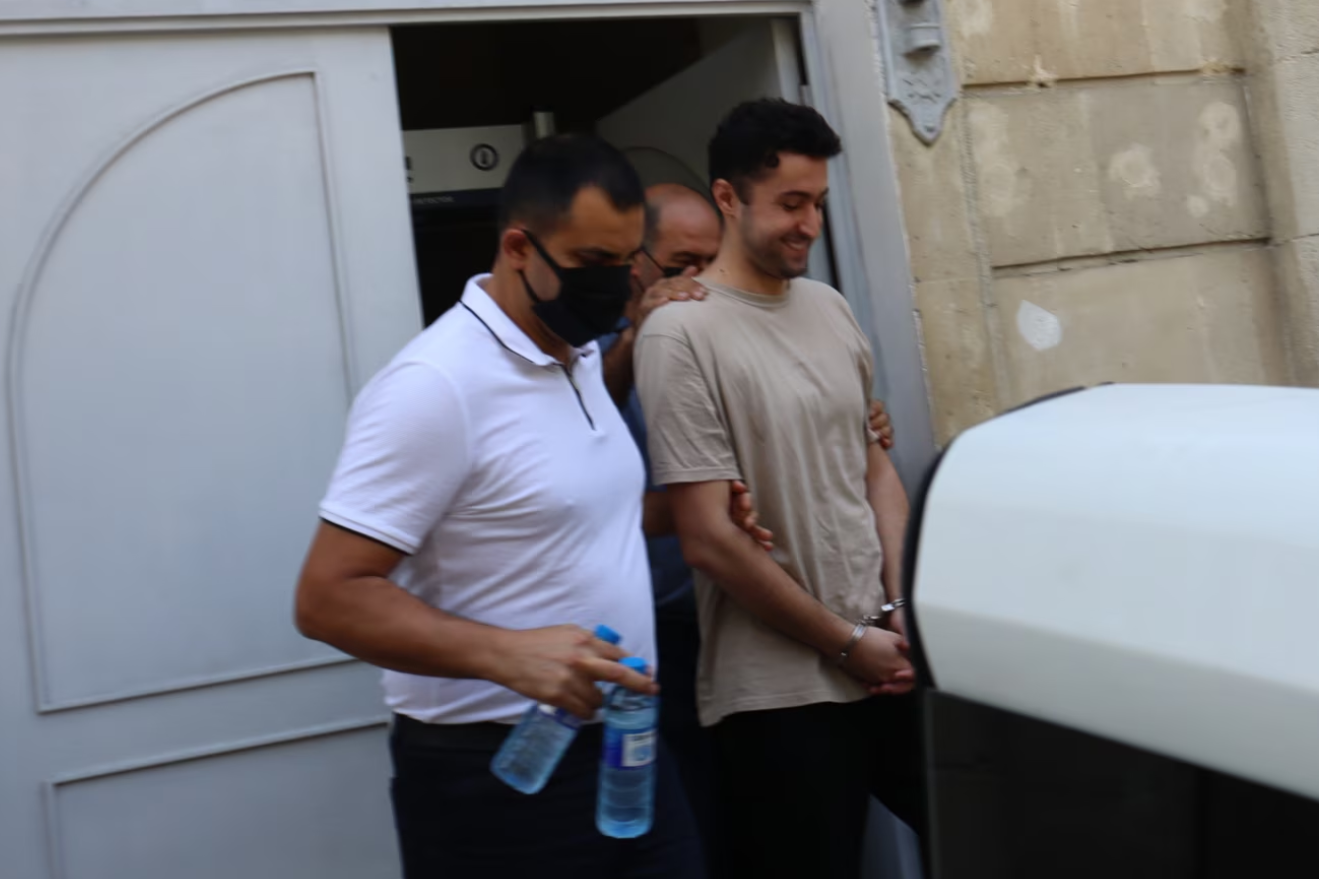
The pro-government media outlet Qafqazinfo.az reported that Abilov had been accused of working with the Armenian security services, and had been ‘organising activities’ against Azerbaijan’s territorial integrity, ‘attracting disruptive forces from different countries’, and ‘taking action aimed at creating hatred and enmity on ethnic grounds’.
Abilov was sentenced to 18 years in prison in May on charges of high treason. He has denied all charges during almost a year of pre-trial detention and the subsequent trial.
Both of the researchers’ trials were held behind closed doors. It was noted in resolution that these cases also violated the standards for conducting trials.
The resolution included the cases of economist scientists Gubad Ibadoghlu and Fazil Gasimov too.
Ibadoghlu was arrested in July 2023 and accused of the production, acquisition, or sale of counterfeit money or securities committed by an organised group. Later, he was charged with the preparation, storage, or distribution of religious extremist materials.
In April 2024, he was released to house arrest, where his health reportedly continued to deteriorate.
Gasimov was convicted as an associate of economist Ibadoghlu and accused of conspiring with him.
He was sentenced to nine years of prison in March 2025.
The resolution also calls for the immediate release of the opposition leader Ali Karimli.
Aytan Farhadova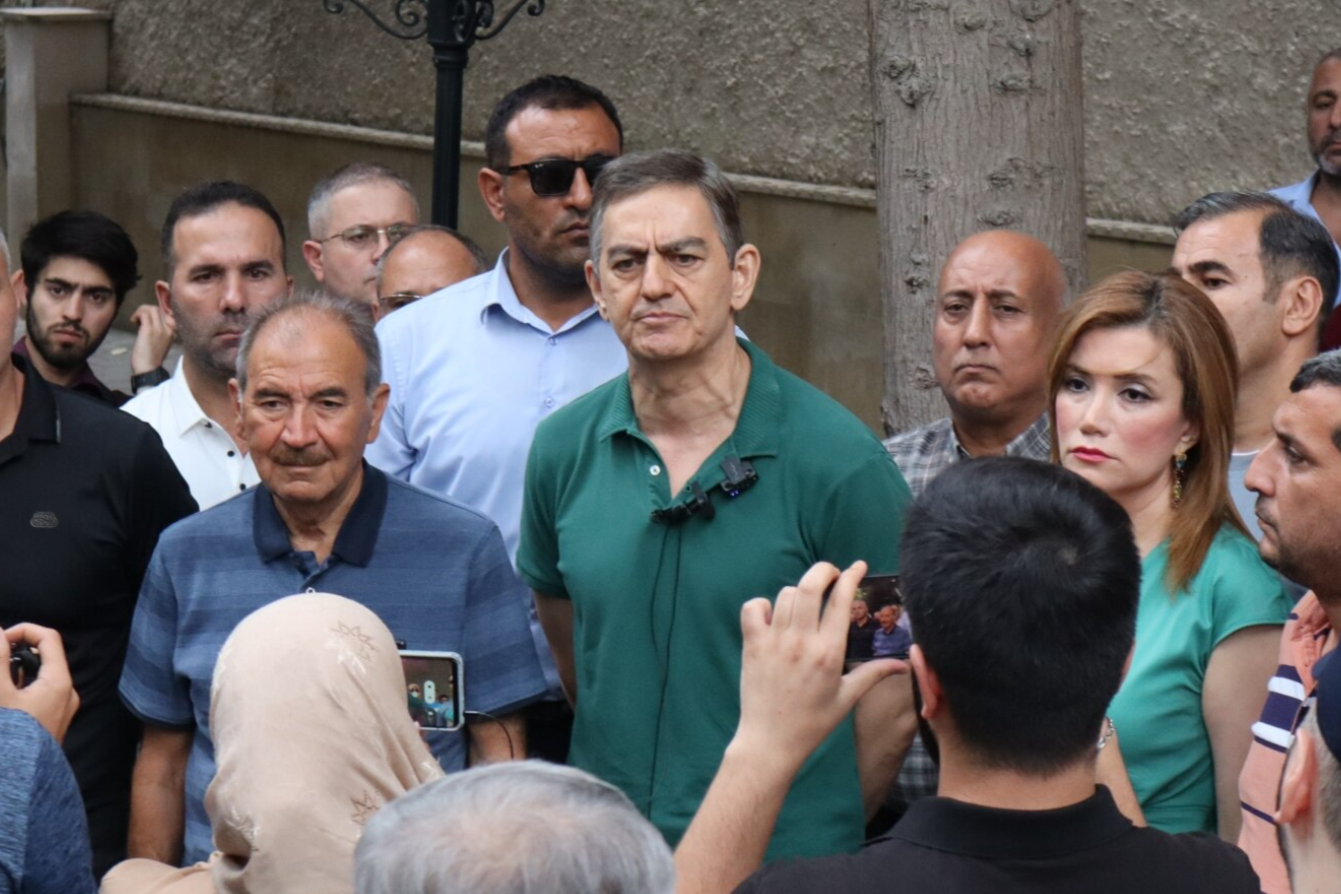
‘Karimli was arrested on alleged coup charges as part of the ongoing consolidation of authoritarian practices in Azerbaijan’, the resolution read, adding that the European Parliament ‘strongly condemns the arrest of Karimli’.
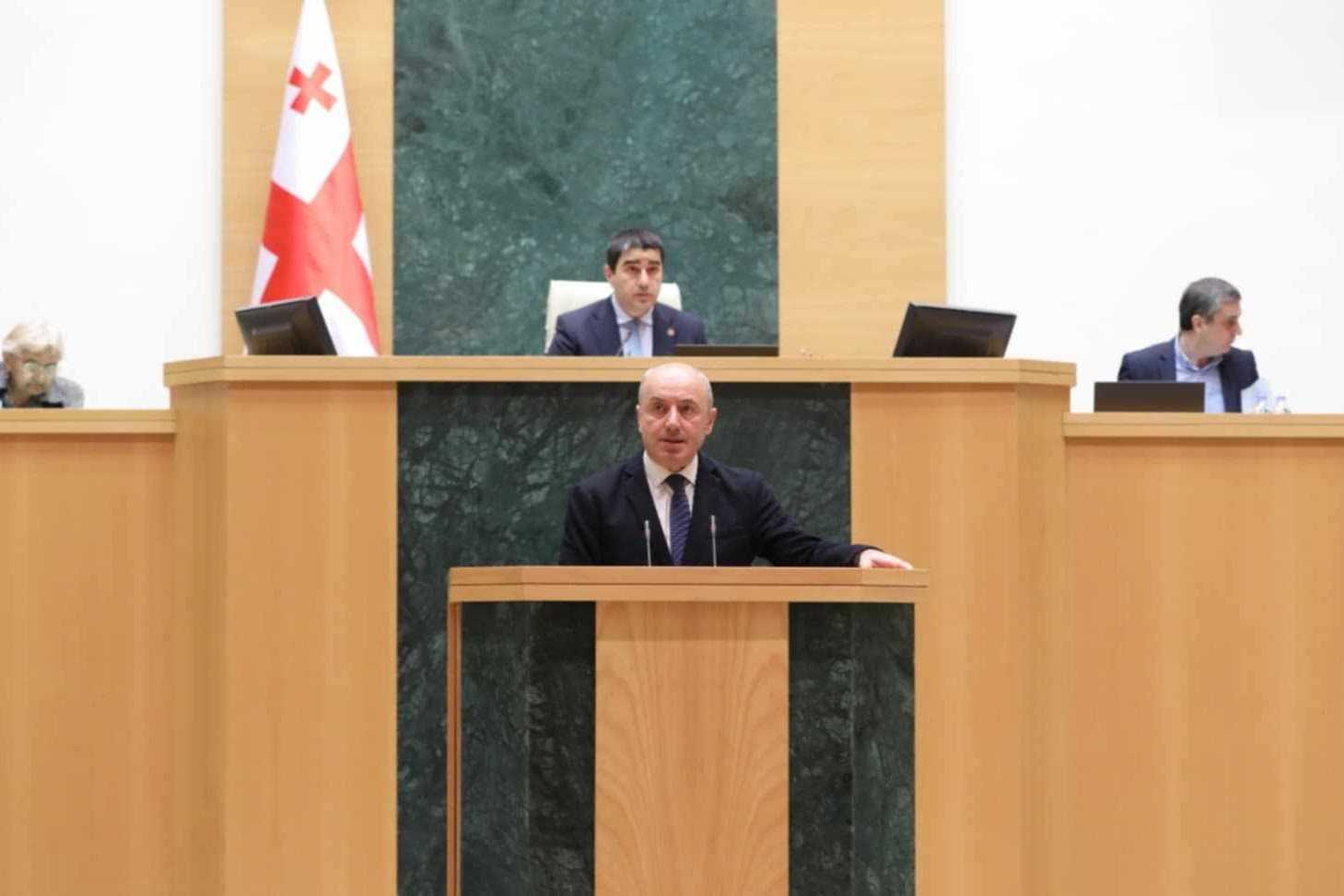
The Azerbaijani Parliament issued a statement in response to the resolution the following day, calling it ‘an attempt to discredit the rule of law and interfere in judicial proceedings’, and claiming that ‘facts have been made public that demonstrate the deep-rooted corruption and bribery within the European Parliament’.
They additionally claimed that the European Parliament had turned into a forum where ‘Islamophobic and Turkophobic tendencies are clearly evident’.
Human rights lawyer Samad Rahimli, who lives abroad, wrote that the resolution ‘fully meets the national interests’ of Azerbaijan, and that it creates ‘the basis for national reconciliation’.
Rahimli added that the Azerbaijani Parliament ‘gave an offensive response to the European Parliament’s position, which is wrong’.
‘The European Parliament did not use humiliating language regarding Azerbaijani institutions in the adopted resolution. It expressed its critical position on the current human rights situation in Azerbaijan using the most neutral language possible and made reasonable recommendations’, Rahimli wrote.
MP Rizvan Nabiyev was among those who criticised the resolution, saying ‘it demonstrates the bias of the European Union’s policy toward peace, normalisation, and confidence-building processes in the region’.
According to pro-government media outlet APA, Nabiyev said that the hearings on Azerbaijan in the European Parliament ‘are an attempt to disrupt the peace process’.
‘The mechanism known as the “European Peace Facility” was recently reactivated for militaristic purposes, with the announcement of a €20 million ($23 million) allocation for the militarisation of Armenia. Armenia’s evasion of sanctions imposed by the EU in connection with the Russia–Ukraine war is being ignored, and Armenia plays a key role in transporting sanctioned European goods to Russia. The EU, in turn, is imposing sanctions against five Azerbaijani vessels’, Nabiyev said.
Rasmus Canbäck
This article was translated into Armenian and republished by our partner CivilNet.
This article was translated into Russian and republished by our partner SOVA.