Four Ingushetia residents sentenced to lengthy prison terms for participation in Caucasus Emirate

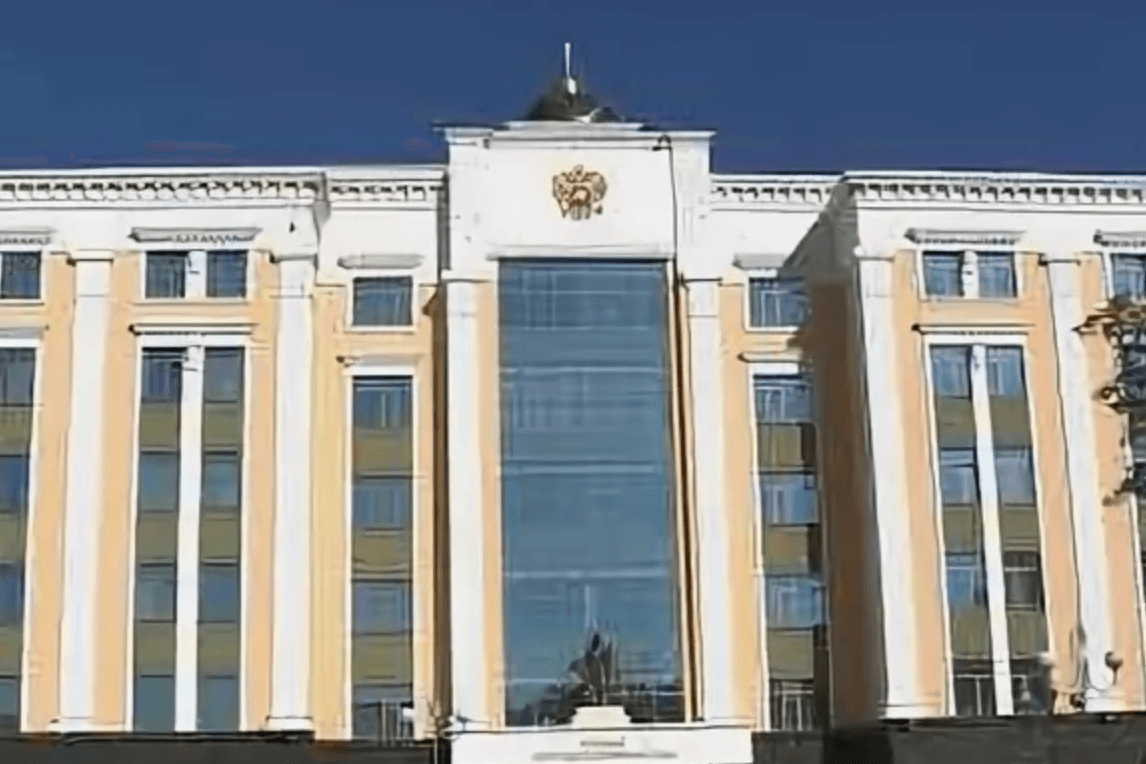
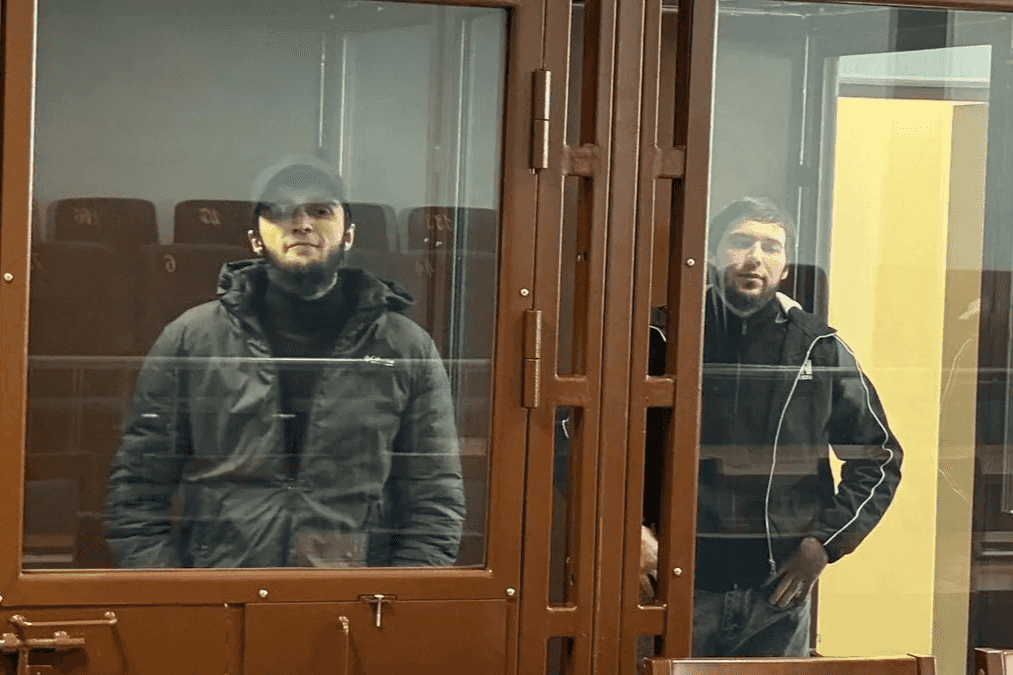
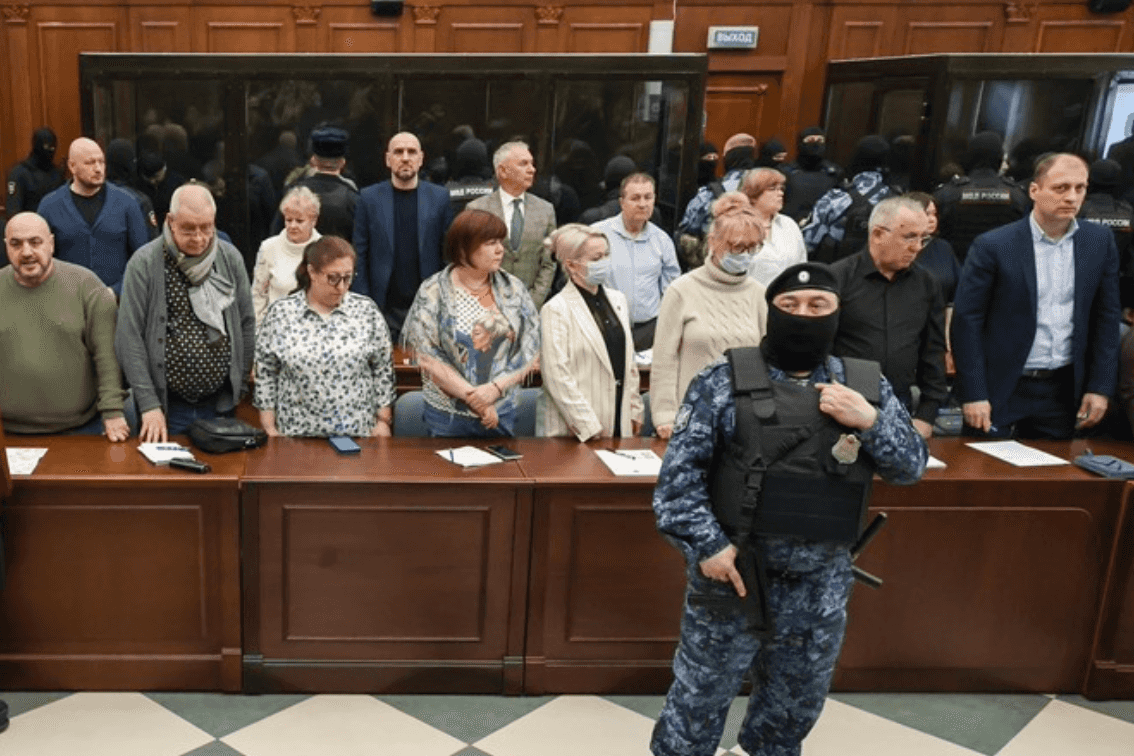
The Southern District Military Court in Rostov-on-Don has delivered a verdict against four natives of Ingushetia accused of involvement in the organisation Caucasus Emirate, which is banned in Russia. Arbi Bataev, Iriskhan Mereshkov, and two brothers, Adam and Timur Kodzoev, have been sentenced to prison terms ranging from 17 to 20 years.
According to the court press service, the convicted men will serve their sentences in a maximum-security prison, with the first several years to be spent in prison. In addition, each of them has been fined between ₽600,000 ($7,800) and ₽660,000 ($8,600).
According to the verdict, delivered on Thursday, Bataev received 17 years in a penal colony, with the first six years to be served in a prison, and a fine of ₽600,000. Adam Kodzoev was sentenced to 19 years in a penal colony, of which the first seven years must be served in prison, and a fine of ₽660,000. Timur Kodzoev was given 18 years in a penal colony, with six years to be served in prison, and a fine of ₽600,000. Mereshkov received the longest sentence — 20 years in a penal colony — with the first seven years to be served in prison, and a fine of ₽660,000.
The verdict was on a variety of charges including participation in the activities of a terrorist organisation and an illegal armed formation and illegal trafficking in weapons and explosives. During the court hearings, all of the defendants pleaded not guilty. The verdict has not yet entered into legal force and may be appealed to the Military Court of Appeal.
According to the prosecution, between November 2013 and January 2020, the accused were members of an illegal armed formation linked to the Caucasus Emirate. Investigators claimed that they supported the activities of the formation by transporting other participants, finding housing for their secret residence, and illegally storing firearms, ammunition, and explosives.
Case materials stated that the defendants allegedly helped persons on the wanted list to move covertly around Ingushetia, including Yusup Bunguev, who was later killed during a counter-terrorism operation. According to the official version, Bunguev blew himself up with an explosive device during an operation by security forces in the village of Ali-Yurt in the Nazran district in August 2020. The Federal Security Service (FSB) described him as the leader of one of the groups subordinate to Chechen militant leader Aslan Byutukaev, who was killed in January 2021.
All of the current defendants were detained in October 2021, and their case was sent to court in October 2022. As a result, the judicial proceedings lasted more than three years.
In January 2025, a new criminal case was opened against Adam Kodzoev. According to the FSB, he took part in the hostage-taking at pre-trial detention centre No. 1 in Rostov-on-Don on 16 June 2024 and, together with other inmates, allegedly intended to travel to Ingushetia after escaping from the detention centre to ‘join local participants of illegal armed formations’ in order to ‘carry out a series of diversionary and terrorist acts on the territory of the republic’. Prior to this, there had been no reports of Kodzoev’s involvement in the hostage-taking at the detention centre.
 Elizaveta Chukharova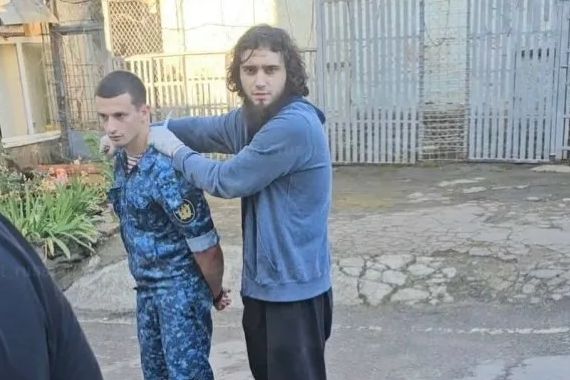
At that time, a group of inmates took two Federal Penitentiary Service officers hostage. During the assault, the hostages were freed. Security agencies stated that the attackers had been ‘liquidated’, but later information emerged that two of them had survived. According to updated data, seven people in total took part in the attack.
The Caucasus Emirate was recognised as a terrorist organisation by a decision of the Russian Supreme Court in 2010 and banned. According to the Russian security services, it took part in attacks on law enforcement officers, soldiers, and members of the Islamic clergy loyal to the Russian authorities.