Georgia has announced it will abolish the Administration of South Ossetia, a body created to rival the South Ossetian government in 2006, criticising it as a legacy of the formerly ruling United National Movement (UNM) party and saying its creation had been ‘imposed’ on Georgia by ‘external forces’.
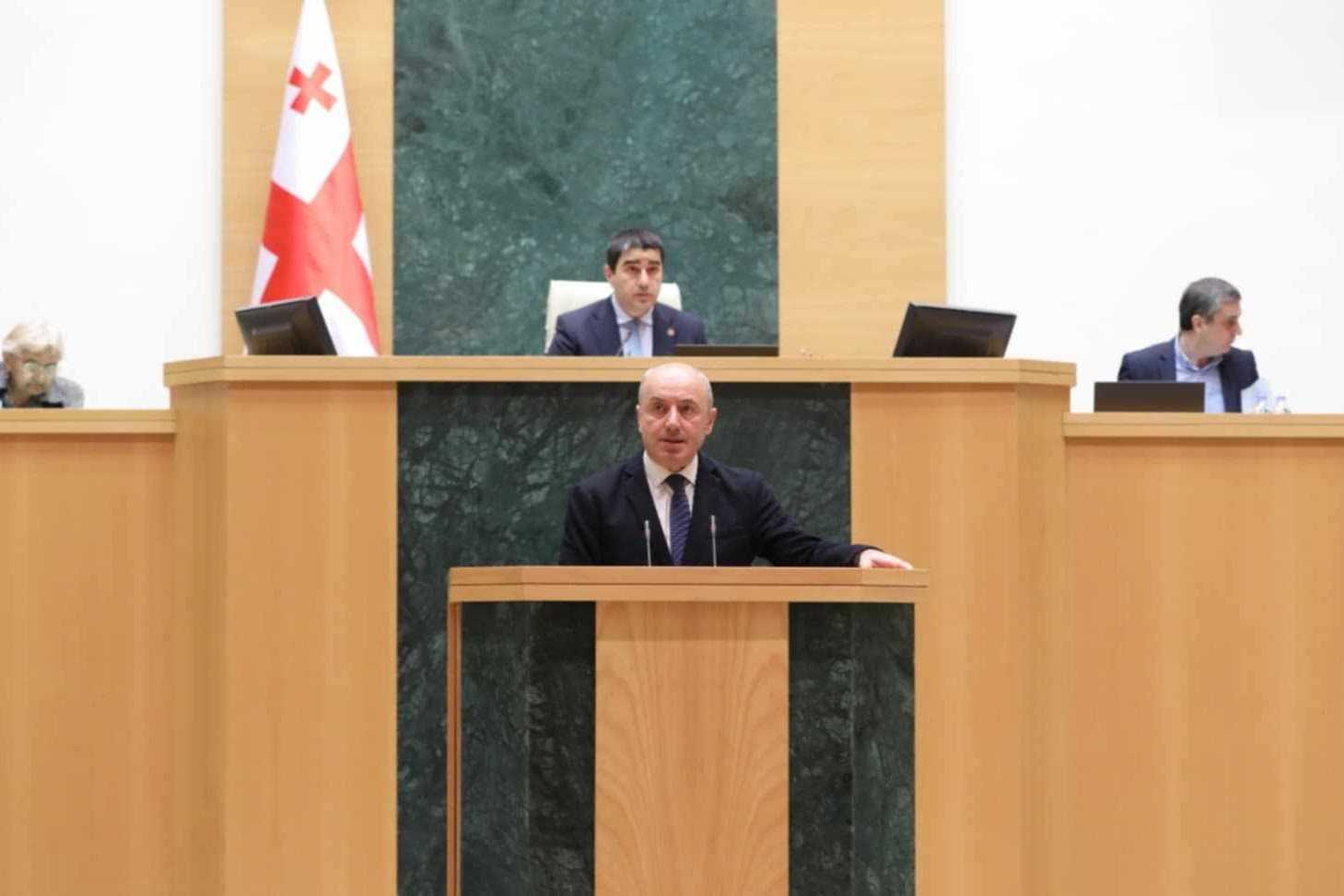
Georgian Parliamentary Speaker Shalva Papuashvili announced the decision on Monday.
The administration, which was supported by then President Mikheil Saakashvili, was set up in 2006 after the People of South Ossetia for Peace movement, a group opposed to South Ossetia’s independence from Georgia, organised ‘alternative’ presidential elections in South Ossetia, in areas both controlled and not controlled by the central government.
The ‘alternative’ vote took place in parallel to presidential elections in South Ossetia that saw President Eduard Kokoity retain power. Dmitry Sanakoev emerged as winner of the alternative elections.
Following the elections, in April 2007, Georgia announced the creation of a temporary Administration of South Ossetia, appointing Sanakoev as its head in May of that year. The administration oversaw areas of South Ossetia which were at the time still controlled by Tbilisi, before losing much of its relevance following the 2008 August War.
Sanakoev survived what appeared to have been an assassination attempt in July 2008, a month before the outbreak of the war.
In his Monday press briefing, Papuashvili criticised the UNM for backing the ‘alternative government of South Ossetia’, saying that by doing so, they ‘indirectly legitimised the separatist elections in the Tskhinvali [Tskhinval] region, which was a clear and grave betrayal of Georgia’s state interests’.
He said that the creation of the temporary administration was a constitutional violation, and had ‘artificially restored the administrative borders of the South Ossetian Autonomous Oblast, which had been abolished in 1990’.
Papuashvili also said the move was a contributing factor to the August 2008 War, while repeating his government’s unsubstantiated claims that the war was instigated by unnamed ‘external forces’.
‘Today, it is already clear that this decision taken by the Saakashvili regime, which led to the escalation of the situation in the Tskhinvali region and to war, was part of a geopolitical game played by external forces, in which Georgia was assigned the role of a sacrificial pawn’, Papuashvili said.
Other senior Georgian Dream officials have since also criticised the South Ossetia Administration, including Prime Minister Irakli Kobakhidze, who called its creation a ‘betrayal’.
‘We talk with our international partners to stop them using the wording “South Ossetia” and to use “Tskhinvali region” instead, and yet we ourselves use “South Ossetia” in our legislation’, Kobakhidze said.
He also cited the creation of the South Ossetian Administration as a factor behind the government’s constitutional lawsuit against the opposition.
The lawsuit at the Constitutional Court is based on a report issued by a Georgian Dream-led parliamentary commission created to investigate the opposition. Among the report’s most controversial aspects is its insinuation that Georgia was responsible for provoking the August 2008 War, which critics argue downplays Russia’s responsibility for the war. A number of family members of Georgian soldiers who died during the war as well as some current and former military personnel have joined the criticism.
 Yousef Bardouka
Kakha Kaladze, Tbilisi Mayor and Georgian Dream Secretary General, also spoke in favour of the move.
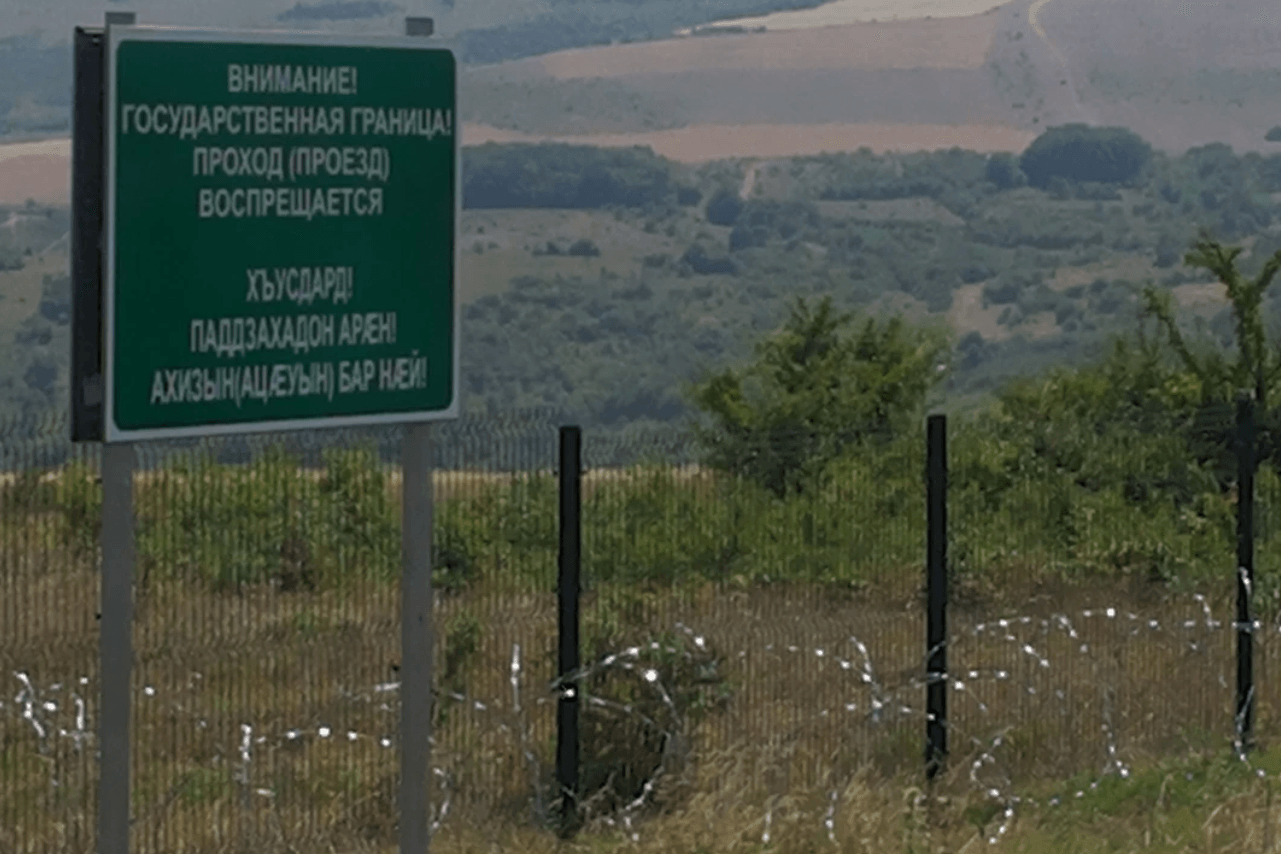
‘There is no South Ossetia, there is Samachablo, it was an integral part of Georgia; today, unfortunately for us, it is temporarily occupied by the Russians, and this is the reality’, Kaladze said.
South Ossetia’s Foreign Ministry was quick to respond to both Papuashvili and Kaladze, saying that the ‘approaches and rhetoric of the Georgian leadership towards South Ossetia have not changed significantly in recent years’.
‘Despite some conciliatory tone emanating from Tbilisi, we once again note the use of destructive terminology and value judgments of [former President Zviad] Gamsakhurdia and Saakashvili times, accusations of “Russian occupation”, etc. in the official agenda’, the statement continued.
‘Obviously, this situation is a reflection of the acute internal political struggle in Georgia. Nevertheless, we once again call on the Georgian authorities to take a real view of the political reality that has developed since August 2008. We are convinced that Georgia’s acceptance of the existing geopolitical status quo is the foundation of a path that can lead to stability and peaceful development in the region.’
Ahead of the October 2024 parliamentary elections in Georgia, Georgian Dream founder Bidzina Ivanishvili vowed to apologise to South Ossetians for the actions of the previous government during the August 2008 War, prompting anger and condemnation from relatives of soldiers killed during the war.
At the time, Ivanishvili and his party repeatedly said that they needed to obtain a constitutional majority to declare the UNM and ‘its satellite successor parties’ unconstitutional and to apologise to South Ossetians for the war.
Georgian Dream was unable to reach a constitutional majority in the elections, whose results have been disputed domestically and internationally. However, the ruling party still moved forward with its plans to ban the opposition.
Yousef Bardouka
For ease of reading, we choose not to use qualifiers such as ‘de facto’, ‘unrecognised’, or ‘partially recognised’ when discussing institutions or political positions within Abkhazia, Nagorno-Karabakh, and South Ossetia. This does not imply a position on their status.
This article was translated into Georgian and republished by our partner On.ge.