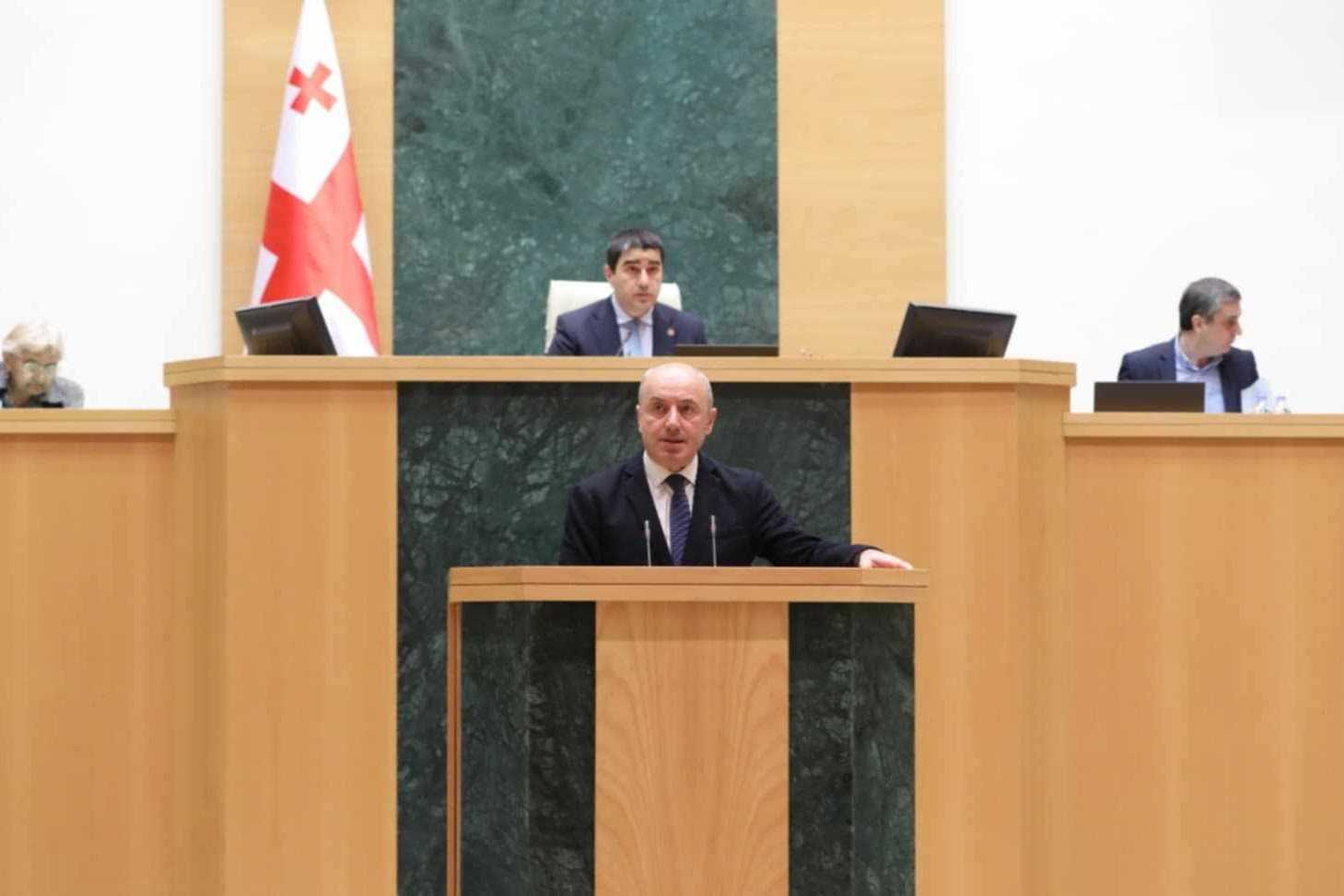
Education Minister Givi Mikanadze has announced that two of Georgia’s foremost higher education institutions — Ivane Javakhishvili Tbilisi State University (TSU) and the Georgian Technical University (GTU) — will be merged. The surprise decision sparked a spontaneous student-led protest in Tbilisi over concerns about the future of both institutions, as well as the potential impact of the ruling Georgian Dream party’s higher education reforms.
Mikanadze announced the news on Thursday, stating that the decision was made as part of an ongoing higher education reform based on ‘a comparative analysis of academic programmes, research fields, and infrastructure at state universities’. He further noted that the announcement was preceded by consultations with the rectors of each university.
‘This will serve as a catalyst for [TSU] to become a leading centre for academic and scientific development in the region and to significantly improve its international rankings’, Mikanadze said, claiming that the merger would lead to neither a reduction in student intake quotas nor cuts to academic staff.
According to him, the changes that will provide the legislative framework for merging the universities will be fast-tracked in parliament.

Georgian Dream party members quickly praised the government’s decision, with MP Gia Volski saying the merger would streamline higher education and better match labour market needs, while his colleague Archil Gorduladze added it would make TSU and GTU more competitive in rankings.
Public reaction, however, was not enthusiastic about the decision. The minister’s statement became one of the top topics of discussion on Georgian social media, sparking a flood of criticism, questions, and jokes. Even in the comment sections of pro-government media outlets, confusion and dissatisfaction were evident.
The shock was amplified by the fact students and professors, like the rest of the public, first learned about it through the news.
While stating that ‘consultations had taken place’ and that discussions on the issue had been ongoing ‘for a year’, GTU Rector David Gurgenidze told RFE/RL that he only learned of the final decision the day before Mikanadze’s briefing.
‘He does not care about our opinion’
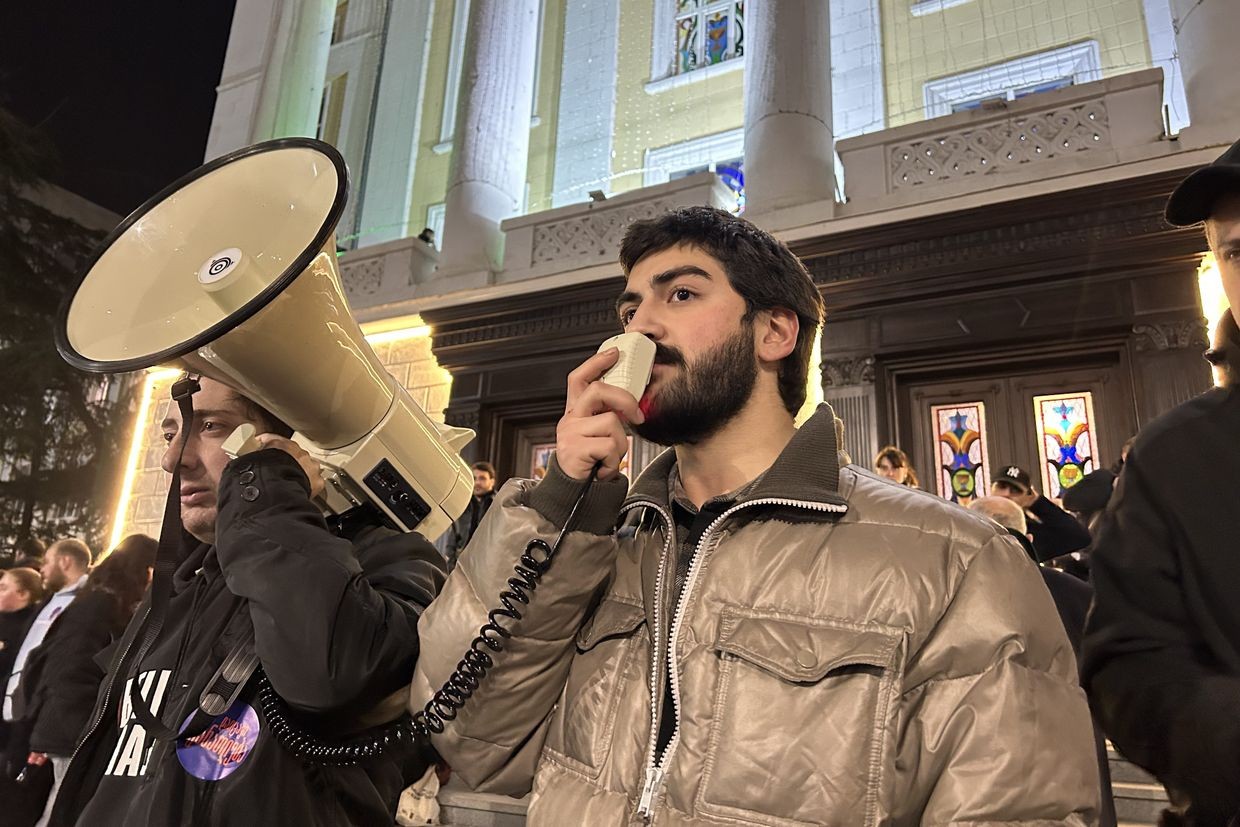
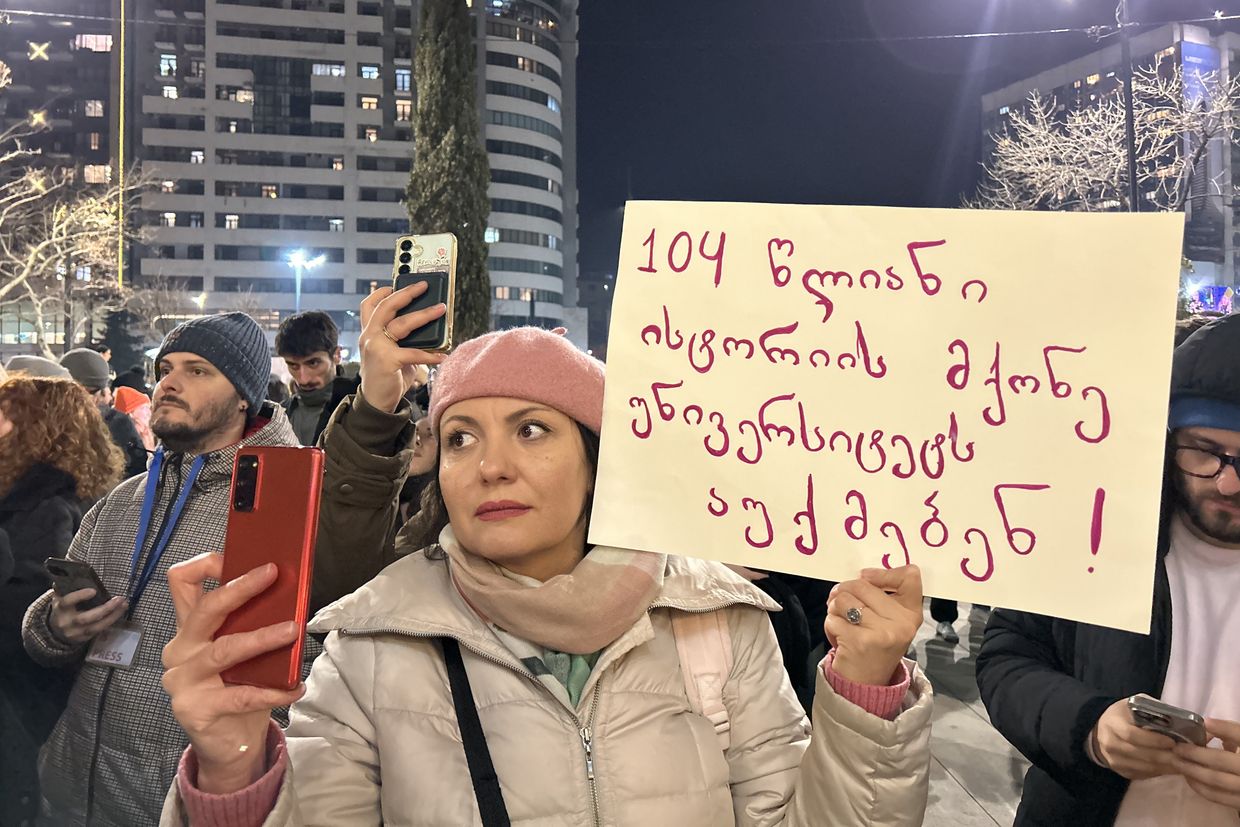
Neither university administrations publicly opposed the government’s decision. However, protests were organised Thursday evening by students from both institutions who were angered and surprised by the unexpected news. Some professors also joined them.
‘The ministry cannot decide what a university should do — that’s what university autonomy means!’ 20-year-old Luka Khizadze, a history student at TSU, shouted while speaking in the courtyard of the university’s main campus.
‘How can Minister Givi Mikhanadze simply say something and expect us to obey? He doesn’t care about our opinion — he doesn’t ask us, he doesn’t meet with students or lecturers’, he added.
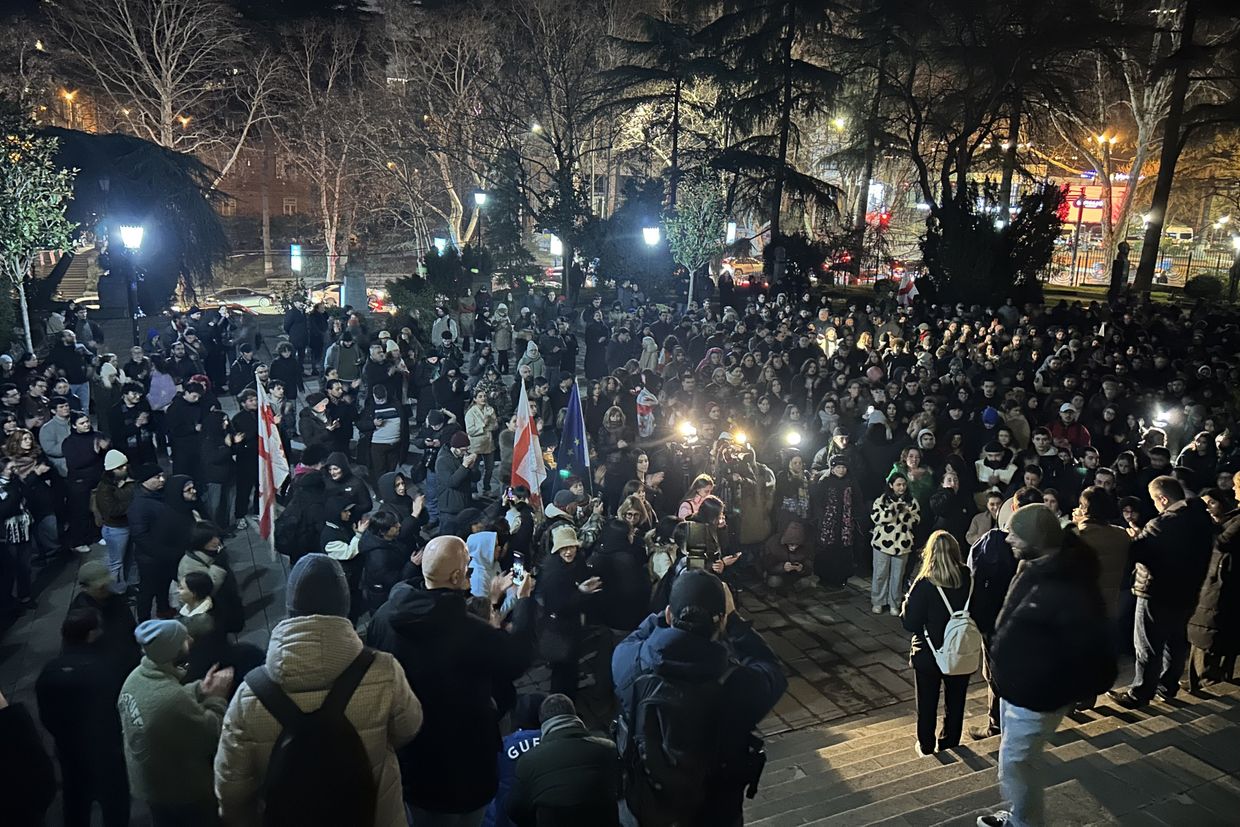
Those gathered at TSU later marched to GTU, where they joined a group of protesters present there. ‘Autonomy for the university!’ and ‘Protect education!’ were some slogans frequently heard during the march.
The spontaneous protest was accompanied by numerous unanswered questions about the reasons and grounds behind the decision to merge two institutions with distinct academic profiles.
‘We haven’t heard what this merger was based on — what data, whose idea it was, or who the experts were [that worked on this issue]’, Manana Phkhakadze, a philologist and TSU associate professor with more than 50 years of experience, told OC Media.
Several opponents of the process expressed concern that the merger would erode the identities of the two institutions. This anxiety was particularly evident among GTU protest participants. Although the details of how the merger will proceed remain unclear, Mikanadze’s statement indicated at the very least that the two institutions would be unified under the name of TSU.
‘It’s impossible to erase the history of such an institution […] half of Georgia was built by students of the GTU, and everyone knows how valuable this university is for the country’, Ketavan Khomeriki, a GTU law student, told OC Media.
Maia Benia, a professor in the Department of Engineering Economics at GTU’s Faculty of Social Sciences, shared these concerns.
‘We’ve poured ourselves into these curiculums — updating them every semester, adding new literature, revising and improving them, preparing course readers. What did we do all this for?’ she said, emphasising that she does not understand the ministry’s justification for the merger.
‘There was no discussion with the academic staff. It was announced directly — we learned about it on TV, at the minister’s briefing. Is this normal?’ Benia added.
Explaining why the process is being fast-tracked, Mikanadze said later on Thursday in an interview with the pro-government TV Imedi that it is due to the upcoming enrollment period for prospective and current students.
He noted that, by his order, a temporary governing board will be established for the purpose of merging the universities, and acting rector and deputy rectors will be appointed to oversee the reorganisation process.
‘These individuals will independently carry out the reorganisation’, Mikanadze added, asserting that the process will respect the autonomy of the country’s universities.
Controversial reform
The higher education reform, under which the two universities are to be merged, was announced by the government in October 2025. It immediately became a subject of debate.
Among other measures, the reform included a complete revision of the current grant-based university funding system, to be replaced with a state-order model.
At the same time, the government aimed to introduce a ‘one city — one faculty’ model, which would involve redistributing faculties among universities to deter what the authorities call ‘duplicated faculties’ across different state universities in the same city. The government explained this initiative as an effort to concentrate resources on the strongest disciplines within each university.
 Mikheil Gvadzabia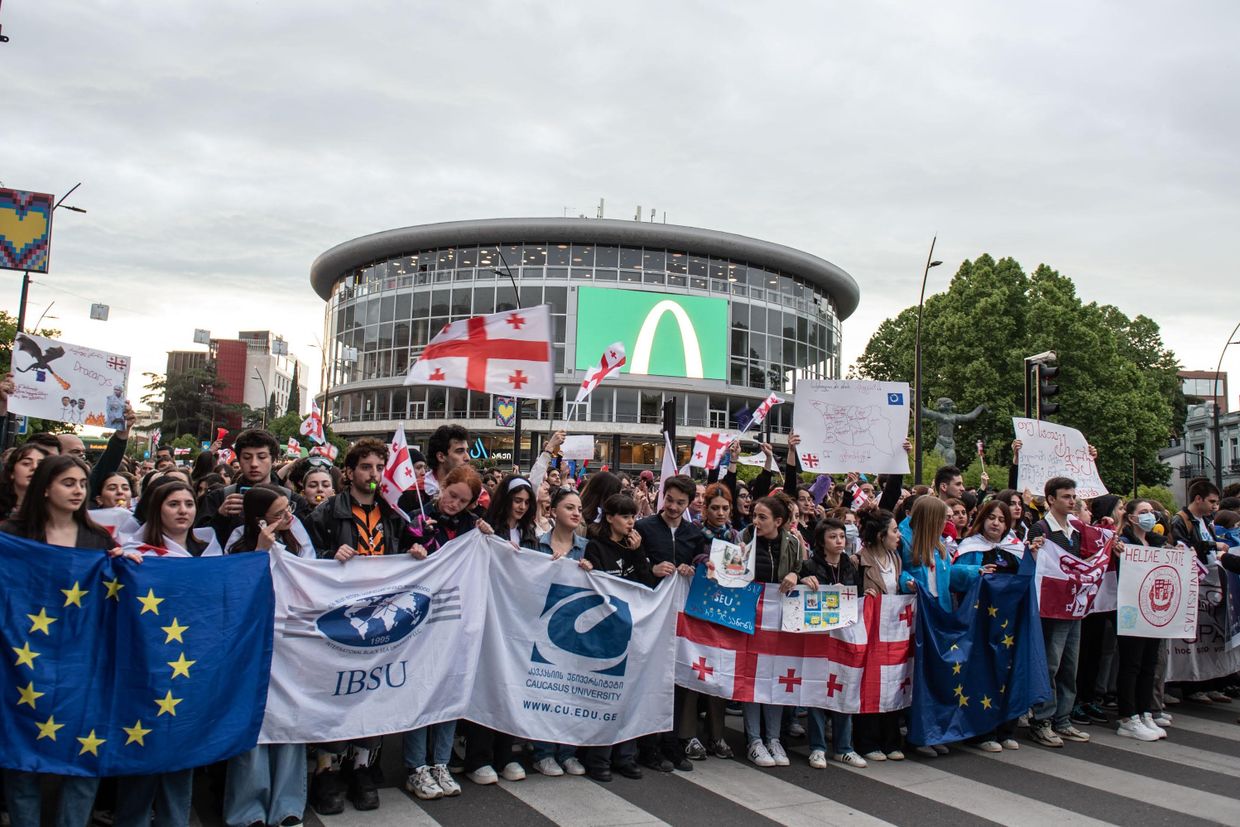
Critics, skeptical of the state’s declared intentions and promises, argued that the reform would worsen higher education rather than improve it, increasing state control — including by reducing the number of professors critical of the government.
Prime Minister Irakli Kobakhidze, who chairs the government commission overseeing higher education reform, has previously criticised opposition-minded professors of TSU, linking them to the former government under the United National Movement (UNM) party, which is reviled by Georgian Dream.
Despite the government’s claims that layoffs are not planned, similar concerns were still voiced following the decision to merge TSU and GTU.
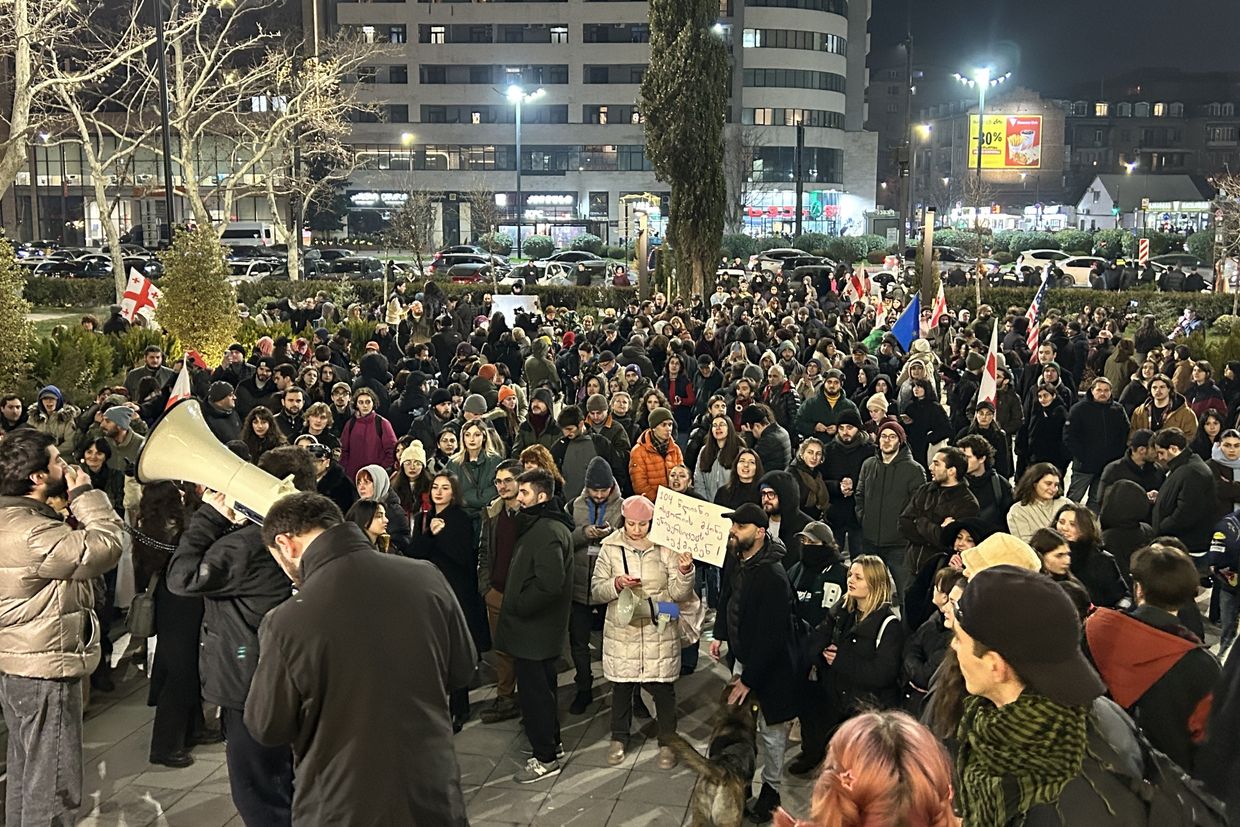
‘This is all being done precisely to reduce the number of students, push out professors, and leave only loyal staff who carry their [government’s] ideology’, Phkhakadze said while speaking with OC Media.
The Georgian Dream government is implementing changes in higher education against a backdrop of intensified pressure on critics.
The day before the announcement of the university merger, the ruling party introduced a new legislative package, once again targeting civil society, independent media, and political parties.
The changes would greatly expand the government’s control over international funding and impose lengthy prison sentences and heavy fines for violations.
Mikheil Gvadzabia