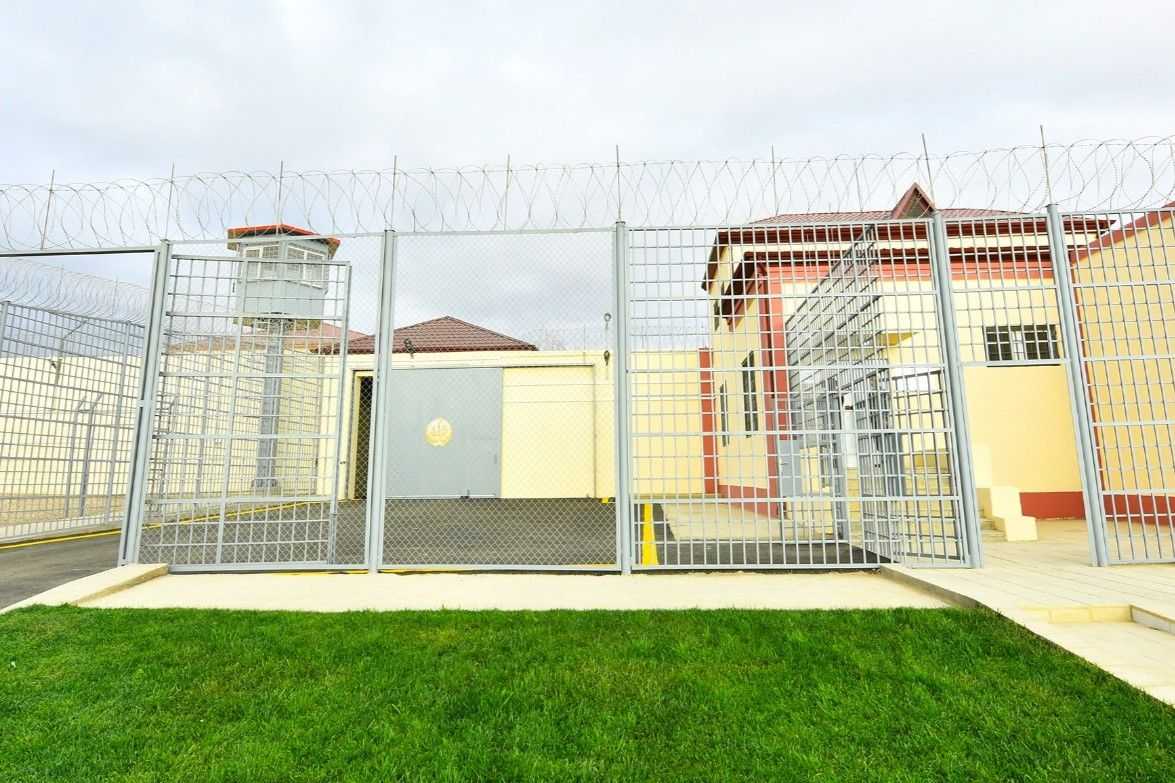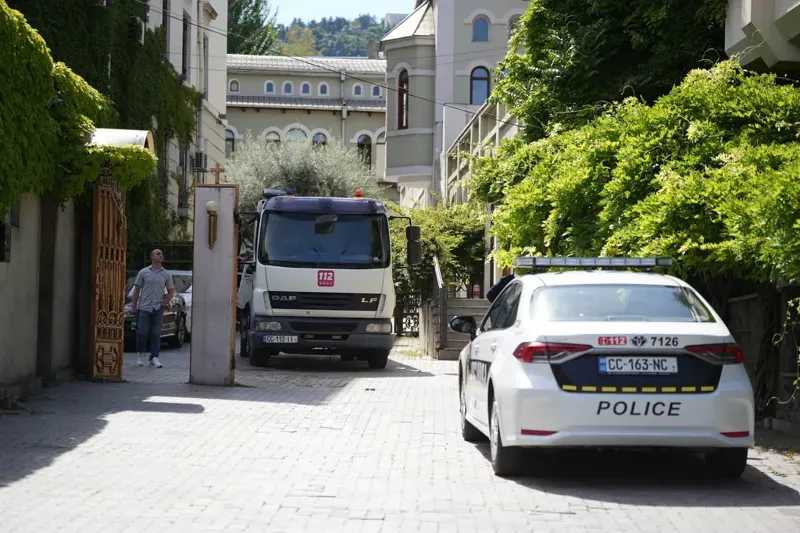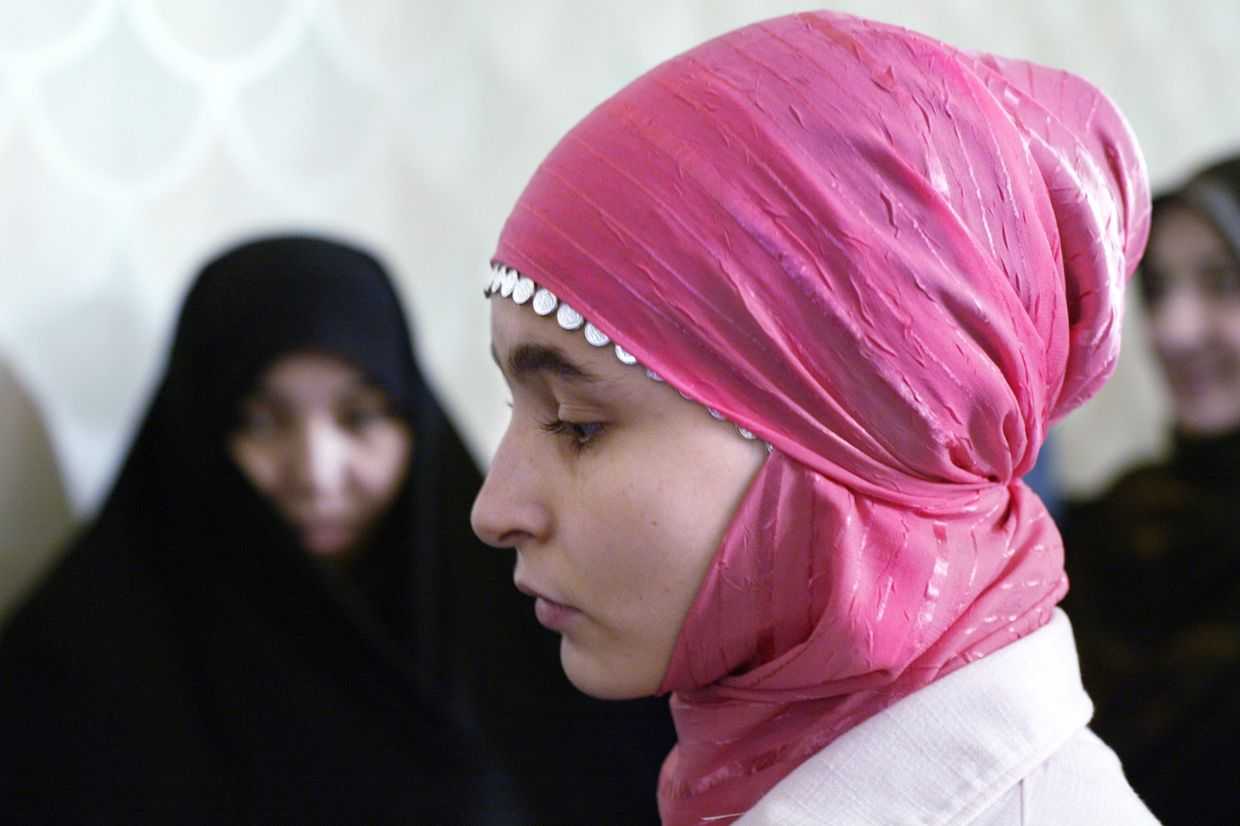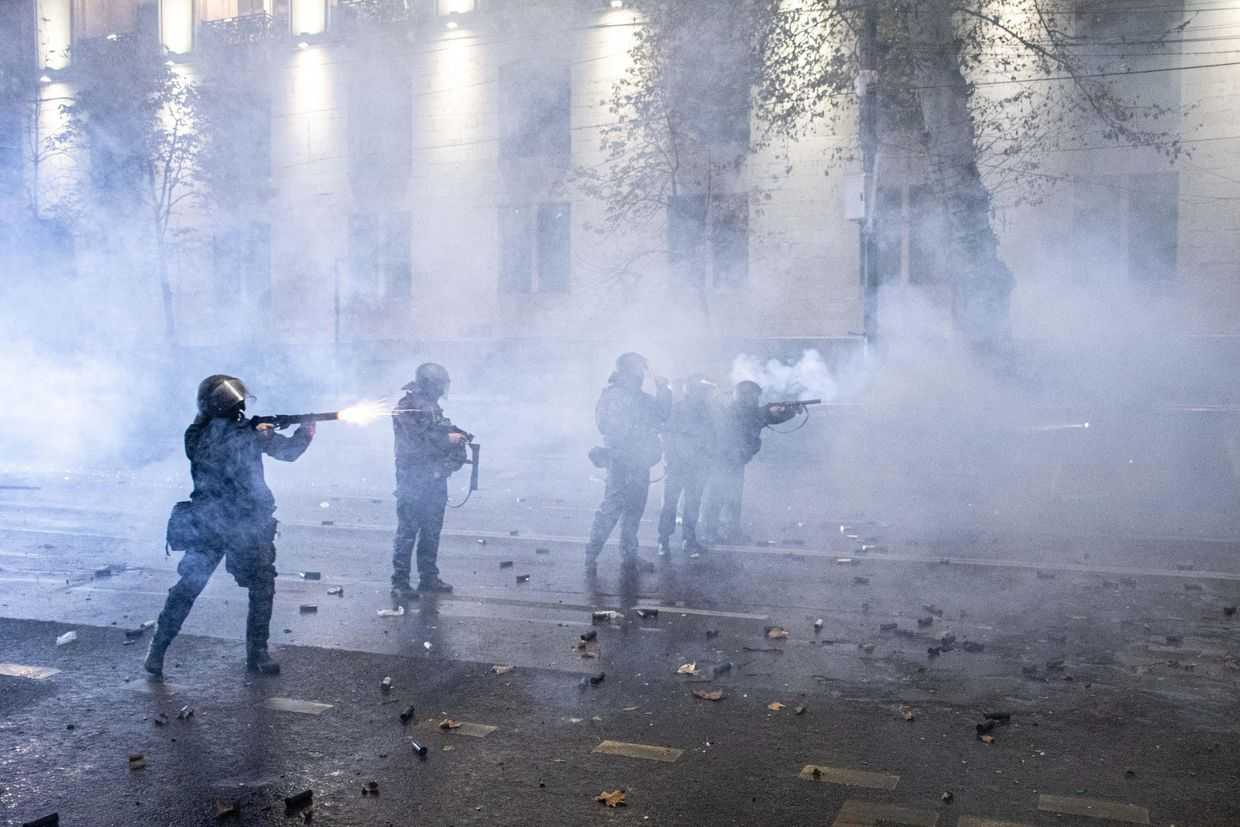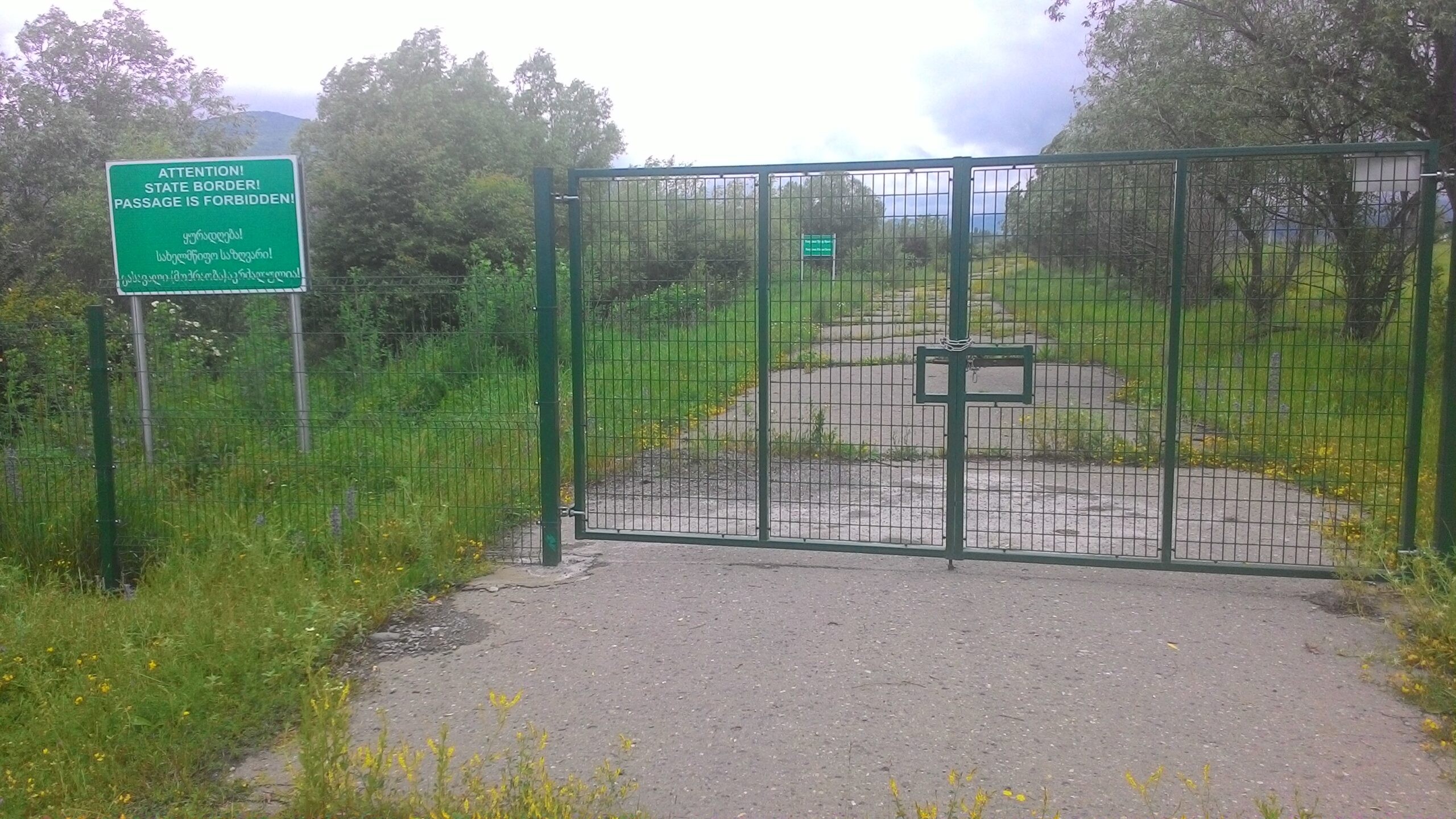
 Two Georgians were detained for illegally crossing the de facto border with South Ossetia, Sputnik Abkhazia, a Russian state owned media organisation reports. Two women from Tbilisi — Shorena Balakhadze, 29, and Laura Balakhadze, 26, — were detained by the State Security Committee of South Ossetia, in the village of Balta. Sputnik Ossetia writes that the two were travelling to South Ossetia ‘searching for better life’.
Georgia’s State Security Service reported that the two were illegally detained, and have already complained to the EU Monitoring Mission in Georgia about the case. ‘The central government of Georgia is working to release these people’, they announced.
Detentions along the ‘Administrative Boundary Line’ (ABL) between Georgia and it’s breakaway republics have become common for Georgian citizens, especially those living close by, following the 2008 Russo-Georgian War.
According to Georgian organisation the Institute for the Development of Freedom of Information, in the period from 2009 to 2015, more than 2,400 people were detained for ‘illegally crossing the border’ near South Ossetia and Abkhazia. Of these 1,641 were detained near Abkhazia and 840 near South Ossetia.
Usually detainees are released after paying a ₽2000 ($30) fine. Georgia frequently raises the issue of detentions during regular meetings of the Incident Prevention and Response Mechanisms, facilitated by the EU Monitoring Mission in Georgia, in the village of Ergneti, near the ABL.