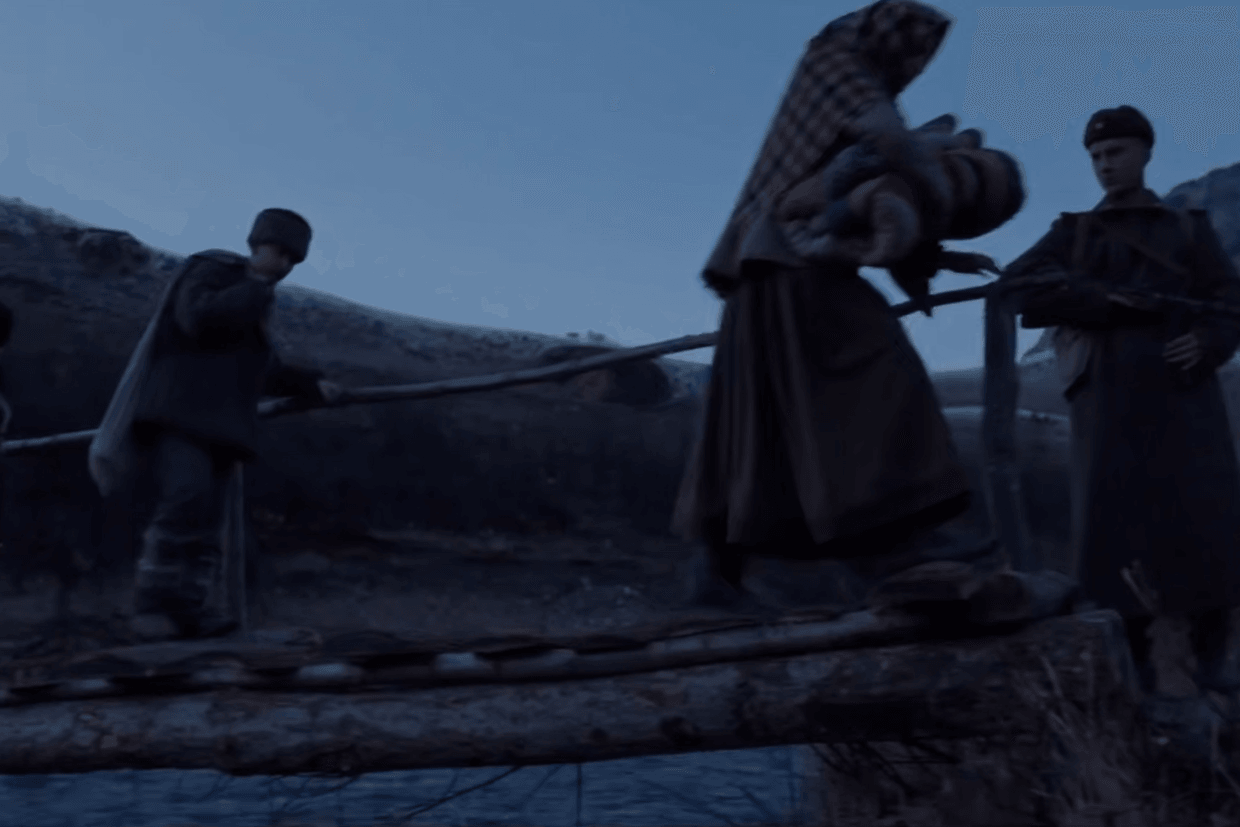
Ingushetia’s Culture Ministry has banned the screening of The Letter, a film by Amur Amerkhanov about the return of Ingush people to their homes following their 1944 deportation by Soviet authorities.
The ban was reported by the independent Ingush media outlet Fortanga, citing its own source, who also said that the ministry is seeking to hinder the film’s participation in Russian film festivals.
The project, produced by the Ingush National Film Studio, was approved by the Russian Culture Ministry and received a federal grant. Filming began in 2021.
The film is based on real events and follows a group of Ingush communists delivering a letter from the people to Soviet leader Leonid Brezhnev. A young oncological surgeon accompanies them on the journey.
Filming took place in Ingushetia, Moscow, the Moscow region, Karelia, the Leningrad region, and Kazakhstan.
During production, several Telegram channels linked to security structures and the authorities posted materials criticising the film, with some writing that ‘there is nothing new to say about the topic of the deportation’.
The film has already been shown in Kazakhstan, Moscow, Kazan, and other Russian regions.
‘We did not expect such a reaction from people. Because such a long, difficult, exhausting job was done on this film’, Amerkhanov said after the premiere.
He noted that his aim had been to create a film that would touch people’s hearts. According to Amerkhanov, during the screening he heard absolute silence, as the audience was fully immersed in what was happening, and at the end they gave it a standing ovation. The director added that it was an honest conversation with a viewer of any nationality.
The premiere was nevertheless not approved in his native Ingushetia.
‘My initial dream was to show this film to all residents of the region on Republic Day. Despite positive reviews from the country’s leading filmmakers, the main goal was for the Ingush people to see this film. At the moment I am unable to show the film in the republic for reasons beyond my control, unfortunately. However, my aim now is, after participating in international film festivals, to show this film first of all at home, in Ingushetia, because it is about home and about the Ingush people. This is the plan: first international festivals, then a screening at home, and finally a wide release across the country and on all platforms’, Amerkhanov said.
In addition, Russian festivals are reportedly refusing to include the film in their programmes due to fears of ‘administrative pressure’.
‘The film has not yet reached Ingushetia. On the contrary, local officials are weaving behind-the-scenes intrigues against the film and its director. Russian festivals are afraid to include the film in their programmes. In private conversations they say the film is good, but they fear administrative pressure, which, they say, officials of the republic’s culture ministry and affiliated state bodies mention to them over the phone’, an anonymous source told Fortanga.
The Ingush National Film Studio also reported that The Letter has been selected for the Karama Human Rights Film Festival in Jordan and the Dhaka International Film Festival in Bangladesh.
According to Fortanga, residents of the republic repeatedly asked about the screening of the film in the Telegram channel of the Ingush Culture Ministry. The ministry replied that it could not organise a screening without a distribution certificate. According to federal law and clarifications from the Russian Culture Ministry, a distribution certificate is not required for premiere and pre-premiere screenings.
Director Amur Amerkhanov became widely known for his Ingush-language film Sayti — son of Zouli about the highland movement, which won 16 Russian and international film festivals. He is a graduate of the Shchukin Theatre Institute and Russian State University of Cinematography (VGIK).
 Elizaveta Chukharova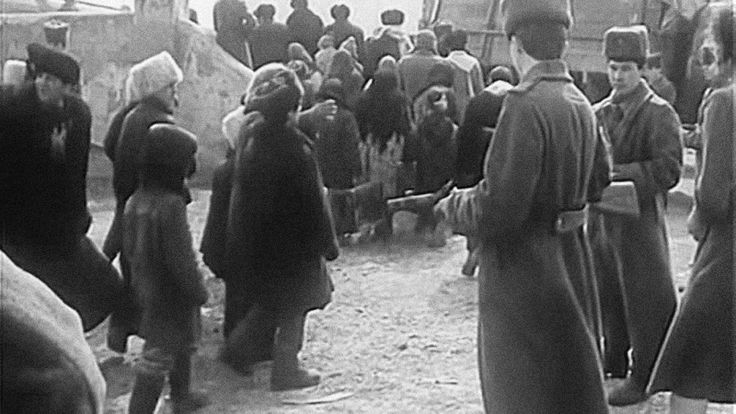
This article was translated into Russian and republished by our partner SOVA.