Iran’s Ambassador to Georgia deflects criticism after embassy downplayed 17th century deportation

Iran’s Ambassador to Georgia, Ali Moujani, has acknowledged controversial wording allegedly used by the embassy to refer to the historic deportations of Georgians to 17th century Iran, but claimed that modern-day Iran was not responsible for actions committed by Safavid Iran.
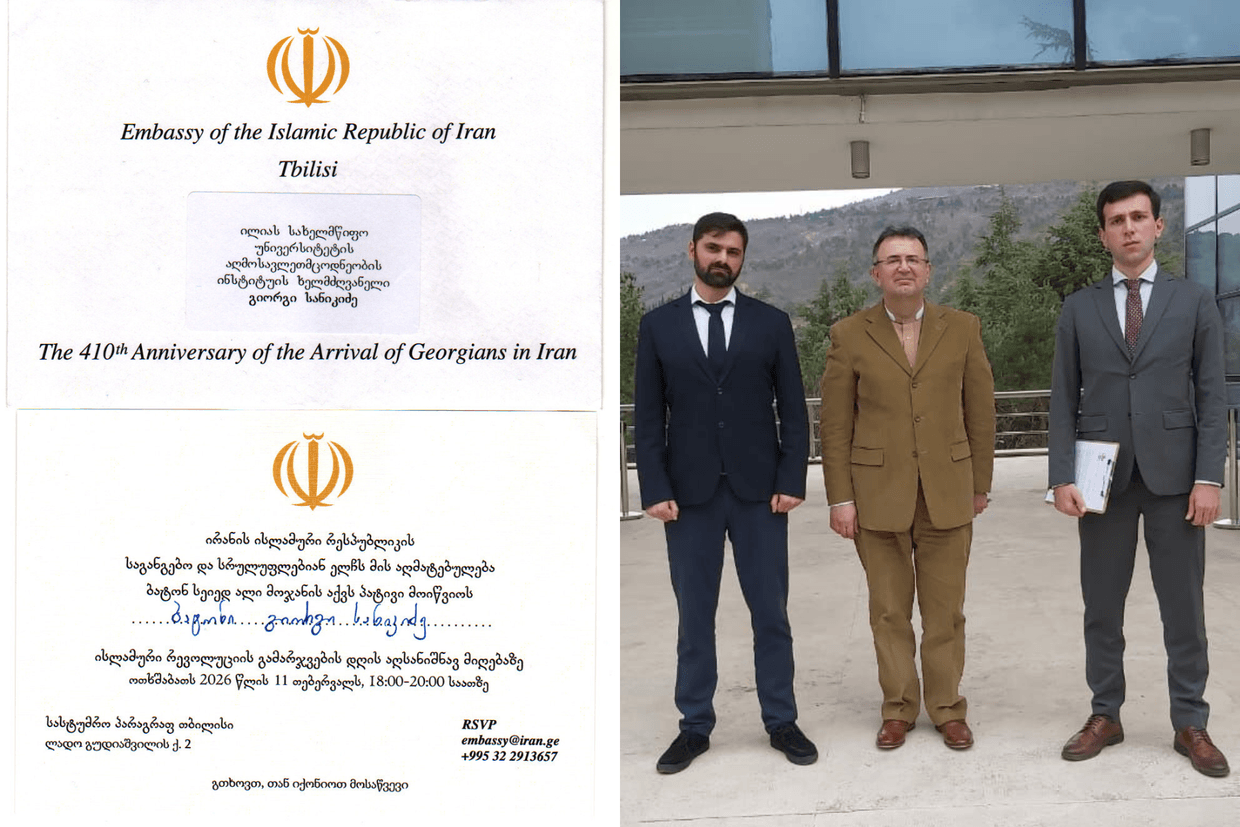
The controversy began on 13 February, when Georgian professor Giorgi Sanikidze published a photo of the invitation for an event he received from the Iranian Embassy marking the anniversary of the 1979 Islamic Revolution, which the embassy celebrated on 11 February at a hotel in central Tbilisi.
However, in addition to the revolution, the invitation also included the phrase ‘410th anniversary of the Arrival of Georgians in Iran’, which corresponds to the year 1616 — the date associated with the military campaigns (1614–1617) and mass forced deportation of Georgians from the Kingdom of Kakheti by the Safavid Shah, Abbas I, to Iranian territory.
‘So, the Iranian side makes us “celebrate” one of the most tragic events in Georgia’s history’, Sanikidze wrote on Facebook.
He also criticised the position of Georgia’s Foreign Ministry, noting that ‘not only has the authorities failed to react to such an insult, but a deputy foreign minister even delivered a welcoming speech [during the event]’. The ministry did not publicly respond to criticism or to questions from the local media on the matter.
 Mikheil Gvadzabia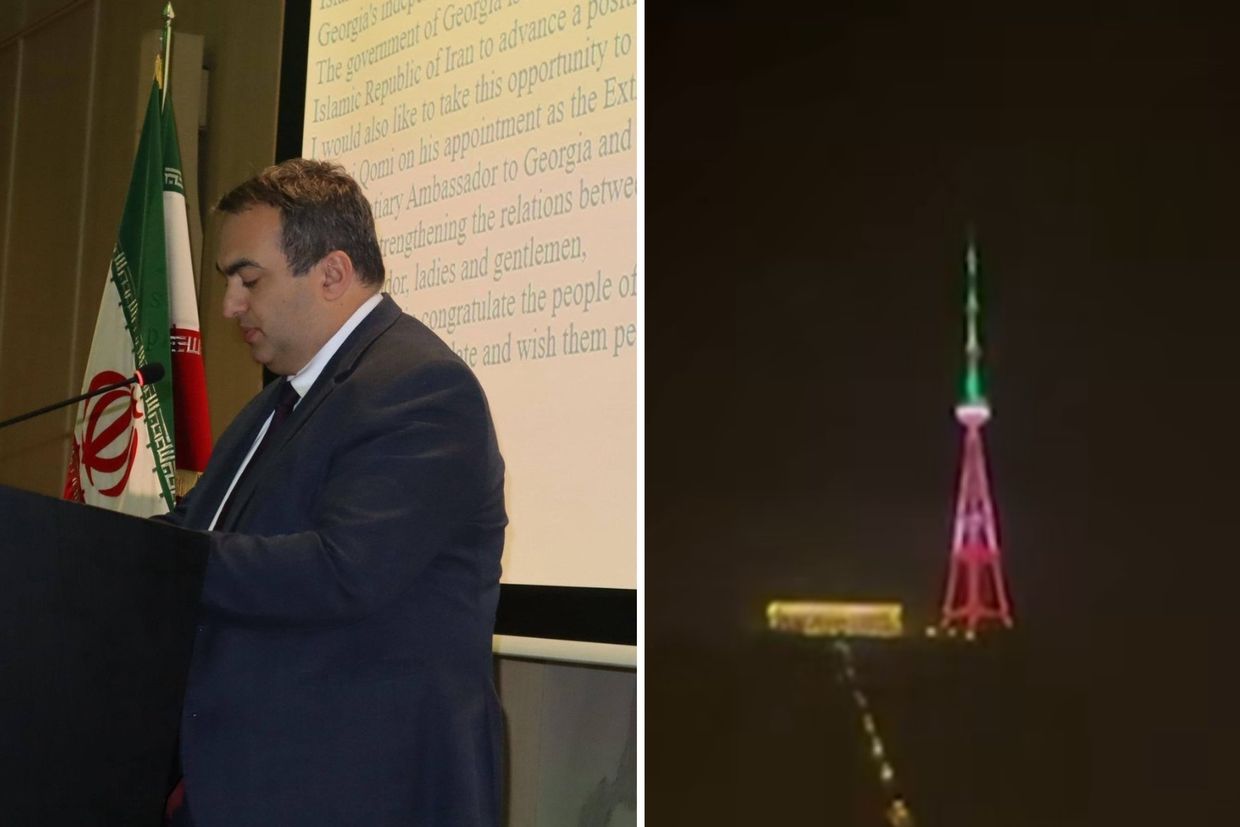
Sanikidze’s post received hundreds of reactions, including one from Ambassador Moujani himself, who commented on the professor’s post and defended the embassy’s position on his own social media pages as well.
‘Recalling historical dates, whether painful or joyful, neither glorifies anyone nor serves as justification; its purpose is understanding’, Moujani said, noting that ‘we are not responsible for the policies, wars, and decisions of eras in which we ourselves did not live’.
In his response, the ambassador again noted that ‘in 1616, i.e. 410 years ago, the first group of Georgians arrived in Iran’ and highlighted their contribution to Iranian history.
However, he still did not clarify what he or the embassy meant by ‘arrival’. Moujani also did not elaborate why he singled out 1616 as the date of the appearance of the ‘first group’ of Georgians in Iran — which Sanikidze questioned, referring to the earlier connections.
‘Mr Ambassador, the first group of Georgians did not arrive in Iran in 1616. The Georgian and Iranian aristocracies had long-standing connections [even before that date]’, the professor said, while once again emphasising the 1616 deportations.
Yousef Bardouka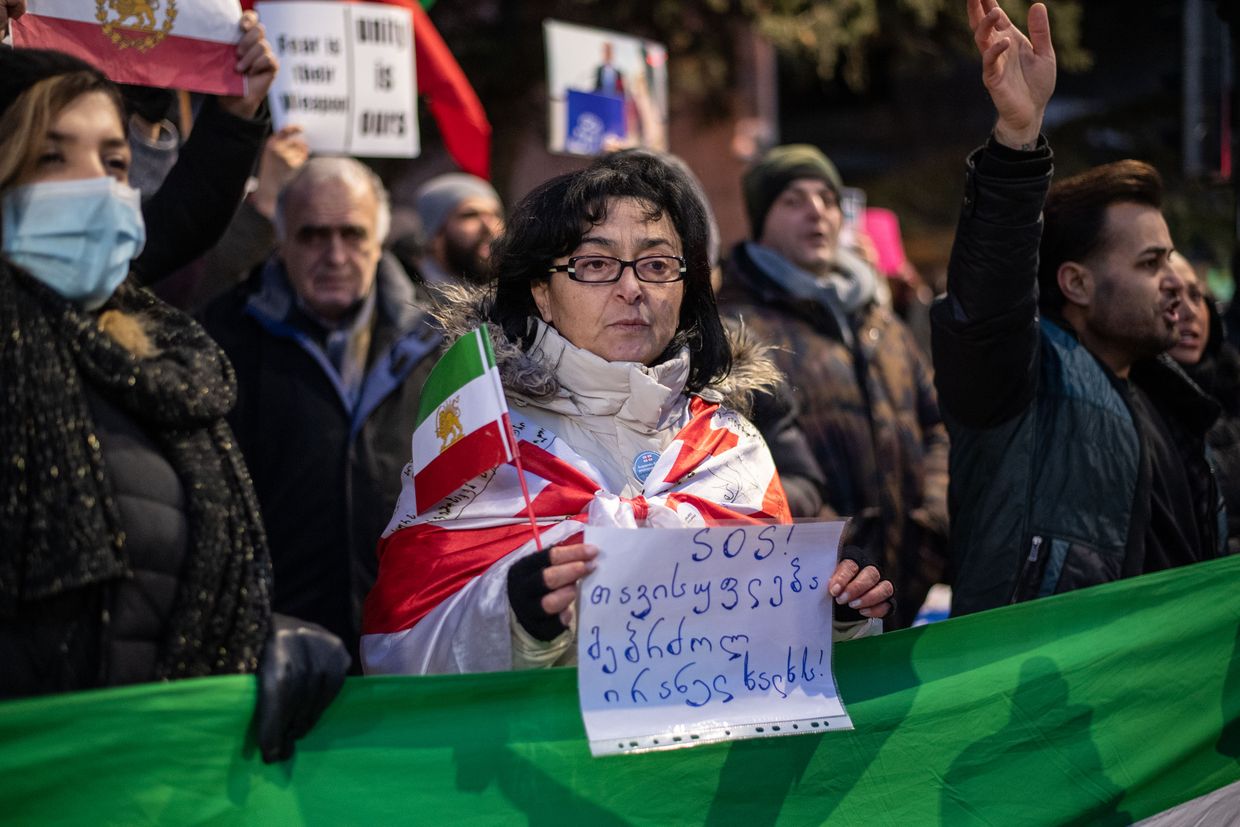
‘Tragic events’ and meeting at the embassy
Discussion of the issue continued on social media in the following days. On 17 February, the movement Georgian Republic left a letter to the embassy, calling the terminology used in the invitation ‘a distortion of historical reality’.
‘Referring to a violent deportation as an “arrival” is an insult to the memory of the victims and presents a humanitarian catastrophe as if it were a neutral migratory process’, the group said, adding:
‘The Georgian people have always valued and continue to value cultural ties and peaceful coexistence, but this can never come at the expense of national dignity and historical memory’.
The next day, the movement said that the embassy requested a meeting with the group, and on the same day Moujani made a post about the meeting. He said the discussion focused on the historical contacts, including ‘the pain of the deportations’ and the role Georgians played in different fields in Iran.
‘I made it clear that the tragic events of the past are part of the painful historical memory shared by both nations. At the same time, the episodes of Georgian contribution and their dignified participation in Iran’s progress are also an inseparable part of this history’, the ambassador wrote.
For its part, Georgian Republic said that during the meeting they expressed ‘strong protest and concern’ over the embassy’s wording, while also welcoming the ambassador’s emphasis on the tragic nature of the deportations.
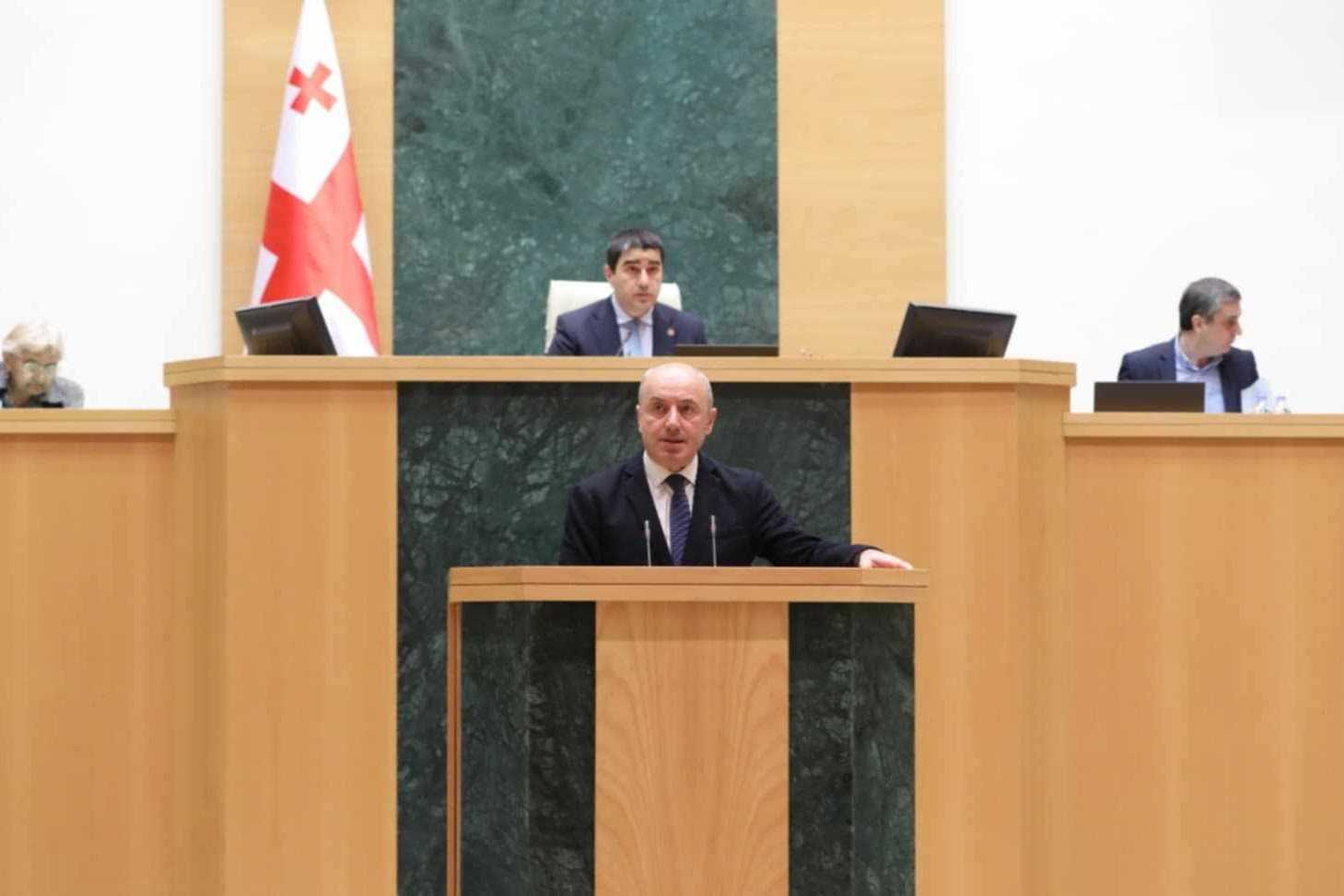
Among the speakers at the 11 February event was Deputy Foreign Minister Lasha Darsalia, who expressed gratitude for what he called ‘Iran’s steadfast support for Georgia over the years’.
On the same day, the Tbilisi TV tower, a prominent landmark, was illuminated in the colours of the Iranian flag to mark the anniversary of the Islamic Revolution. Tbilisi City Hall told local media that lighting the tower is a long-standing practice, done in response to requests from representatives of the diplomatic corps accredited in Georgia.
Beyond the contents of the invitation, some criticism was also voiced regarding the celebration of the Islamic Revolution’s anniversary in Tbilisi, in light of the Iranian authorities’ brutal crackdown on anti-government protests in the country.
Some people, including Sanikidze, chose not to attend the embassy event despite receiving an invitation.
‘Given the current situation in Iran, I did not consider it appropriate to attend’, Sanikidze wrote.
Mikheil Gvadzabia