★★★★★
Ketevan Vashagashvili’s debut documentary has won a cinematic human rights award for its sensitive portrayal of parenthood and surrogacy in Georgia.
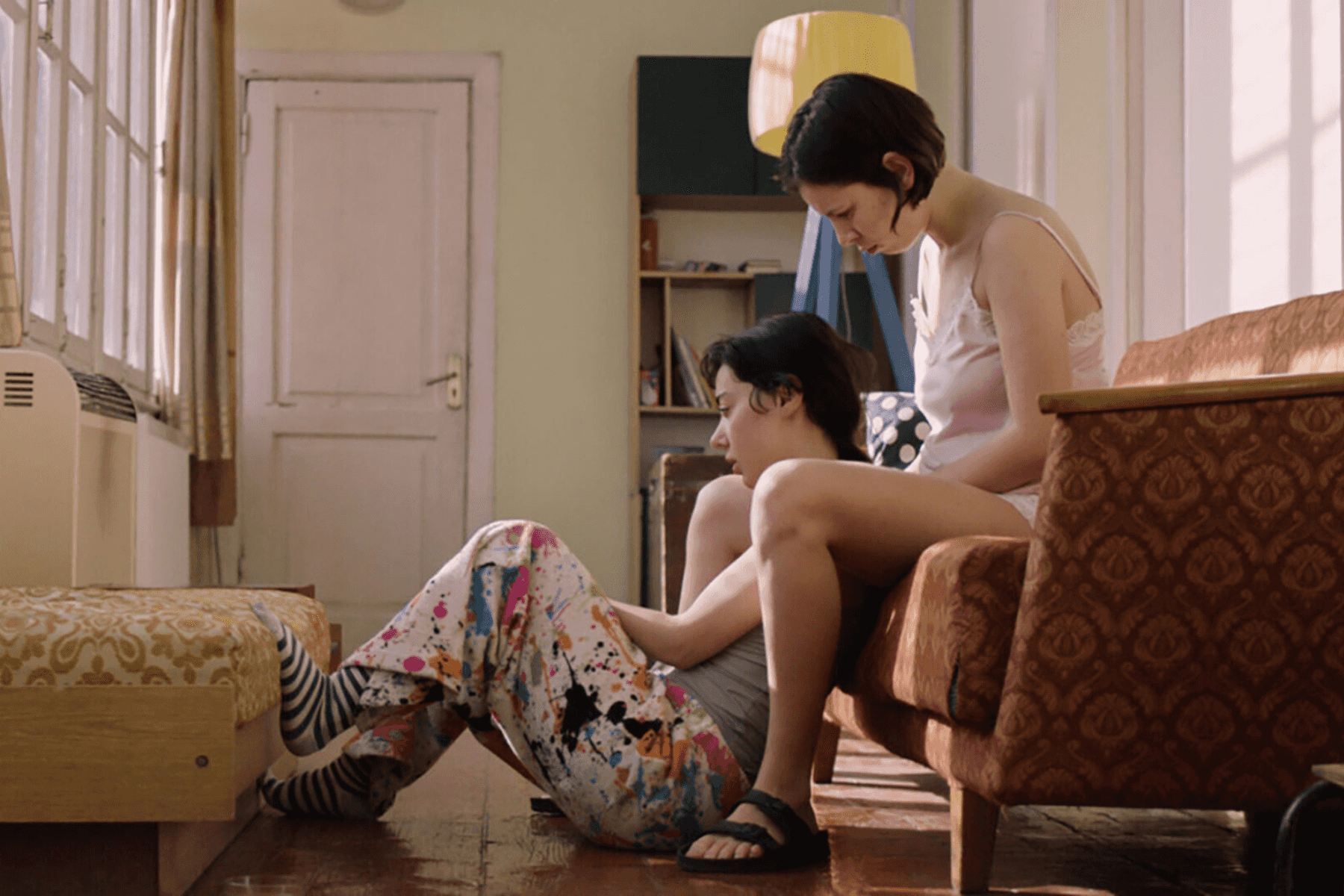
Vashagashvili first met Zhana and her teenage daughter Elene 12 years ago, when the two were living on the streets of Tbilisi. At the time, Vashagashvili made a short film about the two, hoping it would help them get back on their feet — and in this, she succeeded, to some extent.
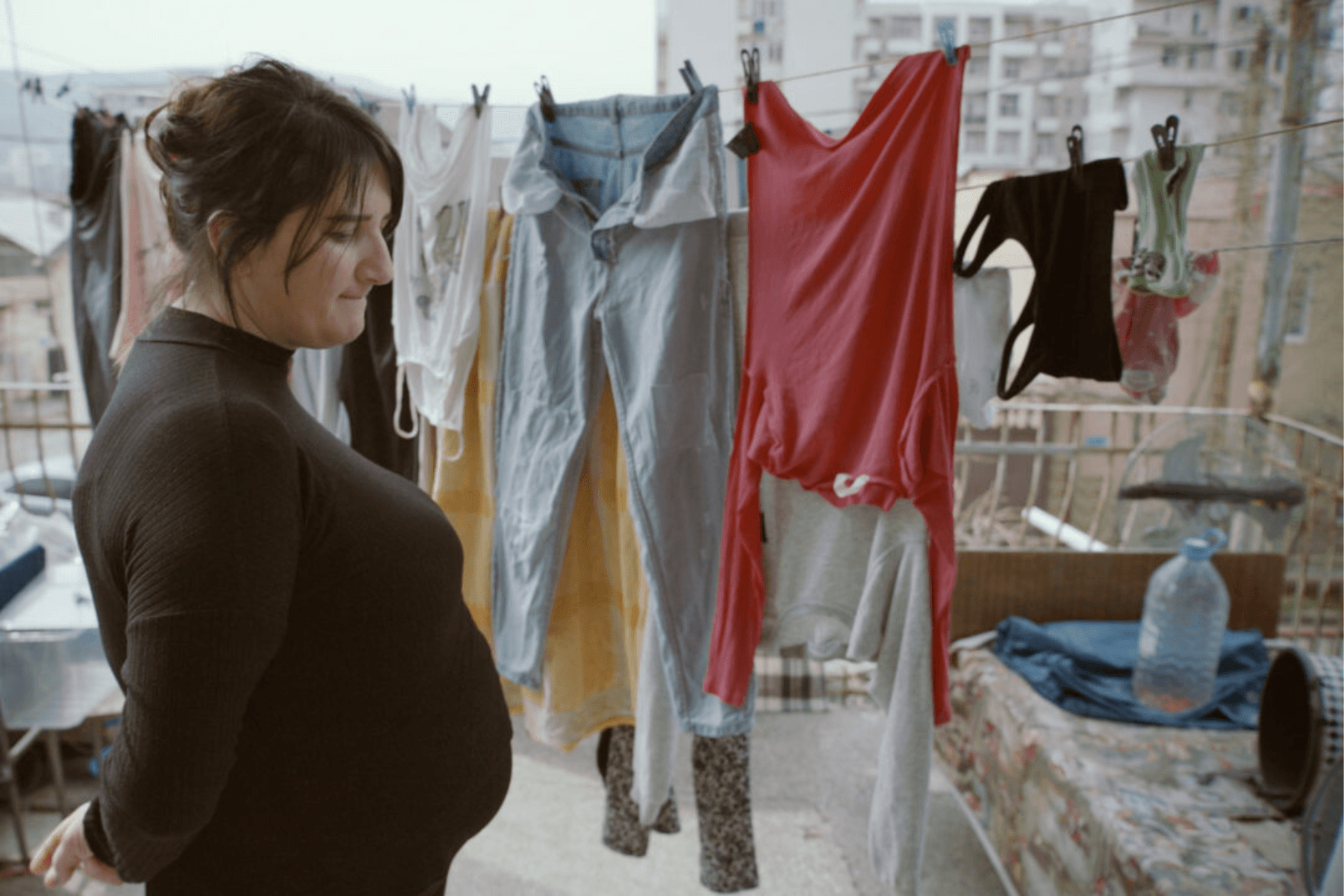
Since then, the pair have been housed, with Zhana working shifts at a Spar (a grocery chain) and Elene becoming a star pupil at her school. However, the €1.50 an hour wage Zhana receives is not an adequate salary to support two people, especially in a city known for its relatively high-cost of living, leaving many in family homes well into adulthood. To alleviate some of the financial burden, Zhana ended up turning to surrogacy, a growing industry in Georgia and one with little oversight.
Vashagashvili begins her film in the midst of Zhana’s third surrogacy and fourth overall pregnancy. While she gives birth to a healthy child, Zhana is forced to seek help from the local women’s rights organisation Sapari after a verbal contract goes south and she is pressured to register the child as hers in order for it to be released from the hospital.
The first half of the film follows Zhana as she struggles to get justice from police uninterested in shutting down fraudulent surrogacy agencies while at the same time receiving threats from the child’s biological father, who blames Zhana for his legal troubles, as opposed to the agency. Throughout it all, Zhana is doing all she can to not stress out her daughter, who knows and sees much more than she lets on. It is clearly emotional for Elene to see her mother’s health deteriorate every time there is another pregnancy, as well as the emotional toll on her mother to give up the child immediately. In the end, the criminal case fails, with Zhana left railing against the lack of regulation in the country, arguing that until there are proper measures, the industry should be banned.
Yet, despite these beliefs, and despite her clear fears about risking her health, Zhana yet again becomes pregnant as a surrogate, needing the money. It makes for difficult viewing, Zhana’s multiple trips to the clinic, the doctor’s fighting on her behalf to try and get the surrogacy agency to fund the necessary medication and health needs.

Subscribe to the Culture Dispatch
A bi-weekly newsletter featuring film, book, and music recommendations from the Caucasus, handpicked by our team.
The most graphic and heart-wrenching of these scenes is when Zhana is due to have her fifth c-section. Filming from inside the surgery, Vagashvili captures how the small kindnesses of nurses help ease Zhana’s stress — she is fully conscious throughout the operation, having received only a local anaesthetic — yet, some of the more cutting comments by staff off the cuff show a clear lack of sensitivity for the human being present.
‘A woman is not a container, she is a living person’, someone in the film says, yet for some of the medical staff, it is as if they forget Zhana as a human being is actually present in the scene.
Once the baby has been born, the surgical assistant notes that Zhana had had three cuts to the same place in previous surgeries; they are therefore unable to stitch the wounds back up as before. Instead, they are forced to surgically remove her womb in its entirety — Zhana is only 29-years-old.
It is a hard scene to watch, the camera alternating between the medical staff on one side and Zhana’s face and emotions on the other as she reacts to what they are saying. Only a thin sheet separates Zhana from seeing what is going on, but also accentuating the fears as she can hear all the comments made, the shock of the surgeon regarding the number of scars, and so on. At one point, Zhana turns to Vagashvili, asking her for comfort as a tear rolls down her face.
Yet, while the film naturally has a strong focus on surrogacy, it also is about the parent-child relationship, showing Elene as she matures into a young adult, and someone with different dreams than her mother might have. The two have an incredibly strong bond, yet it is clear that Elene feels her own pressure to study for the profession her mother was never able to, as she is constantly reminded that everything Zhana does is for her. As she grows older, she becomes more confident in herself and what she wants, encouraging Zhana, who is still young herself, to go back to school and chase her own dreams.
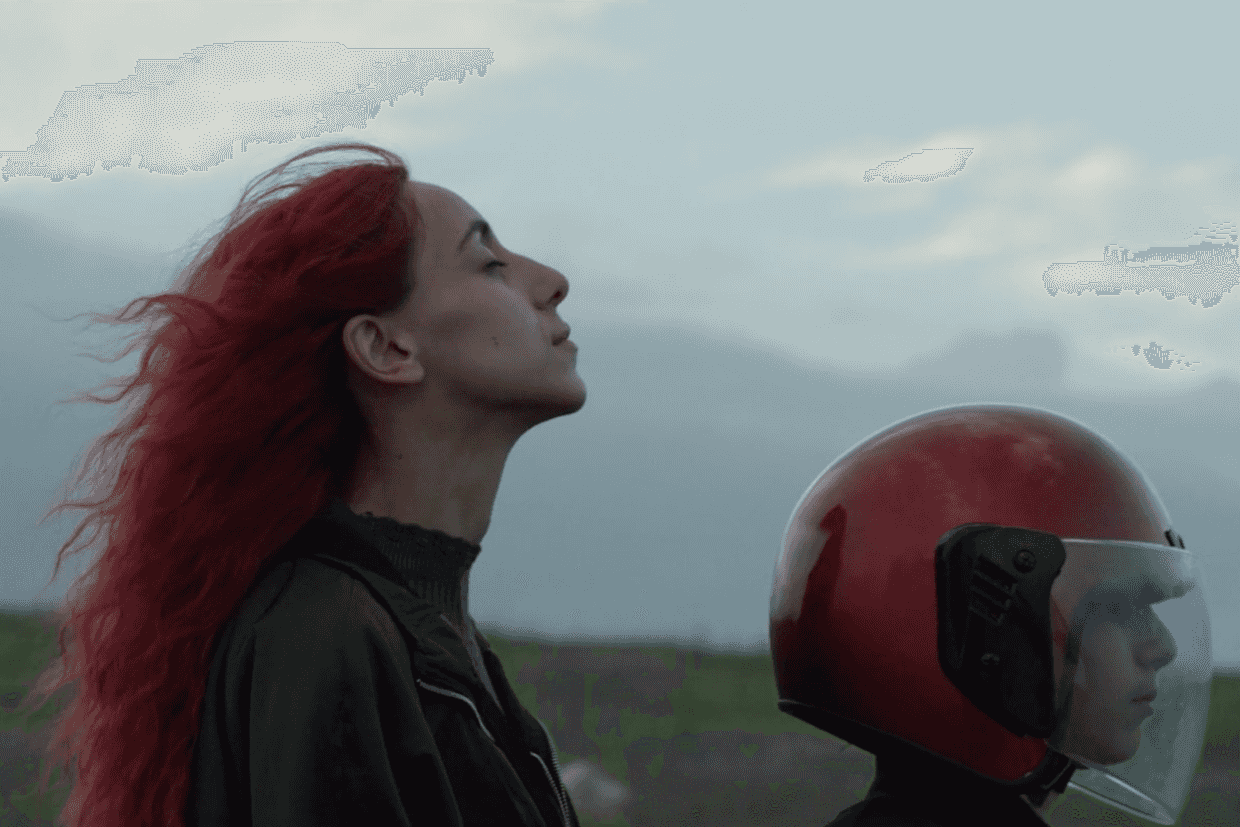
It is cathartic to watch as Zhana indeed goes back to high school to eventually get her diploma, while Elene chops her hair and takes to the streets to participate in the ongoing anti-government protests. It is a hopeful ending, that despite the pain and trauma both have endured, there could still be a path forward.
9-Month Contract premiered at the Copenhagen International Documentary Film Festival (CPH:DOX) in March, where it won their Human Rights Award. In early December, it won the Golden Prometheus for the best full-length documentary at the 26th Tbilisi International Film Festival.
Film details: 9-Month Contract (2025), directed by Ketevan Vashagashvili, was screened at the 26th Tbilisi International Film Festival on 4 December 2025.