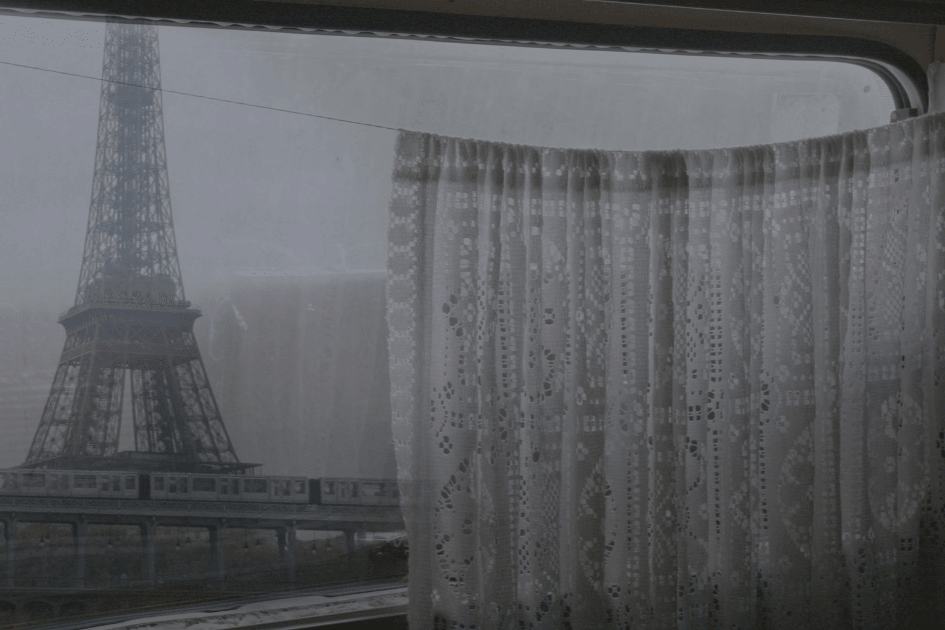
Review | Parallel Movements — uncovering Paris through the lens of health-driven Georgian migrants

3.5/5★
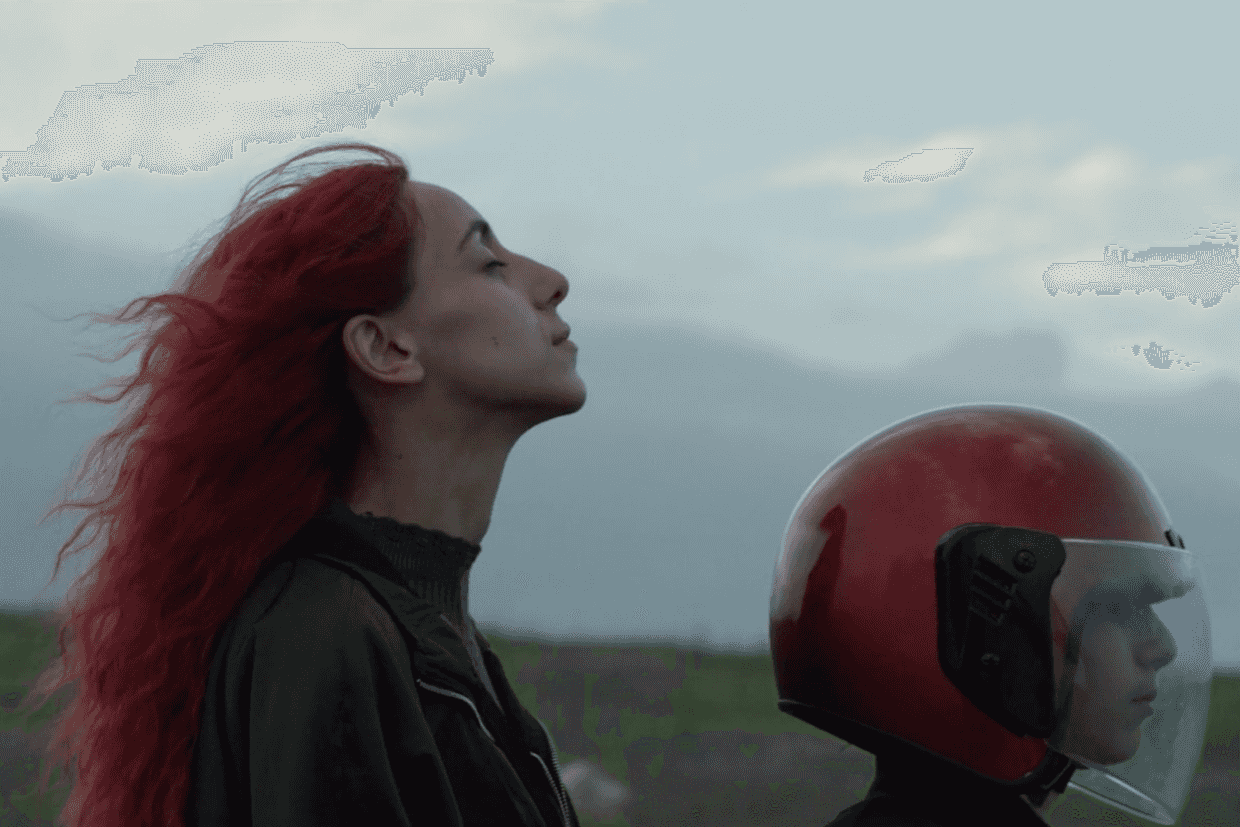
Shorena Tevzadze’s short documentary follows four different protagonists to weave a larger story of Georgian migrants seeking healthcare in France.
Between 2017, when Georgia was awarded visa-free status by the EU, and 2024, more than one million Georgians have travelled to the Schengen Area.
In recent years, more and more of these visits are to seek better medical care — in 2023, the UN’s International Organisation for Migration noted that asylum requests ‘motivated by the desire to receive high-quality care for complicated health issues’ has placed a ‘significant burden’ on medical care facilities in France, Switzerland, and Austria, despite immigration agencies often qualifying such asylum requests as being ‘unfounded’.
Parallel Movements is an attempt to shed light on this migration, focusing on four Georgian protagonists in Paris, all of whom are related to the healthcare industry, whether by work or for their own medical care.
The film opens upon Nino, an intercultural mediator who has lived in France for over 15 years. Mainly working to assist the pediatric oncology unit — where eight out of 22 beds are filled by Georgian children — she is both a translator of language and of cultural beliefs, something that only recently has been seen as important.
The camera follows as she works by phone, otherwise spending time in her garden, a voiceover narration digging into some of her experiences, such as the misunderstandings that emerged when she was told to tell an Armenian–Georgian man on palliative care that he only had three weeks to live. When the man heard this, he questioned how anybody could know this as his life was in God’s hands, something the French doctor did not understand, asking Nino to repeat the information and make sure it was understood — she tells the audience that while translators don’t have the right not to translate, there are many ways to tell the truth while still staying within the culturally appropriate norms.

Subscribe to the Culture Dispatch
A bi-weekly newsletter featuring film, book, and music recommendations from the Caucasus, handpicked by our team.
The focus then switches to Davit, who was partially paralysed following a swimming accident in the River Enguri (Ingur) just days prior to the August 2008 War — the delays in a transfer from Sukhumi (Sukhum) to Tbilisi caused his permanent injury. Eventually, he migrated to France where he learned how to live independently. The man now works helping other health-driven migrants, having learnt from his own experiences the best practices.
One of the couples he is helping is featured in the film’s third short segment, a husband and wife who have been dealing with the man’s cirrhosis for 17 years. In Georgia, they were told they would have to find their own donor and cover all of the costs of rehabilitation, something the family could not afford — France was an opportunity to get the care needed at an affordable price. However, they remain in a precarious situation, their asylum request rejected, living in a caravan and sustained by free food from the Red Cross.
The last protagonist left Georgia 10 years ago needing a bone marrow transplant. Upon arriving in France and going to the doctor’s, however, she learned she was pregnant — in a twist of fate, she did not require any more treatment after giving birth, the metastases decreasing from 43 to just three. She credits her daughter with saving her life and it is clear they have a close bond. Yet despite the time passing and her good health, the two still rely on social care, including in housing.
At only 51 minutes, Parallel Movements manages to pack a lot in, the final scene showing many of the protagonists participating in an anti-government protest in Paris. Yet, its short run-time also detracts from the possibility to really connect with the characters and truly understand their work and daily lives today.
One facet that reappears but is never truly examined is that of the connection many of the Georgian protagonists have with Chechen migrants. Nino, for example, has worked with Chechen men, helping translate their therapy sessions. In turn, Davit often encounters and works with Chechens through the French NGO Cimade. There are interesting parallels to be made between the forced migration of each group, yet as it stands, any mention of this fact is simply surface-level.
Overall, however, Parallel Movements provides a solid, if too short, examination of the lesser-known Georgian migration to Europe for health-care reasons. The film is also a timely one, raising awareness of migrants’ needs at a time when Georgia’s visa-free status is under threat due to the government’s anti-EU sentiments.
Film details: Parallel Movement (2025), directed by Shorena Tevzadze, was screened at the 26th Tbilisi International Film Festival on 5 December 2025. The film is available to stream with English subtitles on Chai Khana.