Running out of time — Azerbaijan looks to tax hikes to counter shrinking hydrocarbon reserves
While economically necessary, these fiscal adjustments may carry political consequences, including the potential for civilian unrest.

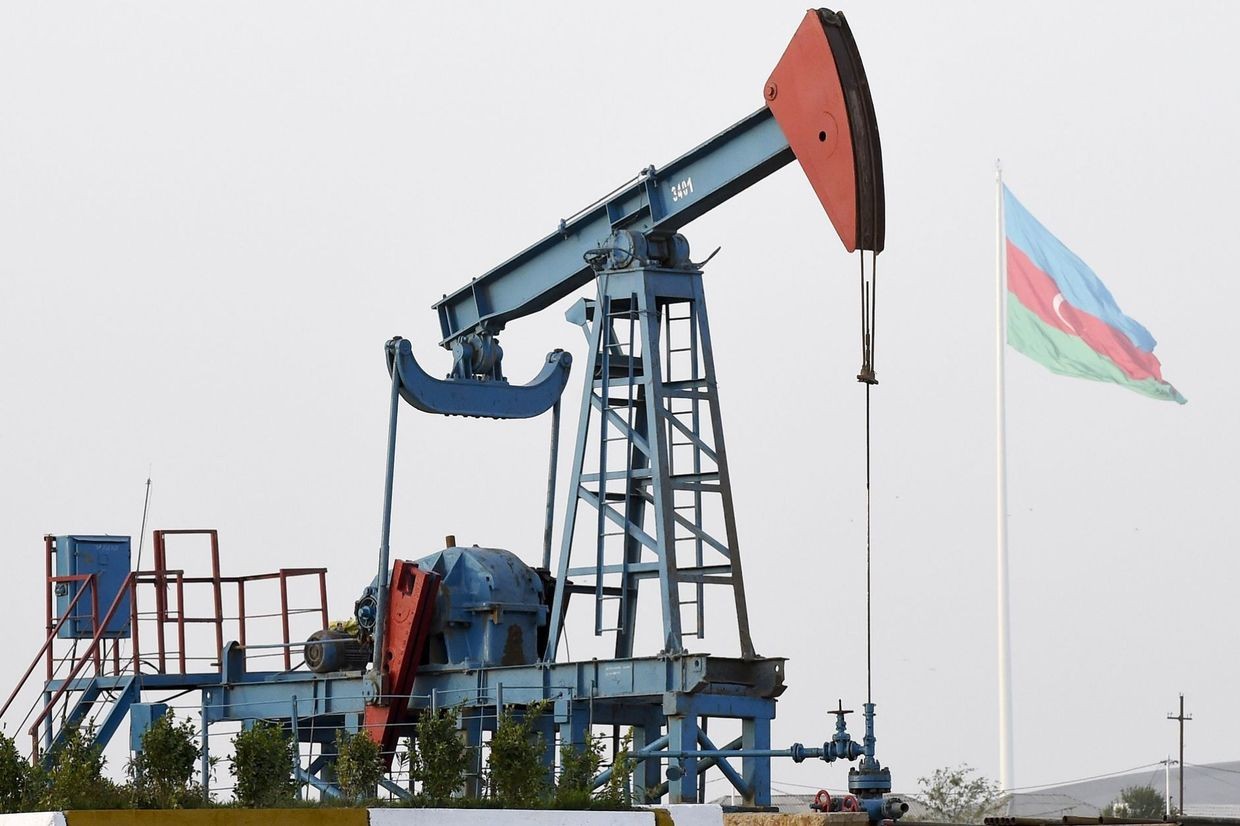
From 2026, Azerbaijan intends to bolster its public finances with a wave of tax reforms, including gradually raising income taxes, increasing excise duties, and even mandating new insurance contributions for all citizens, including the unemployed. These fiscal changes come amidst a decrease in Azerbaijan’s hydrocarbon production and depleting proven reserves, which threaten the long-term sustainability of a state budget given the significant dependence on energy export revenues. In effect, Baku has acknowledged that its over-reliance on oil and gas is no longer viable and is seeking alternative revenue sources.
The budget for 2026 includes significant tax code amendments designed to boost non-oil revenues. To start, the personal income taxes in the non-oil private sector are set to gradually increase after years of generous tax breaks: those earning up to ₼2,500 ($1,500) per month will pay a 3% income tax, rising to 5% in 2027 and 7% from 2028. According to the government, without this reform, the full 14% base rate tax would have been applied once the old tax exemption lapsed.
At the same time, consumption taxes are being hiked and broadened, including imposing new excise duties. For example, each additional mobile device imported beyond the annual allowance of one phone for personal use will now be subject to a ₼100 ($60) excise tax for registration. Excise taxes on alcohol and tobacco will also climb substantially, as will the VAT base tax after lawmakers cancelled a previous VAT exemption for electric vehicles, among other changes, to net more indirect tax income. In short, the government is taxing domestic economic activity and its players, which are consumers and businesses.
Perhaps the most brutal policy of the current Azerbaijani government is the new burden placed on social insurance. Starting next year, the government will stop covering citizens’ compulsory health insurance premiums from the state budget, a subsidy that had been about ₼90 ($53) per person annually. With that per-capita budget financing now discontinued, even those without formal jobs are expected to contribute to the mandatory health insurance system — only time will show if this new insurance policy improves the quality of health services
 Aytan Farhadova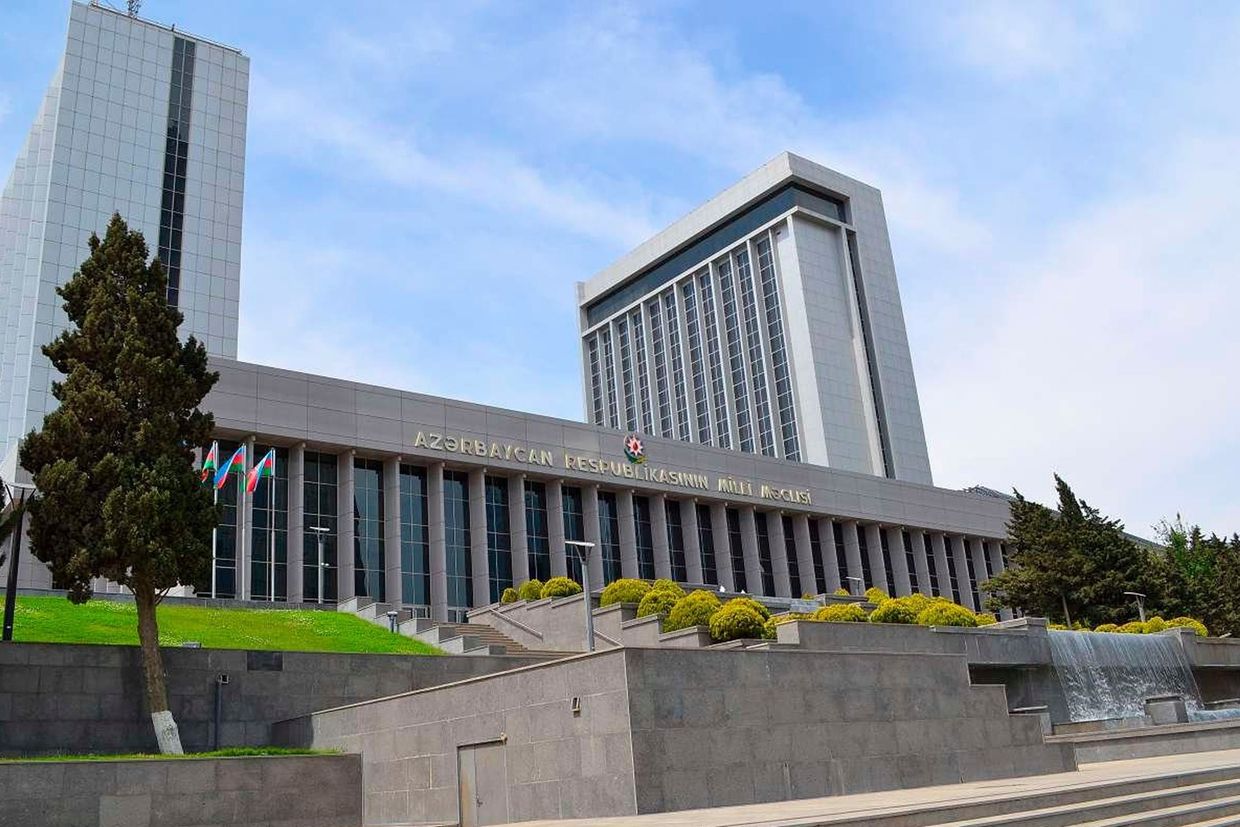
While directed across a variety of sectors, all of these fiscal measures are a direct response to the reality that Azerbaijani’s oil and gas production has entered a long-term decline.
According to the US Department of Energy, crude oil production (excluding condensate) topped out at nearly 1 million barrels per day around 2009–2010, but has since fallen sharply, averaging just a little over 600,000 barrels per day in 2024–2026, roughly 40% lower than a decade ago. The report additionally notes that the giant Azeri–Chirag–Gunashli (ACG) offshore field, which accounts for most of Azerbaijan’s oil, has been in decline since 2010.
The remaining hydrocarbon reserves are finite. As of early 2025, Azerbaijan’s proved oil reserves were estimated at only 7 billion barrels, a modest figure next to Gulf oil giants. Natural gas reserves are estimated around 2.5 trillion cubic metres (tcm) according to IEA’s 2022 report on Azerbaijan. Baku has increased gas exports to Europe in recent years, but gas alone cannot fully substitute for shrinking oil revenues, and Europe’s long-term move toward decarbonisation limits Azerbaijan’s future leverage as an energy supplier. In short, Azerbaijan is literally running out of easily extractable hydrocarbons.
A harbinger of social unrest?
The new tax reforms, while fiscally prudent, underscore the country’s limited progress in diversifying its economy beyond the oil sector. Their urgency also reflects a long-standing vulnerability that Azerbaijan’s state finances depend overwhelmingly on oil and gas earnings, a dependence now proving unsustainable.
Indeed, even today, the state budget remains heavily oil backed. The Finance Ministry’s 2026 draft budget projects ₼38.6 billion ($22.7 billion) in revenue, of which ₼16.4 billion ($9.6 billion), or almost 43%, will come directly from the oil and gas sector. That includes a ₼12.8 billion ($7.5 billion) transfer from the sovereign Oil Fund (SOFAZ) and roughly ₼3.6 billion ($2.1 billion) in taxes from oil consortia and the state oil company SOCAR. In other words, nearly half of all government revenue next year is still petroleum based, far above what diversified economies tolerate.
Exports tell a similar story of hydrocarbon dominance. Oil and gas make up about 90% of Azerbaijan’s export earnings, leaving the economy highly exposed to commodity price swings. This overreliance became painfully clear in the 2014–2016 oil price crash — at that time, according to the World Bank Azerbaijan’s GDP was cut in half from $75 billion in 2014 to $38 billion in 2016 and the manat plunged, sparking inflation.
Rising household burdens can quickly spark unrest. Following the 2014–2016 oil price crash, Azerbaijan experienced a series of localised social protests, particularly in regional towns and economically vulnerable areas.
At the time, police detained 55 people, with several injured after police used tear gas and rubber bullets in Siyazan. Although the protests did not lead to formal political reforms, the government was forced to cut taxes on essential food items.
Historical precedent shows that Azerbaijanis react if economic pain becomes acute, even if the protests are tightly controlled, however, the ruling party’s response is a crucial factor. So far, over the last ten years, President Ilham Aliyev has shown increasingly less tolerance for organised dissent, with dozens of opposition activists, journalists and NGO figures having been detained or imprisoned recently in a sweeping crackdown. In this repressive climate, any popular discontent is likely to remain bottled up or expressed only through indirect channels like social media rather than open mobilisation.
Ideally, Azerbaijan would offset declining oil revenues by expanding other sectors of its economy, but diversification efforts have made only modest advances. The government’s moderate success in increasing non-oil tax collection shows that broadening the tax base is possible, but it also highlights that the private sector and consumers will bear the cost.
Aliyev’s administration has long proclaimed the goal of a diversified, innovative economy, yet progress has been slow and uneven. The state is rightly seeking new revenue to keep the budget filled, but without substantial diversification into non-oil sectors, higher taxes alone cannot fully substitute for falling oil income. With hydrocarbon reserves shrinking and export markets slowly transitioning to cleaner energy, Azerbaijan’s window to reinvent its economy is narrowing.
These fiscal adjustments, though economically necessary, may also carry political consequences. While Azerbaijan’s centralised political system limits avenues for dissent, the rising cost of living and shrinking state subsidies could gradually erode public tolerance, especially among urban, low-income populations.
The latest reforms show the government recognises the problem, the question is whether future policy will accelerate true diversification or continue to rely on interim fixes as the oil clock ticks down.