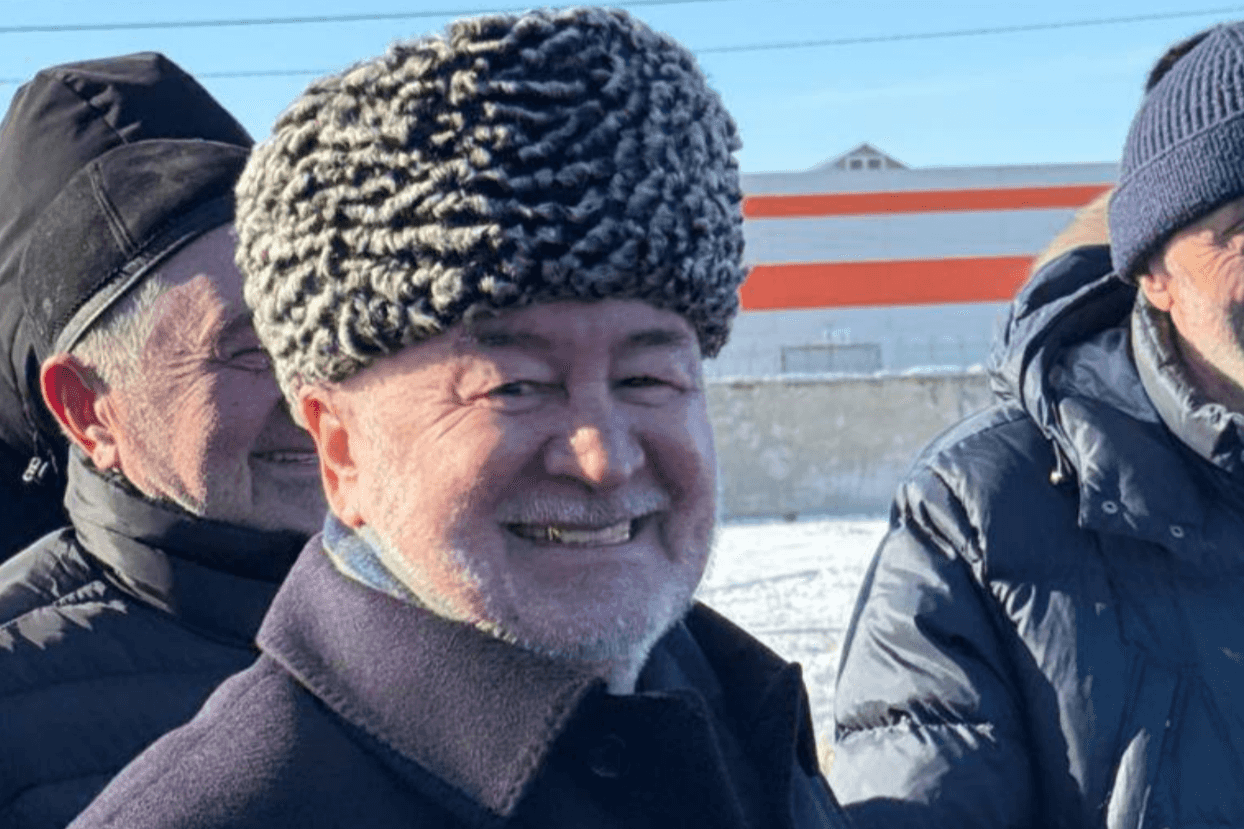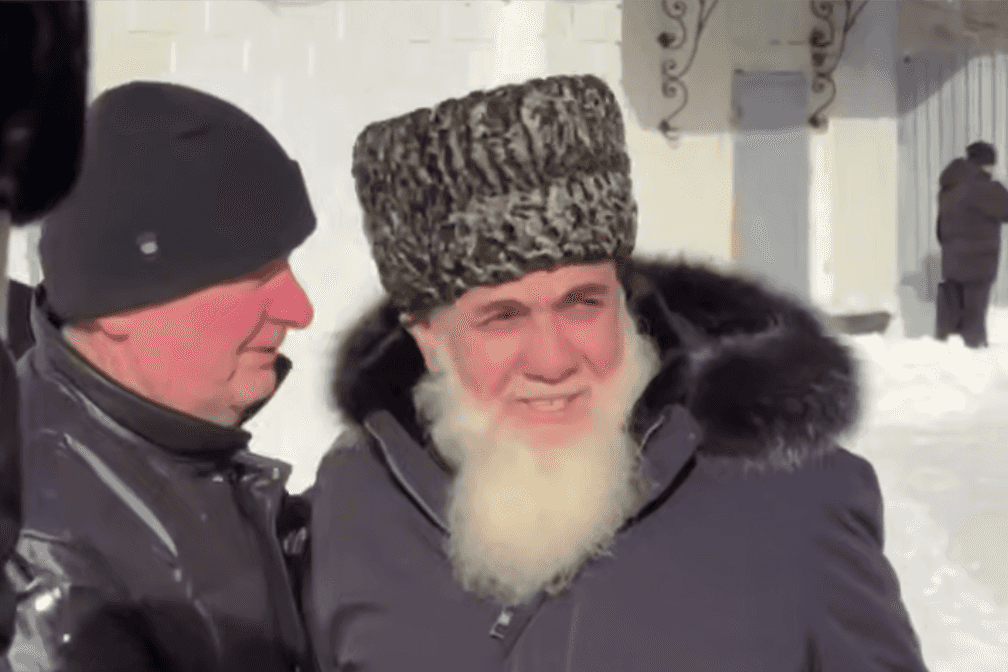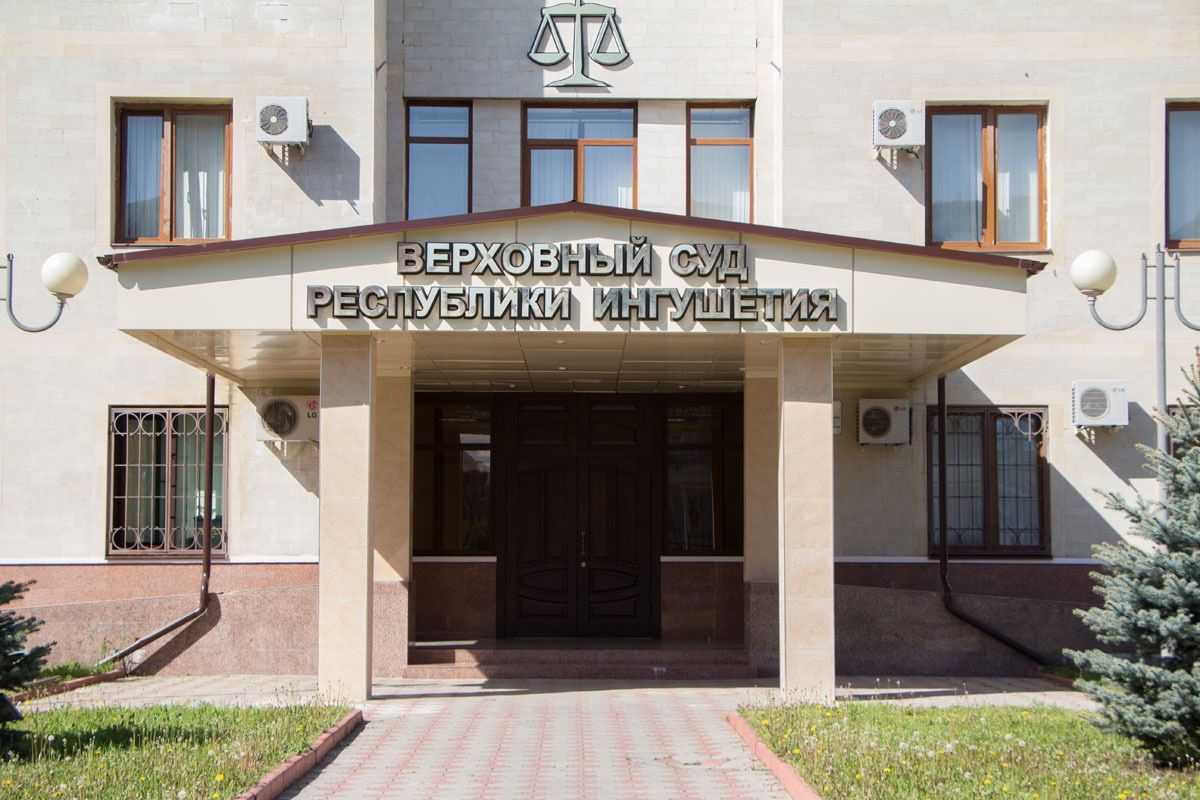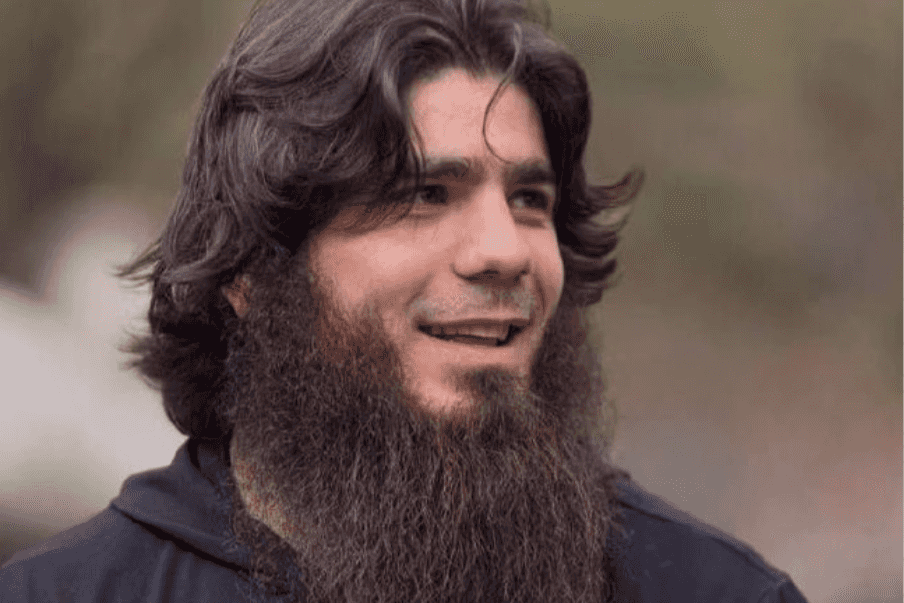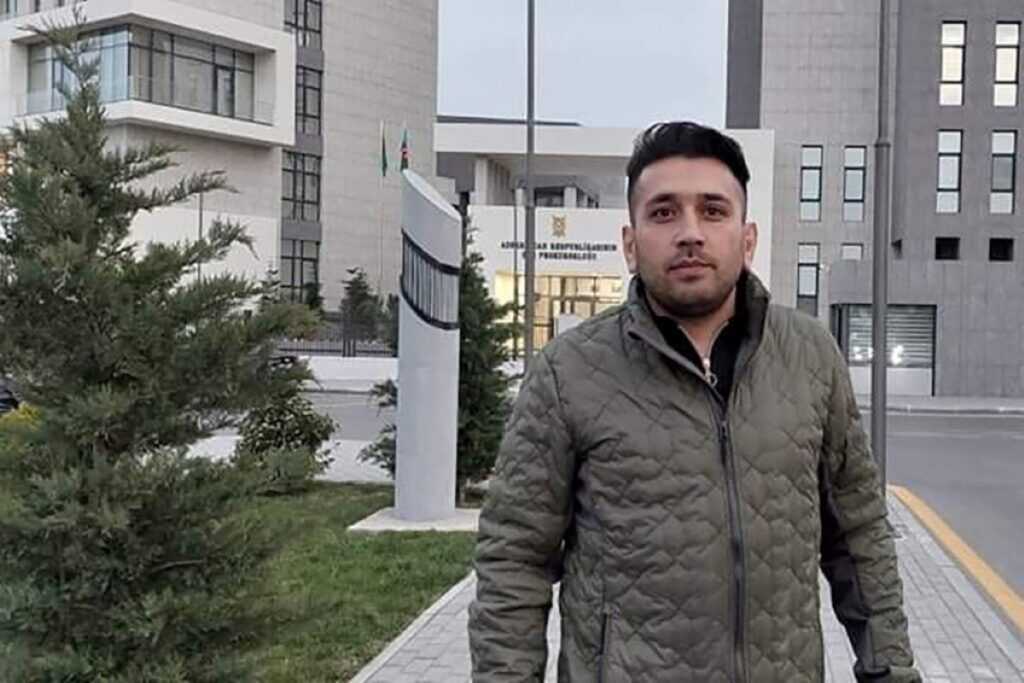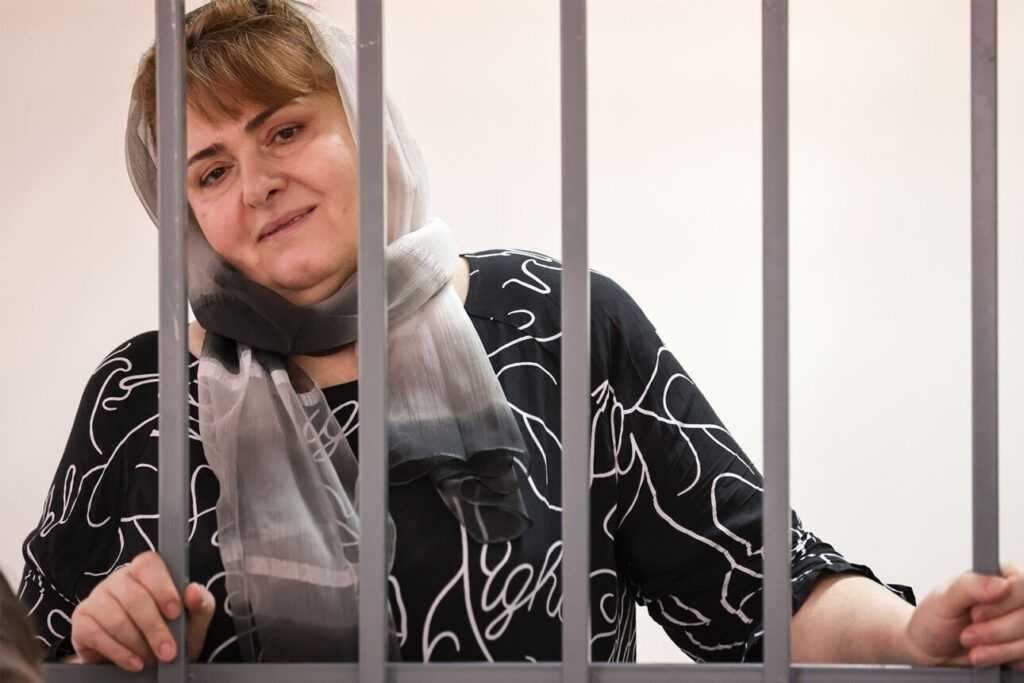
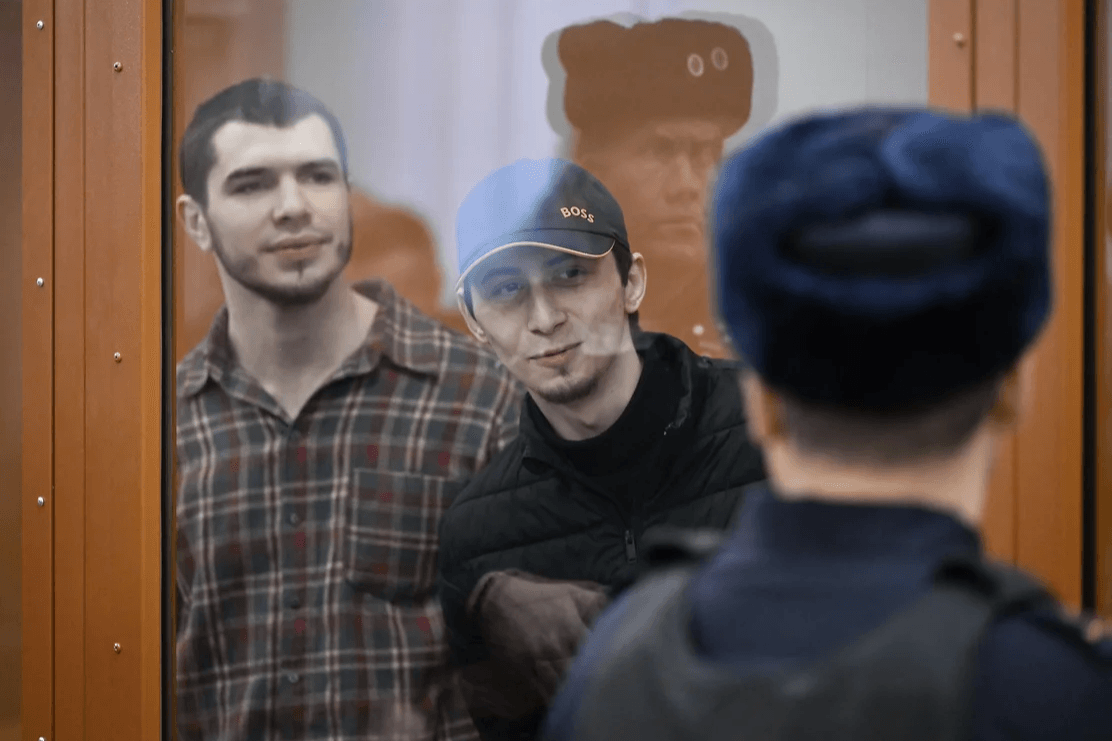
Two Ingush men, Ramazan Padiev and Batukhan Tochiev, were respectively sentenced to 18 and 22 years in a high-security prison for their alleged complicity in the murder of Lieutenant General Igor Kirillov, the head of the Russian army’s radiation, chemical, and biological defence troops.
They were sentenced by the Second Western District Military Court in Moscow, which also ordered them and other defendants in the case to pay compensation to the Kirillov’s family: ₽7.2 million ($93,000) to the general’s widow, Svetlana Kirillova, and ₽10 million ($130,000) each to Kirillov’s son and to the widow of Ilya Polikarpov.
The alleged direct perpetrator of the attack, Akhmadzhon Kurbonov, had been sentenced to life imprisonment, despite having pleaded guilty and actively cooperated with the investigation. Another defendant in the case, Robert Safaryan, was sentenced to 25 years in prison. According to investigators, he delivered the explosive components to Kurbonov. Safaryan stated that he did not know what the parcel contained.
According to the prosecution, Kirillov fell victim to a ‘plot by unidentified employees of the Security Service of Ukraine’, the alleged aim of which was ‘to sow panic and fear among the population and ultimately stop the special military operation’, the term Russia uses for its full-scale invasion of Ukraine. According to the case materials, Kurbonov was allegedly promised a reward of $100,000 and a residence permit in an unnamed EU country. Investigators claimed part of this sum was handed over to him in Baku.
Investigators claim that Tochiev and Padiev provided Kurbonov with accommodation in Moscow. According to the prosecution, Tochiev recruited Padiev for a reward of ₽8,000 ($100), while Tochiev himself, according to the case materials, received ₽12,000 ($130). The indictment states that Tochiev, who allegedly posed as an officer of the National Guard, told property owners that the accommodation was needed for his ‘comrade-in-arms’, who was supposedly being pursued by Ukrainian security services, so that he could live without registration.
The Russian Investigative Committee has stated that the preparation of the crime allegedly took place in four countries, and that the explosives were delivered from Poland, concealed in electric drills and fuel filters. According to investigators, Kirillov’s death resulted from multiple bodily injuries — it is reported that there were 130 wounds, most of which, as claimed, were caused by steel pellets used in the bomb as shrapnel.
In their final statements, Padiev and Tochiev denied any involvement in the murder. They said that they were engaged solely in renting out accommodation, did not hide from law enforcement agencies, and acted openly.
They also expressed sympathy to the widows of the victims and asked for an acquittal for themselves, saying that they ‘very much hope for the fairness of the court’.
Earlier, some Russian media outlets, citing sources in the security services, reported that the detainees were allegedly members of the ‘combat wing of the Batalhadzhi wird’, an Ingush religious brotherhood recognised as a terrorist organisation in Russia. Representatives of the organisation itself stated that Tochiev and Padiev have no connection to it. At the same time, a former member of the community, Shamil Bulguchiev, described these statements as false.
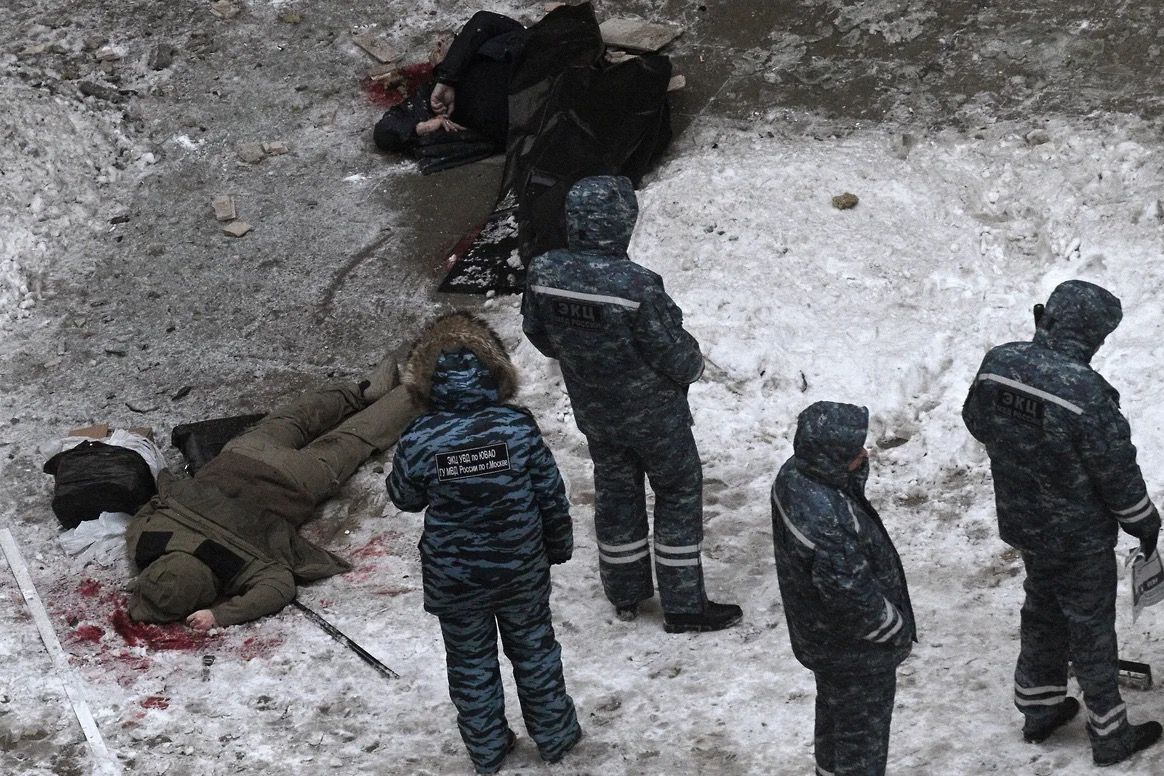
The murder of Kirillov took place in December 2024. An explosive device was planted in a scooter standing by the entrance of a residential building. From the outset, Russian authorities stated that Ukrainian special services were involved. Ukrainian officials have not publicly commented on these accusations.
Sources at The New York Times, Reuters, and the BBC Russian Service within the Security Service of Ukraine (SBU) confirmed that it was an operation carried out by the SBU. Kyiv considered Kirillov responsible for the use of chemical weapons against Ukrainian troops.
Kurbonov was detained the day after the killing, while Padiev and Tochiev were detained a month later.
 Elizaveta Chukharova