‘A quiet, creeping Russification’: the displacement of indigenous languages across Russia
According to the 2020 census, almost all national languages lost speakers despite the demographic growth of the corresponding ethnic groups.

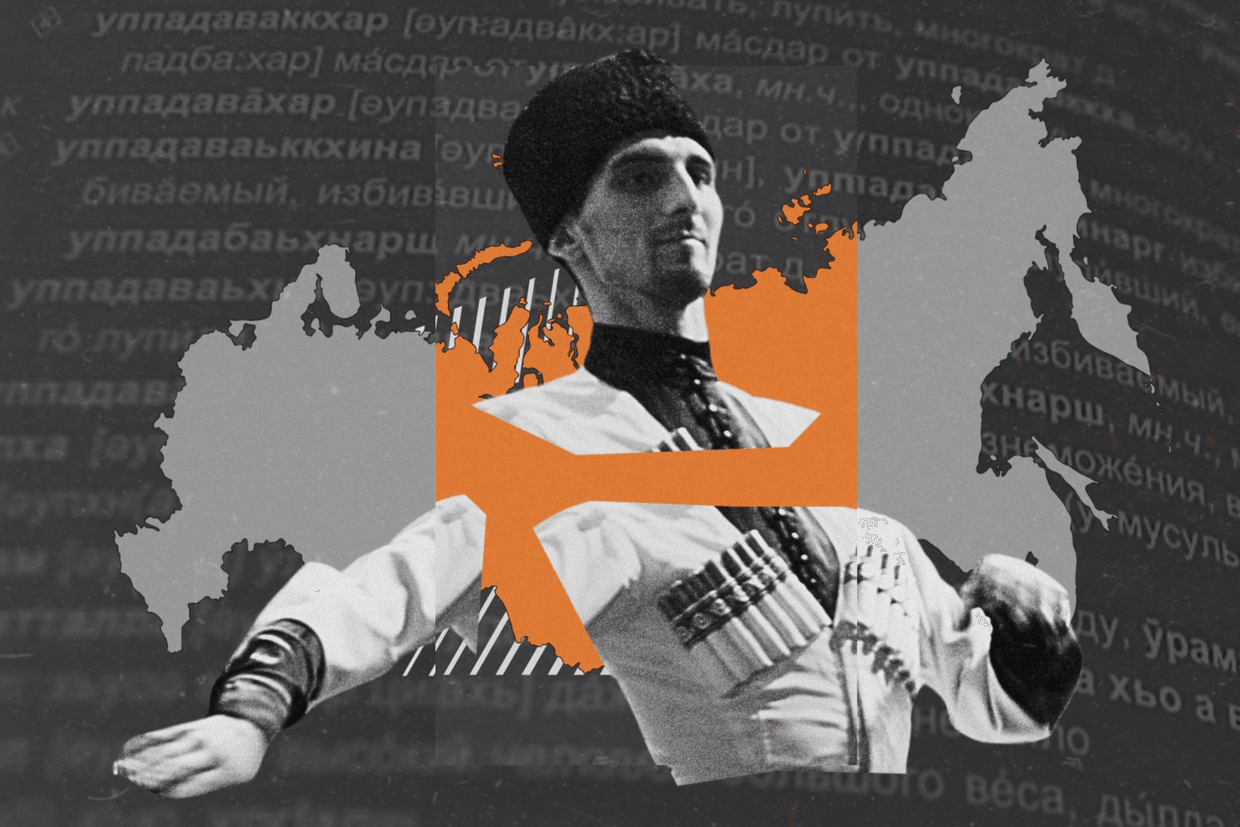
The Russian Federation is home to one of the most linguistically diverse populations in the world. According to estimates by linguists and state institutions, more than 150 languages are used across the country, belonging to different language families and groups. These include, in particular, languages of the Turkic group (Tatar, Bashkir, Chuvash, Yakut (Sakha), Tuvan, Altai); the Finno-Ugric group (Udmurt, Mari, Komi, Erzya, Moksha, Karelian); the Caucasian language families (Chechen, Ingush, Avar, Dargin, Lezgin, Kabardian); as well as Samoyedic; Tungusic-Manchu; and Paleo-Siberian languages spoken by the peoples of the North, Siberia, and the Far East (Nenets, Evenki, Chukchi, Koryak, Nivkh).
The share of Russia’s residents who identify a native language other than Russian is estimated at between 15%–20% of the population. However, the level of actual everyday use of these languages is significantly lower. In many cases, indigenous languages are preserved mainly within family communication, in rural areas or in cultural and religious contexts, while in urban settings and the official sphere they are gradually being displaced by Russian.
Over the past 25 years the Russian authorities have consistently pursued a policy that has contributed to the displacement of non-Russian languages from the public and educational spheres. This is reflected in changes to legislation, restrictions on the study of ‘native’ languages in schools, and other measures of centralisation.
As a result, even with the growth of the indigenous population, the number of speakers of such languages has steadily decreased — according to the 2020 census, almost all national languages lost speakers despite the demographic growth of the corresponding ethnic groups. According to experts, the combination of such measures constitutes a ‘deliberate strategy of linguicide’.
Martin Kochesoko, a Circassian activist from Kabarda–Balkaria, argues that this displacement of national languages is the result of a deliberate Russian policy to build up central authority following a period in the 1990s during which the regions within the Russian Federation were granted extensive rights.
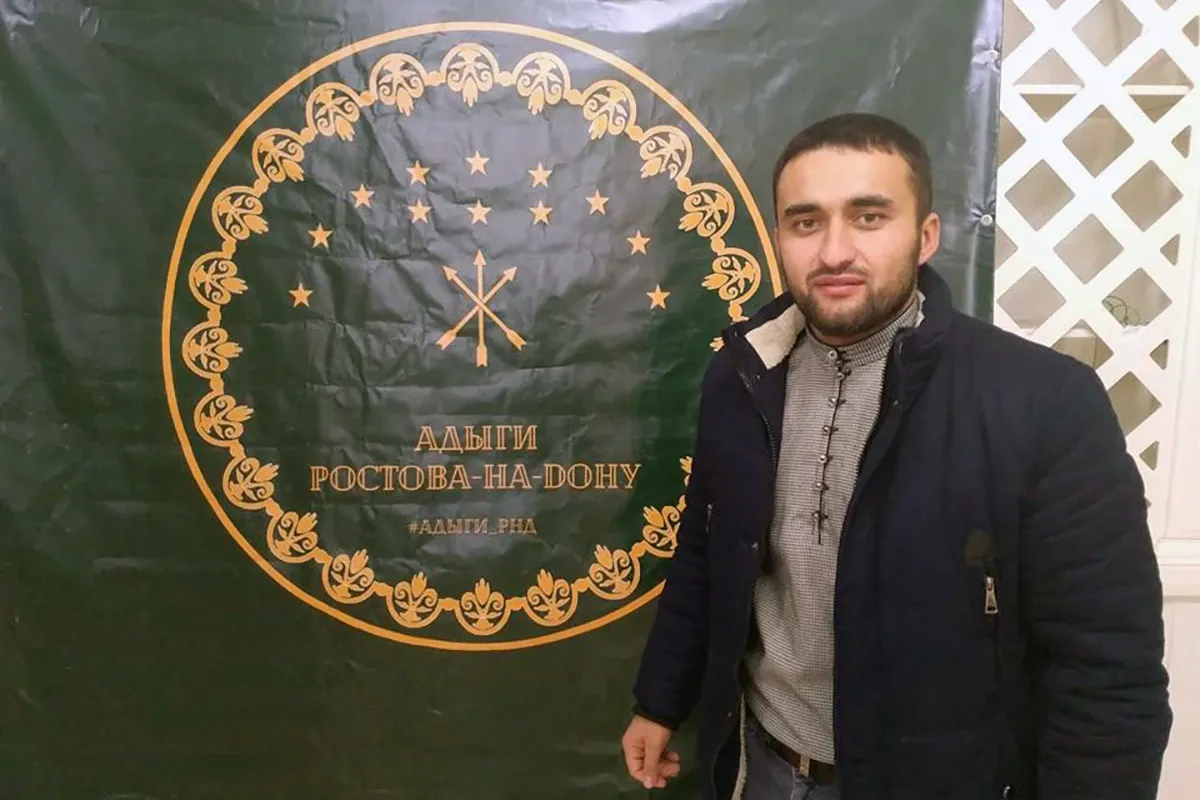
‘In Kabarda-Balkaria, for example, the head of the republic was called the president and was elected by the people in elections. The Interior Ministry, the courts, the prosecutor’s office — all bodies were subordinate to the republic, the parliament and so on. Local self-government was more or less developed compared with the current situation. And with each year there was less and less of this freedom, and today none of it remains’, Kochesoko explains.
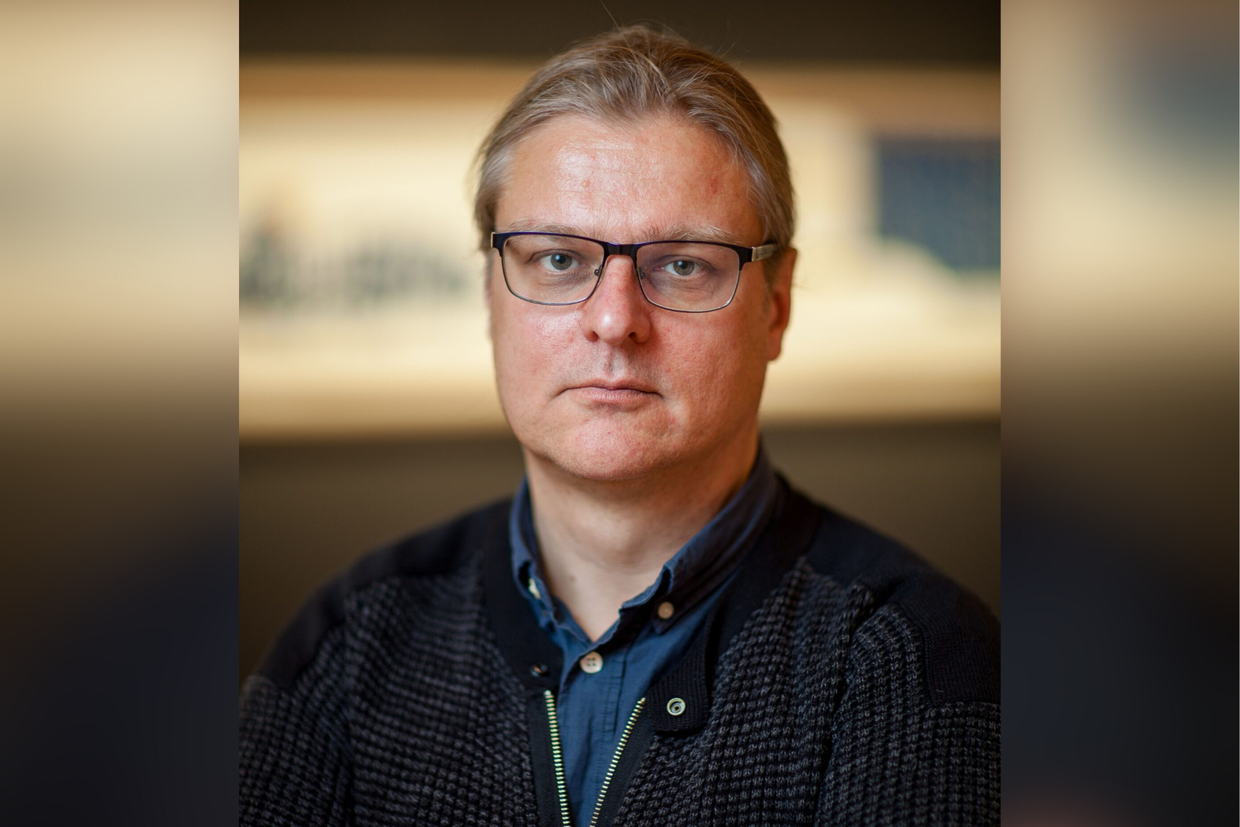
Dmitry Dubrovsky, a professor at Charles University in Prague who studies Russia’s nationalities policy, believes the current language policies go back even further, to the Soviet period.
‘This is absolutely a Soviet practice; in fact, it is a re-Sovietisation. If earlier, in the Soviet Union, studying one’s own language was still compulsory, while for Russians it was optional, now it turns out to be optional for everyone. The Unified State Exam exists only in Russian, and the national-regional component has simply disappeared. And parents have no incentive to send their children to study a national language. If it still had to be taken as an exam, then fine, but as things stand it is not needed at all, at least at school’, Dubrovsky says.
However, he adds that he would not describe Russia’s nationalities policy regarding languages as a ‘vector for destruction’.
‘The war being waged is, in fact, imperial; its logic is that Russian territories should return to Russia. But there is no direct goal of destruction. It is more like a quiet, creeping Russification, which, as in the Soviet Union, is always combined with rhetoric about multinationalism, national friendship, and so on’, Dubrovsky explains.
At the same time, such a policy leads to the role and importance of national languages declining, as in the Soviet Union, and to languages disappearing.
‘In the Soviet Union this was done by making the study of national languages in schools optional for Russians. And this led to only minorities becoming bilingual’, Dubrovsky says.
‘A deliberate policy to eradicate non-Russian languages’
The latest wave in decreasing the status of native languages began in 2002 — just two years after the beginning of Putin’s rule — the ‘Cyrillic law’ was adopted, according to which all state languages of the Russian republics were mandated to be based on Cyrillic. This effectively banned the use of Latin script (or other alphabets) and unequivocally strengthened the centralisation of language scripts.
A few years later, in 2007–2008, an education standard reform took place which abolished the ‘national-regional’ component of the state educational standard. From that moment, teaching native languages and native literature was effectively placed outside the compulsory part of the school curriculum.
The consequences appeared immediately: already in November 2008, the Ministry of Education and Science prohibited holding state exams in non-Russian languages. In 2009, Russia’s Supreme Court confirmed the legality of the Unified State Exam to be held ‘only in Russian’ in all regions. The authorities presented this as unification, but critics noted that the educational system de facto ceased to perform a national-cultural function.
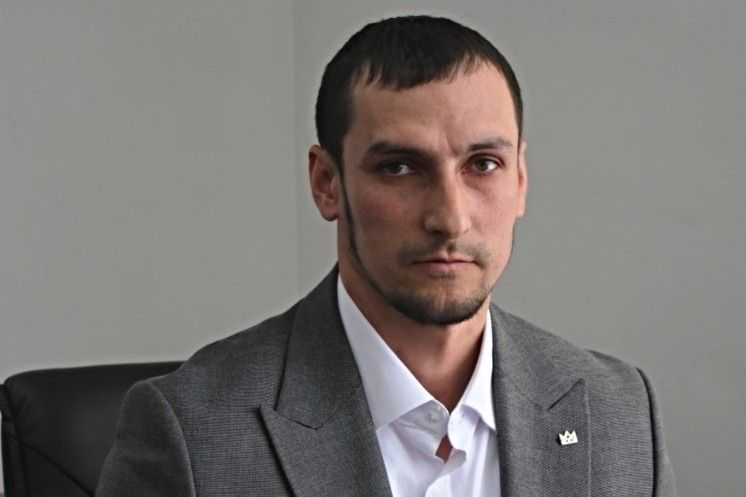
‘It was the hardest blow to national languages,’ Bashkir activist Ruslan Gabbasov tells OC Media. ‘It severely undermined the national education processes, because we had our own schools. It also severely undermined teachers, because in a small village, school means work. Without a school, young families don't stay’.
‘This is undoubtedly a deliberate policy to eradicate non-Russian languages, 100%. This is simply proven by the facts’, Gabbasov adds.
Then, in 2017, the Russian government introduced rhetoric regarding the voluntary study of national languages. That year, Putin publicly stated that children must not be ‘forced to learn a language that is not native to them’, and instructed regional leaders to ensure only the ‘voluntary’ study of languages.
As a result, in July 2018, the Russian Parliament adopted a law abolishing the compulsory study of state languages and the languages of indigenous peoples in schools. Now, learning a mother tongue is possible only at the request of parents.
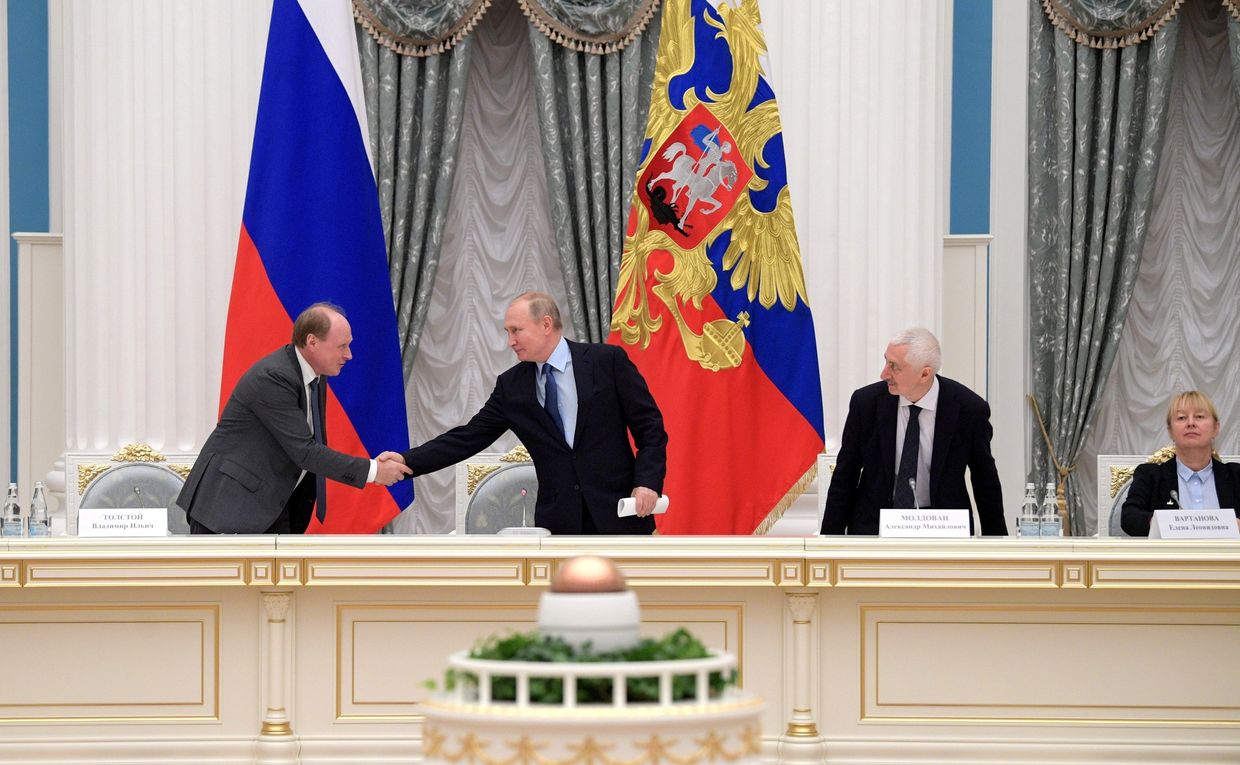
The law caused widespread discontent: activists and experts considered it to be ‘grossly violating the constitutional rights of the republics’ and stated that it undermines interethnic peace.
According to Russian specialist in sociolinguistics and the preservation of minoritised languages Vlada Baranova, despite the discontent, there was a rather active group of parents who demanded such a law, as well as a ‘strong demand in society for russification, a noticeable desire that Russian be the main language for those for whom it is dominant’.
‘In many regions there were active protests by parents who had moved there to work from other regions of the Russian Federation. Their children attend school, and they do not want their children to have an additional regional language; they want to spend this time studying a foreign language or a second foreign language, or preparing for the Unified State Exam. They have their own ideas about how they see their children’s education’, Baranova tells OC Media.
 Mikhail Kaplan
She argues, however, that this is an ‘incorrect position’, one that is far from diverse ways of thinking.
‘But this group of parents, not necessarily ethnic Russians, moving between different regions of Russia, held rallies and protested against the large number of hours devoted to the regional component’, Baranova recalls.
In her view, no work was carried out with these parents, and no one explained to them why it is necessary to know the language of the region in which they live, even temporarily.
‘As a result, the law was adopted, and the situation turned out to be quite curious, because the law itself looks like a very liberal, libertarian idea. After all, parents can choose whether they need the language or not, which language they need, and at what level’, Baranova says.
‘But you cannot have five children’s parents come and say that they are from Korea and want the Korean language as their native language, while others say that they live in Yakutia and want Yakut, and a third group demands something else. This is what led to russification and the reduction in hours allocated to native languages. Classes taught in native languages were reduced most of all, because there were few of them to begin with. And, of course, the indignation of those who opposed this law and continue to regret it is primarily linked to the fact that, under the pretext of parental choice, russification has in fact taken place’, Baranova says.
According to Baranova, language policy picks up on conservative, right-wing, or anti-multilingual sentiments among part of the Russian population, although it could instead be oriented towards those who support diversity or towards the speakers of other languages themselves. Parents did indeed protest against the study of national languages, but appeals from Russians on various issues are usually ignored. In this case, however, the protests were responded to by Putin himself, as a result of which the law was adopted.
‘It’s like your tongue is cut in half’
‘After the adoption of this law, within six months, we had lost almost half of the young people who had been studying the language’, Anvar Kurmankaev, a representative of the Nogai national movement, says.
He adds that the law also led to cuts in funding previously allocated for language preservation.
‘[The funding was] cut to such an extent that many people began looking for money elsewhere and asked wealthy sponsors for help. To hold even a one-hour weekly lesson in the Nogai language, you need books. They had to raise money to print these books,’ Kurmanakaev says.
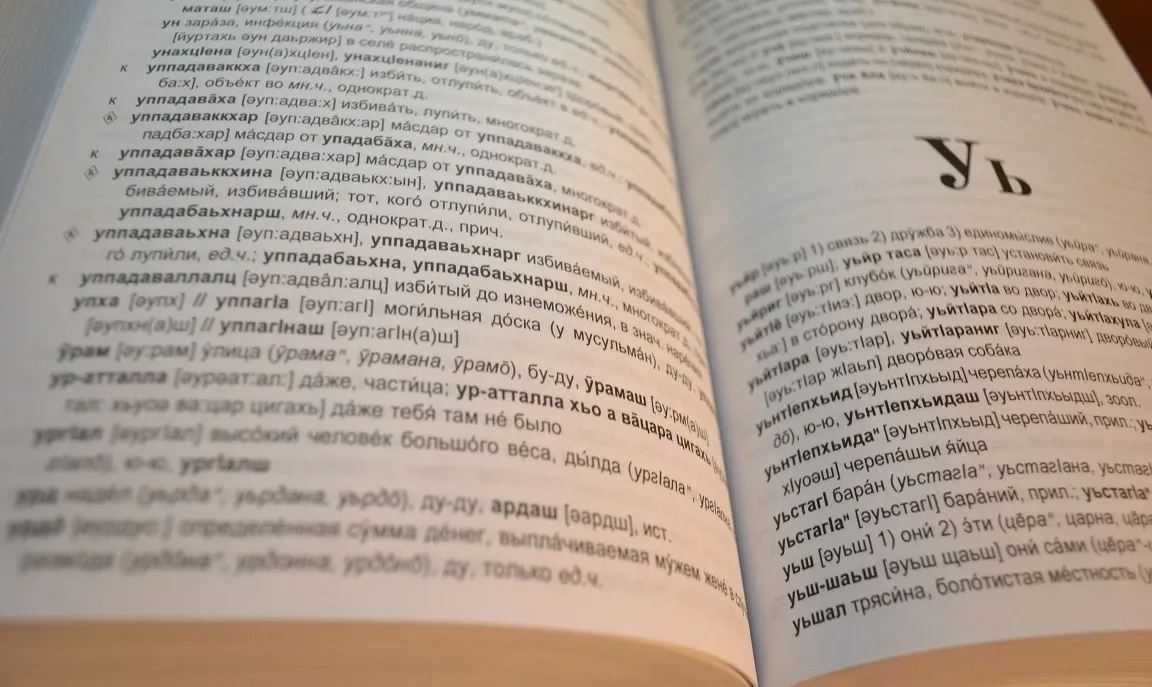
In a similar vein, Gabbasov worries that for small populations with few native speakers, there comes a point when they will no longer be able to restore their languages.
‘Assimilation is proceeding at enormous speed. The population is losing 200,000–300,000 [speakers] between censuses. It is very frightening’, Gabasov says.
Kochesoko agrees with this sentiment, arguing that the threat to a language can be assessed according to the size of the people and the compactness of their settlement.
‘If there is a certain mono-ethnic environment where people at least speak their native language in everyday life in the street, languages may still survive there, but in cities with mixed populations the threat is very great and can already be felt everywhere’, he tells OC Media.
Despite the legislation, however, there have been reports of schools, as well as individual teachers, taking it upon themselves to continue teaching minority languages to the best of their abilities.
‘It’s also this emotional thing going on because even if there’s a policy on the local level, people still think it’s important to teach the language to the new generation’, Lidia Zhigunova, an associate professor at Tulane University, tells OC Media.
Dominik K Cagara
‘When I was growing up in the late 1980s, when I was a student in a Soviet school, the situation with language was the same. Kabardian or Circassian was not taught as a required subject, […] it was like the seventh subject, at the end of the day, when everyone was tired’, Zhigunova recalls.
‘The kids wanted to go home, obviously. But our teacher was trying to gather us, all the Kabardian kids or Circassian kids, to drag into the classroom because she thought it was important, even though it wasn’t required’.
However, like Kochesoko and Gabbasov, she notes that the situation today is different given the decreasing use of native languages in the public space, as well as the decreasing presence of knowledgeable elders.
‘My grandparents, who were born before World War II, didn’t speak Russian very well. And when I was growing up, you would be exposed in the villages to a completely, 100% environment where the native language was spoken’, Zhigunova says, adding that her parents at home also spoke Circassian primarily despite Soviet schools teaching primarily in Russian.
She feels the lack of such support today is a ‘huge problem’, especially because kids are now growing up without being able to understand or know specific terms in their own language.
‘In Circassian or any other language, you have all the terms for the natural environment, names of trees, animals, everything. But we grow up knowing everything in Russian and nothing in our own language. It was a pain that I recognised later on’, Zhigunova says.
‘It’s like your tongue is cut in half, basically. That’s how you feel it’, she adds.
‘If there is no language, then there is no people’
In July 2020, a package of constitutional amendments was finally adopted, according to which Russian was affirmed as ‘the state language of Russia, as the language of the state-forming people’. At the same time, the provision granting the republics the right to establish their own languages disappeared. The authorities and state media presented this as ‘consolidation’ and as a guarantee of diversity, but critics noted that the wording emphasises the superiority of Russian and may weaken constitutional guarantees for protecting the languages of minority groups.
Further restrictions were to follow. In 2025, Russia’s Education Ministry presented new curricula in which the hours of ‘native language’ were cut in half.
At the same time, Putin established the ‘Day of the Languages of the Peoples of Russia’ — a symbolic date against the background of the actual optimisation of language instruction.
Taken together, these measures have significantly narrowed the sphere of use of non-Russian languages. According to Open Democracy, parents are increasingly choosing to educate their children in Russian, with the pupils themselves acquiring functional illiteracy in their native languages by graduation.
Numerical evidence of this process is provided by census statistics: over the past ten years, the number Ossetian speakers in North Ossetia has decreased by almost 43,000 people, of Kumyk in Daghestan by 63,000, and of Avar by 80,000, despite the fact that the populations of these peoples are growing.
Madina Aliyeva
Experts are now divided on what should be done to revive national languages.
In Gabasov’s view, languages can be restored only under one condition — independence.
‘People always look for what is easier. And if a person has known Russian since childhood, because there was Russification in the Soviet Union, then why should they learn [another language] when they can receive all services in Russian? Gabbasov argues.
Speaking about the case of Bashkir specifically, Gabbasov highlights that there are simply no specialists, doctors, or economists who can do their work using terminology in their native language.
‘It will not be possible to make, for example, the Bashkir language a state language immediately, because we have been part of Russia for so many years, and all our spheres are now in Russian’, he says.
Kurmanakaev similarly believes that if the Nogai people do not achieve their own statehood in the near future, the Nogai language will disappear completely, despite the fact that in the Middle Ages it was a language of interethnic communication in Asia.
‘Only the Russian language and the Russian nationality will remain. They need our lands, but without our peoples. They say openly that they are destroying us; they do not hide it. If there is no language, then there is no people. This is what is called mankurty — without clan or tribe, without father or mother’, he emphasises.
However, some, like Dubrovsky, believe that speaking out too actively in support of national languages can be dangerous at present.
‘Parents insisting on national languages may even face prosecutorial inspections – in case it is seen as some kind of nationalism or something of that sort, Dubrovsky warns.
For Zhigunova, the main issue lies in the purely symbolic recognition of native languages by the Russian government as opposed to genuine language revitalisation, which requires sustained state commitment, active community participation, and integration of the language into education, media, and civic life.
‘The result is a paradox: official recognition without functional protection, and legislation that legitimises assimilation under the guise of federal unity. By contrast, most successful language revitalisation movements — such as those in New Zealand (Māori), Hawai‘i (Hawaiian), Wales (Welsh), or Norway (Sami) — have taken place in democratic contexts where legal frameworks are enforced and where civic institutions allow for community participation, local autonomy, and accountability’ Zhigunova says.
‘If this formal recognition only remains symbolic just like in the Russian Federation, then there won’t be any progress, only continuous decline’ she concludes.