Abkhazia investigates threats made against Russian political consultants ‘working illegally’

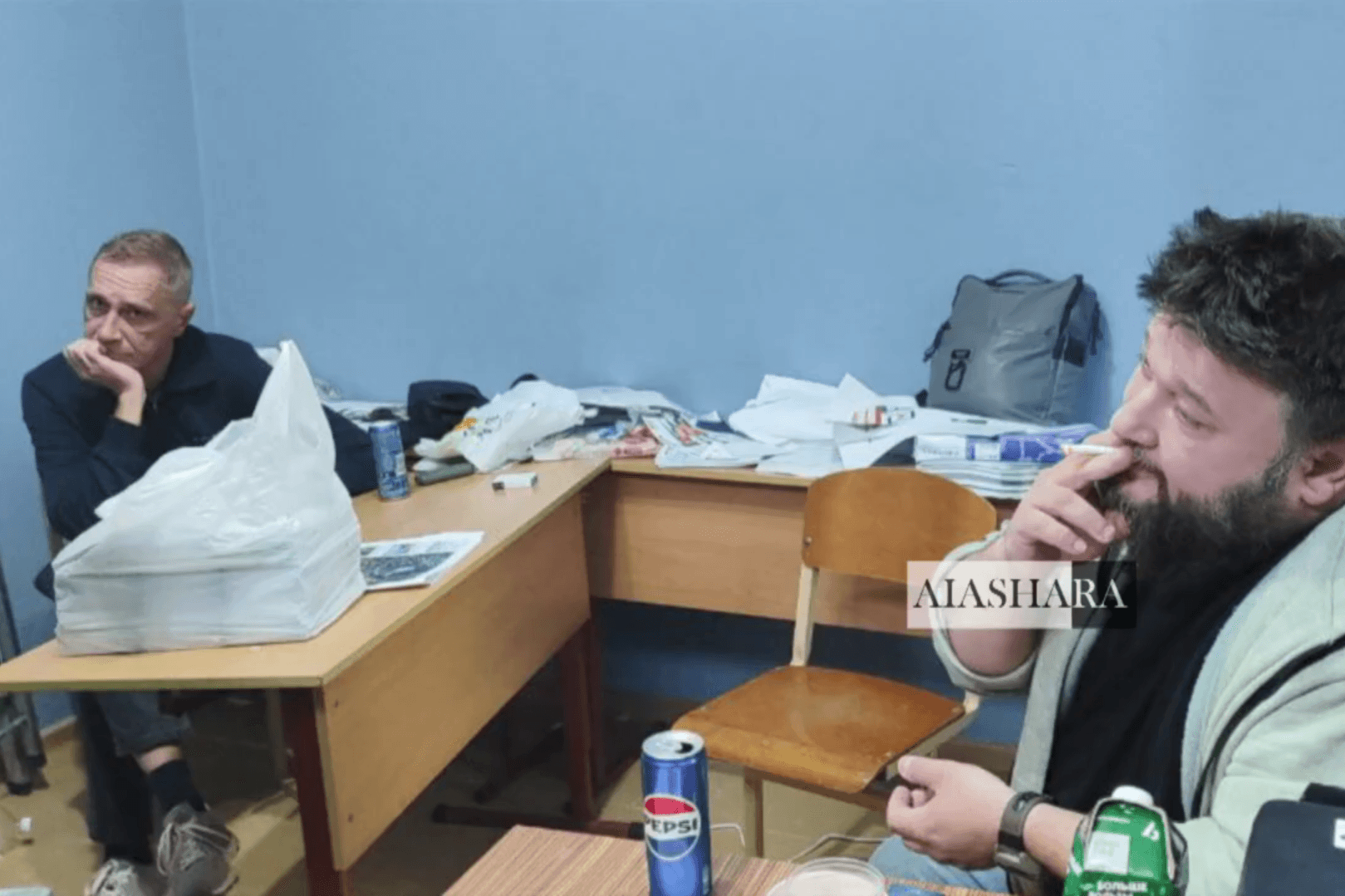
The Prosecutor General’s Office in Abkhazia has launched an investigation both against three Abkhazian opposition figures and three Russian ‘political consultants’ they had engaged in an altercation with ahead of November’s local elections.
The three Russian nationals are being charged with financing local election candidates illegally, while the three Abkhazian opposition figures were being accused of making threats of murder, violating correspondence secrecy, and theft.
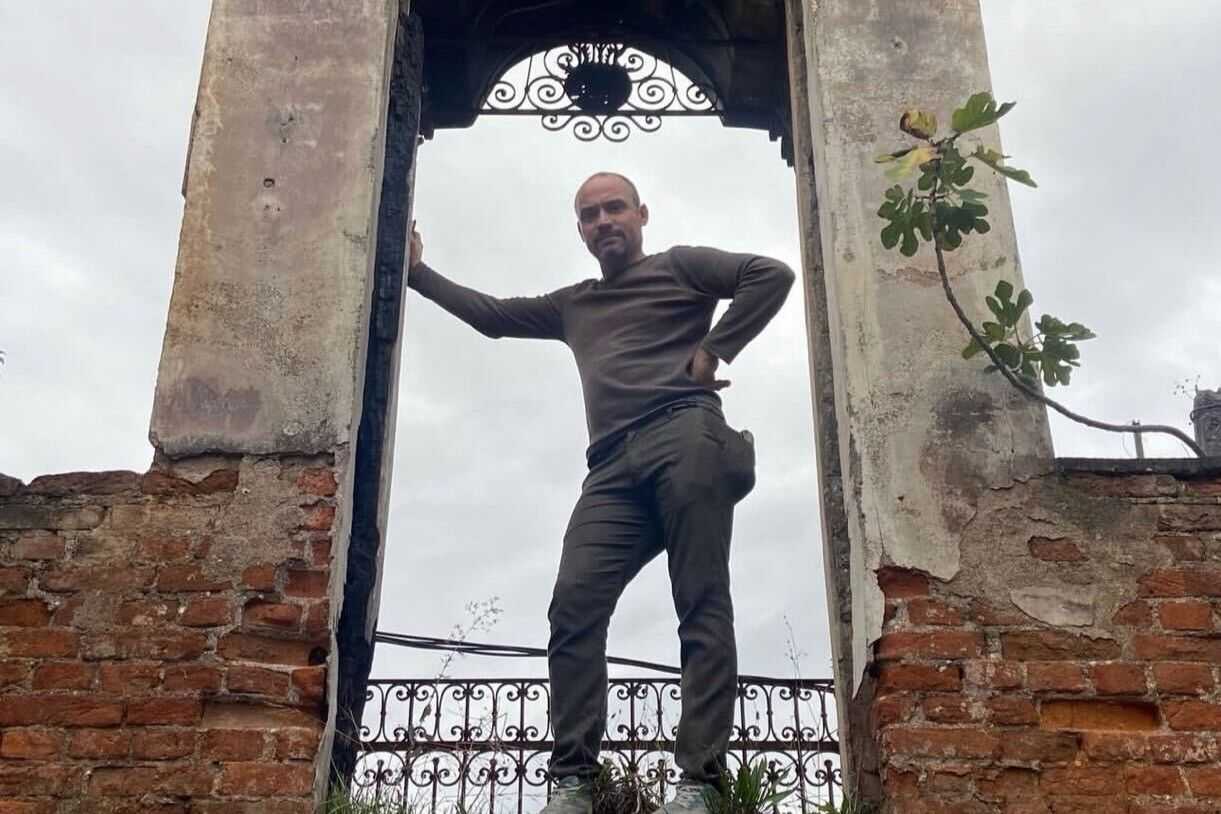
The three opposition figures — MP Kan Kvarchiya, Eshsou Kakaliya, and Khyna Dumava — were seen in a clash with the three Russian consultants, or ‘journalists’, who were subsequently deported. The three Russian nationals worked for Team Abkhazia during the elections, a controversial NGO widely seen to be acting as both the proxy of President Badra Gunba and Russia. The confrontation appeared to have stemmed from the belief that the consultants were working for Team Abkhazia without proper registration and accreditation.
In late November, Russia placed the three Abkhazian opposition figures under investigation on charges of armed robbery committed against the three consultants.
While the authorities in Abkhazia have not disclosed the names of the three consultants, they have been identified as Ivan Reva, Dmitry Budykin, and Pavel Timofeev in a video showing the confrontation.
‘To provide an objective assessment of the involvement of the perpetrators, a series of urgent operational and investigative measures must be carried out, which are possible within the framework of the initiated criminal case’, the Prosecutor’s Office reported.
The investigation’s launch has pushed opposition forces to join together, and they concluded that the investigation was an act of political pressure.
‘Today, it’s about the survival of our state, about the survival of the state-forming ethnic group’, said Aslan Bartsits, the leader of the Forum of National Unity party.
Kakaliya, one of the three figures under investigation, claimed that the opposition intervened and went to the office of Russian political consultants only after repeatedly warning the authorities that they were working illegally.
‘Foreigners were brought to Abkhazia to interfere in our elections. We warned the authorities about this. Repeatedly. We arrived when they started bribing minors’, he claimed.
According to former MP Ilia Guniya, the three Russian nationals who were discovered were just a small link in a large chain. According to him, foreign interference in the elections began during the presidential elections and continued during the municipal elections.
In his opinion, the opposition did the work of the authorities and law enforcement agencies by uncovering the work of the political consultants. He believes this to be an indication of official incompetence.
Akhra Bzhaniya, the head of the public organization Akhyatsa, published a post on his Facebook page stating that even the current government, which came to power with the help of Russian consultants, should understand that if the goals of changing Abkhazia’s status were achieved, they will subsequently get rid of everyone who contributed to it.
‘Those who are trying to persecute the Abkhaz public today and turn a blind eye to the actions of visiting consultants may soon find themselves under their own steamroller. How? It’s very simple — the Republic of Abkhazia, with its Abkhaz laws and Abkhaz elections, which provides them with jobs and social standing, could lose its independent status to such an extent that their services are no longer needed! Indeed, if our will can be guided by Russian political consultants, then why shouldn’t they guide everything else: ministries, departments, television, administrations, and state-owned enterprises? There will be more order and fewer difficulties,’ wrote Bzhaniya.
There has been no official reaction from the president or other government representatives, although opposition and pro-government anonymous Telegram channels have commented on the investigation.
For ease of reading, we choose not to use qualifiers such as ‘de facto’, ‘unrecognised’, or ‘partially recognised’ when discussing institutions or political positions within Abkhazia, Nagorno-Karabakh, and South Ossetia. This does not imply a position on their status.
 OC Media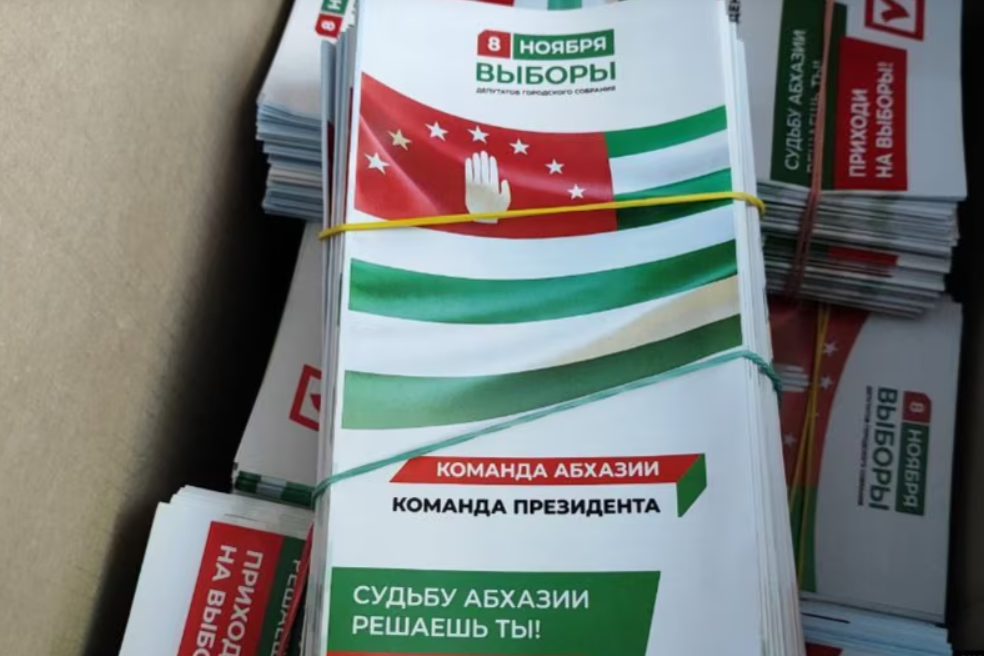
This article was translated into Russian and republished by our partner SOVA.