Amidst state pressure, a small Georgian party seeks a ‘new stage’ for change
Freedom Square sees anti-government resistance as important, but not enough on its own.

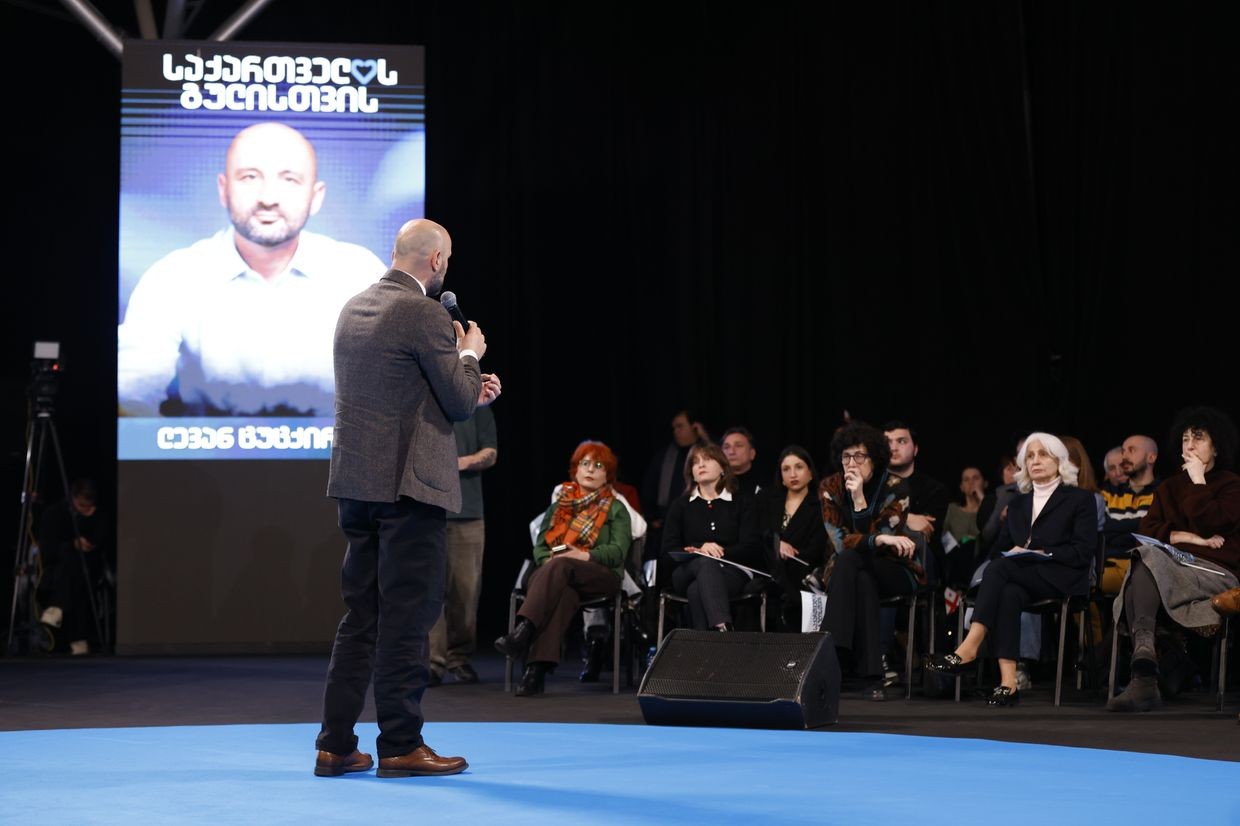
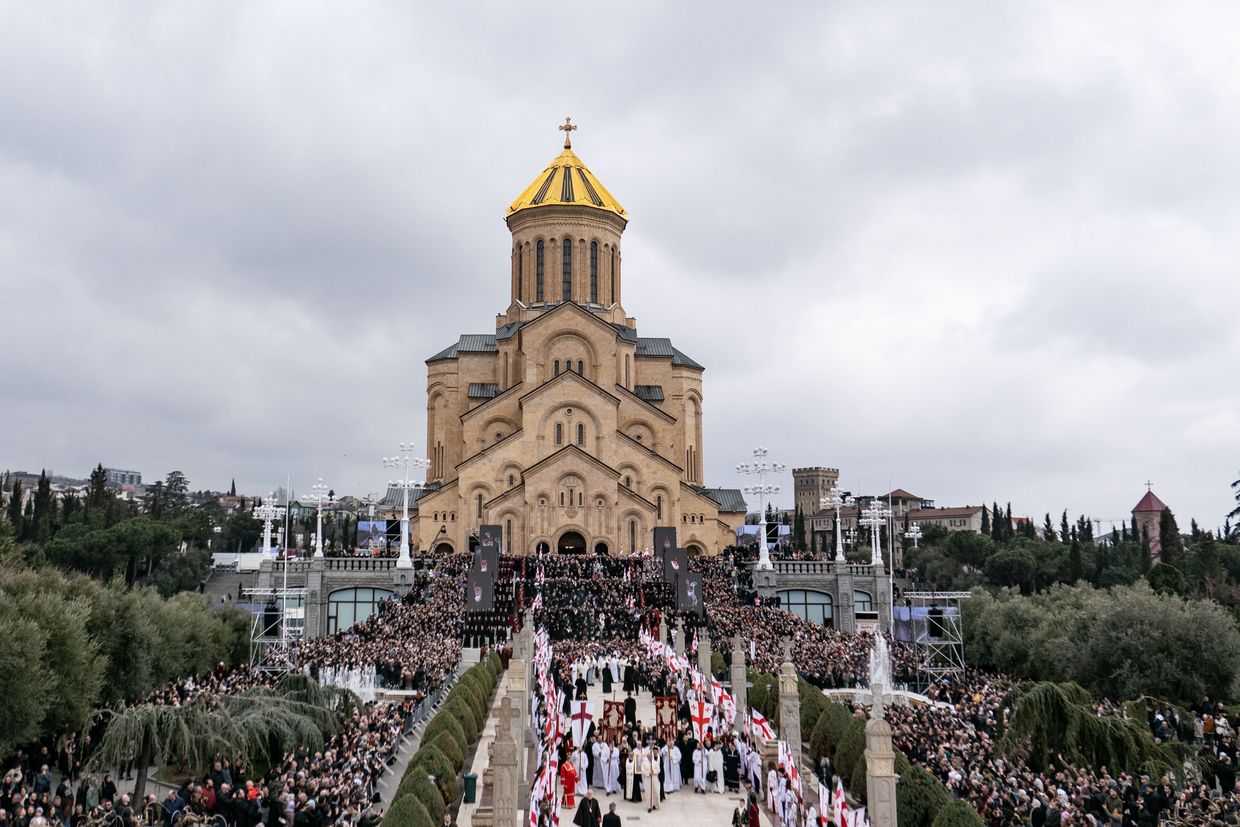
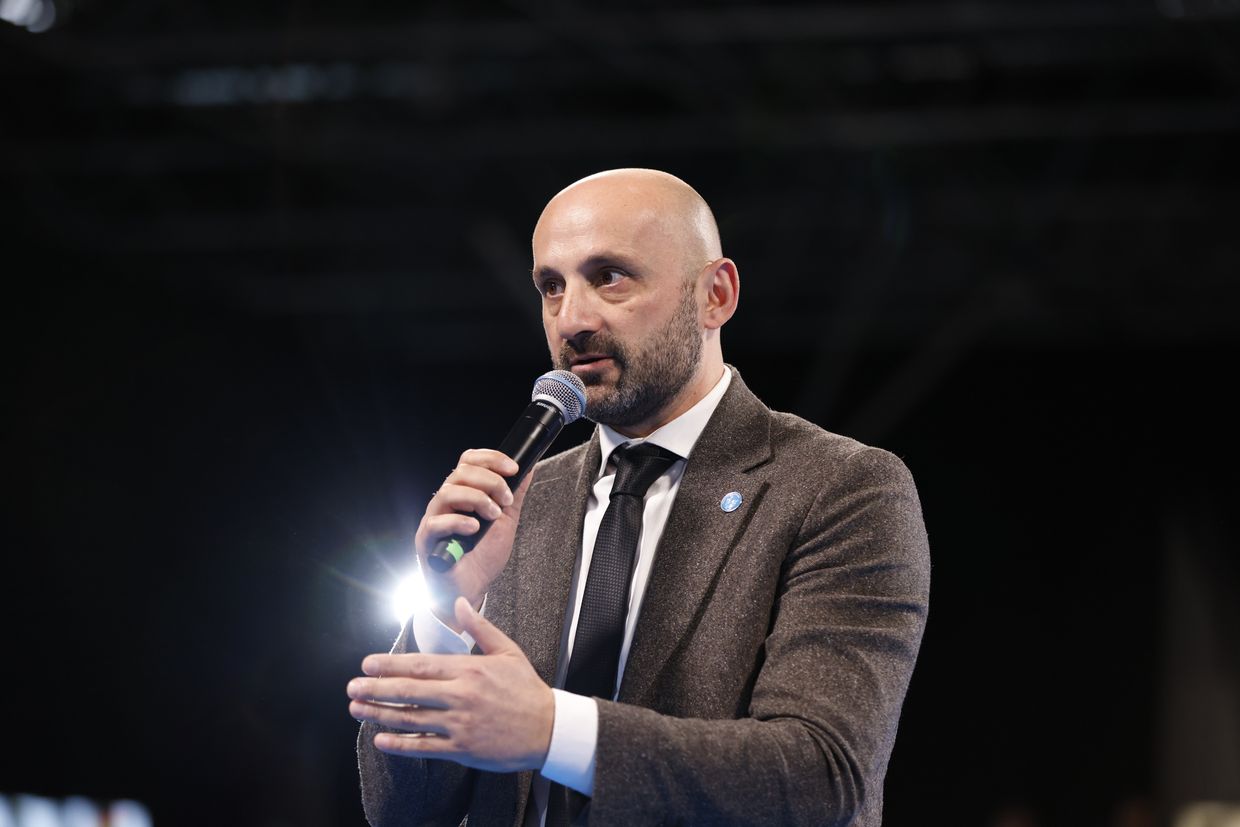
‘We gathered here not to sum anything up, but to begin a new stage’, Freedom Square founder Levan Tsutskiridze, who has a background in civil society representation, told the audience assembled in Tbilisi on 8 February.
The forum’s stated purpose was to ‘reconcile differing views’ and ‘develop a shared vision for the country’s future’. Invited speakers, including public figures, addressed different sectors, with actress Nino Kasradze discussing state pressure on culture and Ilia State University Rector Nino Doborjginidze critically evaluating the government’s controversial education reform.
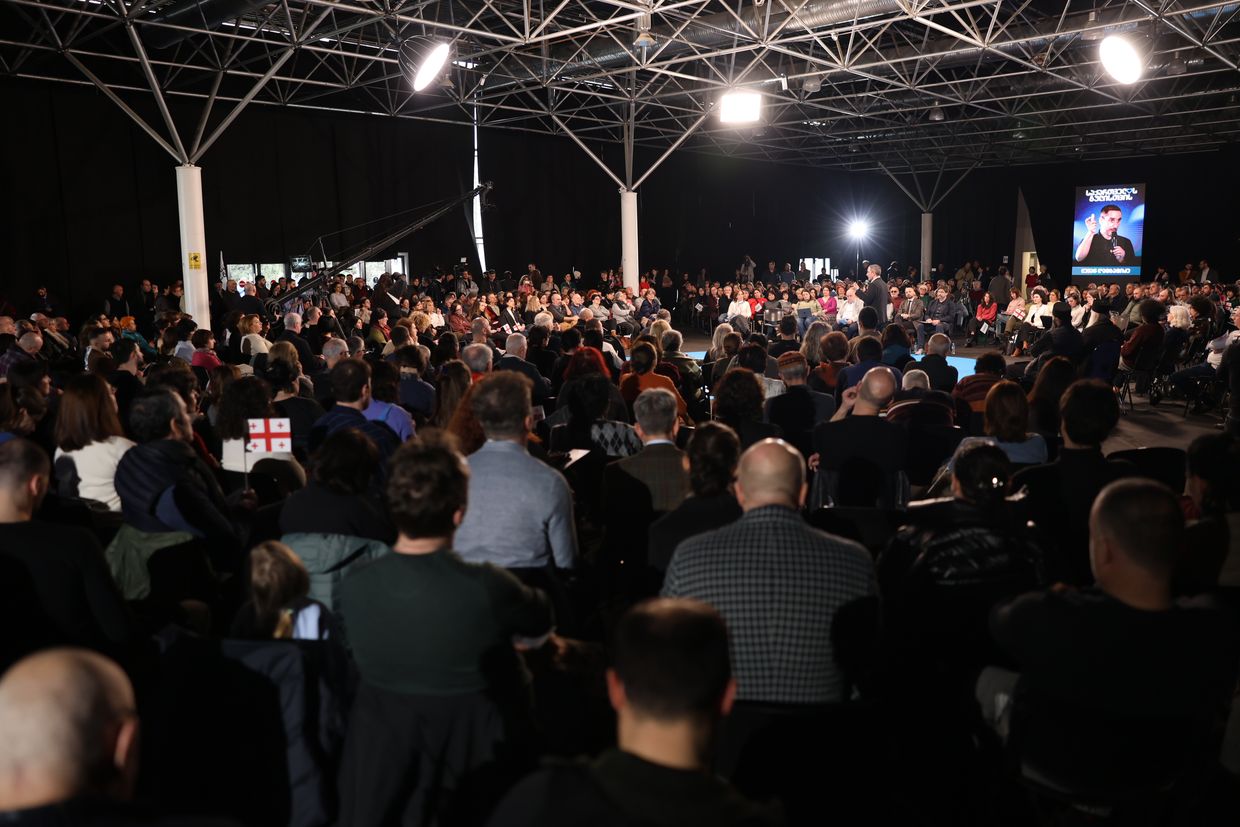
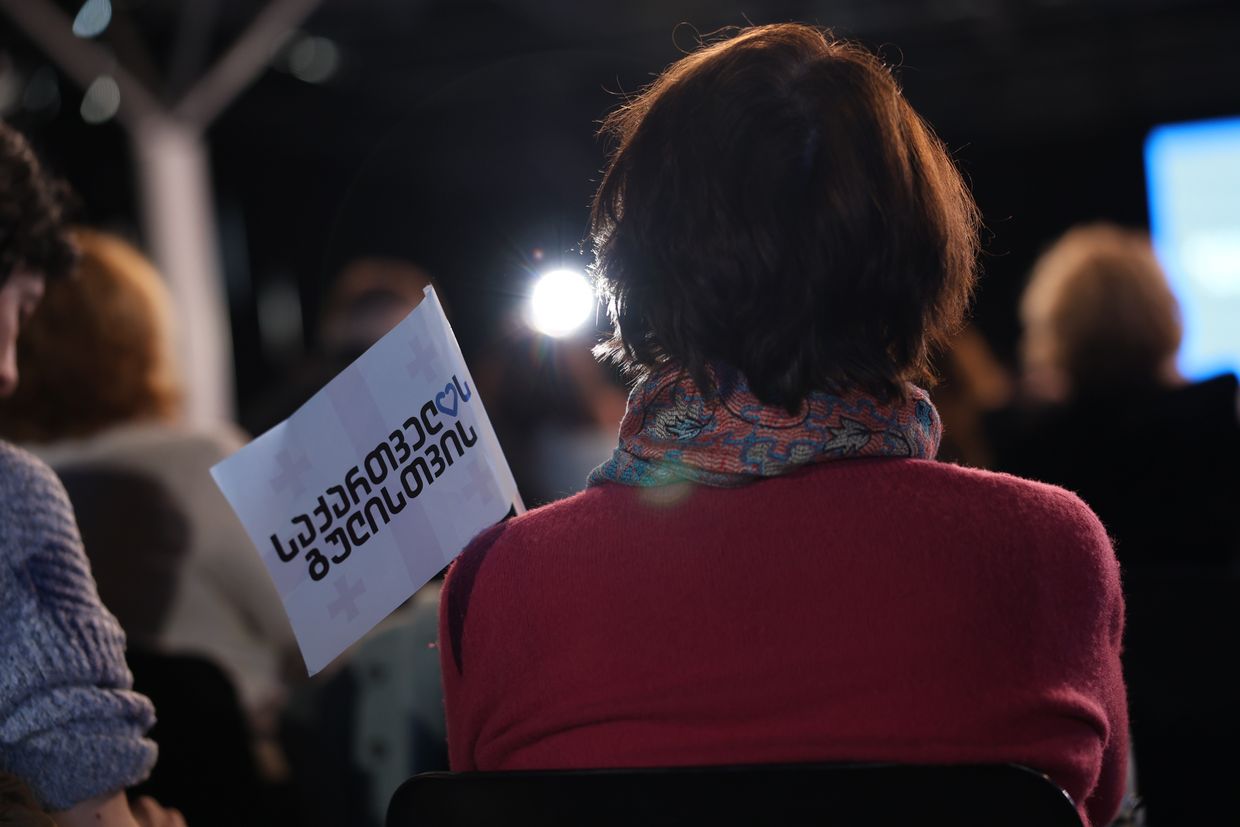
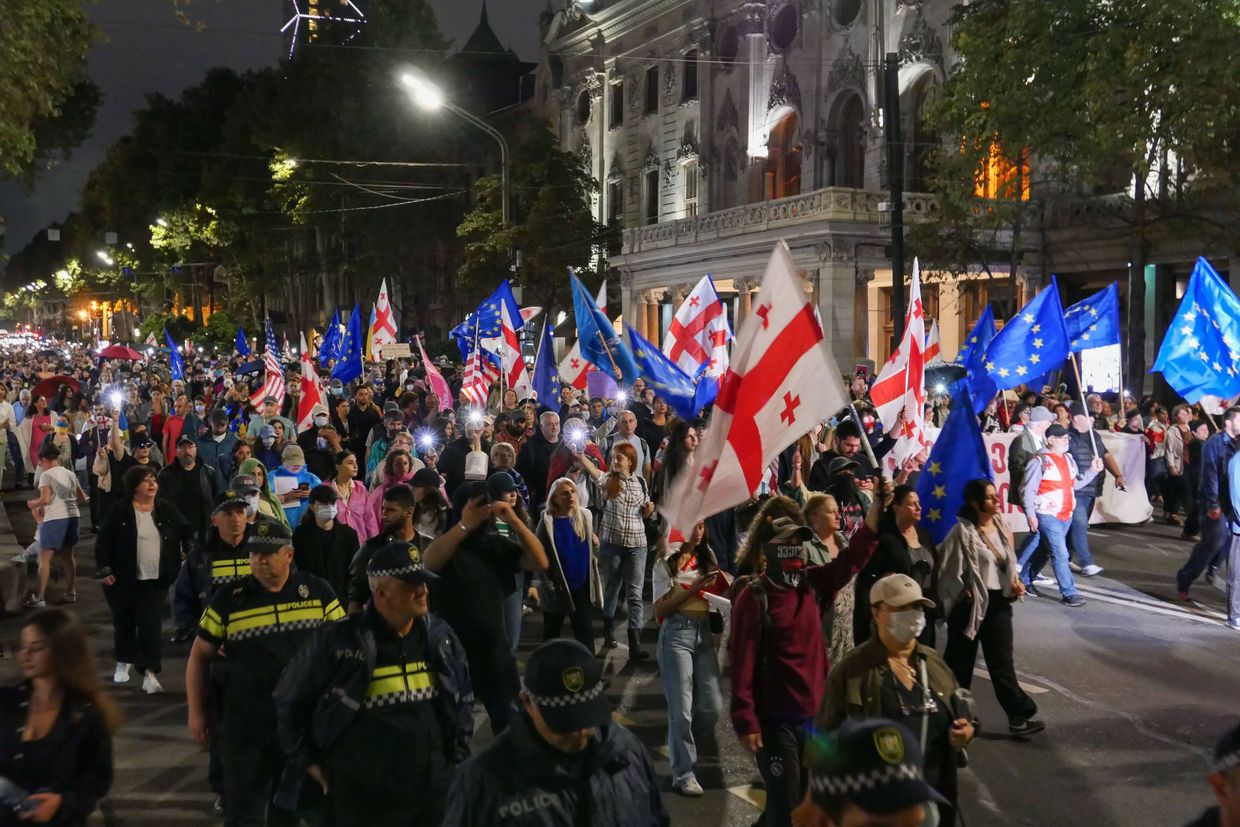
The forum, titled ‘A New Public Agreement — For the Sake of Georgia’, had been announced two weeks earlier and was co-organised with the civic movement Georgian Public Assembly. According to Tsutskiridze, around 800 people attended the forum — not necessarily all Freedom Square members or supporters, but still a notable turnout for a party event at a time when party labels are largely absent from Georgia’s broader anti-government movement, including the ongoing daily street protests.
Freedom Square began as a political movement in the summer of 2024, during the mass protests against the controversial foreign agents law. Declaring its goals as ‘saving freedom and democracy’ alongside EU membership, its founders were predominantly people without prior political experience, coming from diverse professional backgrounds, including civil society and academia.
By November 2025, when the group finally registered as a political party after bureaucratic delays, what many critics call the consolidation of authoritarianism was well underway: the foreign agents law and other restrictive legislation had been adopted, EU integration had stalled, several opposition leaders and dozens of anti-government protesters had been arrested, and a Georgian Dream-backed constitutional lawsuit to ban major opposition parties had been filed.
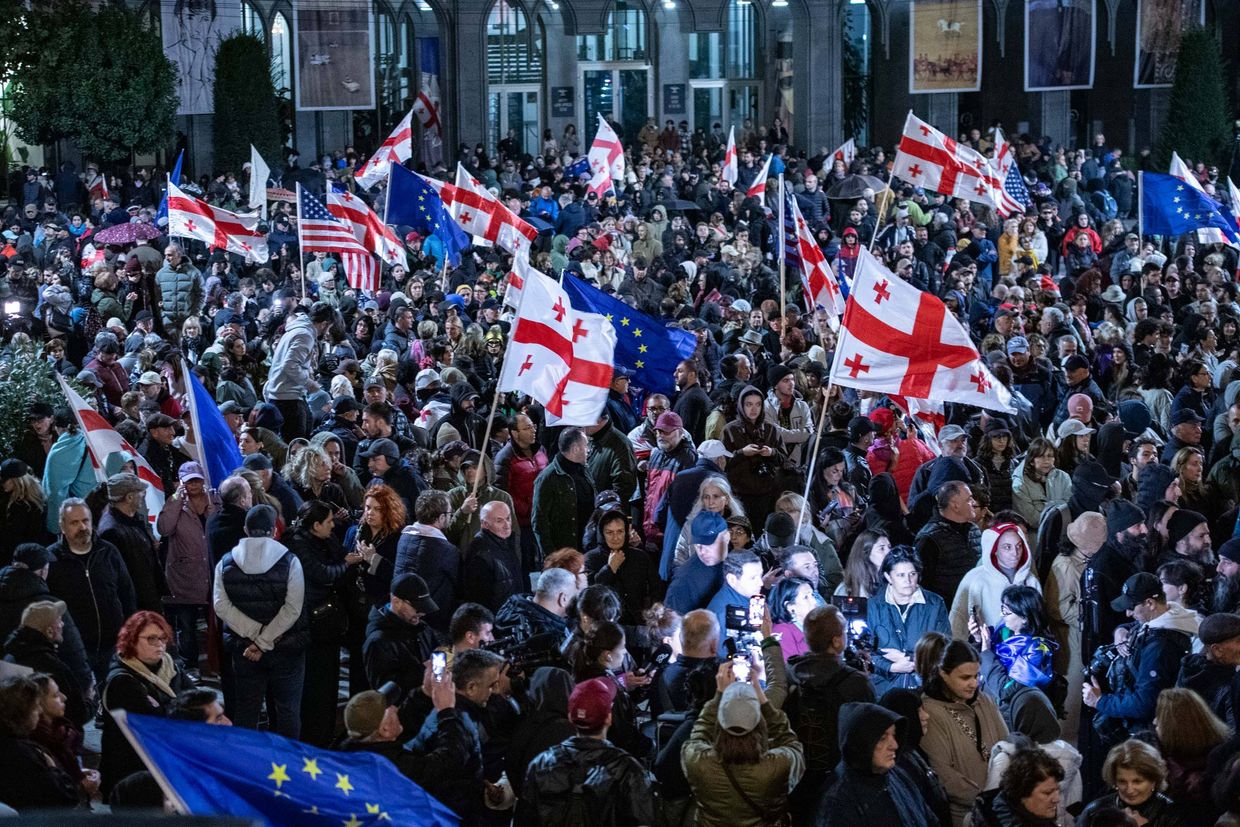
In this context, Freedom Square says it aims to turn the resistance — expressed mainly through daily anti-government protests in which its members actively participate — into ‘organised political action’.
‘We know what we are resisting […] but that is not enough’, Tsutskiridze said during the forum, adding that ‘if we remain only in resistance against something, we will end up in the trap set by Georgian Dream’.
Plans to create a new Georgian future
The party’s vision for the future is dominated by promises of accountability, justice, and political pluralism, but it also includes a focus on social welfare — an issue vital for many: ‘a pension should mean a secure life, not a daily dilemma over whether to buy medicine or food’.
‘It is very important to explain and articulate what kind of country this struggle should ultimately create’, Tutskiridze tells OC Media in a phone interview, noting that ‘it is easier to see and follow the path when you clearly know what you are fighting for’.
Within the party, several preconditions are seen as necessary for a government change. These include broad public agreement on the need for change itself, as well as convincing the population that there is a ‘real, credible alternative’.
‘This is especially important to make politically or civically engaged those who are dissatisfied with Georgian Dream but don’t see [its] replacement’, Tsutskiridze notes, pointing to ‘distrust’ toward the opposition, including parties that were once a part of ruling circles.
‘People remember certain things about some [politicians] that they don’t want repeated’, he adds.
The party also stresses that change must be achievable ‘through political means’, which Tsutskiridze defines as all ‘constitutional and non-violent’ methods, including elections. Although there are no longer unified calls for new elections by all opposition members — a key demand following the disputed 2024 vote — Freedom Square remains among those still advocating for a new vote to be held, alongside the release of imprisoned protesters, which continues to be a shared demand.
‘We must force Georgian Dream to hold elections and remove them from power through political means’, he says, emphasising that ‘Freedom Square will always be ready for elections’.
Freedom Square presented its vision for conducting fair elections in its ‘transitional period plan’, which, among other things, includes ‘quick steps’ to improve the electoral environment. In response to the question of under whose oversight the elections should be held, Tsutskiridze says that ‘in each specific case, we need to consider the particular circumstances’ , adding that this was a very theoretical discussion at this point.
To bring its views to a wider audience, Freedom Square says it plans to ‘travel across Georgia’ and deliver its message to ‘even the most remote village’. While such promises are common — and often unfulfilled — in Georgian politics, Tsutskiridze insists the party is already doing this.
‘If not every week, then at least every two weeks, we meet with fellow citizens, regardless of which district, city, or village they live in’, he said.
According to Tsutskiridze, the party aims to get such people politically organised — whether by ‘joining [our] party or by participating in forums like the [Tbilisi] one or other types of events’.
Under Freedom Square’s plan, forums similar to the one held in Tbilisi are set to take place across all regions of Georgia. In parallel, the party vows to establish ‘precinct and civic councils’ in different parts of the country.
By the end of the year, the party has announced a proposal for another, ‘large-scale’ gathering in Tbilisi, which will bring together people from across the country to approve a ‘further plan of the struggle’.
A cascade of obstacles
Distrust of political parties and public disengagement are well-known issues in Georgian society, with discussions pointing to the scarcity of fresh political actors.
‘There is no bond between the voter and the party, neither ideological nor emotional’, political science professor and the founder of the Georgian Institute of Politics (GIP) Kornely Kakachia tells OC Media.
Freedom Square highlights the lack of ties between its core figures and any traditional political camp as one of its main advantages. Kakachia agrees.
‘A certain segment of voters has always sought new faces and fresh ideas — people entering party politics who have no ties to either past or current governments’, Kakachia says.
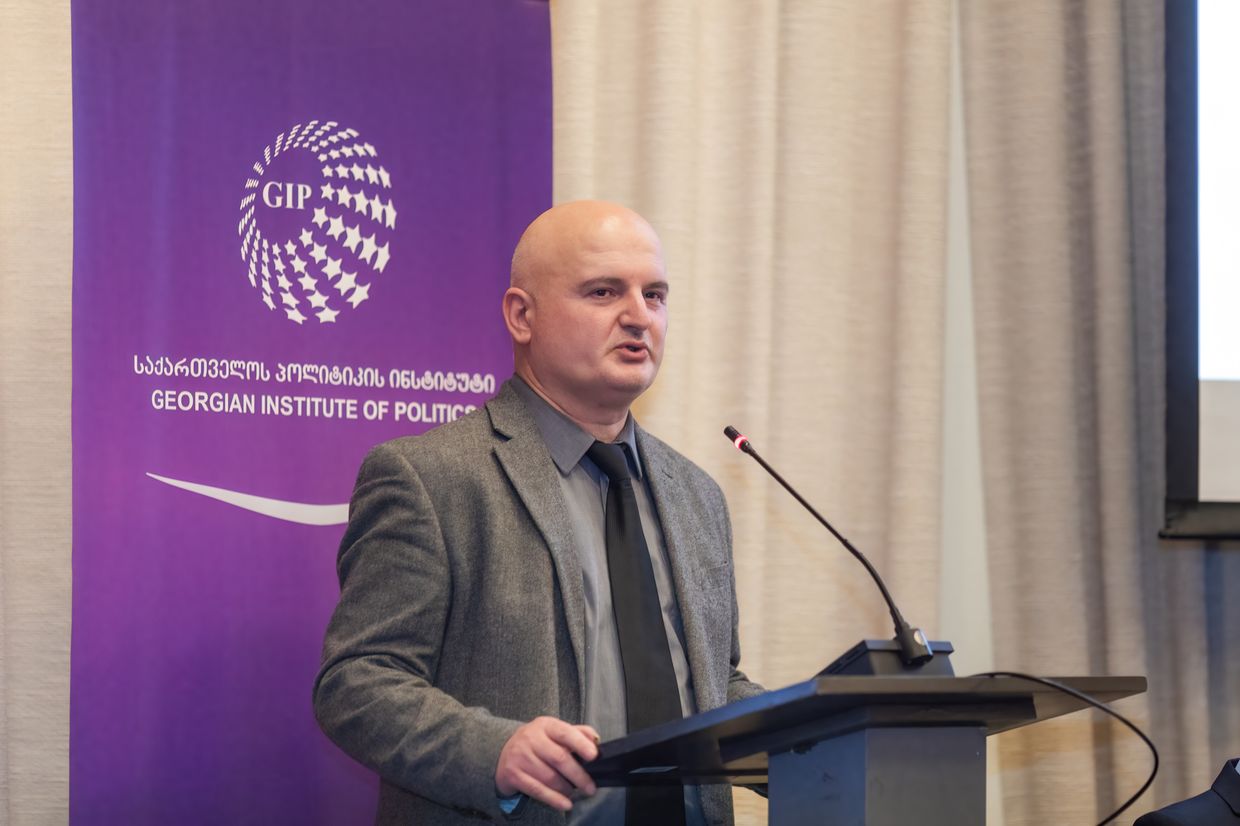
However, he also points to the party’s lack of nationwide visibility, noting that while it may be relatively well known in Tbilisi, its recognition across the rest of the country remains limited. In Kakachia’s words, it is ‘a serious challenge’ whether they will be able to grow.
‘They need to prove they can become national leaders […] People in every region, city, and village should know these individuals, trust them, and have ways to connect with them’, he adds, identifying one of the party’s risks as becoming ‘confined’ to a narrow circle.
This is just one challenge in a cascade of obstacles facing Georgia’s political opposition today, however, especially as internal divisions and social alienation mix with increasing state pressure. Political bans have now been simplified, with the ruling party hinting that any party it considers linked to those already challenged through its constitutional lawsuit could also be targeted.
 Mikheil Gvadzabia
The latest controversial legislation that is still pending could also restrict political activity for those who previously worked with international donors in civil society. This could directly affect several figures in Freedom Square, including Tsutskiridze himself.
Speaking about the expected risks, Tsutskiridze says the party ‘cannot act based on what Georgian Dream wants or plans to do’.
‘If we have the support of society, they won’t be able to destroy us. They may harm us, imprison us, or take other actions, but they cannot stop the movement we are starting’, he emphasises, while acknowledging a number of challenges, including a lack of funding.
‘Volunteer work is one of our main pillars, and the other is the donations that citizens make’, he says, adding that the existing resources ‘are by no means sufficient’.
In its short history, Freedom Square participated in the 2024 contested parliamentary elections as part of the opposition coalition Strong Georgia, which it left in March 2025 — before it was officially registered as a political party.
According to Kakachia, Freedom Square faces a dilemma: on one hand, the need to cooperate with other parties and bring in politically experienced figures, and on the other, the risk of alienating voters.
‘The challenge is that, as a new party, if it becomes too closely allied with another party, it risks losing supporters who back it precisely for its distinctiveness and novelty’, he says.
Tsutskiridze emphasises that the party is open to collaborating with any actor that shares its vision, but this does not mean assimilation.
‘On the contrary, we need to become an even stronger partner for others and contribute more to the common cause’, he says, while stressing the ambitions of his group:
‘We founded Freedom Square to become the main political force in this country. And we are pursuing this plan consistently’.
Mikheil Gvadzabia