Azerbaijan has begun imprisoning social activists and government critics under recently amended legislation that made ‘immoral activity’ and ‘disrespectful actions’ on social media an administrative offence.
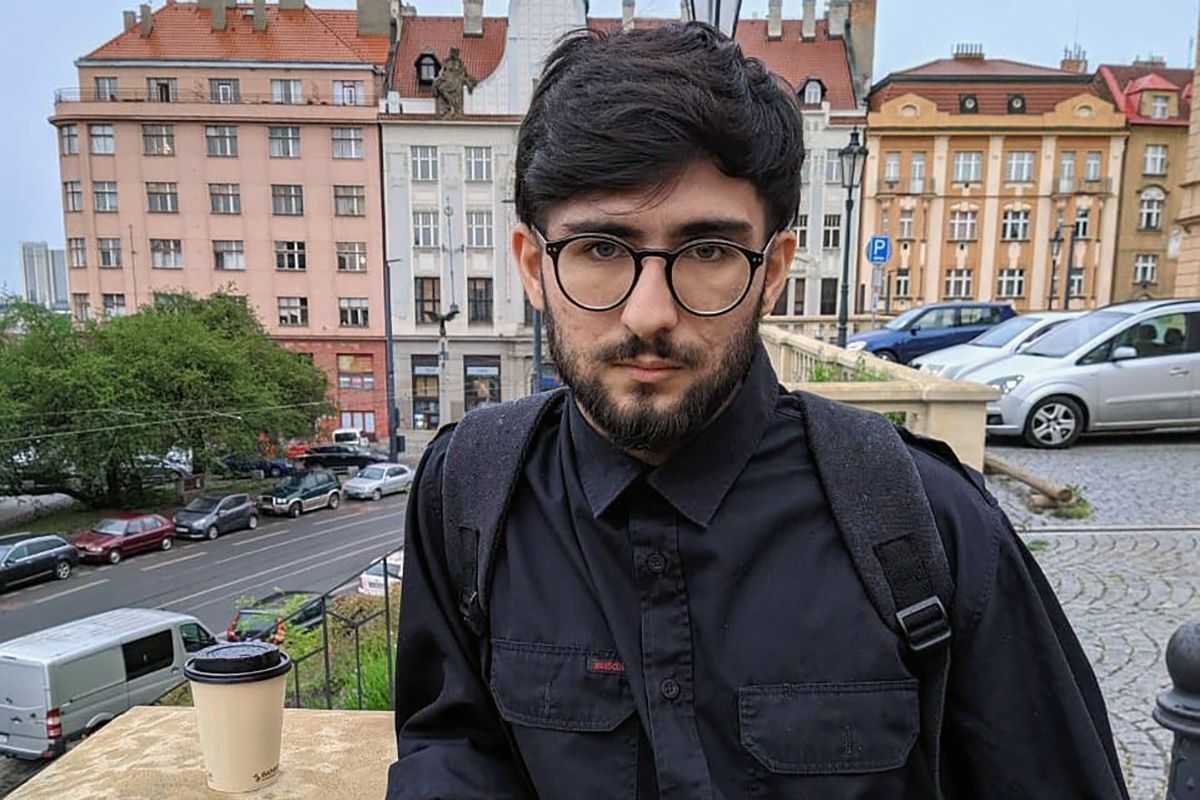
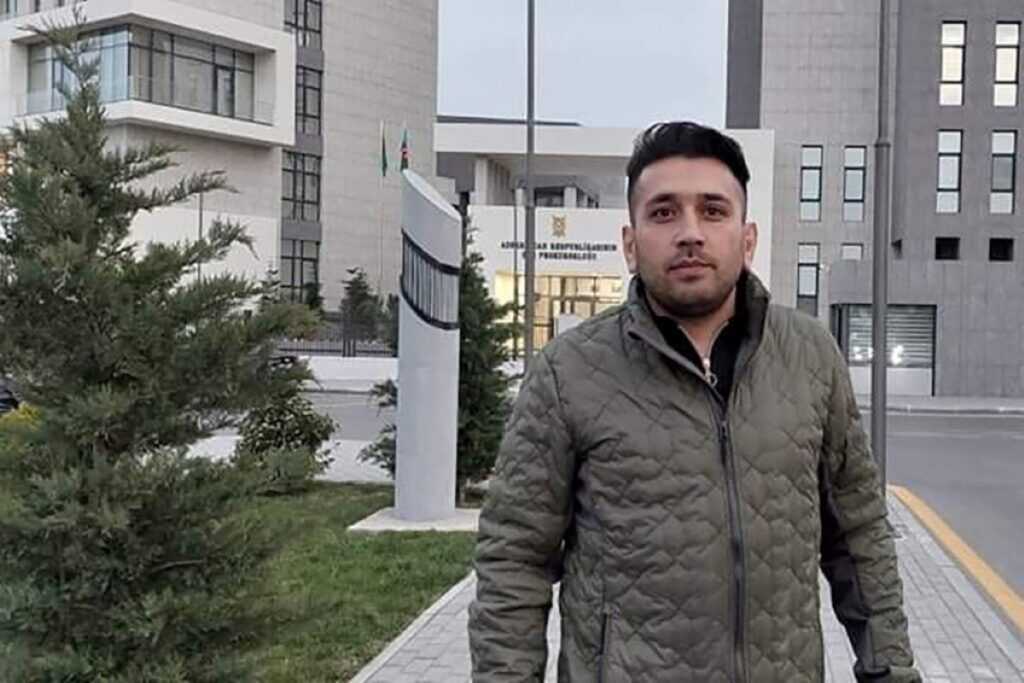
On 5 February, Movsum Mammadov became one of the first activists to be administratively detained for his comments on social media under new legislation defining ‘immorality’ as an administrative offence. Mammadov received 30 days in prison for his posts — text that exposed the many problems the residents of Azerbaijan’s central Kurdamir district face in their everyday lives, while also criticising state authorities for their lack of action.
His friends told the media outlet Qazetchi that on the morning of 2 February, Mammadov shared a post on Facebook stating that he was being taken into police custody. ‘Later, his post about [his] arrest and other critical posts were deleted. After that the activist was unreachable’, Qazetchi wrote.
 Aytan Farhadova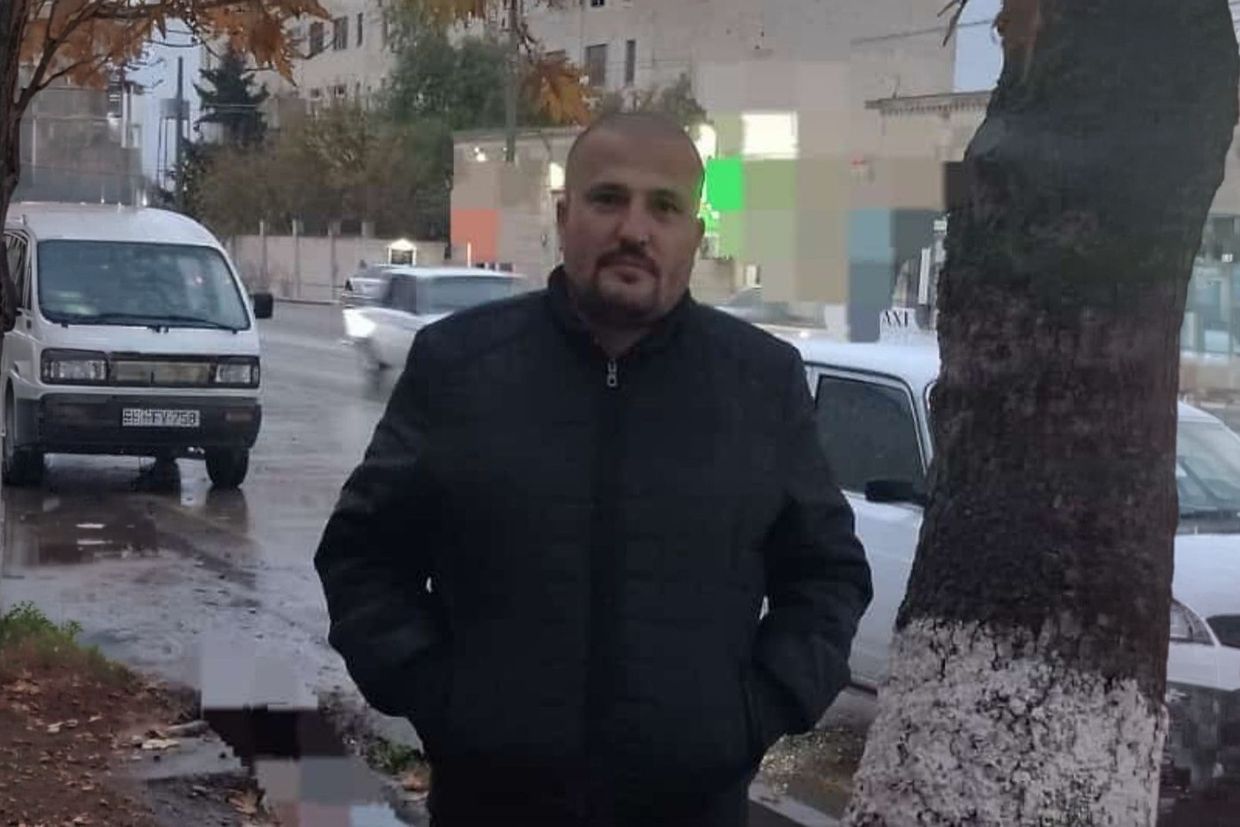
Azerbaijan’s Parliament first began discussing amendments to the information law — according to which ‘immoral activity on social media directed against society and the national morality’ will be considered petty hooliganism — in December 2025.
Certain text on social media has always been regulated by criminal legislation in Azerbaijan, namely insults, defined by law as ‘the intentional humiliation of a person’s honour and dignity in public speeches, in the media, [or] on an online information resource’. Those who fell foul of the law faced a fine of between ₼1,000 ($590) to ₼1,500 ($880), community service for a term of 240–480 hours, correctional labour for up to one year, or imprisonment for up to six months.
The new amendments, however, go a step further.
According to the final text, in addition to the ‘immoral activity’ section, ‘disrespectful actions’ on social media were made administrative offence, with fines ranging from ₼50 ($30) to ₼2,000 ($1,200) depending on the circumstances and if a repeat offence. The legislation also allows for administrative arrest of up to 30 days, or in the case of repeat offences, up to two months.
The amendments were approved by parliament on 15 January 2026; President Ilham Aliyev signed them into law on 26 January.
The state takes ‘total control’
The implementation of the new legislation has already drawn criticism from lawyers, who claim it is purposefully vague in order to further restrict freedom of speech in Azerbaijan.
‘This broad formulation […] is extremely vague and allows for broad interpretation’, human rights lawyer Yalchin Imanov tells OC Media, arguing that this violates the principle of legal certainty, one of the fundamental principles of law.
‘The law must be unambiguous, not allowing for multiple interpretations, and its consequences must be predictable’.
Imanov emphasises that with the recent changes, the right to freedom of expression is ‘completely limited and banned’ in Azerbaijan.
‘This is total control and a restraining effect. This is the basis for people’s self-censorship’, he says.
Human rights lawyer Fariz Namazli agrees with Imanov, telling OC Media that while freedom of expression is not an absolute right and can be limited, any such limitations are dependent on circumstances, and must be based on legitimate grounds. At the same time, if any restriction is applied, the rationale for said restrictions and the harm they cause to democratic society must be explained.
‘The previous administrative law linked petty hooliganism with a breach of public order; the new legislation changes this concept to “manifest contempt for society”, but does not explain what constitutes “manifest contempt for society” ’, Namazli says.
According to Namazli, the new amendments were adopted to further strengthen state control over social media. While previously social media comments could be prosecuted, such prosecution was based on criminal liability, meaning they entailed a guilty verdict. In contrast, administrative liability can be determined and applied immediately.
‘Previously, they couldn’t take action against any statements or hold individuals accountable for violating the law, but now they will view statements made on social media as immoral and hold individuals accountable’, Namazli says.
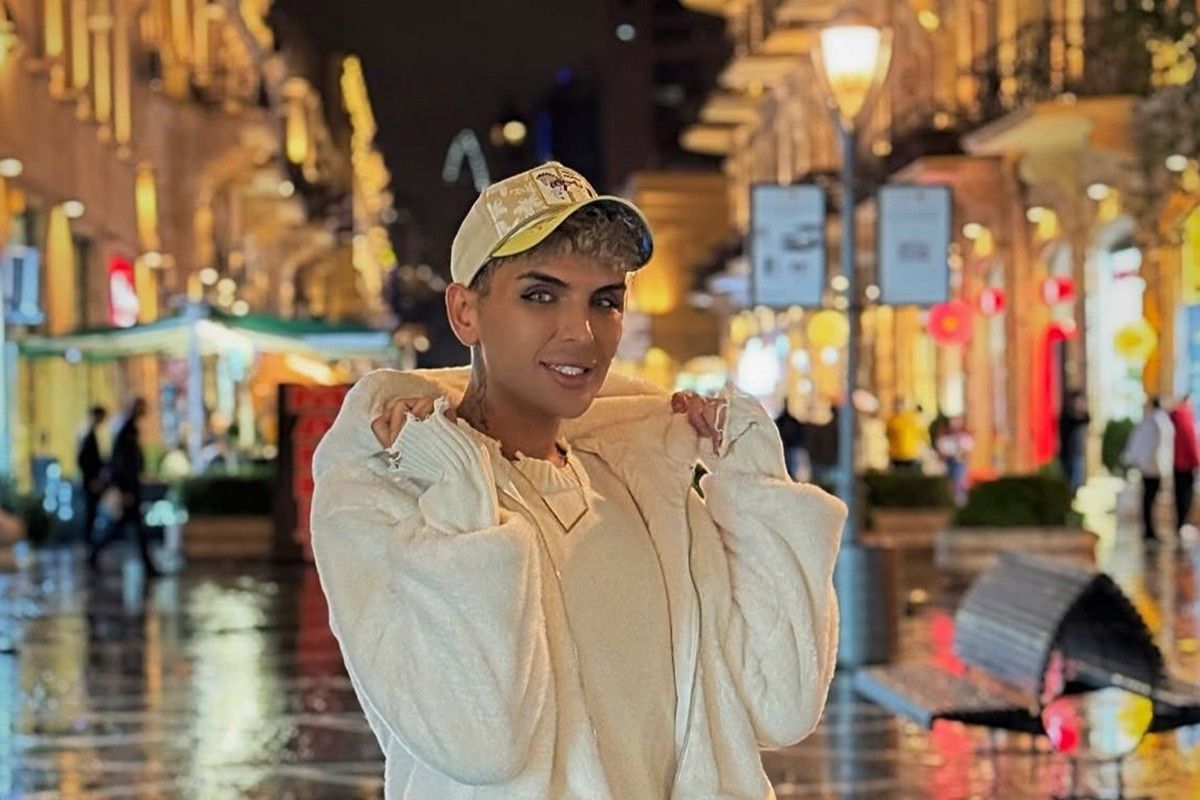
In turn, activists expect administrative detentions to continue. Shortly after the amendments were signed into law, news circulated on social media that queer TikToker Salman Mammadov, known for providing help to sick people and children, had been administratively detained for ‘immoral activity’ on social media.
Aytan Farhadova