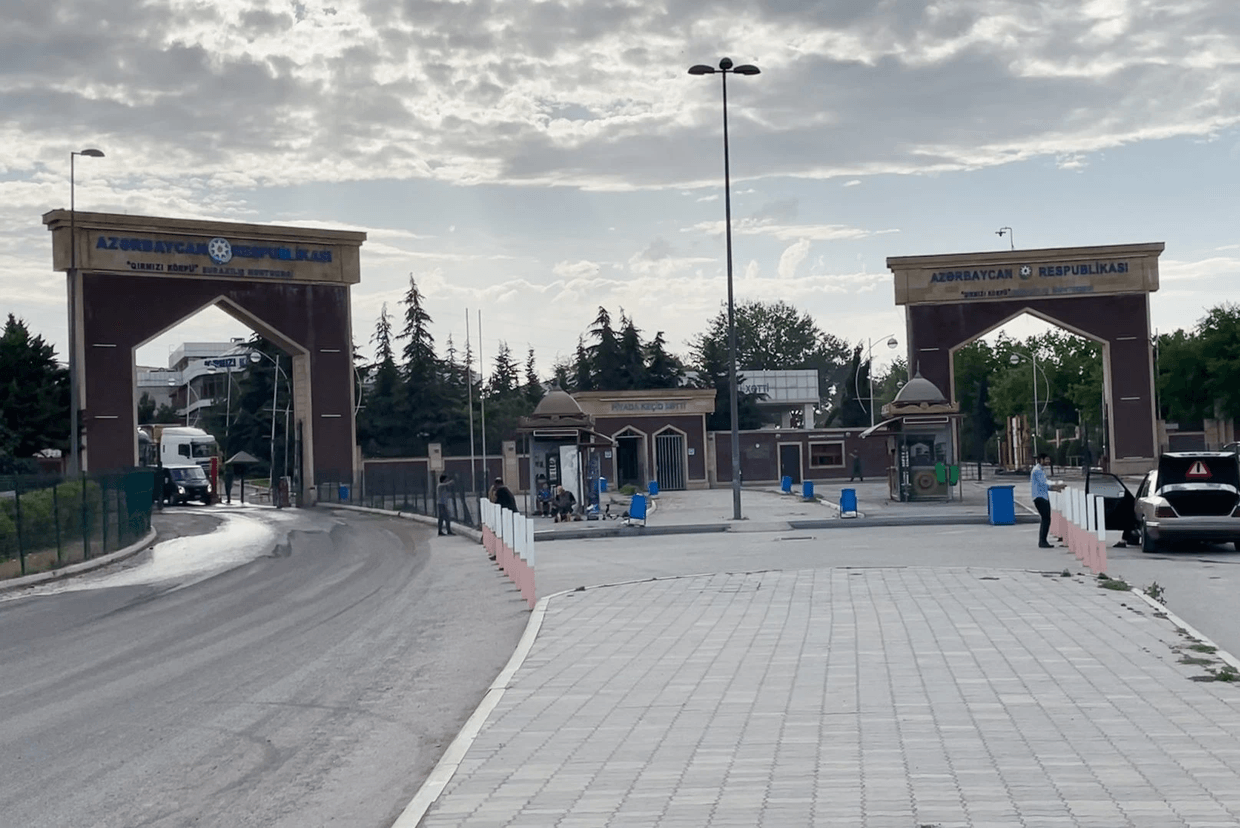
Azerbaijan has again authorised the extension of the closure of the country’s land border, ostensibly to help combat the ‘spread of the [COVID-19] pandemic’, until July 2026. Azerbaijan’s land borders have been closed since March 2020.
As with previous extensions, there were no specific reasons given beyond ‘prevent[ing] the spread’ of COVID-19 and limiting ‘potential complications’.
The order was signed by Prime Minister Ali Asadov on Monday.
The country has dropped all other anti-pandemic measures, including the use of facemasks and vaccination certificates, and has allowed Azerbaijanis and foreign nationals to enter the country by air without PCR tests or evidence of vaccination.
Cargo from Georgia, Russia, Iran, and Turkey has remained allowed to enter the country by land. In addition, it is possible to cross into Turkey over land from Azerbaijan’s exclave of Nakhchivan.
Azerbaijan’s borders remain closed despite the World Health Organisation announcing the end of the COVID-19 global health emergency in May 2023. The vast majority of countries across the world have lifted similar restrictions.
 Aytan Farhadova
Activists have long criticised the border closure, pointing to the significant burden it places on Azerbaijani citizens, many of whom cannot afford to buy plane tickets in order to leave the country.
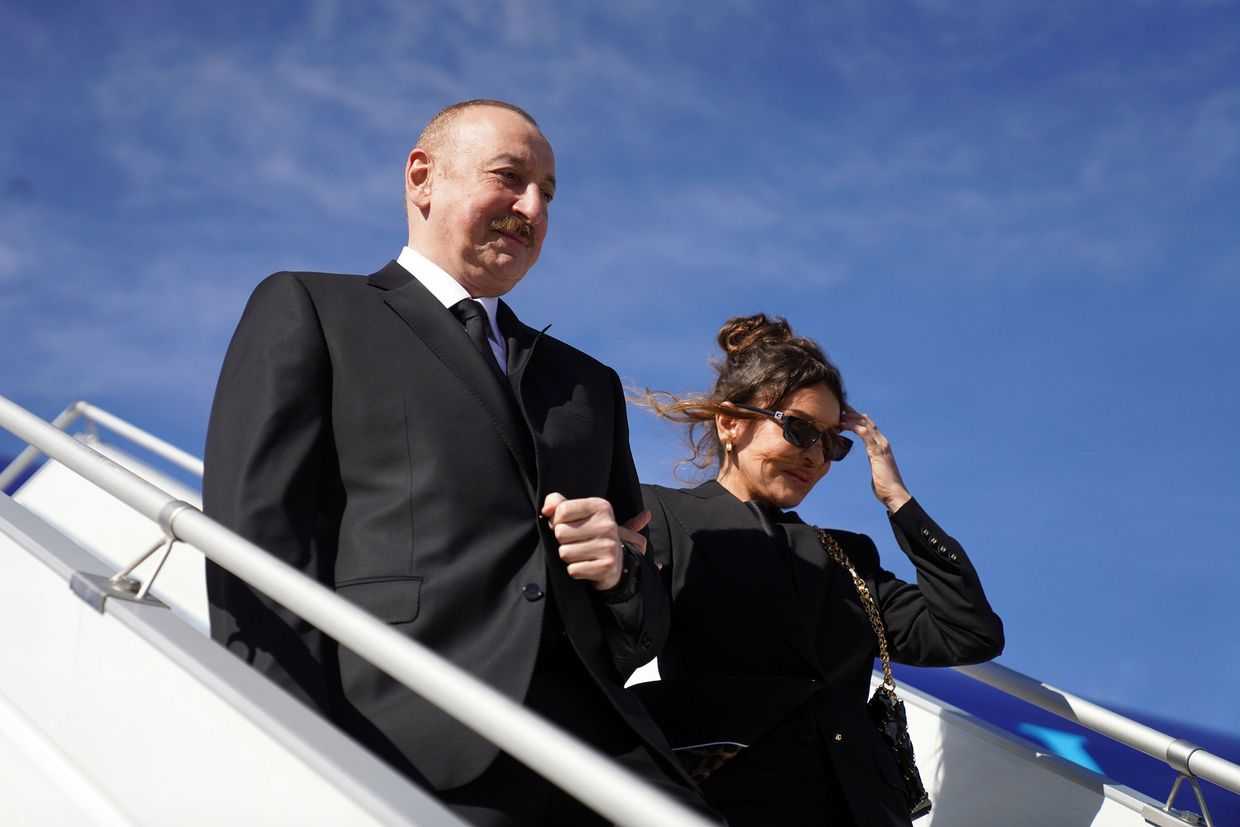
Others have alleged that the border closure remains in place because the family of President Ilham Aliyev financially benefits from the national airline, Azerbaijan Airlines.
The situation has gained renewed attention in recent weeks against the backdrop of the ongoing war in neighbouring Iran, which has seen a relatively small trickle of refugees crossing into Azerbaijan, primarily foreigners and Azerbaijani nationals, not Iranian citizens. The actual circumstances on the border remain murky — it is unclear who is allowed to cross, and under what conditions.