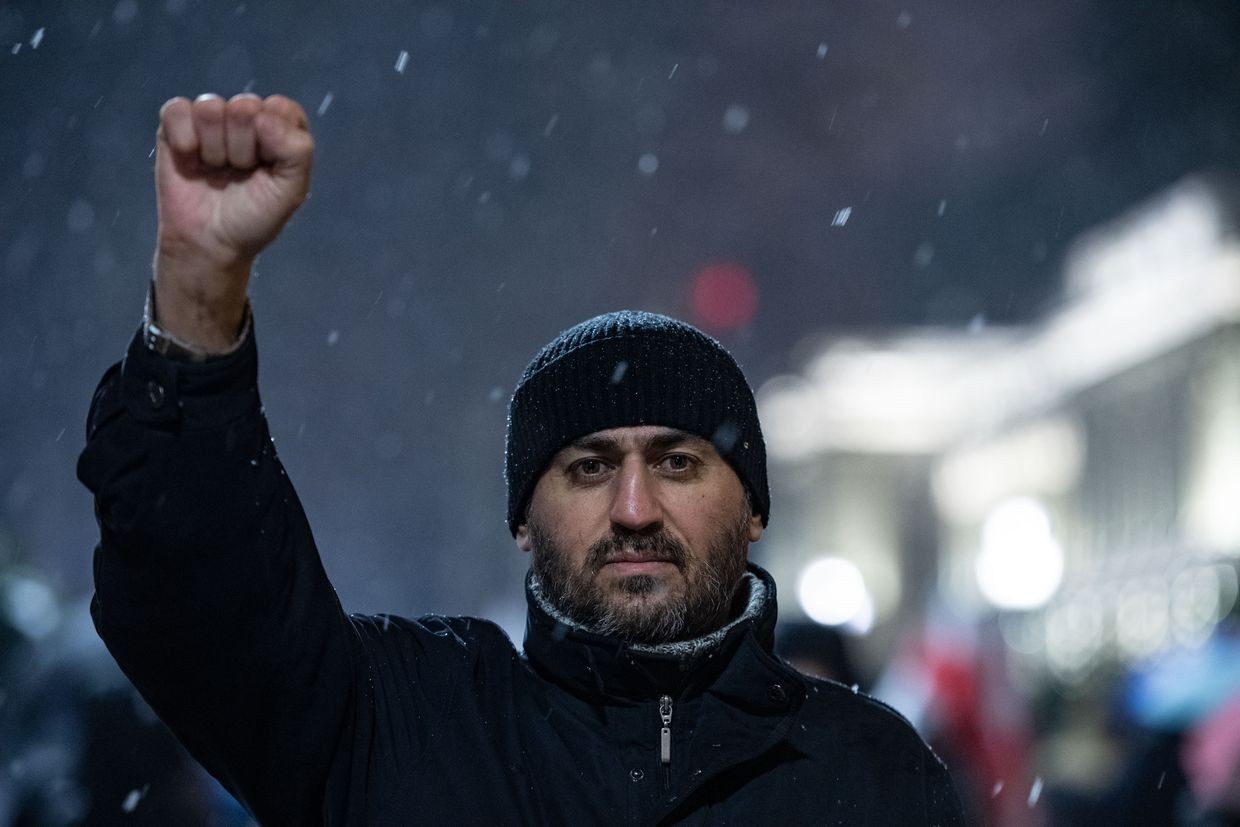
Editor’s note: This article was amended to include further details of the story.
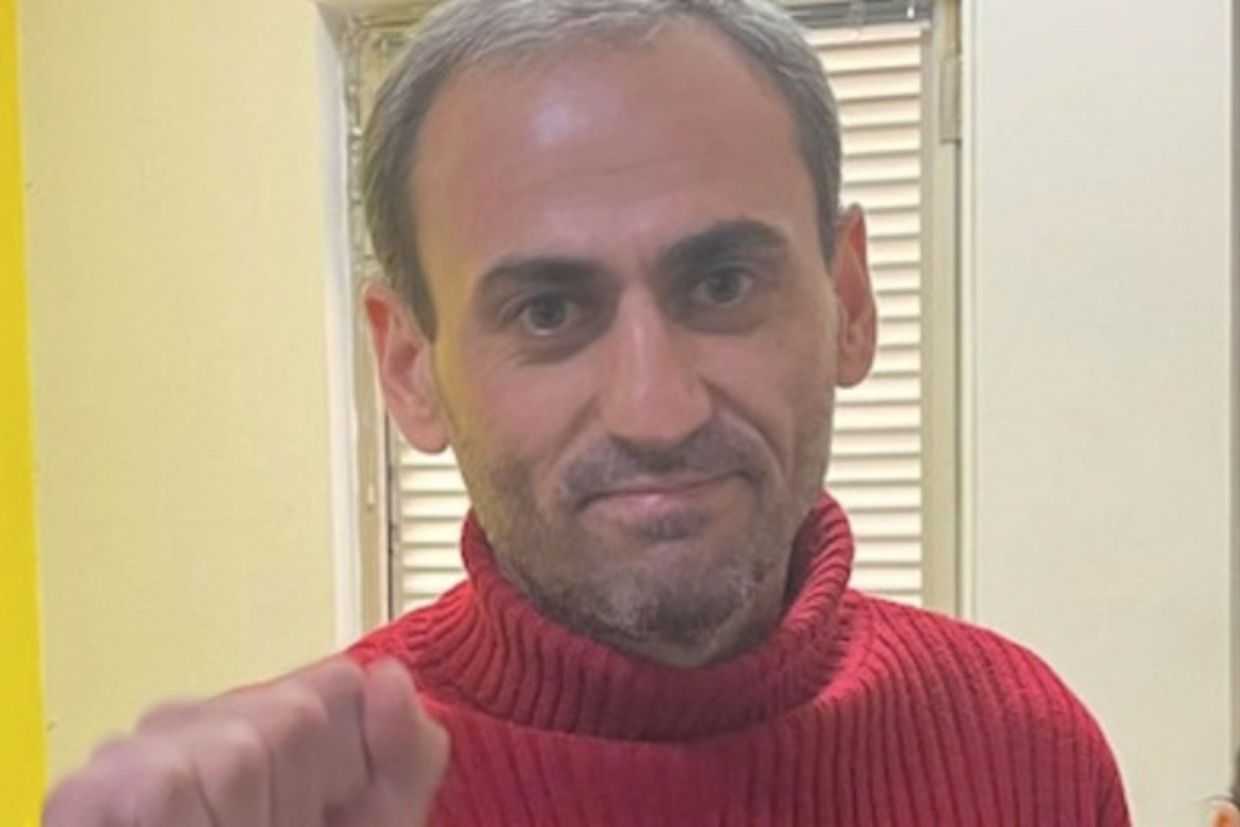
Azerbaijani journalist Afgan Sadigov has been briefly detained and then released upon his extradition from Georgia to Azerbaijan, his lawyers have said on Monday afternoon.
On Monday afternoon, the Tbilisi-based Social Justice Center (SJC), which represented Sadigov in Georgia, told OC Media that Sadigov was free after being briefly detained in Azerbaijan.
Initially, it was unclear on what grounds Sadigov was taken.
Later in the evening, Tamta Mikeladze, director of the SJC, reported — after speaking with Sadigov — that he had been on the street when he realised ‘he was being followed’. Police then approached him and told him he had to accompany them to the station.
According to Mikeladze, it later emerged that Sadigov had been on a wanted list due to an old case, after which procedures were carried out to remove him from the list and conduct the relevant checks.
‘He was released from the police station after about 40 minutes’, she added, noting that when Sadigov was taken from the street, ‘he was not given an explanation’, leaving both him and his relative with the impression that he had been detained.
The first reports of his arrest in Baku came from his wife, Sevinj Sadigova.
‘According to the information I just received, my husband, Afgan Sadigov, has been detained by the police, and I do not know exactly where he has been taken’, Sadigova wrote on Facebook on Monday afternoon.
‘Yesterday, he was deported from Georgia to Azerbaijan on what appears to have been a politically motivated order’, she added.
According to the SJC, a few days before his deportation, Azerbaijan had reportedly halted criminal proceedings against Sadigov. However, critics have suggested this may have been a setup for his deportation, with a new case potentially to be launched once he was transferred to Azerbaijan.
 Mikheil Gvadzabia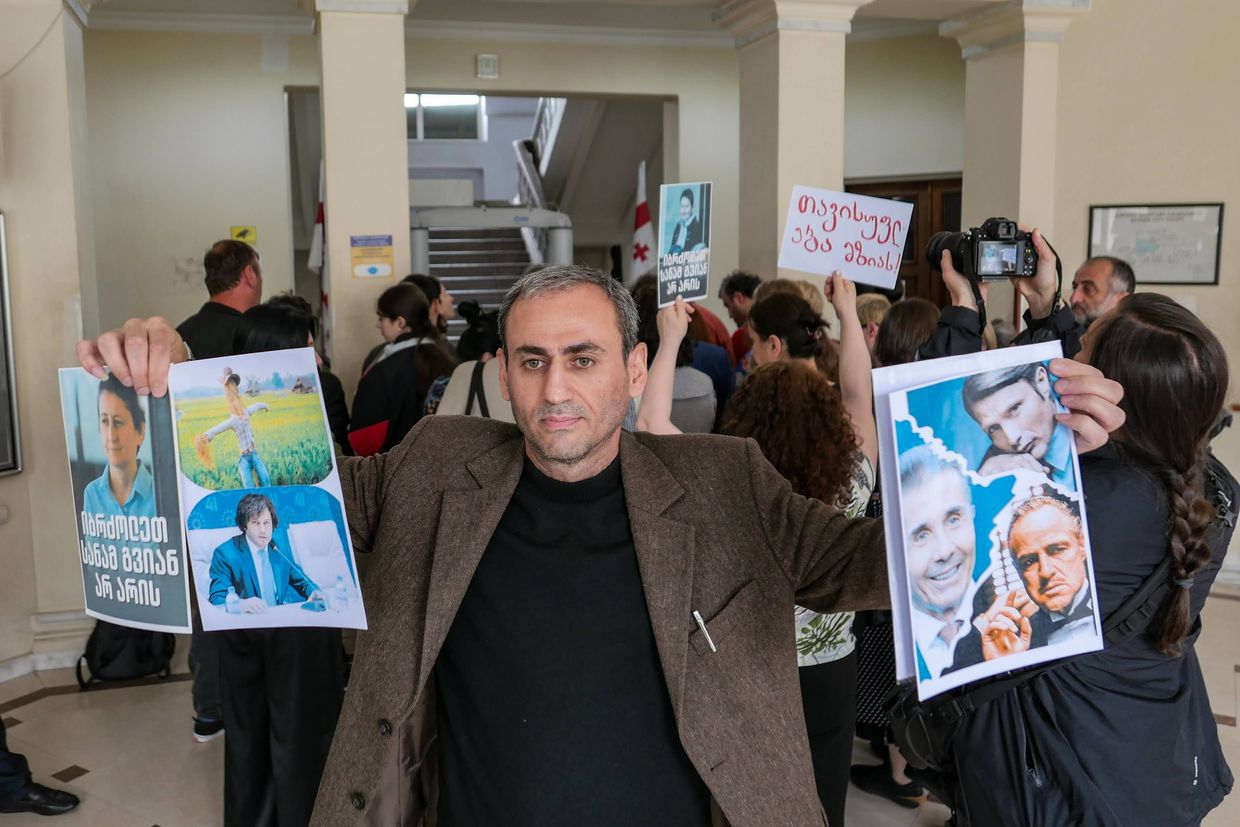
A Georgian court ordered Sadigov’s deportation from the country early on Sunday morning, after a late night hearing that lasted mere hours. The ruling came despite Sadigov being under an international protection order blocking his extradition to Azerbaijan over human rights concerns.
The trial was preceded by Sadigov’s surprise arrest several hours earlier for ‘insulting’ Georgian police online. This was cited as the official reason for his deportation.
Azerbaijan has sought Sadigov’s extradition from Georgia for nearly two years, reportedly accusing him of fraud or extortion. In 2025, the European Court of Human Rights (ECHR) enacted interim measures barring his extradition until they could hear his case. As a result, Sadigov was released from pre-extradition in Tbilisi in April 2025, but, according to his lawyers, on bail with a travel ban.
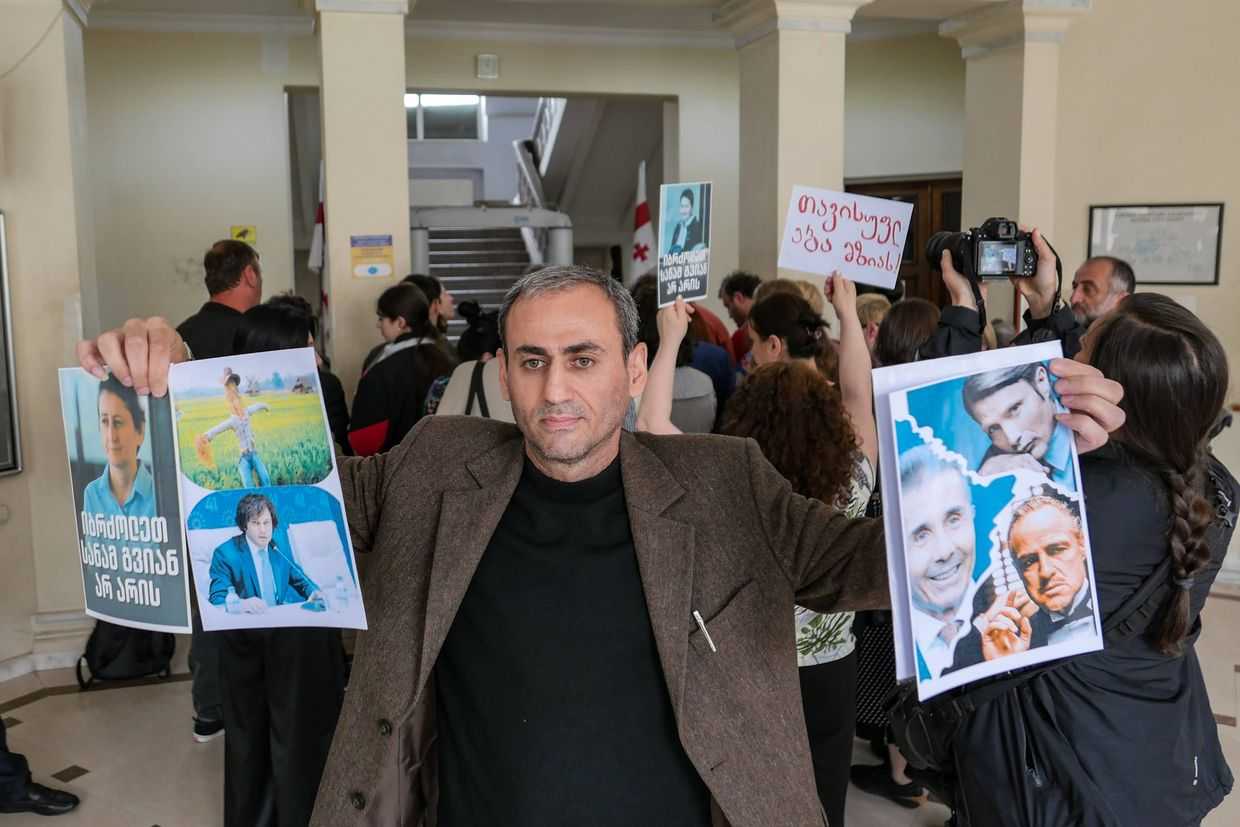
After his release, Sadigov continued his sharp criticism of both the Azerbaijani and Georgian authorities, frequently attending anti-government protests in Tbilisi and expressing solidarity with detained dissenters in both countries.
His deportation took place the day before Azerbaijani President Ilham Aliyev arrived in Georgia on an official visit. Some have linked the court decision to Aliyev’s visit.
Mikheil Gvadzabia
‘This is a catastrophe’
Critics of the ruling Georgian Dream party described Sadigov’s deportation as a violation of the ECHR decision.
‘I have not seen such a breach of the rule of law and the [European] Convention [on Human Rights] in any case in recent years. This is a catastrophe’, Mikeladze of the SJC, wrote on Facebook.
The SJC emphasised that the judge did not give the defence any time to submit the necessary documentation that would have allowed Sadigov to leave voluntarily for an EU country where his family has political asylum.
‘We were ready to submit the necessary documents promptly to both the court and the Migration Department’, Mikeladze said. She also added that the journalist had previously wanted to leave Georgia and reunite with his family abroad, but had been unable to do so due to travel restrictions imposed on him in Georgia.
Another local rights group, the Georgian Young Lawyers’ Association (GYLA), echoed the SJC’s comments.
‘The state effectively ignored the [ECHR’s] interim measure and used the deportation to circumvent the formal ban on extradition’, the GYLA said, calling Sadigov’s deportation a ‘serious and manipulative violation’ of the European Convention of Human Rights and Georgian law, employed as a tool for ‘political retribution’.
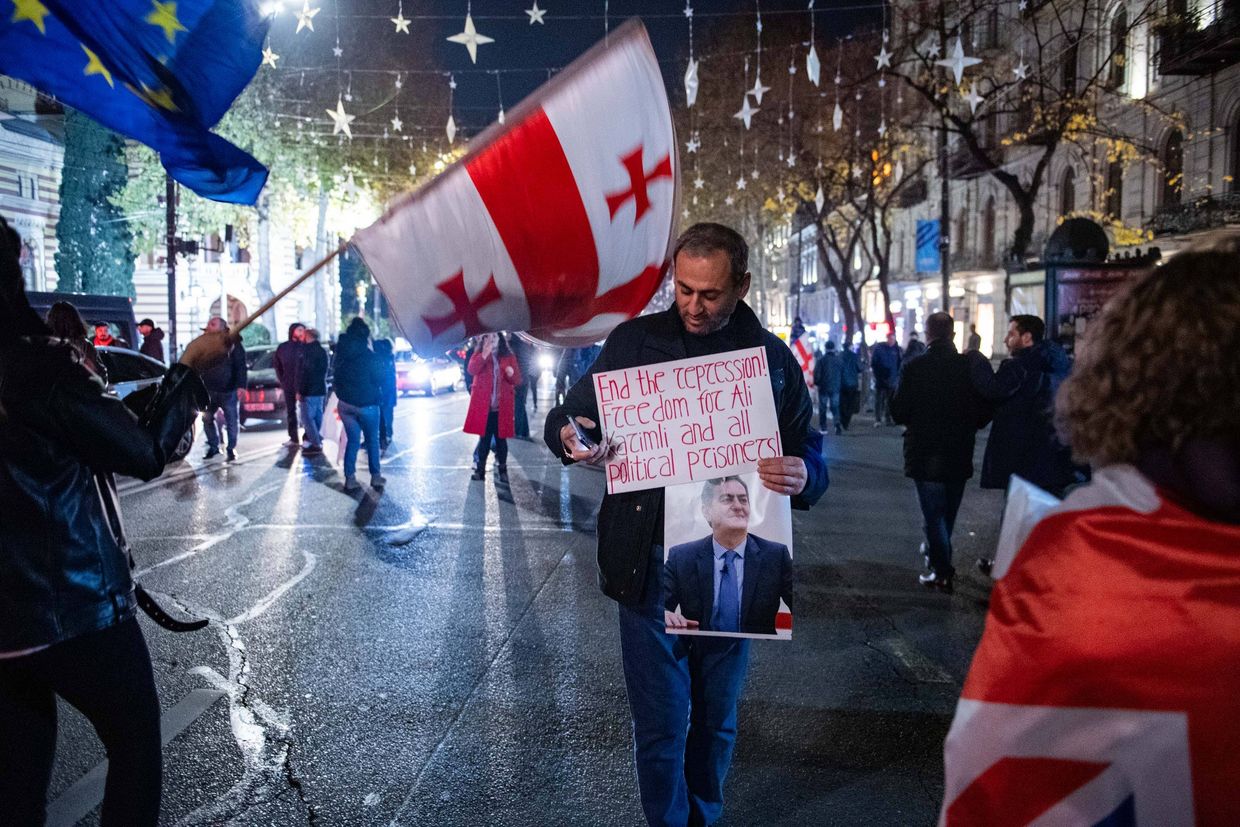
A few days before Sadigov’s detention and subsequent deportation, on 1 April, Azerbaijan reportedly halted criminal proceedings against him — a point highlighted by the Georgian Interior Ministry, which noted that the case ‘subject to the Strasbourg Court’s interim measure’ had been terminated.
‘Accordingly, all extradition proceedings have also been halted in Georgia’, the ministry added.
However, critics emphasised that the suspension of the case in Azerbaijan and Sadigov’s deportation from Tbilisi to Baku on other grounds did not mean that Georgia did not violate the ECHR ruling. According to the SJC, the ECHR had determined that Georgia could not extradite him to Baku until the case was substantively resolved in Strasbourg.
In addition, doubts were also raised, including by Mikeladze, that the suspension of the case against Sadigov in Azerbaijan — which was soon followed, on 3 April, by the Georgian court lifting his travel restrictions and bail — was part of a plan by the two countries to create loopholes for Sadigov’s deportation.
‘Everything was premeditated and orchestrated by two authoritarian regimes’, Mikeladze wrote.
Commenting on Sadigov’s deportation, an opposition alliance of nine Georgian parties also called it a violation of the ECHR ruling, as well as a ‘personal vendetta’ in response to Sadigov’s criticism of Georgian Dream founder Bidzina Ivanishvili.
The alliance expressed its support for Sadigov and called on the international community to monitor the case to protect the journalist’s life and health.
Meanwhile, Sadigov’s deportation was welcomed by some individuals affiliated with the ruling party. They highlighted the number of violation reports filed by the police against him during the Tbilisi protests.
From Azerbaijan to Georgia — Sadigov’s case
Sadigov, who runs the YouTube channel Azel.TV, has twice faced prison in Azerbaijan, alongside a number of administrative arrests, and has previously been recognised by international organisations as a political prisoner.
He arrived in Georgia with his family in December 2023 with plans to leave for a third country. In July 2024, he said he was prevented from departing Tbilisi International Airport and told he could only travel to Azerbaijan. His lawyers have attributed this to the termination of his Azerbaijani passport.
Soon after, in August 2024, Sadigov was detained by Georgian authorities pending an extradition trial at Baku’s request. After the Georgian courts greenlighted the action, the process was halted by the ECHR in its January and February 2025 decisions. Sadigov was released from pre-extradition detention in April that year.
While in detention, Sadigov carried out a 161-day hunger strike.
Azerbaijan has in recent years detained scores of independent journalists on a variety of charges — most often for the alleged smuggling of foreign currency — in a sweeping crackdown on independent news outlets and civil society groups.
The renewed crackdown on media began with the authorities’ raid of independent media outlet Abzas Media’s offices in Baku in November 2023, and the arrest of a number of its team. Azerbaijan handed out lengthy sentences to the seven journalists detained as part of the case against Abzas Media in June 2025, ranging from seven to nine years.
The authorities have since arrested a number of journalists from Meydan TV and Toplum TV, who are currently awaiting trial.
According to Amnesty International, at least 30 journalists and media workers have been detained in Azerbaijan since November 2023.