Azerbaijan sentences ‘mentally unstable’ Nagorno-Karabakh Armenian to 16 years on terrorism charges

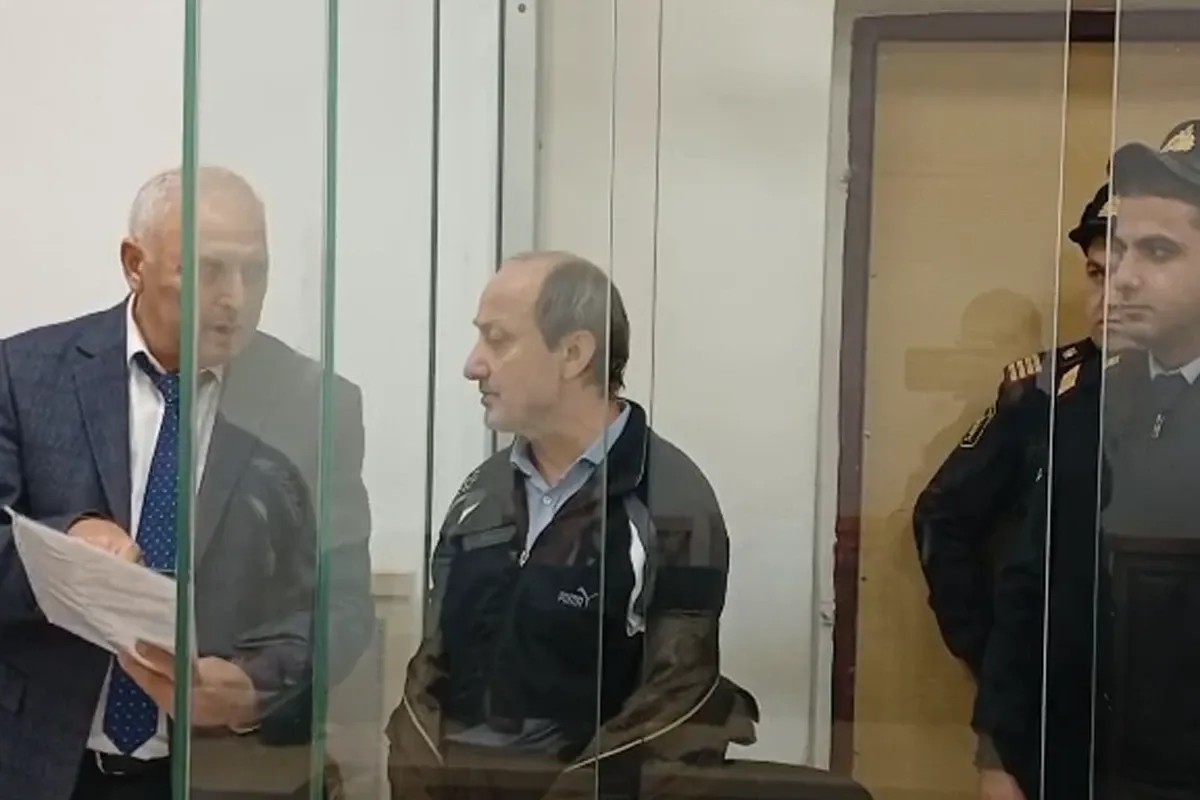
Azerbaijan has sentenced 58-year-old Nagorno-Karabakh Armenian Karen Avanesyan, who reportedly has mental health issues, to 16 years in prison on charges of ‘terrorism’.
Avanesyan was one of the handful of Armenians who stayed in Nagorno-Karabakh after the 2023 exodus.
He was arrested in September 2025 and accused of a number of crimes, including attempted murder and terrorism.
Following his arrest, Azerbaijani pro-government media noted that Azerbaijani President Ilham Aliyev visited Stepanakert on the same day Avanesyan was arrested, prompting some on social media to speculate, without providing evidence, that Avanesyan intended to assassinate Aliyev.
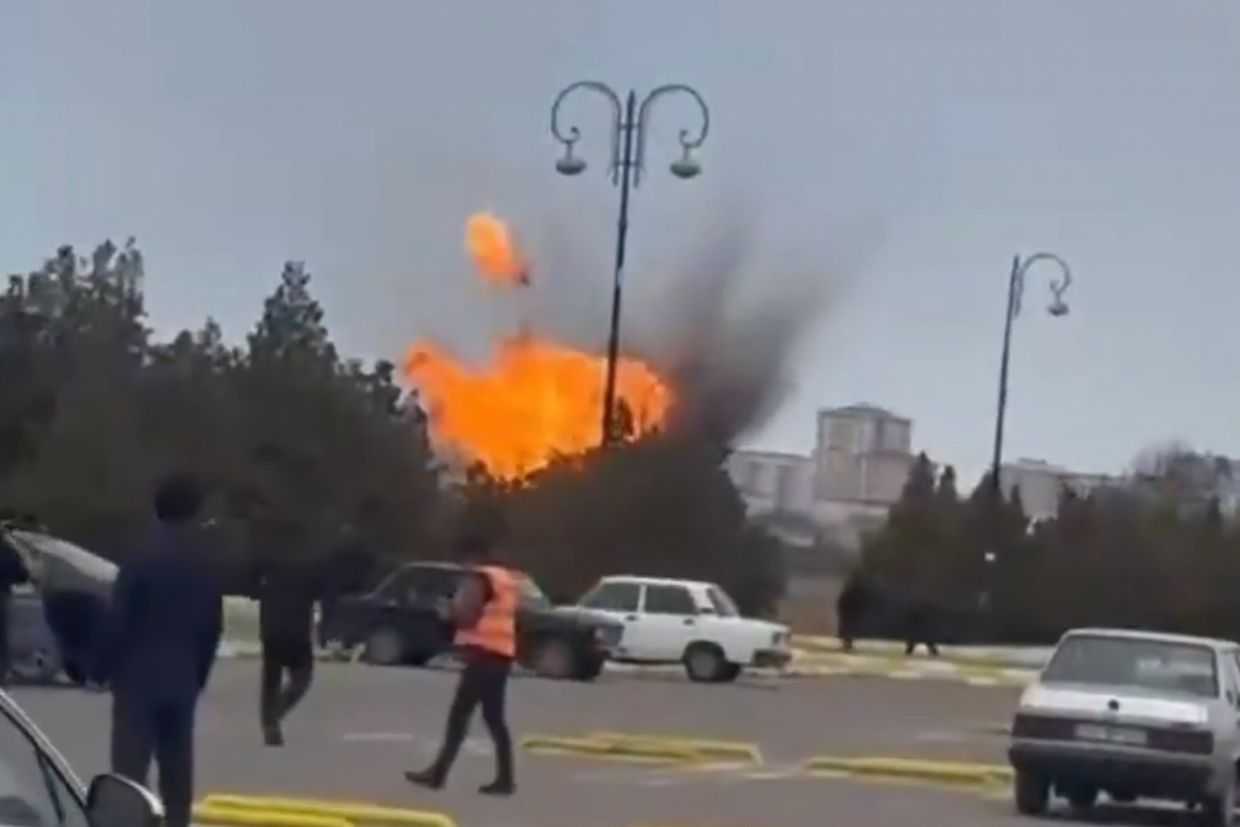
According to APA, Avanesyan ‘was attempting to approach the location of an event’ in Stepanakert on the day of his arrest after haven taken his ‘previously hidden Kalashnikov assault rifle, four magazines loaded with ammunition, and five grenades’. Then he reportedly resisted arrest ‘with a gun and threw three hand grenades’, wounding police officers and himself.
 Aytan Farhadova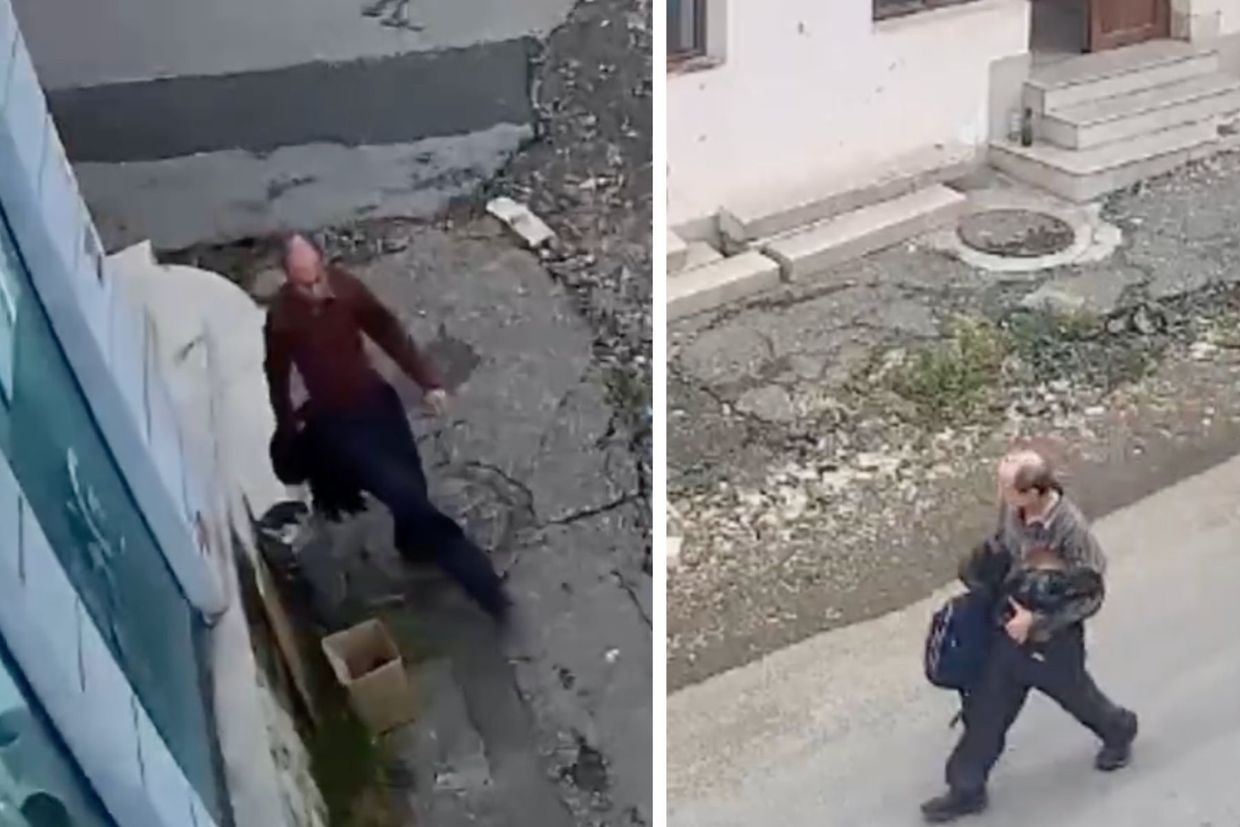
The trial lasted less than a month, being launched on 11 December in the Ganja Court on Grave Crimes.
Coverage by the Azerbaijani pro-government media outlet APA did not clarify how Avanesyan pleaded, and there were no independent media or organisations present at the trial.
Although reporting by APA claimed that Avanesyan had been ‘provided with an interpreter and a lawyer’, in the videos shared by pro-government media Avanesyan is seen testifying in broken Azerbaijani.
OC Media has contacted lawyer Ramil Aliyev, who represented Avanesyan, for further information.
Avanesyan reportedly has mental health issues.
Sergey Ogoltsov, an English teacher and writer who spent eight months in Stepanakert following the 2023 Armenian exodus, told CivilNet that he knew all ‘14 Armenians’ who remained in the region, including Avanesyan.
Information on the conditions of those who stayed is limited, as there has been little reporting by international media or organisations on the ground.
Ogoltsov said that during the Soviet era, Avanesyan had not served in the military and had not even been accepted by the military commissar in Baku at the time, adding that he was unaware ‘from which side a gun is loaded’ and was a ‘fully civilian person’.
Previously, Avanesyan appeared in a Baku TV video in 2024 talking about cats. According to Ogoltsov, he was walking around Stepanakert and feeding stray cats.
Armenia refrains from providing relevant documents
‘[Avanesyan] is a vulnerable detainee. He has received treatment there [Nagorno-Karabakh], but medical records exist about him’, Ara Ghazaryan, the lawyer representing Avanesyan’s interests at the European Court of Human Rights (ECHR), told RFE/RL.
However, Ghazaryan has so far been unable to obtain the relevant documents from the Armenian Health Ministry. According to RFE/RL, the records were transferred to Armenia after the 2023 exodus.
The Armenian Health Ministry requires a power of attorney to provide medical information, which cannot be obtained while Avanesyan remains detained in Azerbaijan. When asked by RFE/RL why they did not provide the information, even without a power of attorney, despite its necessity for defending Avanesyan’s rights at the ECHR, the ministry suggested submitting a written inquiry instead.
RFE/RL also reported that Avanesyan’s lawyers have information indicating he wanted to move to Armenia before this incident, but his request was ignored.
For ease of reading, we choose not to use qualifiers such as ‘de facto’, ‘unrecognised’, or ‘partially recognised’ when discussing institutions or political positions within Abkhazia, Nagorno-Karabakh, and South Ossetia. This does not imply a position on their status.