Bloomberg: Turkey considering opening border with Armenia in ‘next six months’

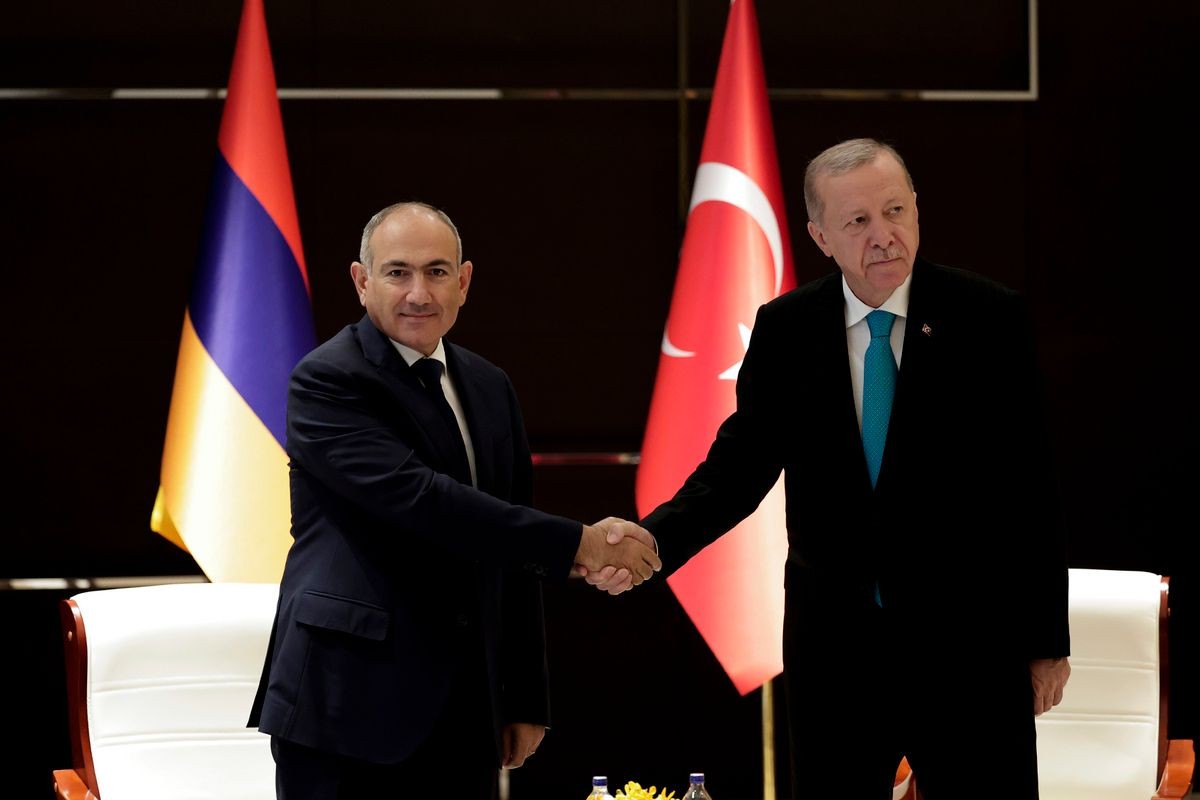
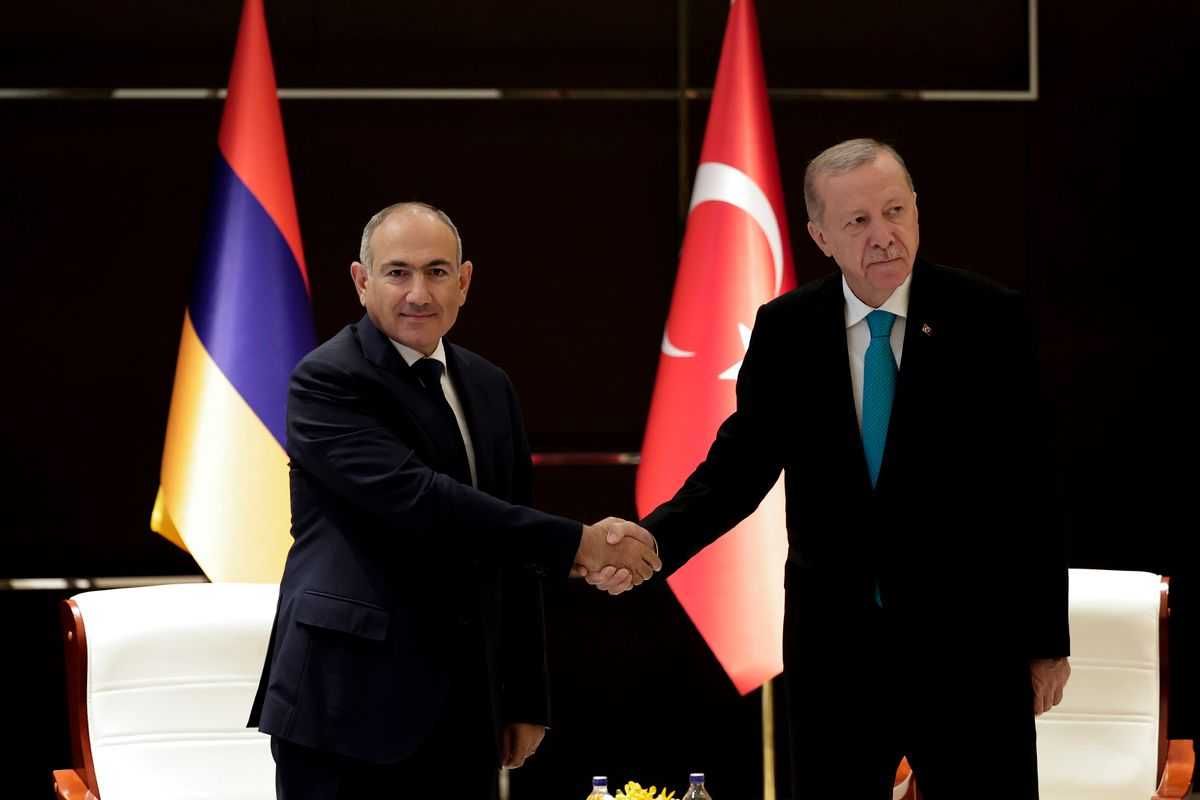
Turkey is considering reopening its land border with Armenia ‘in the next six months’, Bloomberg has reported, citing ‘people familiar with the matter’. Despite prior agreements between the two countries dating back to 2022, Turkey has continued to keep the land border closed.
According to the 2022 agreement, the sides agreed to allow third-country citizens and diplomats to cross the border between the two countries. However, the land border remains closed, with Turkey conditioning progress on its opening as part of the Armenia–Azerbaijan peace process.
Following the latest meeting of Armenian and Turkish special envoys for the normalisation of relations in September at the shared border and then in Yerevan, the Armenian Foreign Ministry reported that the envoys ‘agreed to expedite’ the process of reopening the border crossings that Turkey closed in 1993 in the context of the First Nagorno-Karabakh War.
 Arshaluys Barseghyan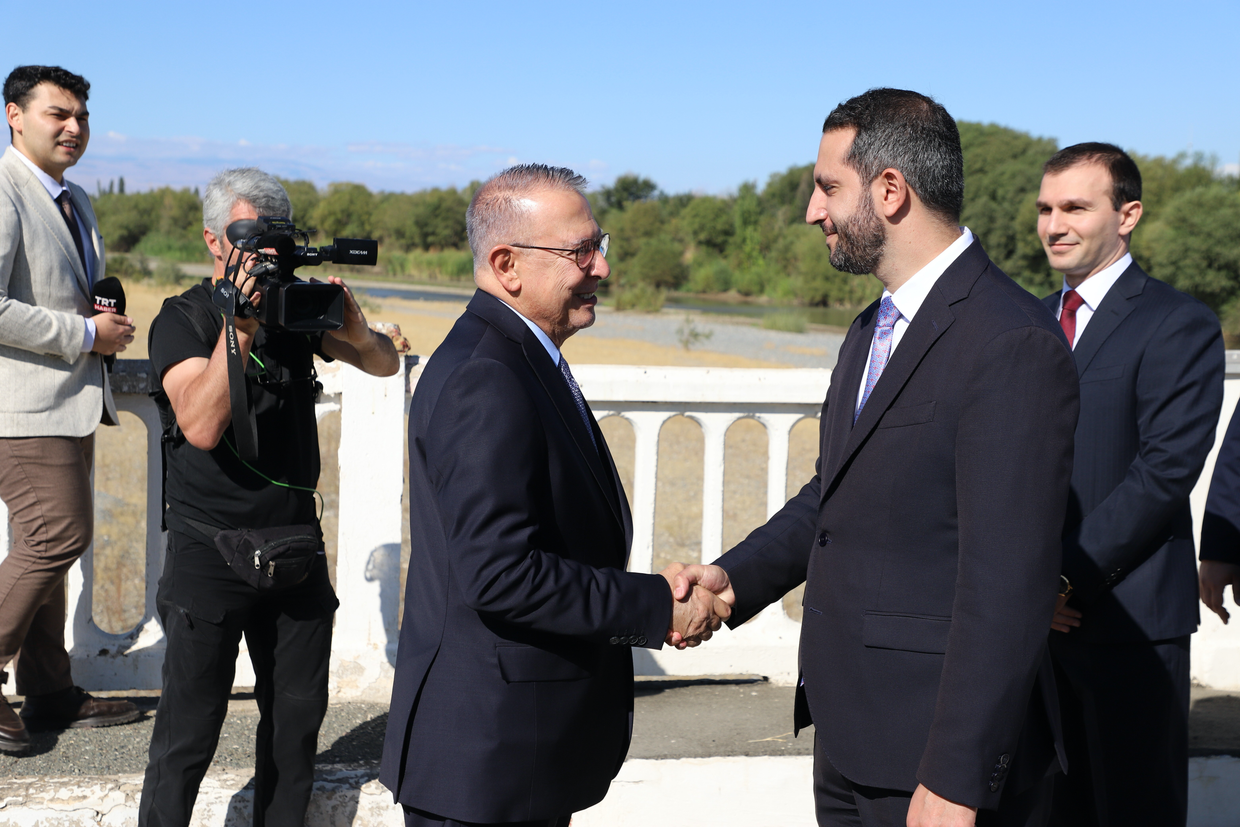
It is unclear if the border will be fully opened or just partially in accordance with the 2022 agreements.
According to Bloomberg’s sources, Turkey could appoint an ambassador to Armenia to restore diplomatic ties only after Armenia and Azerbaijan formalise the peace treaty, which Ankara expects to be signed in the first half of next year.
‘If we normalise relations now, we will be taking away Armenia’s biggest reason for signing a peace agreement’, Turkish Foreign Minister Hakan Fidan said in November.
Fidan elaborated that it could lead to having a frozen conflict in the region, which they do not want.
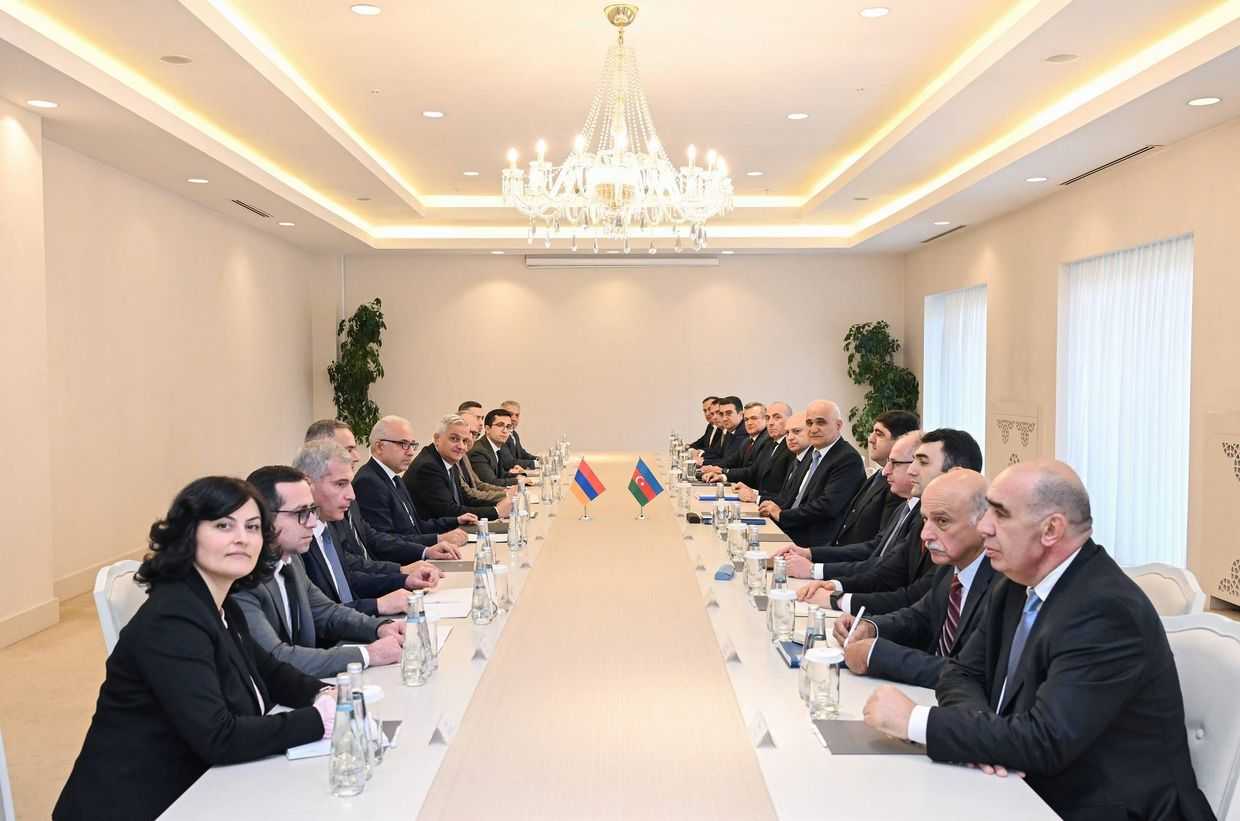
Armenia and Azerbaijan initialled a peace agreement in Washington on 8 August, marking a significant step towards ending the decades-long Nagorno-Karabakh conflict. However, Baku has insisted it will only sign the final document once Armenia amends its constitution, which Azerbaijani officials claim contains territorial claims against Azerbaijan.
OC Media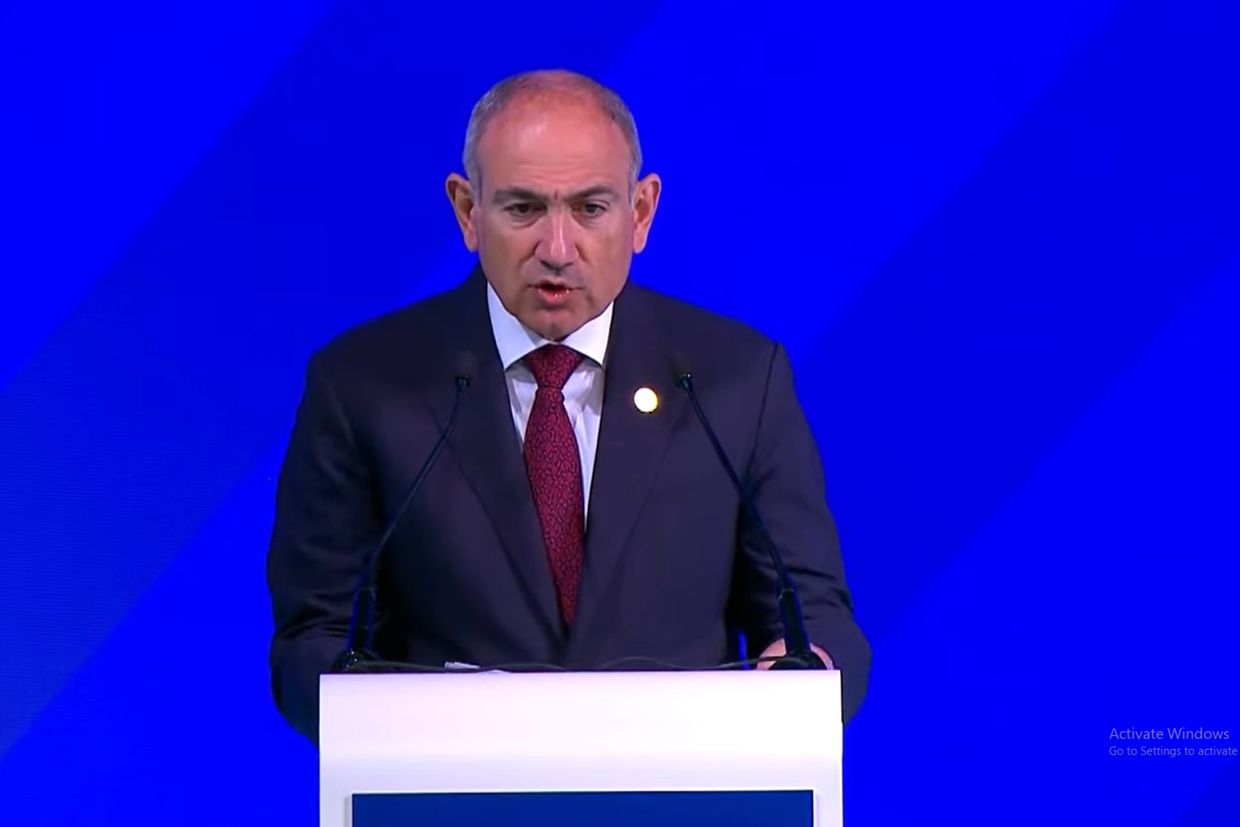
Ahead of that, however, the diplomatic breakthrough with Azerbaijan and the re-opening of the border with Turkey are likely to give Armenian Prime Minister Nikol Pashinyan an ‘important boost’ ahead of the 2026 parliamentary elections, and during his new term, the peace treaty can be signed, Bloomberg wrote.
The Armenian and Turkish foreign ministries did not respond to requests for comment from Bloomberg.
In late November, Armenia hosted a meeting between Armenian and Turkish representatives at the Akyaka–Akhurik border crossing between Armenia and Turkey, and in Gyumri, Armenia.
They discussed ‘the second stage of technical discussions aimed at the rehabilitation and reactivation of the Kars–Gyumri railway’, Armenpress quoted the Armenian envoy for the Armenia–Turkey normalisation process, Ruben Rubinyan, as saying.
In turn, EU Commissioner for Enlargement Marta Kos announced in early December that discussions are ongoing on building a special quadrilateral working group — made up of Armenia, Azerbaijan, Turkey, and the EU — to build infrastructures for connectivity.
This article was translated into Georgian and republished by our partner On.ge.