Explainer | What you need to know about JD Vance’s historic visit to Armenia and Azerbaijan
Vance’s visits to Armenia and Azerbaijan come as a tangible illustration of the growing US interest in the two countries, especially as Russian influence recedes.

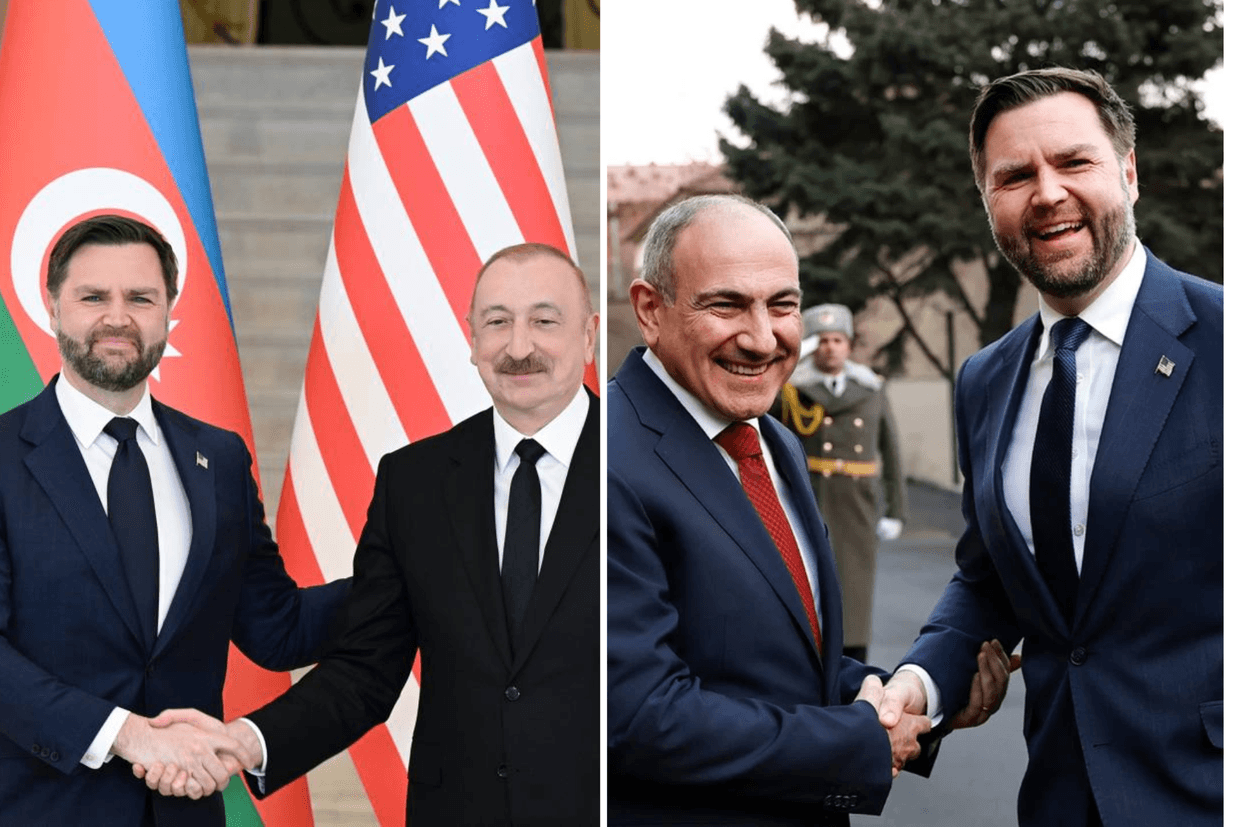
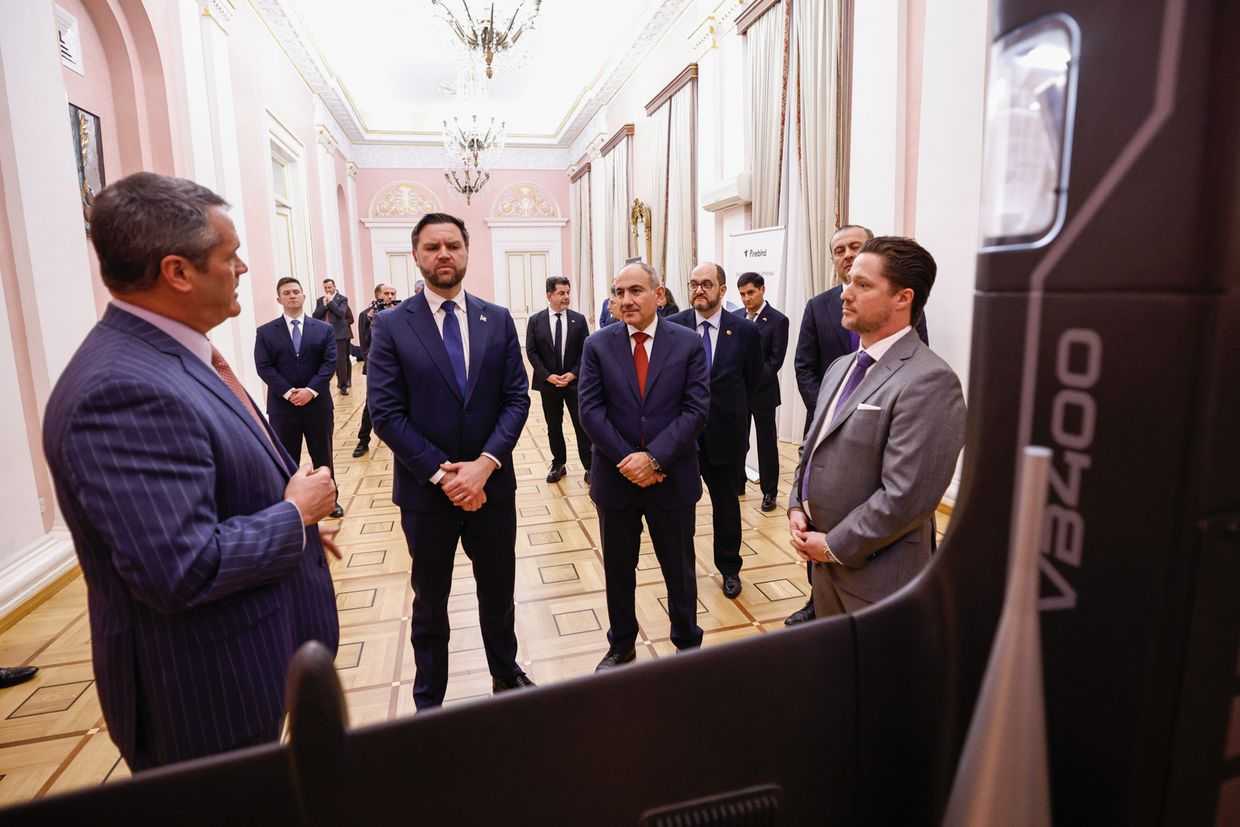
US Vice President JD Vance wrapped up his trip to Armenia and Azerbaijan on Wednesday, marking the highest-level American visit to the countries ever, as well as the highest-level visit to the South Caucasus in general since then-Vice President Mike Pence visited Georgia in 2017. Before that, the visit of President George W Bush to Georgia in 2005 made a lasting impact, resulting in the naming of a central avenue in Tbilisi after him and a longstanding sense of close ties between Georgia and the US that has dissipated in recent years.
Expectations were therefore high ahead of Vance’s trip, as the administration of President Donald Trump has made unprecedented steps to become involved in the region — particularly in helping broker a peace treaty between Armenia and Azerbaijan.
While the long-term ramifications of Vance’s trip to Yerevan and Baku remain to be seen, there are already some key takeaways from the historic visit.
Vance’s Armenian Genocide faux pas overshadows the rest
In a perfect world, the fact that a sitting vice president visited Azerbaijan and Armenia would be the top news story, followed by some of the deals made while Vance was there.
However, the snafu over Vance’s quickly retracted statement about visiting Yerevan’s Armenian Genocide memorial — using the word ‘genocide’ — has clearly become the most widely-discussed aspect of his visit.
In short, here’s what happened: Vance and his wife, Second Lady Usha Vance, visited the memorial site before sharing a post on Twitter along with the words ‘Armenian Genocide’, which caused speculation that the US had returned to its policy of recognising the 1915 massacres as a genocide after an apparent, but unclear, retreat after the beginning of Trump’s second term.
However, the post was soon deleted and replaced with another that did not include the word genocide. Clearly unwilling to adhere to President Harry Truman’s famous maxim — the buck stops here — an anonymous member of Vance’s team laid the blame over the mix-up on another anonymous team member and Vance was absolved of any responsibility.
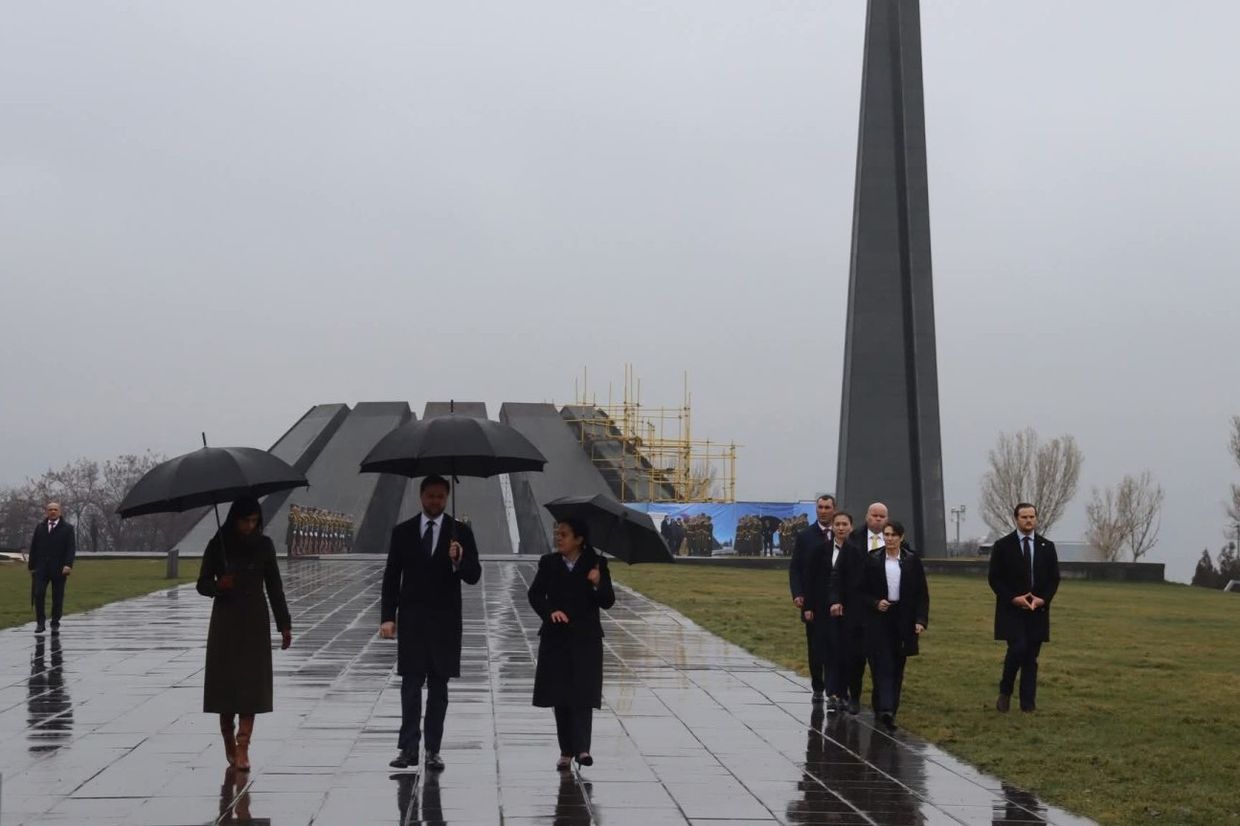
Subsequent attempts by both Vance and White House Press Secretary Karoline Leavitt were awkward and did not clarify what had happened or what the US’s policy is now. The Armenian side appears to be unsure as well, with the state-run media outlet Armenpress writing in its coverage of Vance’s visit to the memorial that ‘the United States is among more than three dozen countries that have officially recognised the Armenian Genocide’.
Nonetheless, the removal of the tweet confirmed what many believed to have already been the case — that the US has reversed the policy of recognising the Armenian Genocide established under President Joe Biden. Moreover, Vance’s debacle has made the change clear so blatantly and with such a clear lack of professionalism that reporters asked Leavitt if ‘the White House has a social media problem’.
A continuation of what appeared to be the existing vague non-recognition policy surely would have incited less controversy, but Vance’s foot-in-mouth moment drew a spotlight on the issue. The debacle has drawn condemnation from Armenians, the diaspora, and across the political spectrum in the US, with some accusing the Trump administration of carrying water for Turkey and others saying the White House is engaging in outright genocide denial.
Until the Trump administration decides to correct the record and make an explicit statement on its position, the recognition question will likely be a recurring issue. At this point, most believe the non-answer means no recognition.
A new era of US interest in the South Caucasus — but questions remain
With the announcement in August 2025 of plans for the US-managed Trump Route, connecting Azerbaijan to its exclave of Nakhchivan through Armenia, American involvement in the South Caucasus reached levels unheard of in recent decades. Though concrete details remain scant, preliminary discussions have indicated US companies will be working to manage the route for as long as 99 years, meaning that American interest in the region should not (in theory) be considered fleeting.
During his visit to both countries, Vance emphasised the economic aspects of not just the Trump Route, but the entire nature of US involvement in the South Caucasus.
One of the key developments announced is that the US plans to begin cooperation on nuclear energy. In Armenia’s case, Vance said such projects could involve $9 billion from the US, describing it as ‘the classic win-win’ for both Armenia and the US.
‘It means stronger energy security for my own country, and it also, I think, means stronger energy security for Armenia. And it is also going to create a lot of new jobs back home in the United States. It means small modular reactors’, Vance said.
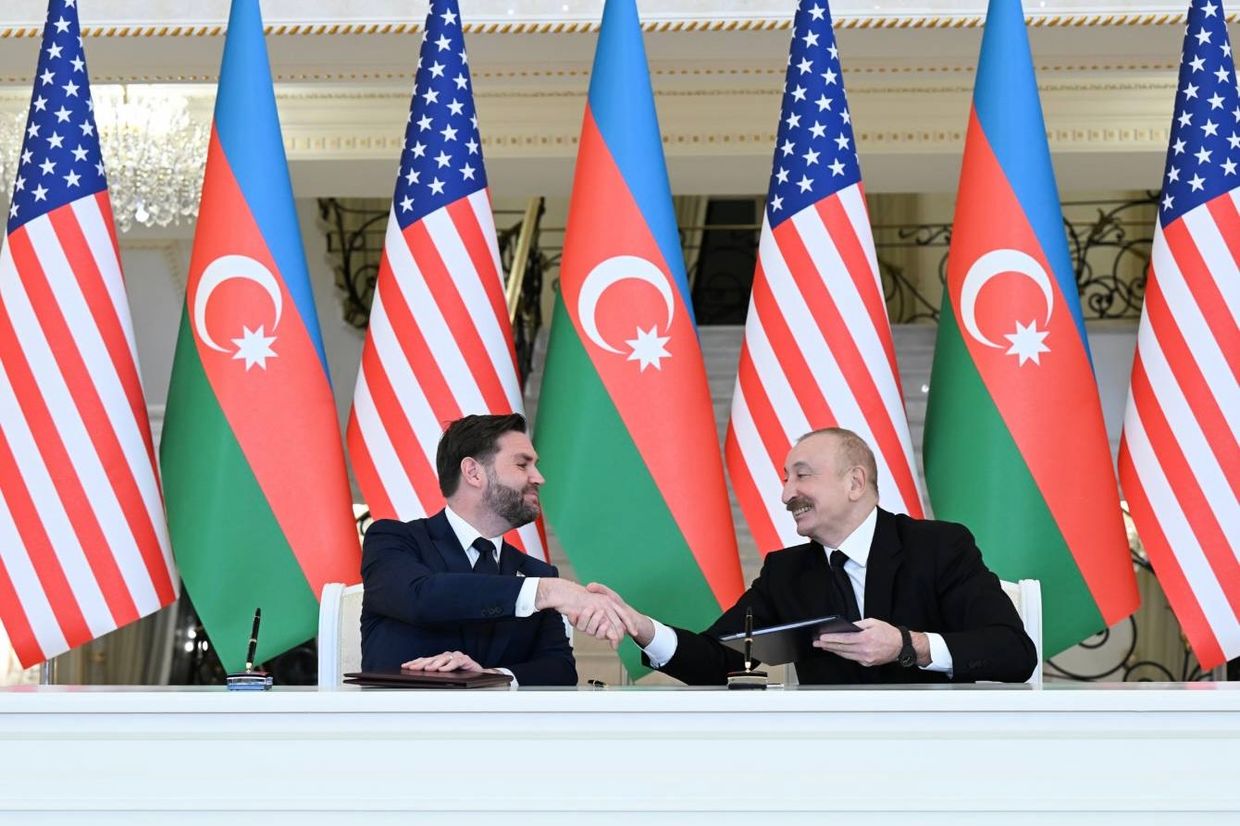
The details were less specific for Azerbaijan, but Vance again emphasised that future ‘great prosperity’ for all parties involved — meaning Armenia, Azerbaijan, and the US — was one of Trump’s primary focuses.
‘Why should we be fighting one another when we can engage in commerce with one another, when we can build partnerships with one another?’, Vance asked.
‘I think that partnership, the partnership of the United States and Azerbaijan, will lead to greater peace and prosperity in the region. It will lead to more access to more markets for the workers of the United States of America, and it’s just going to create a much better world where people are engaging in commerce with one another rather than fighting with one another’, he said, again appearing to speak to domestic audiences about the financial benefits of US interests in the region.
Despite the enthusiastic promises, many questions remain about both the financial specifics of US cooperation and when they are expected to take place. Indeed, confusion over the details arose before Vance even finished his trip.
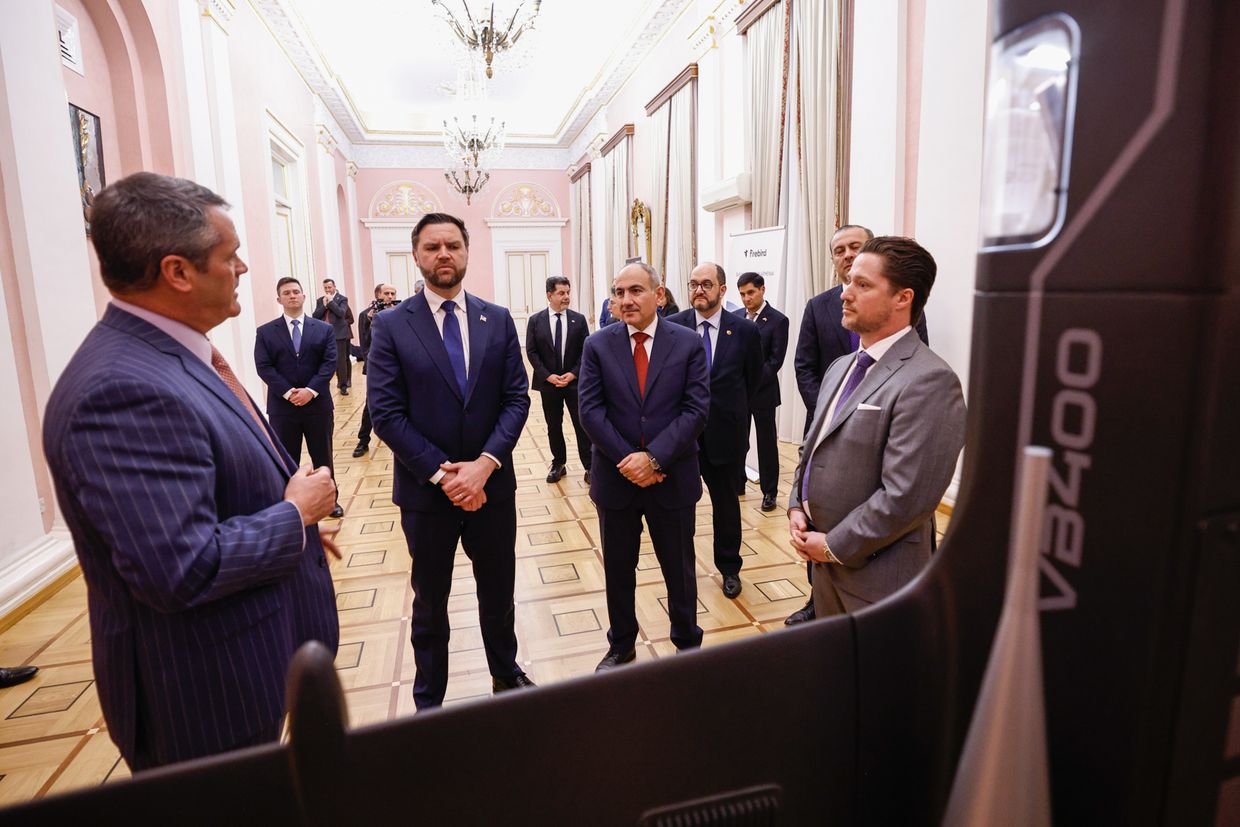
Speaking about nuclear energy at the press conference with Pashinyan, Vance said there would be ‘$5 billion in US exports, plus an additional $4 billion in support through fuel and maintenance contracts’. However, the live translation into Armenian changed ‘exports’ into ‘investments’, prompting some to think the US was pledging $9 billion in investments, a figure that vastly exceeds past estimates of the cost to build just one nuclear power plant.
The mistranslation was later corrected, but not before some Armenian opposition figures accused the government of twisting Vance’s words for their benefit.
Vance was asked again at a brief press conference before his departure about the $9 billion figure, but he declined to give specifics, instead talking about future tech cooperation, such as a ‘data centre that could rise to $4 billion in total investments’.
However, Vance framed such projects as stemming from ‘investments that’s going to come to Armenia because of some of the good deals that we’ve struck between President Trump and Prime Minister Pashinyan’.
In a sense, Vance was putting the cart before the horse, arguing that the economic benefits will come from the Trump Route, even though the route itself is far from complete and many details about the route itself are unknown.
Will the US replace Russia?
Conspicuously absent throughout the visit was Russia, long the primary geopolitical player in the region. Russia has long sold weapons to both Armenia and Azerbaijan, acted as a peacekeeper and conflict mediator, and been the main energy supplier to Armenia.
Russian influence and involvement in both countries has nonetheless declined over the past years, spurred on by the Second Nagorno-Karabakh War and 2023 Azerbaijani offensive that led to the collapse of Nagorno-Karabakh, Armenia’s westward turn, Azerbaijan’s increasing regional ambitions, and most importantly, the fallout of its full-scale invasion of Ukraine.
And that was all before the US jumped in.
During their respective meetings with Vance, both Pashinyan and Aliyev said relations with the US were at their highest-ever points. For his part, Vance said the trip ‘marks a new beginning for Armenia and the United States’ and that Azerbaijan and the US were headed for a ‘stronger and even better relationship’.
While these may have been platitudes typical for diplomatic speech, there were also announcements — such as the above-mentioned nuclear energy cooperation — that clearly intrude on what has traditionally been Russia’s sphere of influence.

One of the most important signs was that, for the first time ever, the US will supply military equipment to both Armenia and Azerbaijan.
For now, both appear to be non-lethal ($11 million in sales of surveillance drones for Armenia and naval patrol boats for Azerbaijan), but both countries have signed agreements with the US that specify future defence cooperation — which could include the sale of lethal hardware.
Armenia has been careful not to completely shut Russia out, and Baku’s relations with Moscow seem to be on the mend after a collapse in 2025, but if the US really follows through on its promises, it could be in a position to overtake, or at least challenge, Russian influence in both countries.
Georgia left out
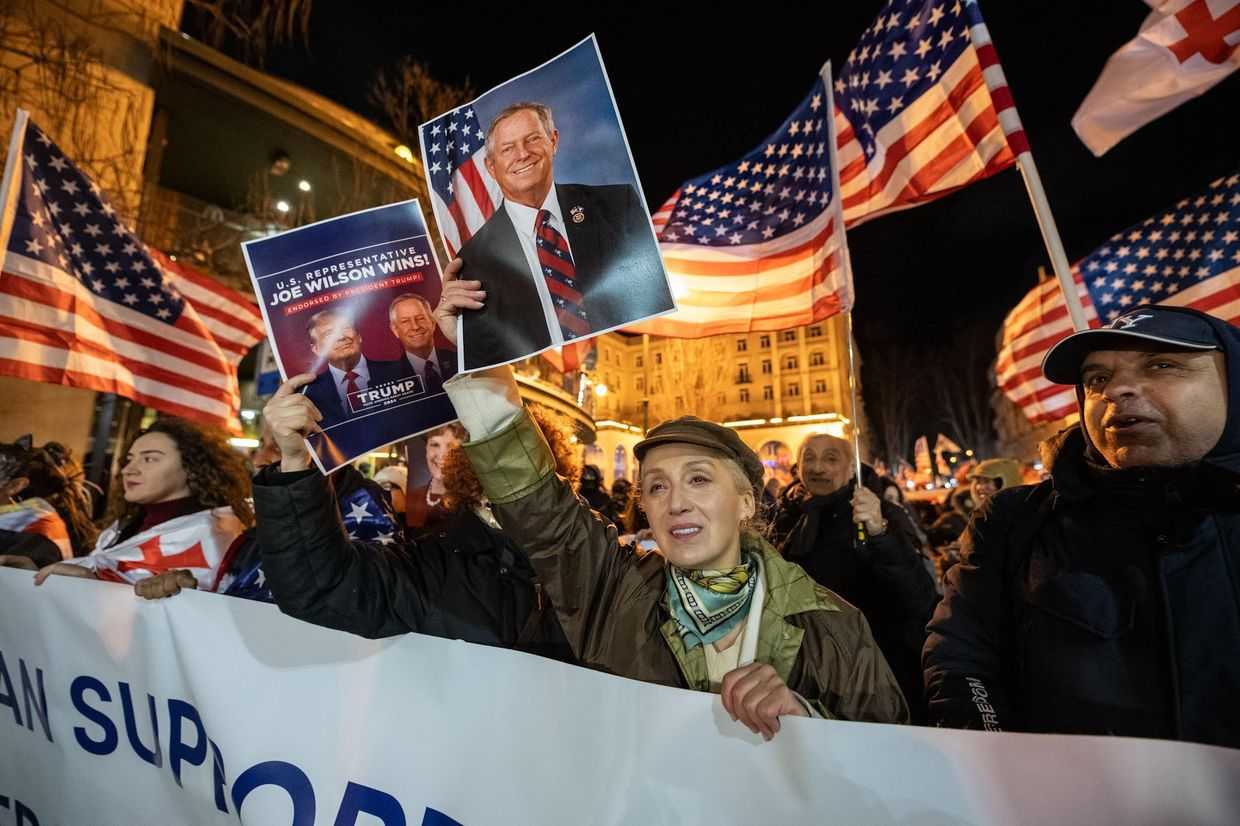
Once the closest US ally in the region, Georgia was not included in Vance’s trip to the South Caucasus. It was not even mentioned in any discussions, aside from vague references of how the Trump Route could benefit neighbouring countries.
Georgian Dream has been desperate to restore relations with the US under the Trump administration and has blamed Biden on the current poor state of ties.
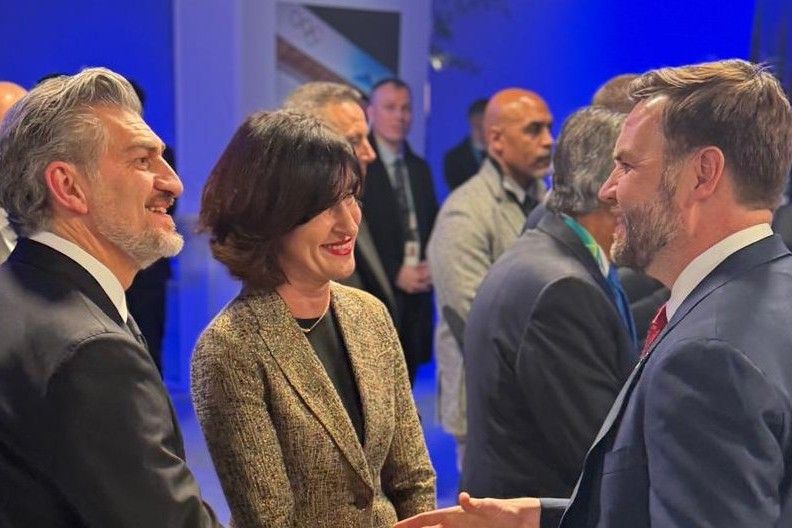
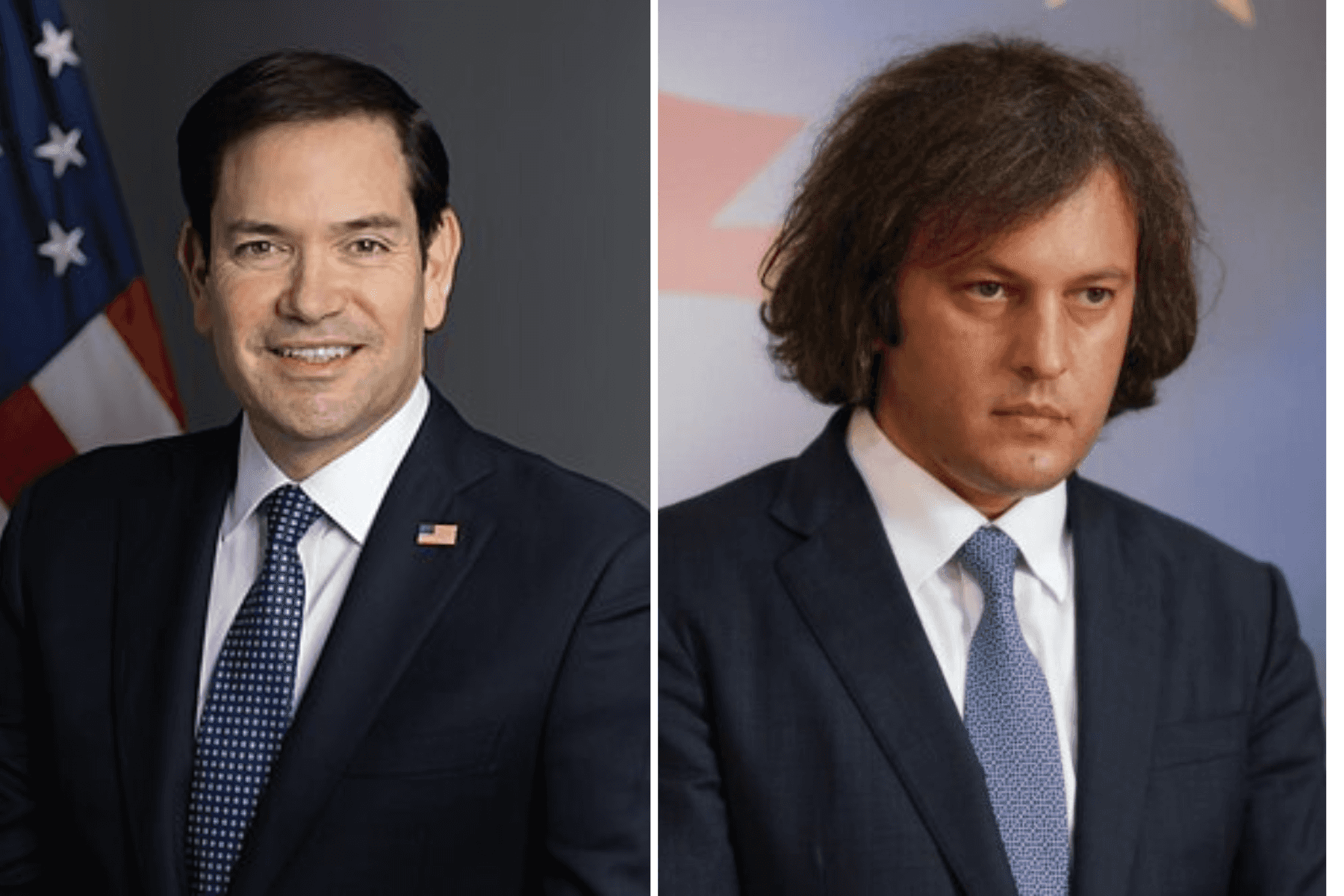
Despite regular outreach bordering on ingratiation by the Georgian side, the Trump administration has yet to remove sanctions. There also have been no high-level meetings besides brief encounters between Vance and Secretary of State Marco Rubio and Georgian President Mikheil Kavelashvili on the sidelines of the Winter Olympics in Milan.
Georgian Prime Minister Irakli Kobakhidze and other government officials have tried to spin Vance’s snub, claiming it is logical because the meeting would be focused on the Trump Route.
Rhetoric aside, the notion that a US vice president would visit the South Caucasus but skip Georgia would have been unthinkable even just a few years ago. Yet, with Vance’s visit now over, it seems more and more likely that Georgia has not just been left out of the trip, but out of US engagement in the region as a whole.
Editor’s note: An earlier version of this article incorrectly stated that JD Vance’s visit was the highest level trip to the South Caucasus since 2005. Then-Vice President Mike Pence visited Georgia in 2017.
 Nicholas Castillo