Georgian Church claims it repeatedly sought pardon for detained protesters and Mzia Amaghlobeli

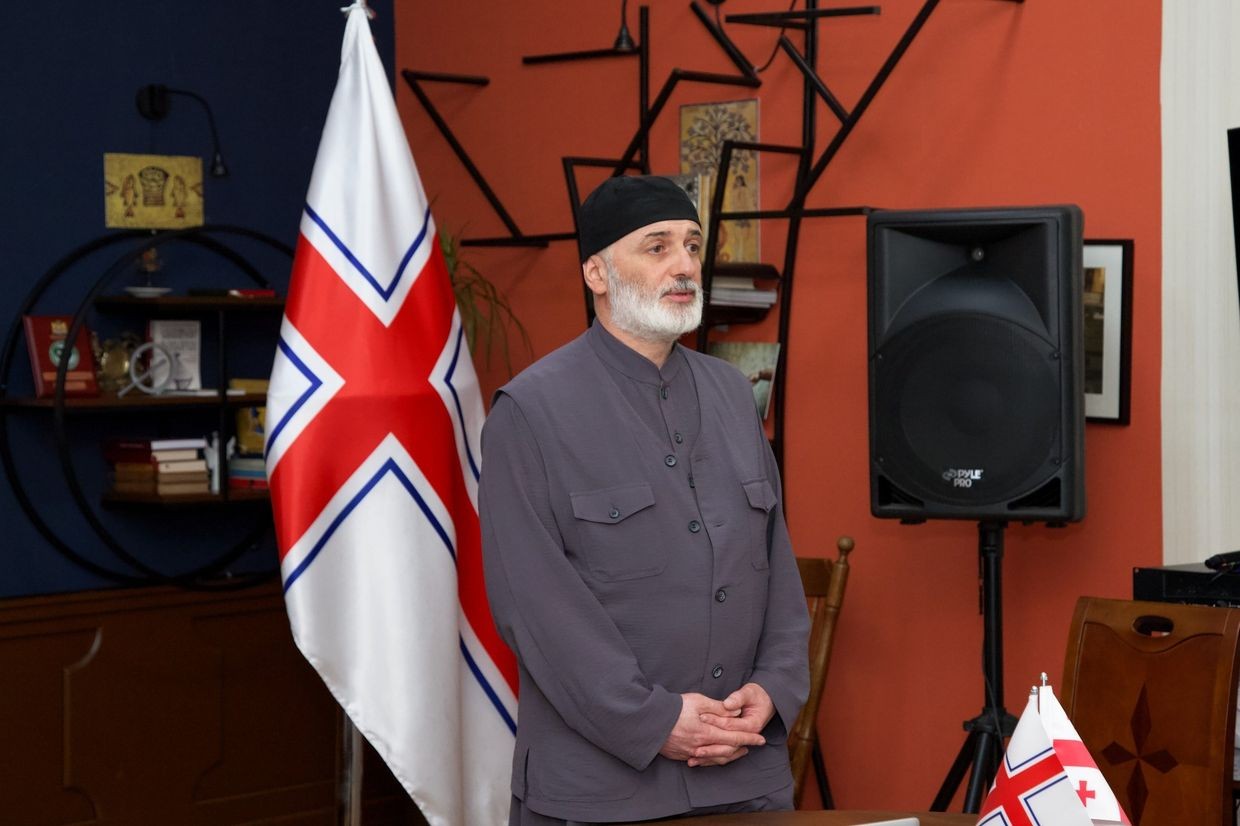
The Georgian Orthodox Church has claimed that it repeatedly and unsuccessfully petitioned the authorities to pardon some anti-government protesters and media founder Mzia Amaghlobeli.
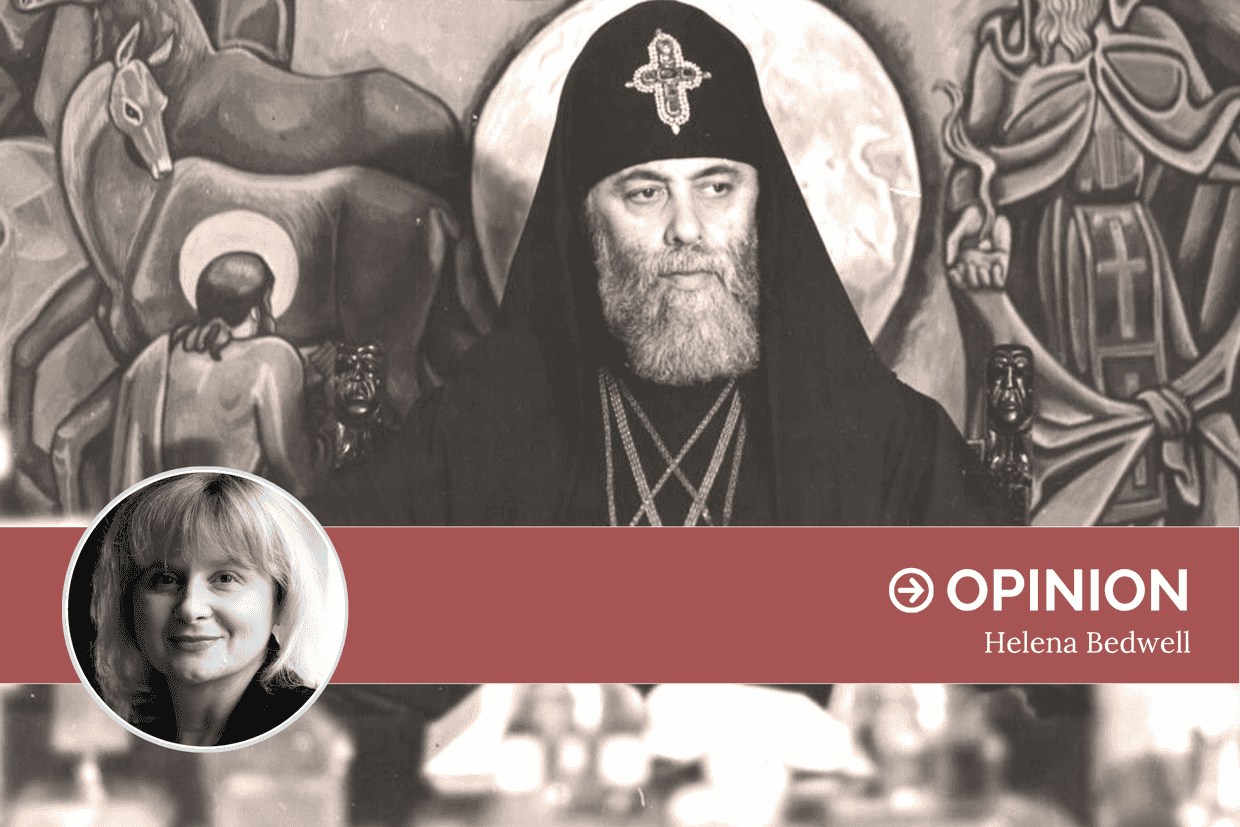
The Patriarchate’s spokesperson, Andria Jaghmaidze, claimed that the Church sought to secure the release of some detainees in an interview with Ertusulovneba, a Church-run TV channel, on 31 December. He was responding to criticism of the Church accusing it of ‘lagging behind the people supporting the protests’.
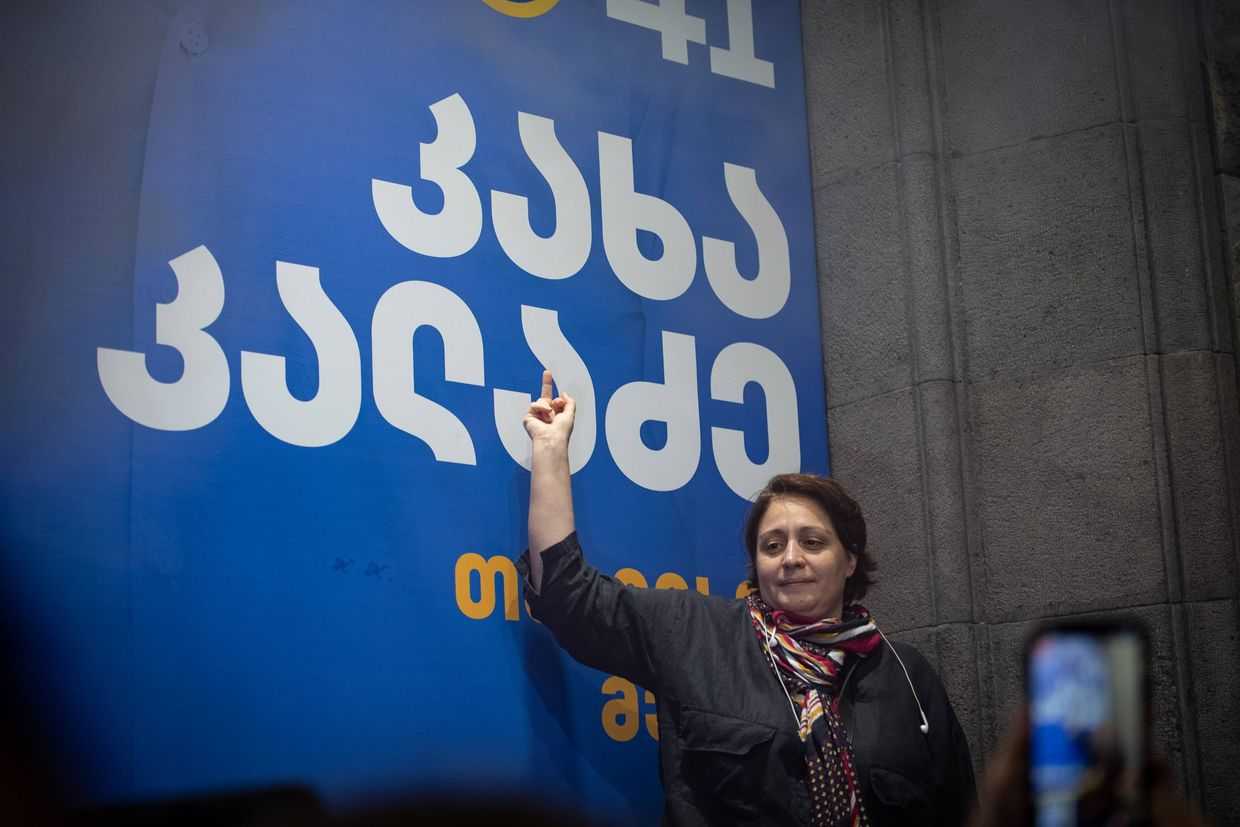
‘The issue regarding the prisoners has been raised three times, suggesting that those whose offences might be considered minor could perhaps be released, including in the case of Mzia Amaghlobeli’, he said, referring to the media founder, who in August 2025 was sentenced to two years in prison in a high-profile case involving a senior police officer.
 OC Media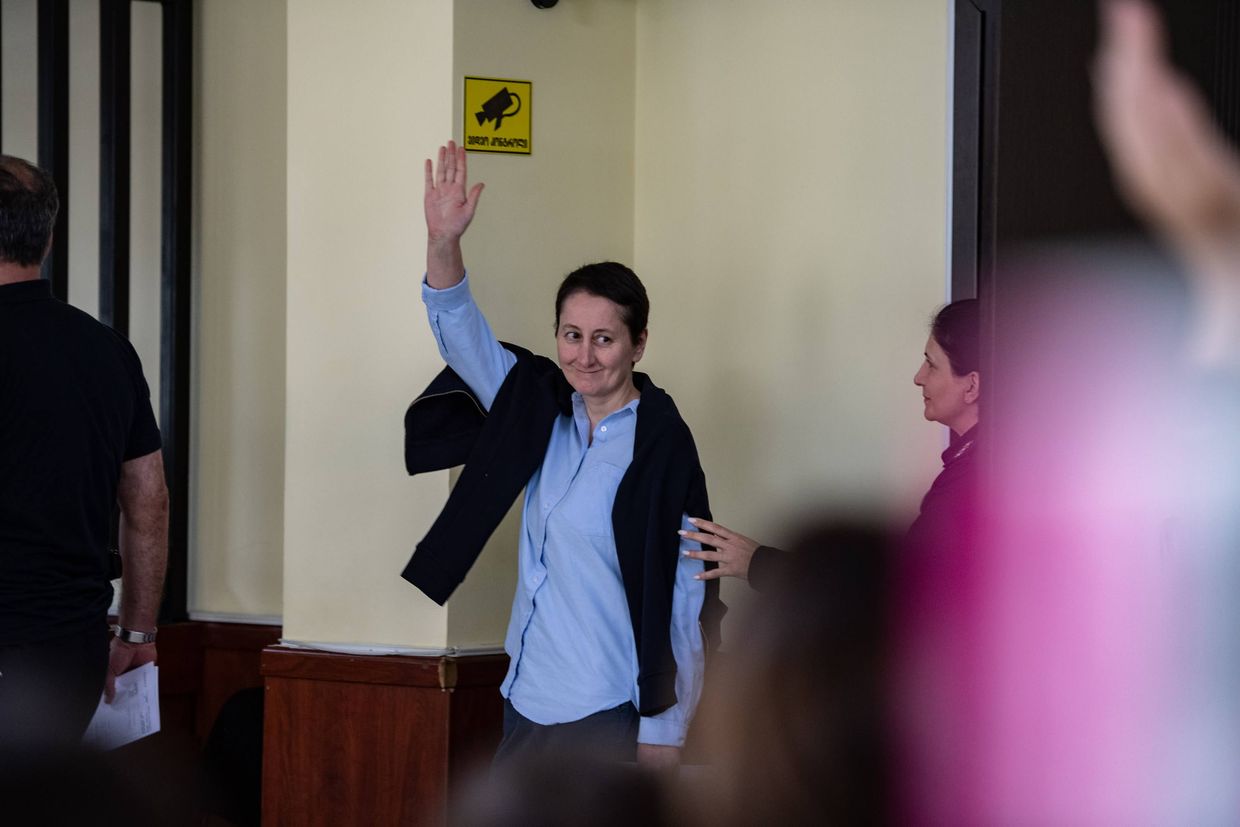
According to Jaghmaidze, he personally spoke with the authorities twice, and that the issue was once raised with Prime Minister Irakli Kobakhidze by the Patriarchal Locum Tenens, Metropolitan Shio Mujiri.
‘It was not given any consideration’, he concluded, adding that ‘we are not advertising this [...] and we do not want any of our activities to be seen as aligned with any political faction by anyone’.
OC Media has contacted the government’s press service for comment on Jaghmaidze’s remarks, but had not received a response by the time of publication.
Jaghmaidze has also claimed that representatives of the Church were involved in assisting protesters during the dispersals, noting that ‘there is plenty of footage showing this — priests themselves rinse eyes, provide water, and shelter people in the church’.
Georgian police have detained hundreds of protesters after demonstrations erupted in November 2024 against the government’s decision to halt the country’s EU membership bid. Dozens were criminally charged and later sentenced to long prison terms.
Critics of the Georgian Orthodox Church have repeatedly accused it of remaining silent on the actions of the authorities or of supporting them. The Patriarchate, in turn, asserts that it is not biased toward any political actor.
During the interview, Jaghmaidze said that ‘several clergymen worked hard’ to portray the Patriarchate as being opposed to the protesters. He did not specify names, but in a recent high-profile case in mid-December, the Patriarchate suspended the service of Tbilisi priest Dorothe Kurashvili — a vocal supporter of the protests who regularly and sharply criticises both the government and several senior figures of the Patriarchate.
Jaghmaidze maintained at that time that the decision was not related to Kurashvili’s political positions, but rather to his ‘offensive remarks’ about the Church and its representatives.
Mikheil Gvadzabia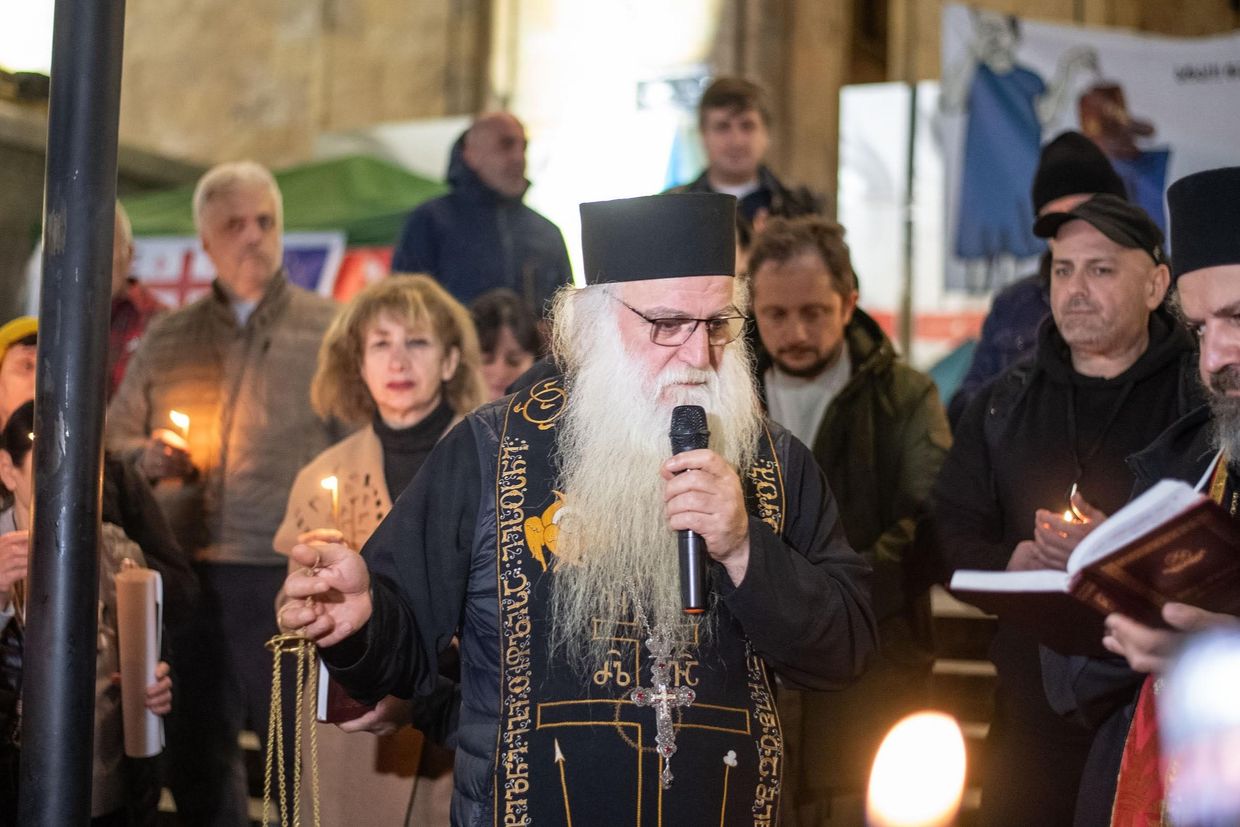
This article was translated into Armenian and republished by our partner CivilNet.
This article was translated into Russian and republished by our partner SOVA.