Georgian Dream files complaint with BBC over allegations WWI-era chemical was used on protesters

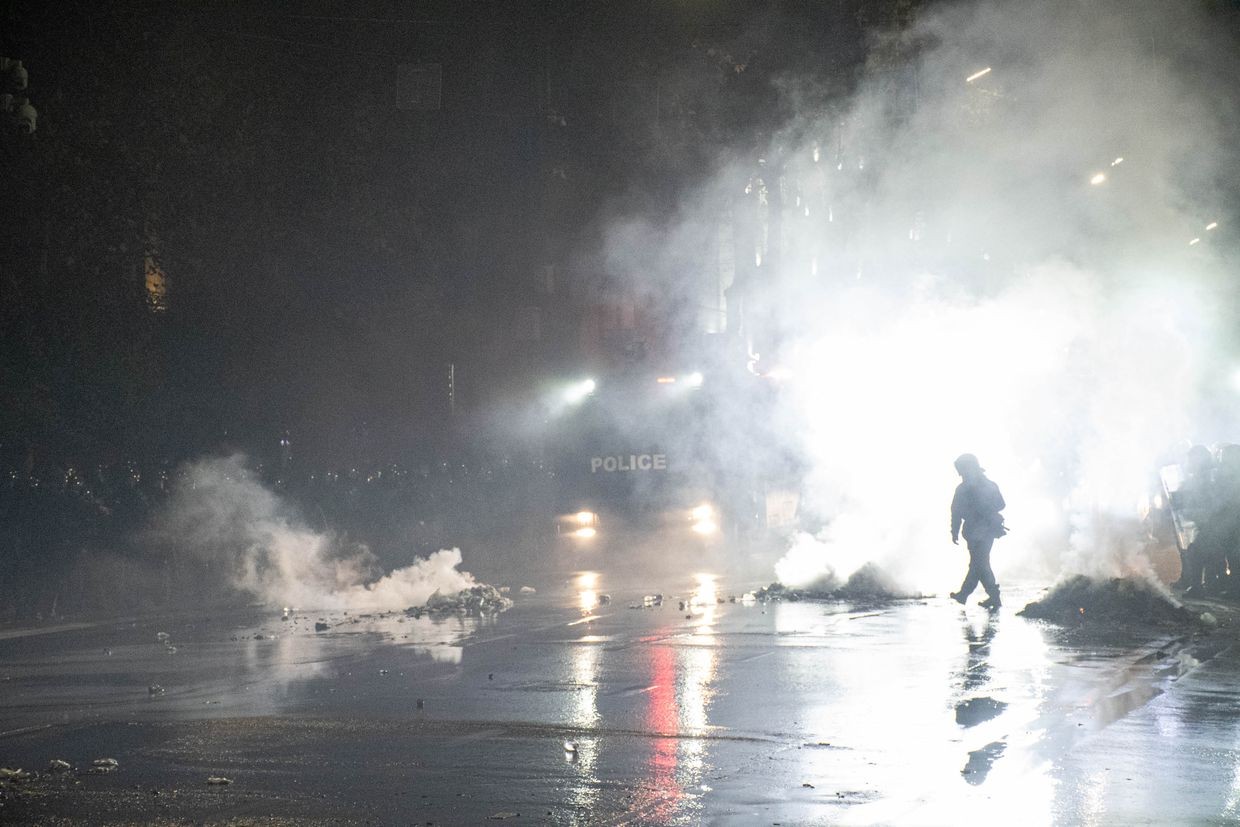
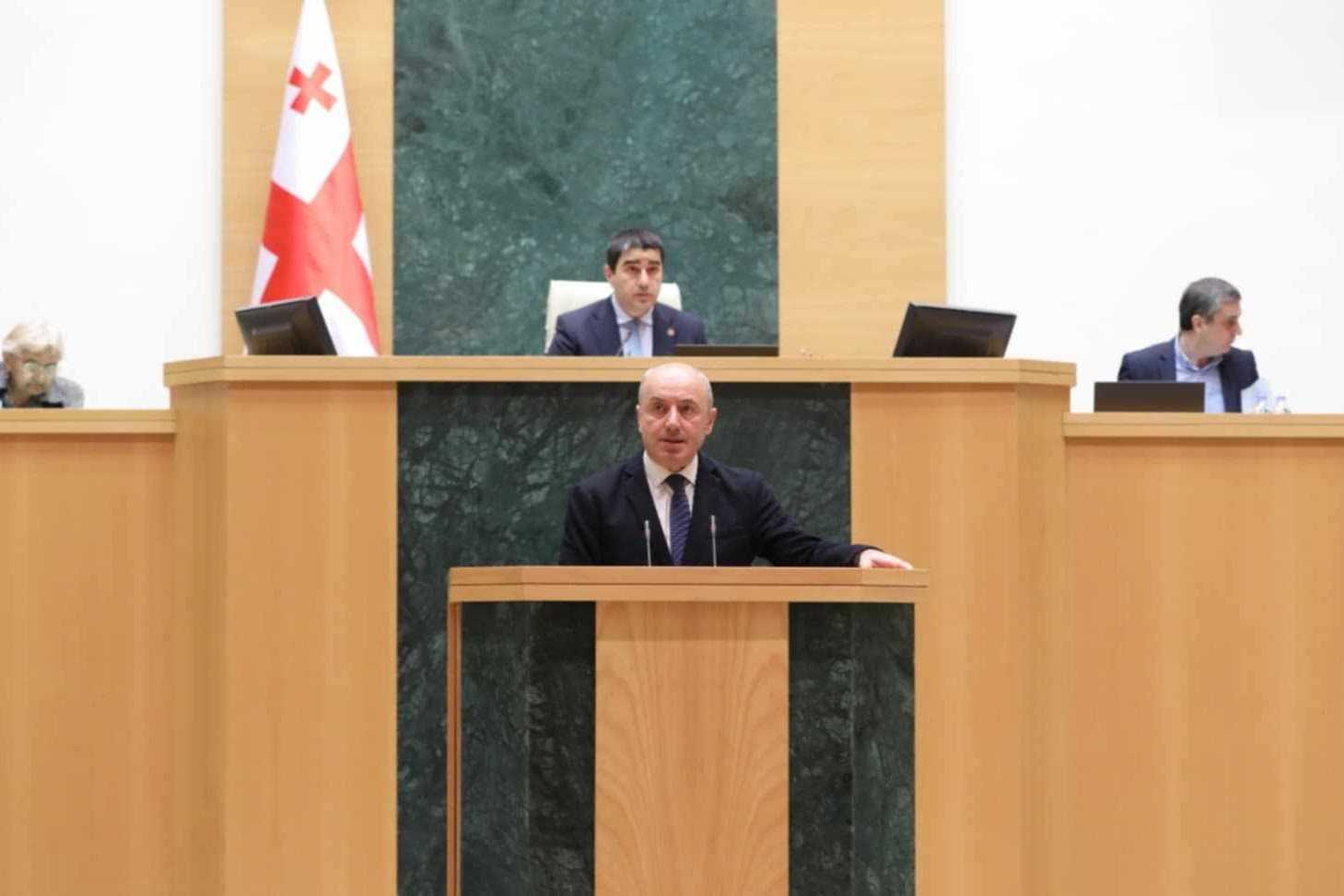
Georgia has filed a complaint with the BBC over its documentary on the winter 2024 Tbilisi protest crackdown, Parliamentary Speaker Shalva Papuashvili announced in a press briefing on Thursday. The documentary, which accused Georgian riot police of using the WWI-era chemical camite against protesters, provoked widespread outrage. Georgian Dream has denied the chemical was used.
Papuashvili called the allegations ‘grave, damaging, and categorical’ and said the complaint submitted on Wednesday demanded that the BBC retract the film and issue ‘a public and clear apology’.
He added that Georgian Dream was following UK law, which stipulates the injured party must first lodge a complaint with the alleged offender, but added that a formal complaint with the UK Office of Communications (Ofcom) could be next, as well as a lawsuit in a UK court.
‘The absurdity of the accusations, the nature and scale of violations, and bad-faith actions lead us to think that we are dealing with a political campaign aimed at damaging the reputation of the Georgian government through a predetermined false narrative’, Papuashvili said.
‘This false narrative was subsequently disseminated and amplified by many high-ranking foreign officials and domestic political actors and is being used as an instrument of politically motivated attack against Georgia’s ruling Georgian Dream party’.
Earlier in January, when Georgian Dream said the party was planning to file a complaint over the documentary, Georgian authorities extended their demands for an apology to the UK government.
Georgian Prime Minister Irakli Kobakhidze said that the UK should apologise for the material, as the BBC is a public broadcaster ‘directly funded by public channels’. In response, the British Embassy told RFE/RL that the channel is independent from the UK government in both its operations and editorial policy.
For its part, the BBC said the documentary was based on evidence from multiple sources both inside and outside the country and firmly serves public interest.
 Tamuna Chkareuli