The ruling Georgian Dream party has vowed to file a complaint with the BBC’s regulatory body ‘in the coming days’ over its documentary on the winter 2024 Tbilisi protest crackdown. The party has suggested it might appeal to ‘other authorities’ as well.
Georgian authorities have repeatedly condemned the BBC after it had released its film suggesting that Georgian police used the WWI-era chemical camite against anti-government protesters.
They accused the channel of spreading falsehoods, while Georgia’s State Security Service of Georgia (SSG) said the preliminary results of its investigation found no evidence of the state acquiring ‘camite’ at any stage.
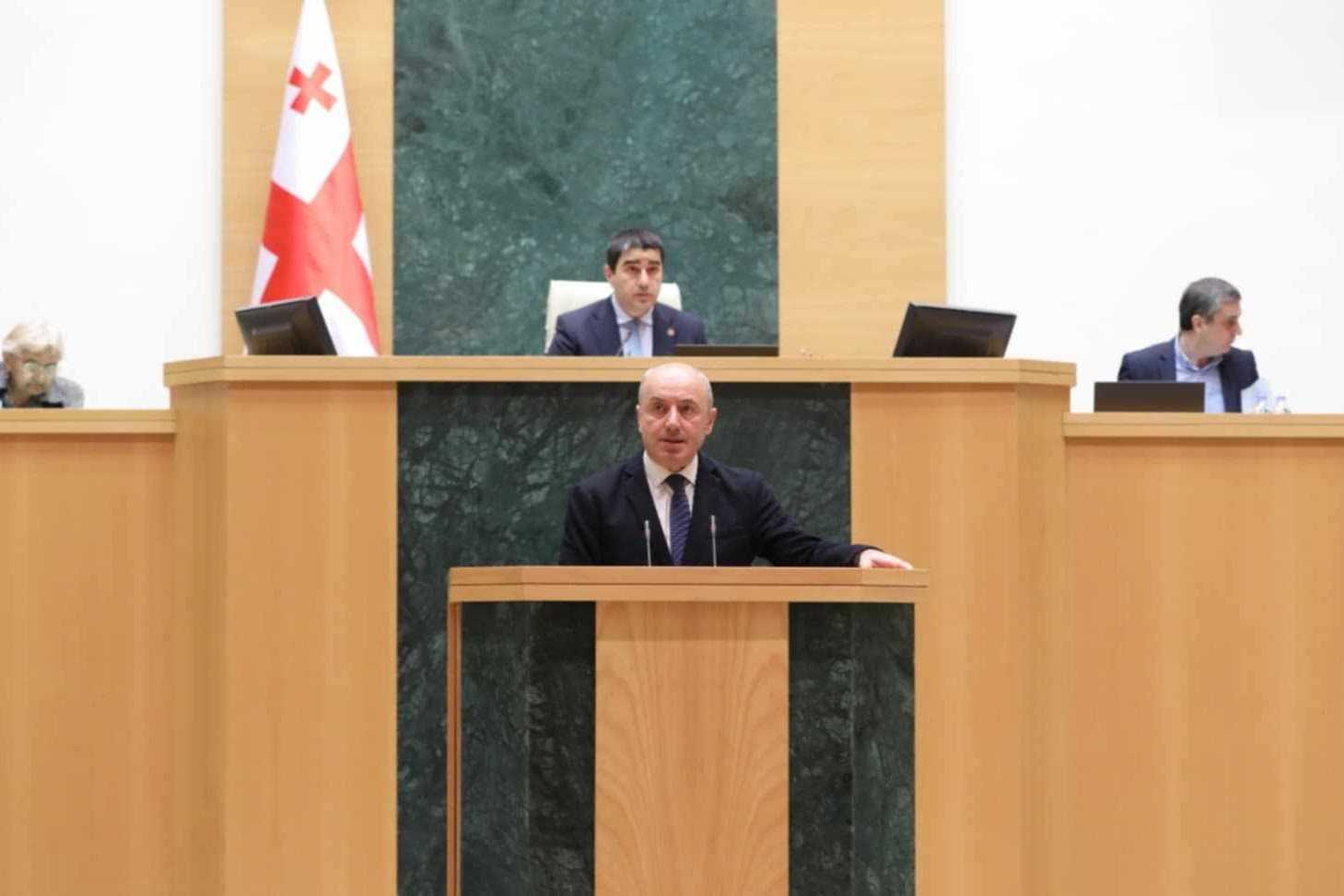
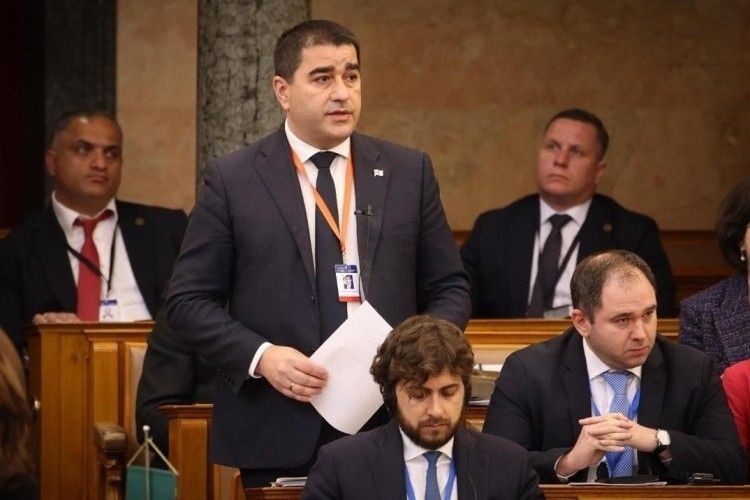
‘We will file our complaint with the BBC’s internal regulatory body in the coming days’, Parliamentary Speaker Shalva Papuashvili said on Thursday.
Earlier, the ruling party had announced plans to submit a complaint to the UK’s Office of Communications (OFCOM) and, ‘if necessary’, pursue legal action at court. However, Papuashvili noted that, according to procedure, the first step must be to approach the broadcaster’s internal regulator.
‘We hope that at this level, the BBC will acknowledge that the report was fabricated and manipulative; if not, then [we will turn to] other authorities as well’, he added, as quoted by Formula TV.
Despite the authorities’ constant denials, critics have continued to campaign in demand of an independent international investigation into the crackdown.
While condemning the film, the Georgian authorities extended their demands to the UK government, with Prime Minister Irakli Kobakhidze saying that, in his view, the UK should apologise for the material, as the BBC is a public broadcaster ‘directly funded by public channels’. In response, the British Embassy told RFE/RL’s Georgian service that the channel is independent from the UK government in both its operations and editorial policy.
For its part, the BBC said the documentary was based on evidence from multiple sources both inside and outside the country and firmly serves public interest.
 Tamuna Chkareuli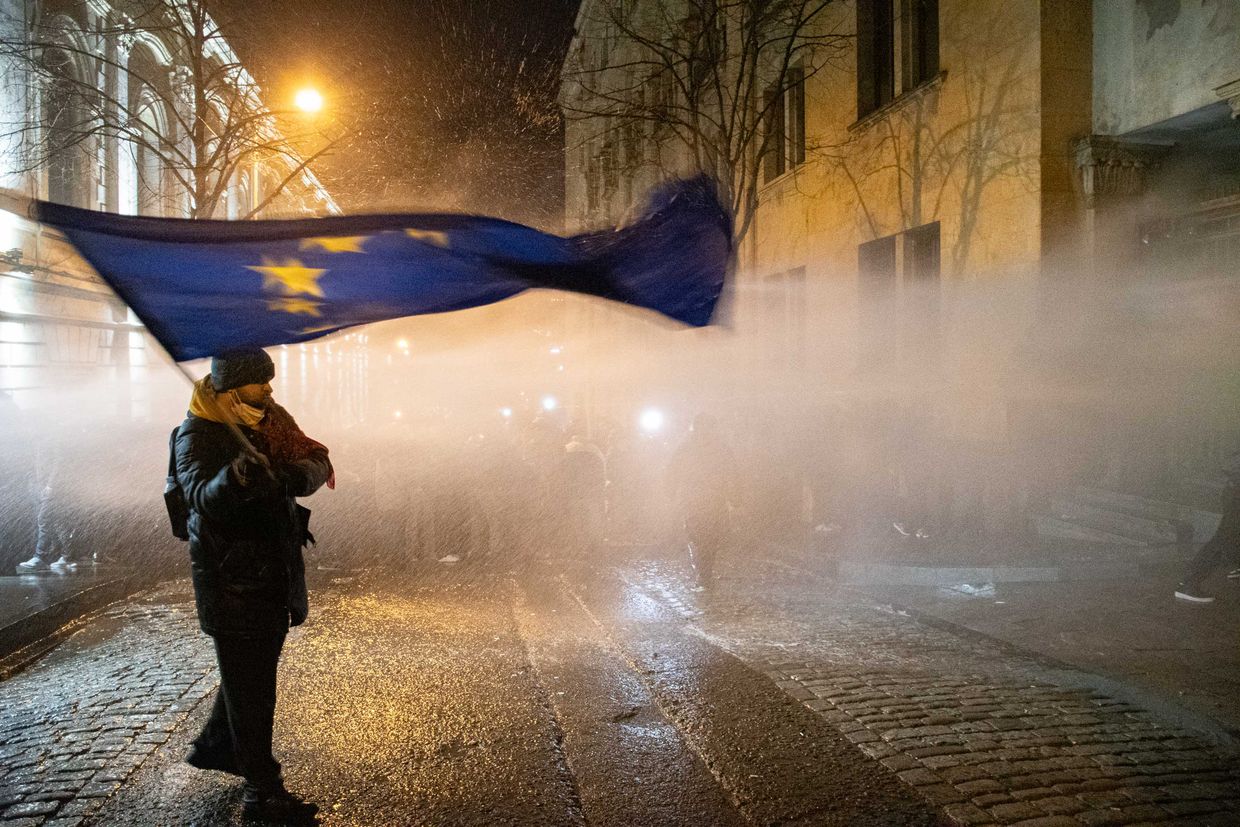
This article was translated into Armenian and republished by our partner CivilNet.