Georgian Ex-PM Gakharia’s party calls for parliamentary inquiry into protest dispersals after BBC report

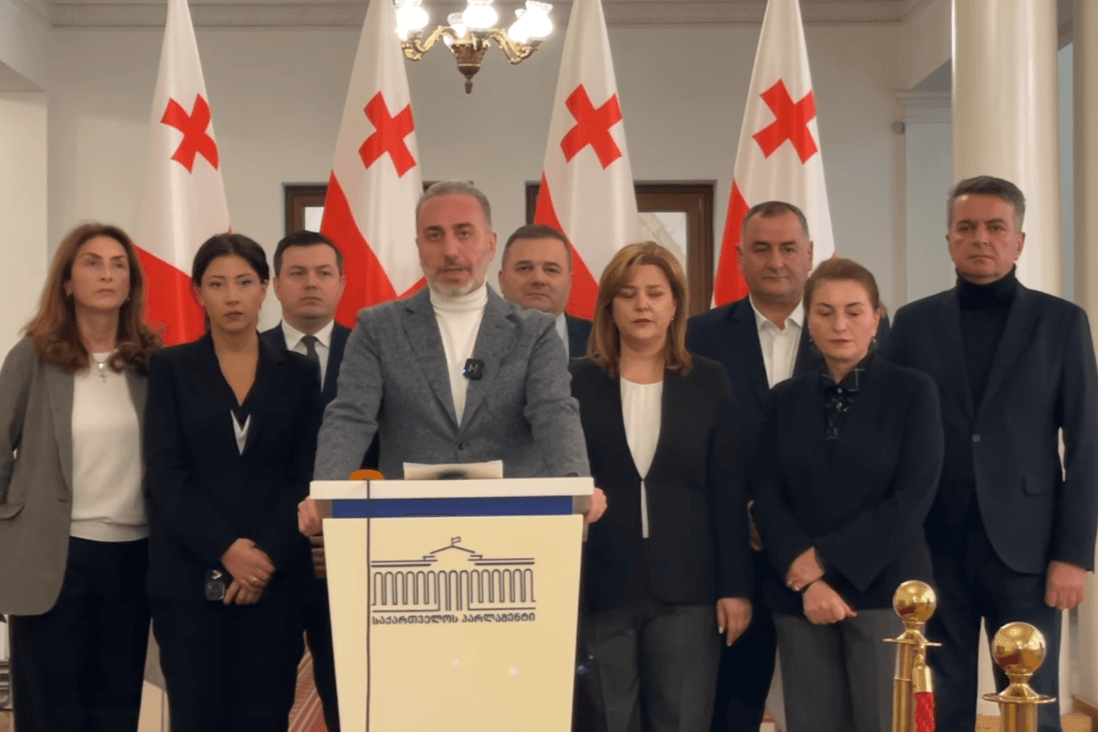
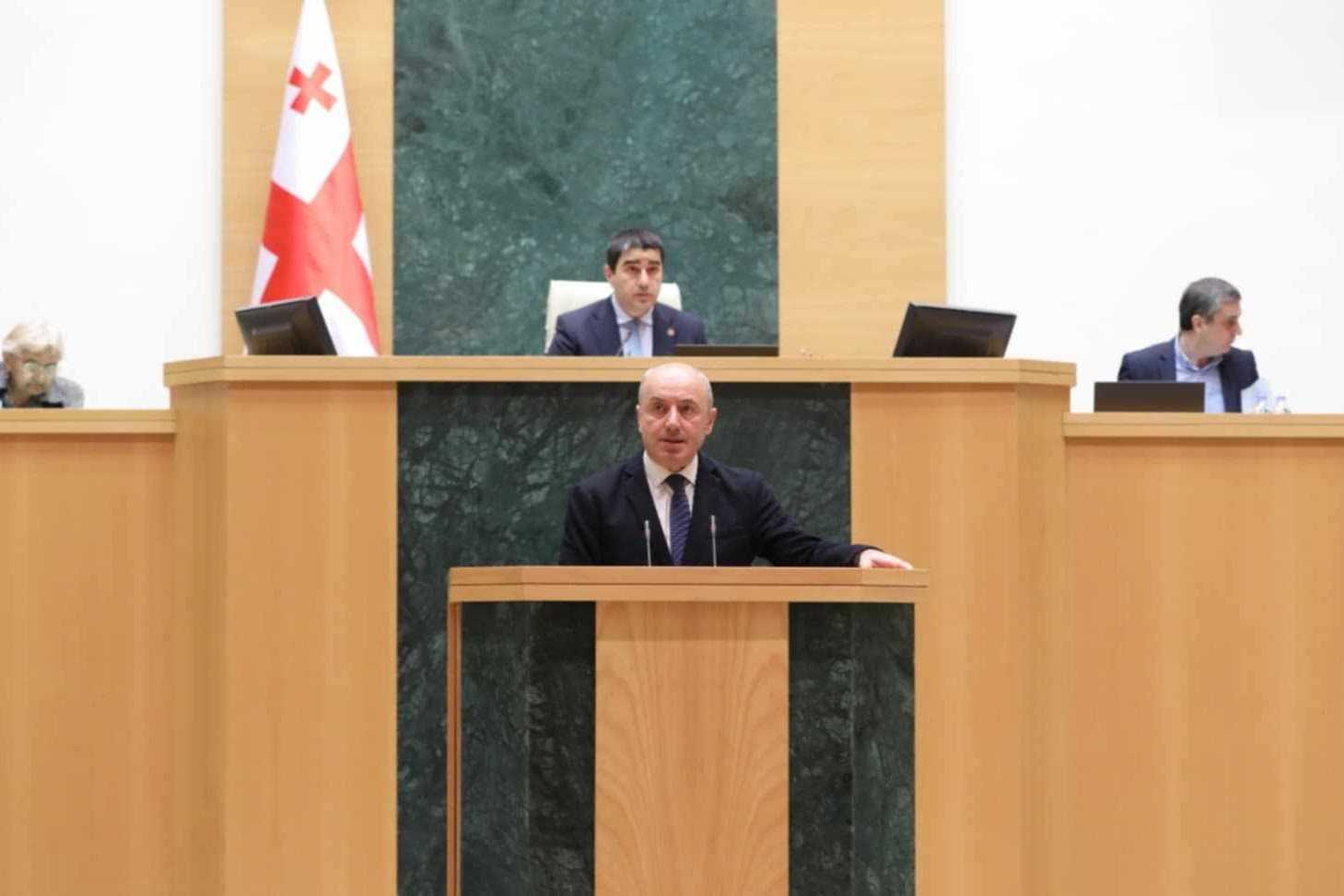
The opposition party For Georgia, which holds 12 seats in parliament, is calling for the creation of a parliamentary investigative commission to examine the legality of the ‘special means’ used by police during the 2024 dispersal of protests in Tbilisi. This came in response to the BBC investigation into the issue.
According to the BBC documentary, which sparked intense public debate, the broadcaster found evidence pointing to the use of an agent the French military referred to as ‘camite’ in Tbilisi during the 2024 protests against the government’s EU U-turn. The substance has been out of use since the 1930s, discontinued amidst concerns about its long-lasting effects.
For Georgia stated that the report ‘sparked justifiable public outrage and protest’, while triggering ‘complete panic and hysteria’ within the ruling Georgian Dream party, ‘further intensifying suspicions about their culpability’.
The party added that ‘we are dealing with such a grave possible crime that the demand for launching an independent and impartial investigation is now on the agenda’.
It also stated the public must know ‘exactly who gave the order to mix the illegal chemical substance into the water’.
‘Was this a systemic crime or an unlawful act committed by a specific official, which endangered the lives and health of numerous demonstrators?’ the statement read.
For Georgia explained the need of the investigative parliamentary commission by stating that ‘the [Georgian Dream]-controlled judiciary and investigative system practically no longer enjoy public trust, and justice is politically motivated’. It further noted that the members of the ruling party responded to the documentary with ‘chaotic, hysterical, and panicked statements, often mutually contradictory positions’.
‘An investigative commission is the only instrument that allows citizens to personally assess the objectivity of the investigation and hear live answers to the questions that concern them’, the opposition party added, noting that they will submit the draft resolution on the establishment of the temporary commission at parliament’s next bureau meeting.
For Georgia is a party founded by former Georgian Dream Prime Minister and current opposition leader, Giorgi Gakharia. Until recently, the party, like all three other major opposition groups to have secured seats in the disputed 2024 parliamentary elections, had been boycotting all sessions of parliament. However, in October of this year, the party ended its boycott and took seats in parliament.
 Mikheil Gvadzabia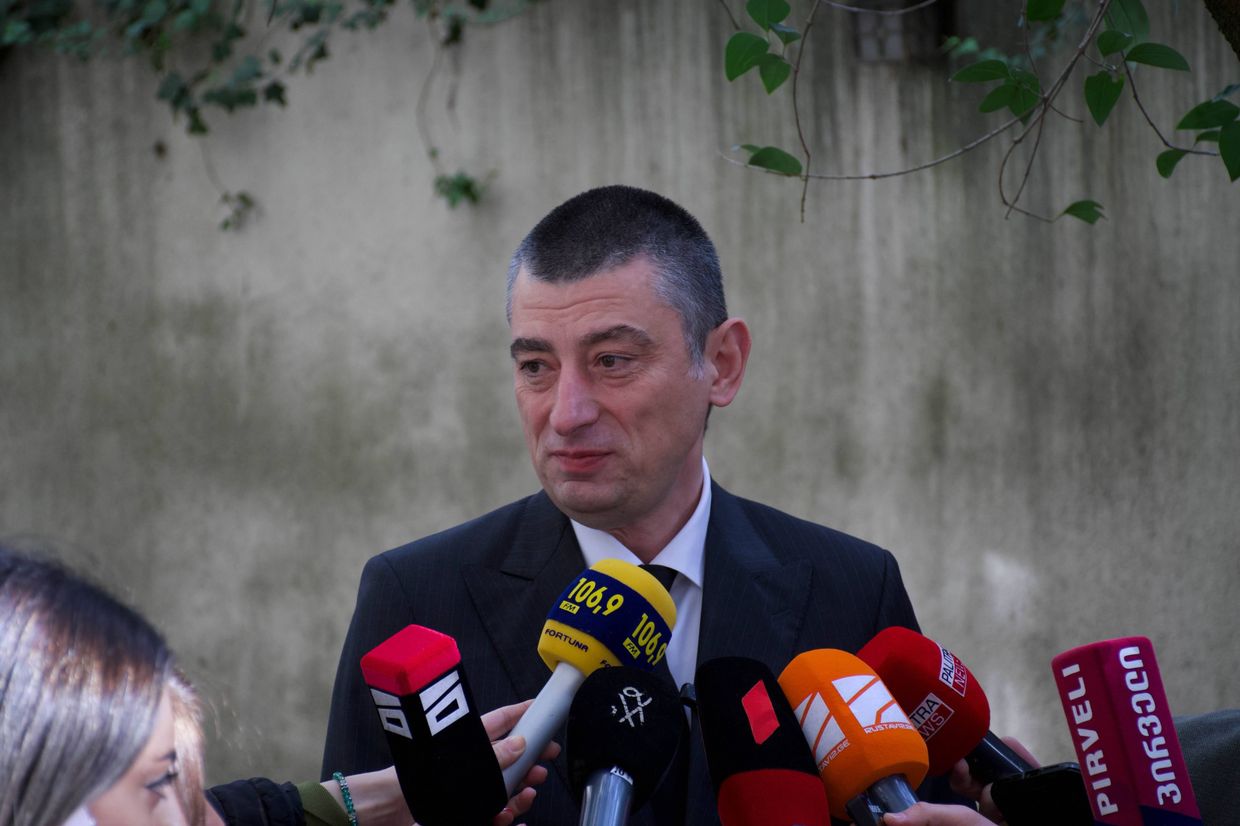
‘Gomelauri is not a chemist’
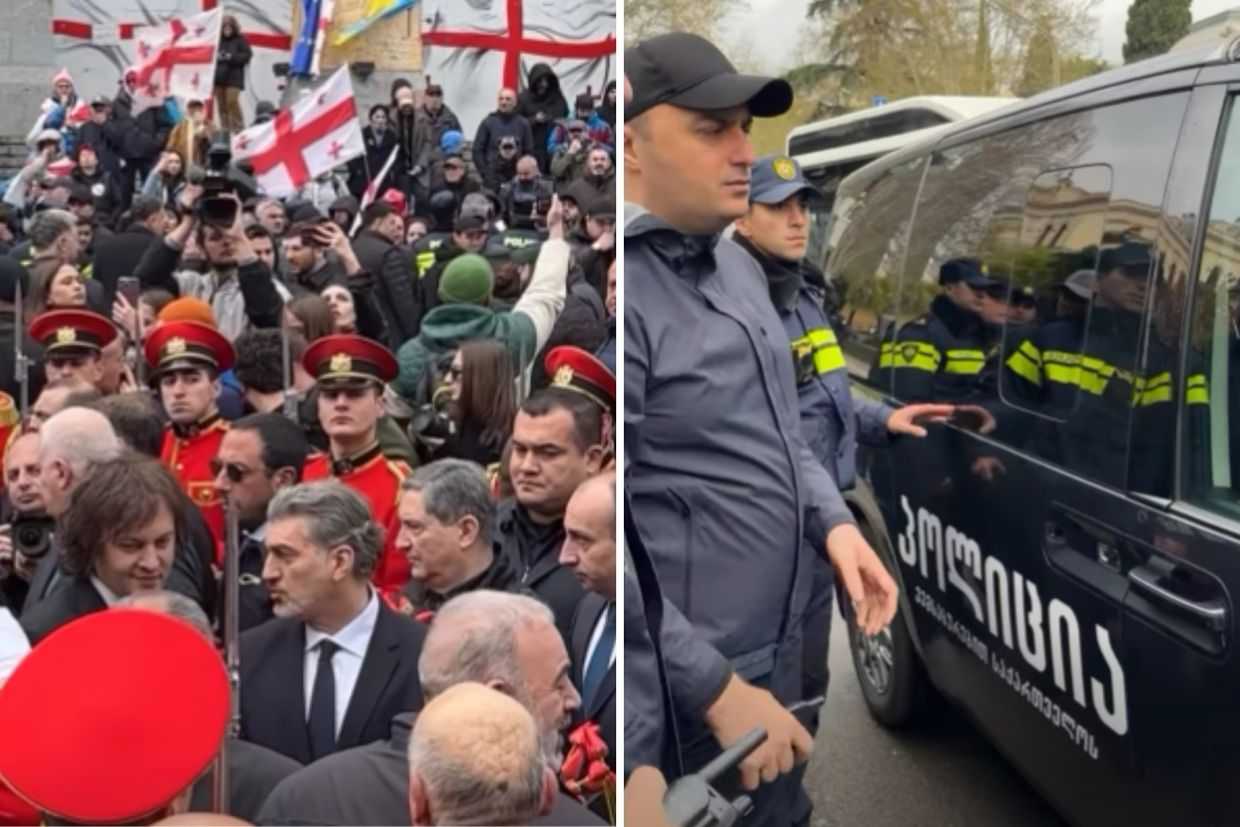
The BBC’s documentary was released on Monday, prompting strong reactions from government critics both inside Georgia and abroad. According to the film, the chemical agent was likely mixed into the water cannon streams that riot police repeatedly used against protesters.
The ruling party and its allies — including pro-government media — responded with fierce criticism and attacks directed at the BBC and the film’s contributors. However, their statements did not shed light on the question of exactly what substance was used against the protesters during the winter of 2024.
On Wednesday, three days after the documentary’s release Prime Minister Irakli Kobakhidze confirmed that some substance had indeed been added to the water, though — like Interior Minister Gela Geladze — he repeatedly denied the use of ‘camite’. The government insists that not only was ‘camite’ never used, but that the ministry has never purchased it, including under the previous United National Movement (UNM) administration.
State officials do not exactly say, if it was not ‘camite’, so what kind of other substance was used during protest dispersals, urging journalists to wait for the investigation that the State Security Service (SSG) launched on the very day the film was published.
Meanwhile, the ruling party has increasingly argued that if any violations are even theoretically identified, full responsibility would lie with the United National Movement (UNM) government, which ruled the country between 2003 and 2012.
Kobakhidze said on Thursday that the substance used by the police had, in fact, been purchased during the UNM era, in 2007 and 2009.
According to a former riot police officer featured in the BBC film, the substance he believes was used during the winter 2024 protests is the same one he was asked to test in 2009, when UNM’s Vano Merabishvili was an Interior Minister.
Responding to questions from journalists of opposition-leaning TV channels on Thursday, Kobakhidze told them that ‘the only ones who might face any trouble are specific leaders of your party — for example, Vano Merabishvili, if he purchased something he shouldn’t have’.
‘I’m speaking theoretically’, he added.
A journalist asked him whether he considered it possible that Merabishvili had purchased a substance that was not permitted for use and that the Georgian Dream government had then used it.
‘I don’t know. You should be the ones assessing that. You should be the ones worrying about your party’s leader. We are not worried about Vano Merabishvili’, Kobakhidze responded, again downplaying any responsibility on Georgian Dream’s part.
Asked in a follow-up question whether the Vakhtang Gomelauri, the Interior Minister in 2024, knew what kind of powder the police were using, Kobakhidze answered:
‘Vakhtang Gomelauri was expected to know the purpose of the powder. But Gomelauri is not a chemist to go and verify a powder that was purchased in 2007 and 2009’.
Mikheil Gvadzabia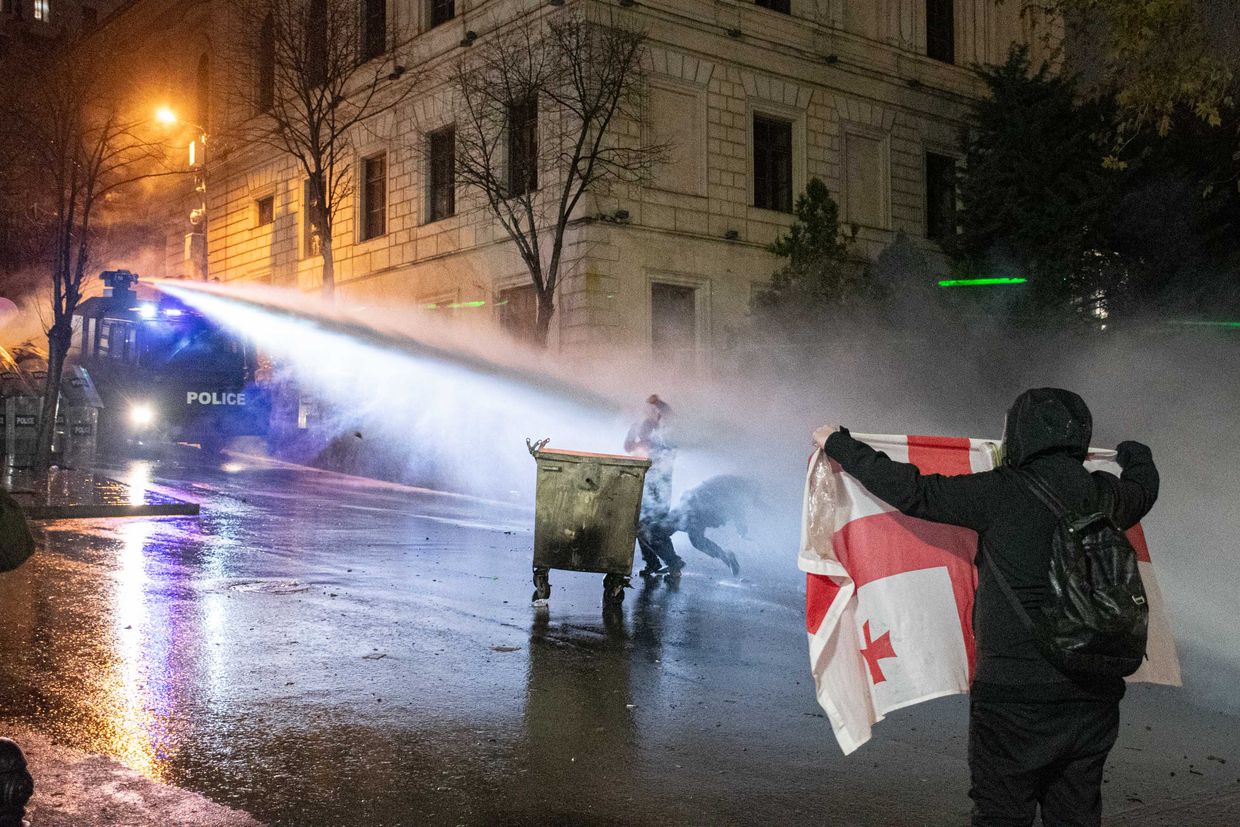
The SSG probe: investigating the dispersals or interviewees?
On the very day the film was released, the State Security Service of Georgia (SSG) announced that it had launched an investigation.
According to the SSG, the investigation will examine claims of harm to citizens’ health under the charge of abuse of official powers, while also making a probe under the charge of aiding a foreign organisation in hostile activities.
In his latest comments, Kobakhidze downplayed the first part of the investigation. He said that the probe would ‘additionally’ examine the issue of the substance used during the dispersal, but that ‘what matters most is identifying who was involved in hostile activities against Georgia’s national interests’ — an apparent reference to the people who, according to the government, provided false information to the BBC.
Since Monday, several interviewees from the film, as well as other individuals connected in various ways to the events depicted, have been summoned for questioning.
Mikheil Gvadzabia