Georgia’s Epiphany pardon fiasco leaves families freezing outside prisons in vain
Families, journalists, and activists spent two snowy days outside Georgian prisons hoping for a presidential pardon for imprisoned government critics.


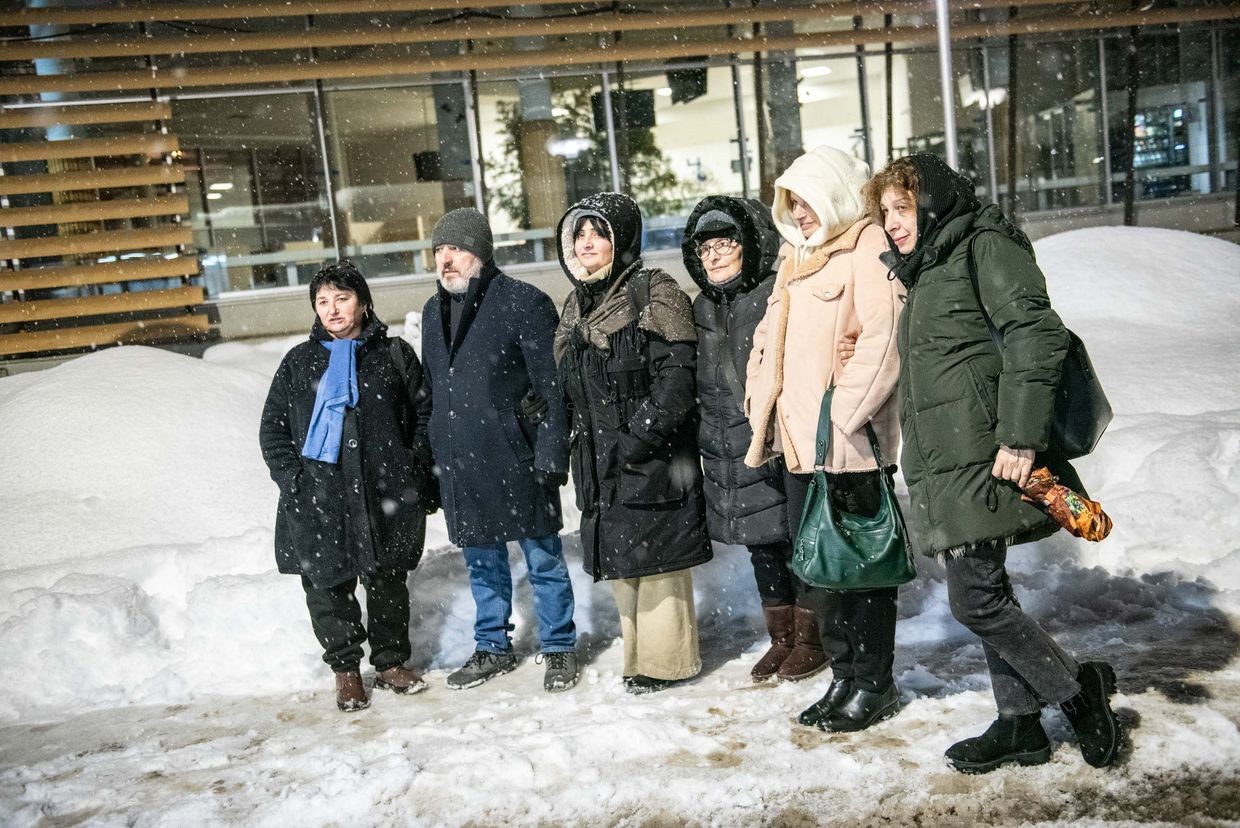
People first began gathering outside prisons in Tbilisi and the nearby city of Rustavi on Monday morning.
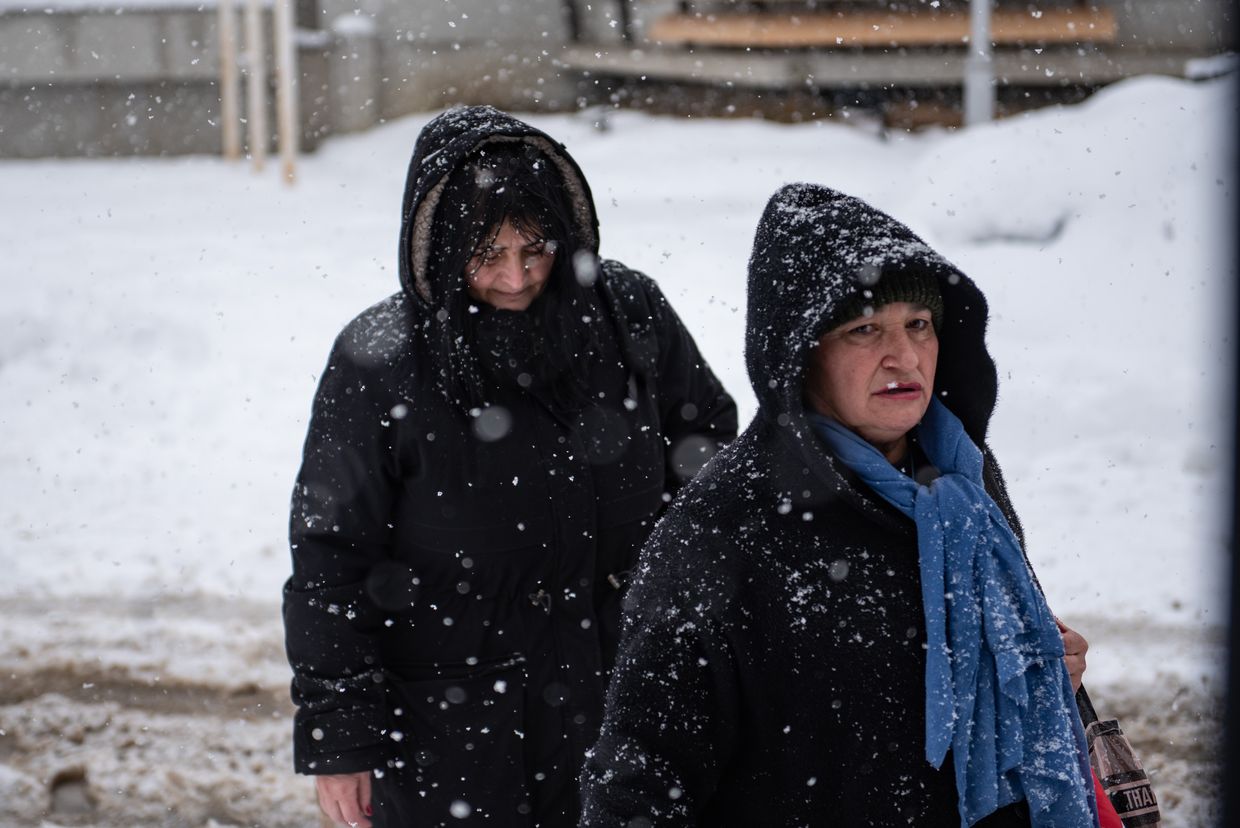
By then, both cities were already blanketed in snow, and the temperatures were dipping below zero. Prison waiting areas, where families could have waited for news of their loved ones or taken shelter from the cold weather, were closed off for the holiday season.
Those in Rustavi had to wait in their cars, while at Tbilisi’s Gldani’s facility No. 8 — where there is no parking nearby — families and journalists stood outside in the snow and bitter cold.
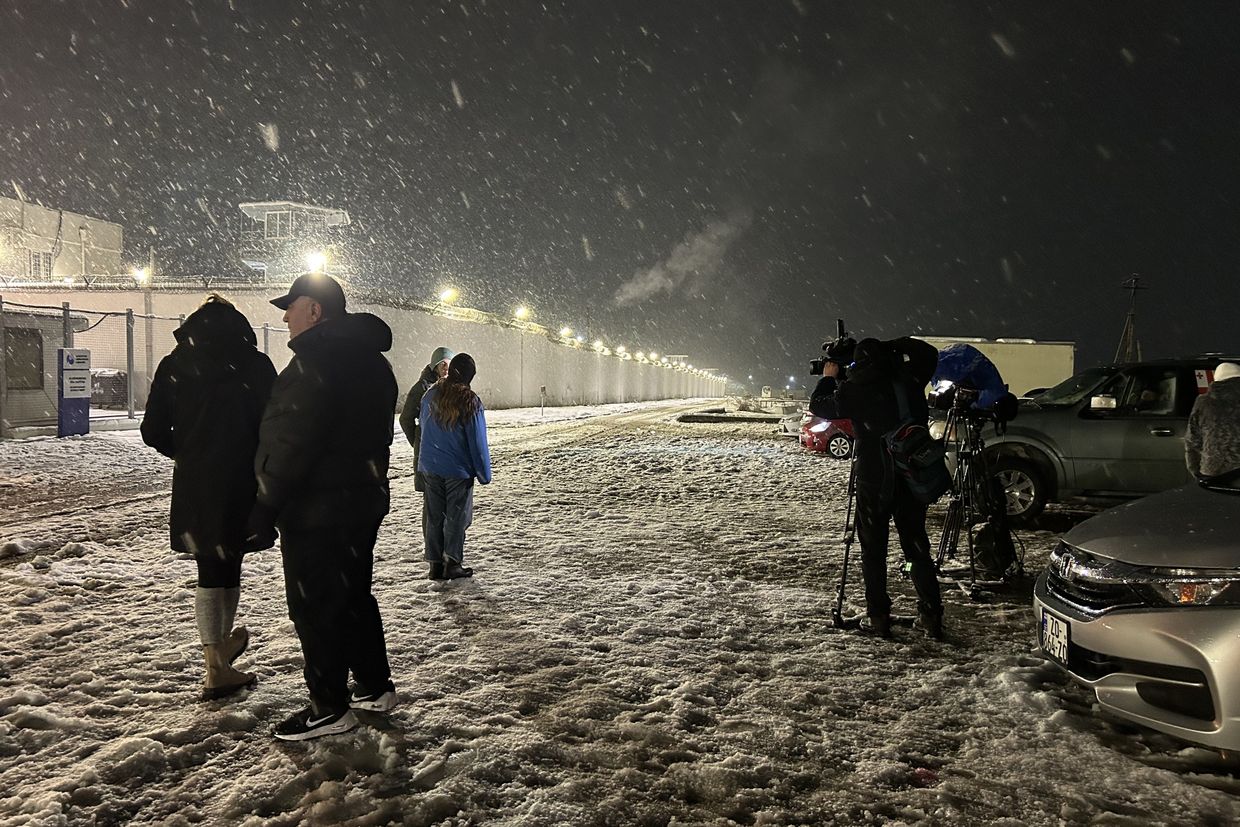
The gatherings were not coincidental: 19 January marks Epiphany in the Georgian Orthodox Church and is one of the occasions when Georgia’s presidents have traditionally issued pardons.
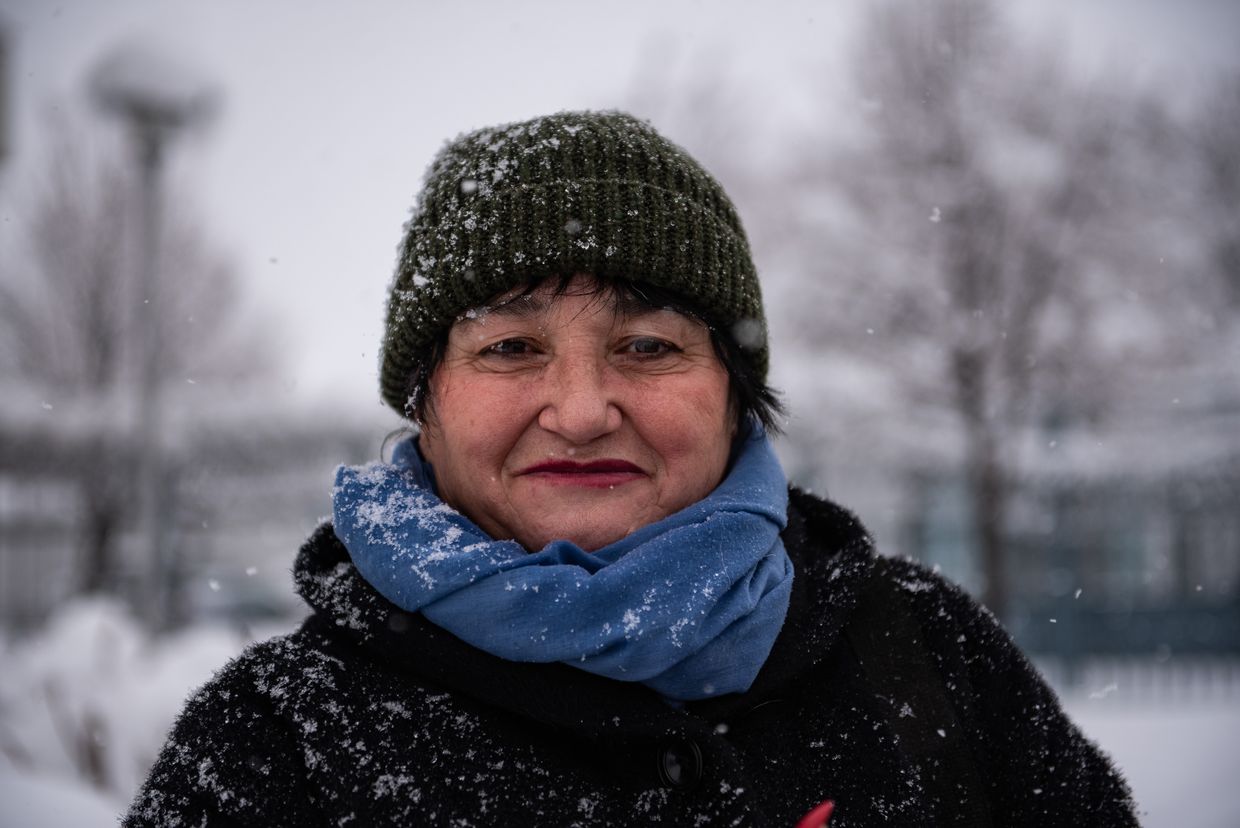
‘I couldn’t rest all night — sometimes I thought I heard the gate opening, sometimes the dogs barking’, Marizi Kobakhidze told journalists gathered outside Gldani Prison. Her son, 25-year-old protester Tornike Goshadze, was detained in December 2024 and sentenced the following September to two years in prison for public order offences.
‘Tornike told me not to come […] but I just couldn’t rest, so I came anyway’, Kobakhidze added while offering coffee to journalists and other parents gathered alongside her.
Usually, pardons are issued during the course of the holiday, and prisoners begin leaving prisons shortly after. Decrees do not contain lists of names of those pardoned.
A build-up of hope
President Mikheil Kavelashvili has pardoned prisoners during previous religious celebrations as well, but no anti-government protesters were included in those previous pardons.
Few expected the latest pardon to be any different, to reach those detained since November 2024 when daily protests erupted in response to the Georgian government’s EU U-turn. The authorities gave no such indication, with Prime Minister Irakli Kobakhidze saying as early as December 2025 that ‘the most effective means of prevention is the proper enforcement of punishment’.
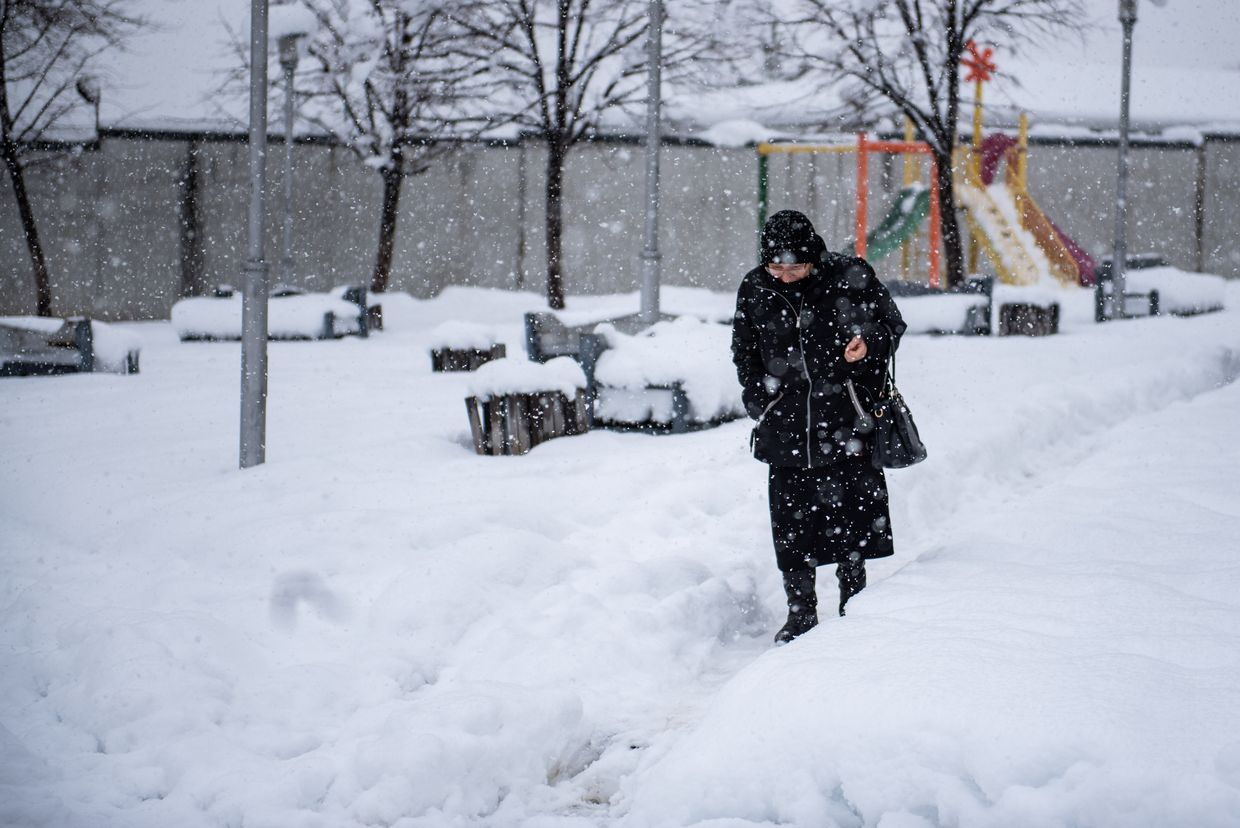
However, in the days ahead of this particular pardon, a number of factors meant that hope began to grow.
Many expected Mzia Amaghlobeli, the founder of Netgazeti and Batumelebi, currently serving a two-year sentence for slapping a police officer, to be pardoned after prominent pro-government personality Gia Gachechiladze (Utsnobi) called for her release.
 Mikheil Gvadzabia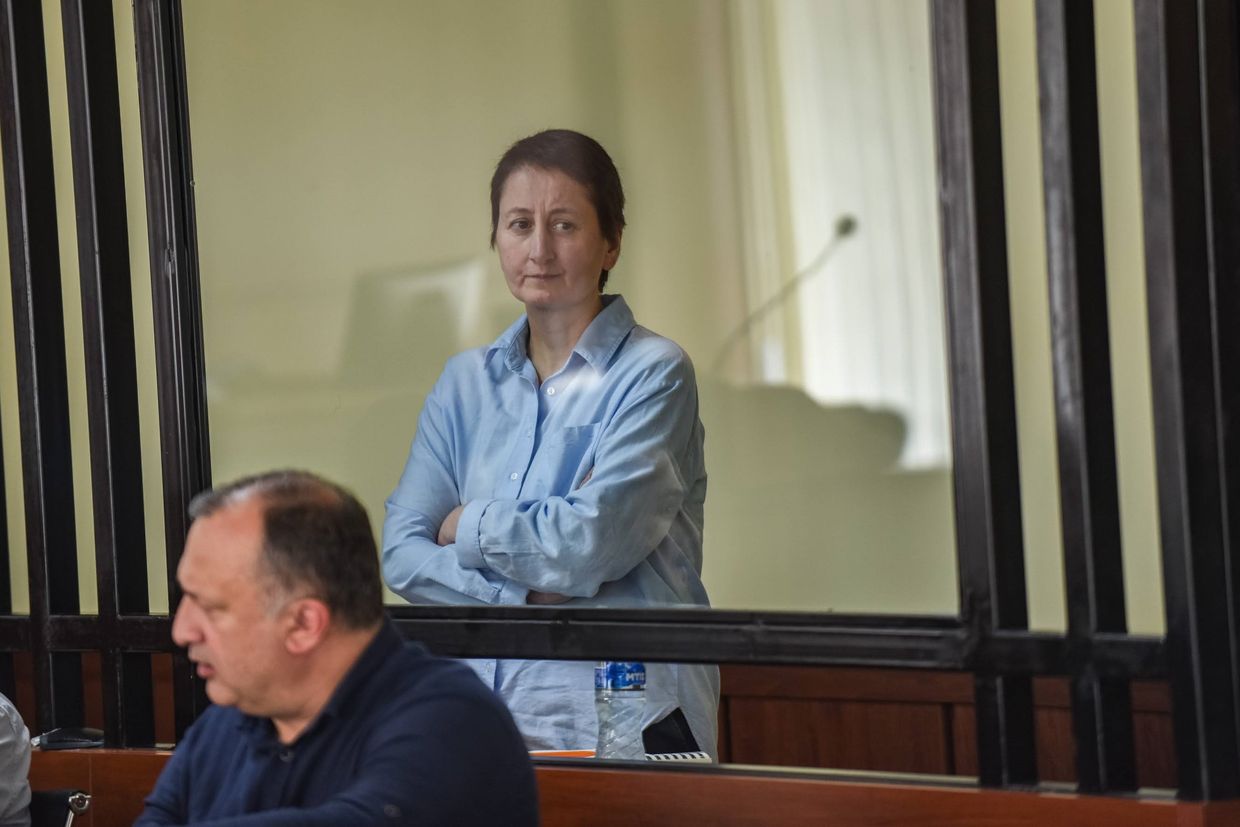
‘We should start gathering signatures [calling for her release], because for them the main story is to remain in prison and make political speculation in the press, the media. I would punch Mzia Amaghlobeli out of prison, as a so-called media grandee, what Sakharov Prize, she is an ordinary violent person, she slapped a police officer, what Sakharov, everyone knows this right?’ he said in December 2025.
Earlier in January, Georgian Orthodox Church spokesperson Andria Jaghmaidze also said that the Church had unsuccessfully lobbied the government to release some imprisoned protesters — and Amaghlobeli — three times.
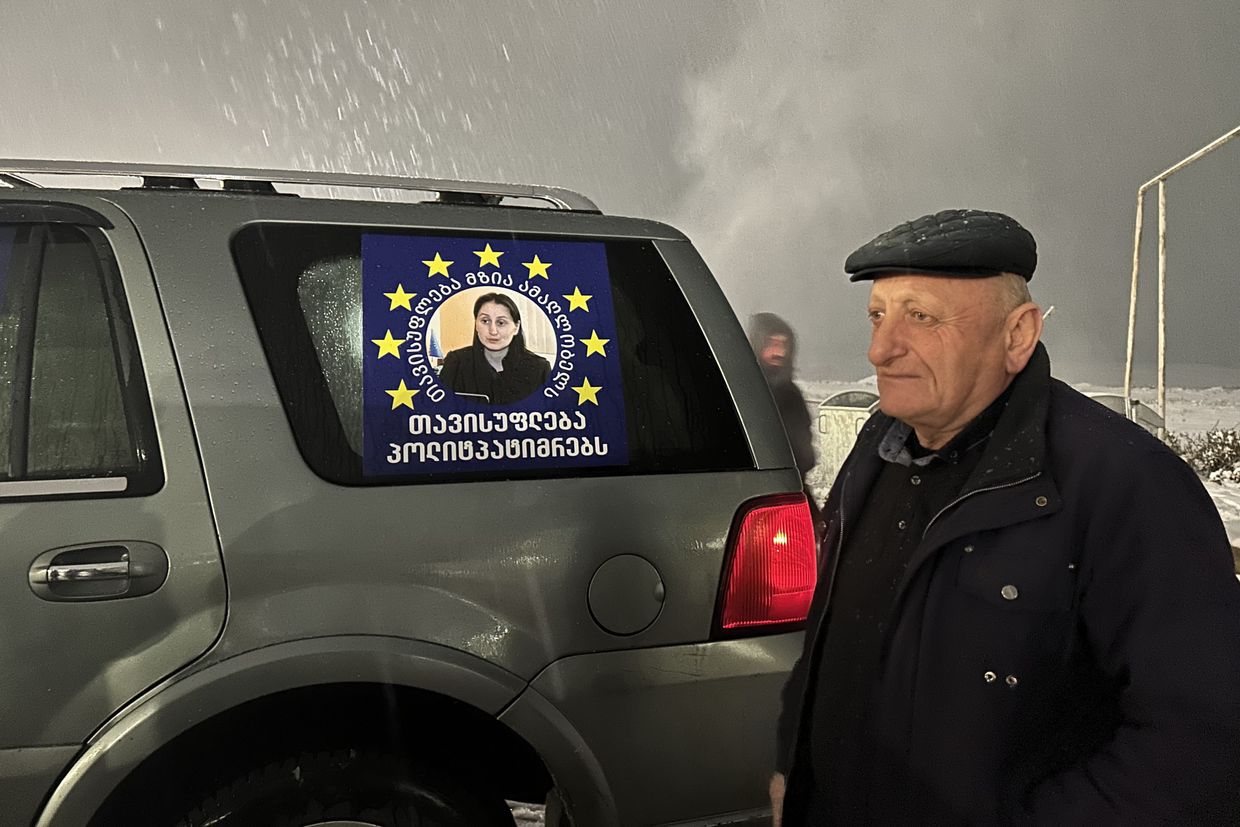
And in December 2025, the Public Defender, Levan Ioseliani, filed a legal appeal over the cases of imprisoned protesters Zviad Tsetskhladze, Vasil Kadzelashvili, and Vepkhia Kasradze, pointing to procedural violations in their case.
Mikheil Gvadzabia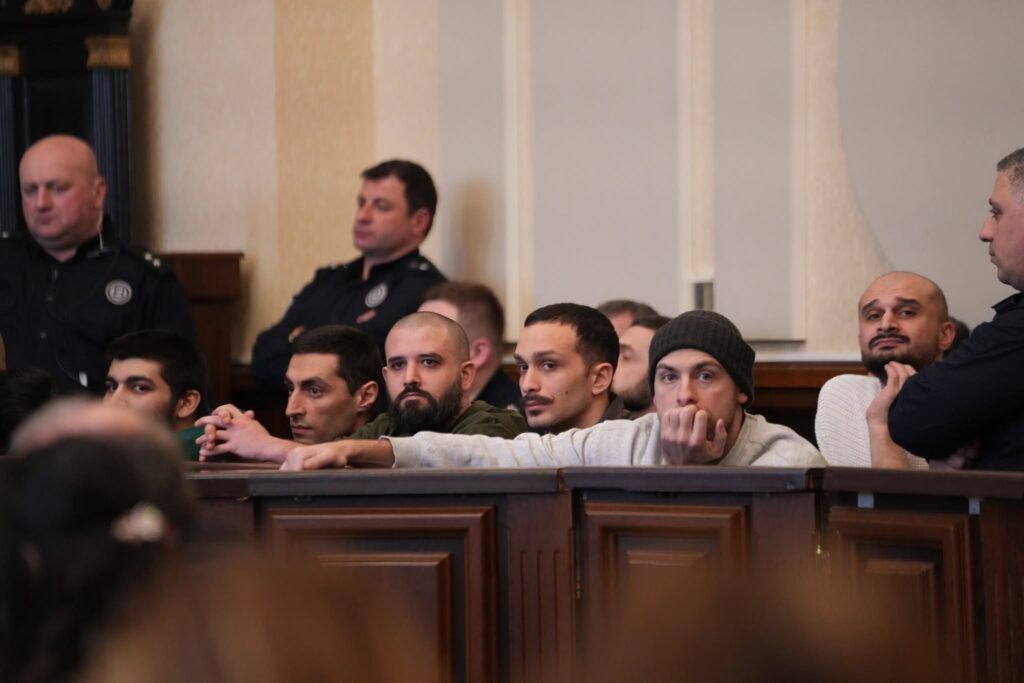
Despite uncertain prospects for their release, some still clung to a faint hope and began gathering outside prisons in two cities.
A small number of people — initially only journalists — gathered outside prisons in Rustavi in the morning. Two prisons sit side by side in the city: facility No. 6, where those convicted of particularly serious crimes serve their sentences, and No. 5, the women’s prison, where Amaghlobeli is imprisoned.
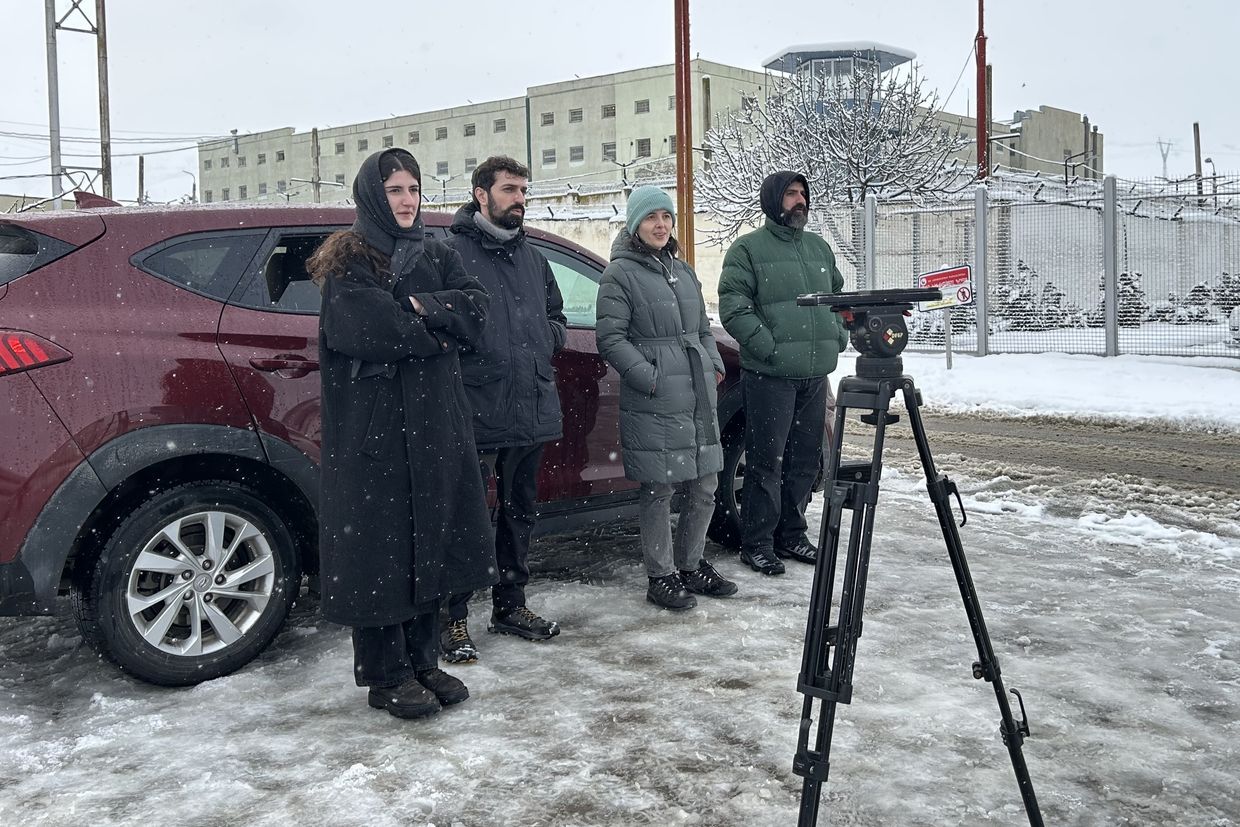
‘I don’t have high expectations, but I do hold a small hope that Mzia Amaghlobeli’s unlawful imprisonment will end today’, Lika Zakashvili, an editor from the Publika media outlet said outside the prison with several of her colleagues.
‘It’s very difficult for me to predict, both situationally and politically, how feasible [her release] would be for Georgian Dream, or whether they want it or not. What I do know for certain is that Mzia is being held unlawfully and should be free’, she noted while speaking with TV Pirveli.
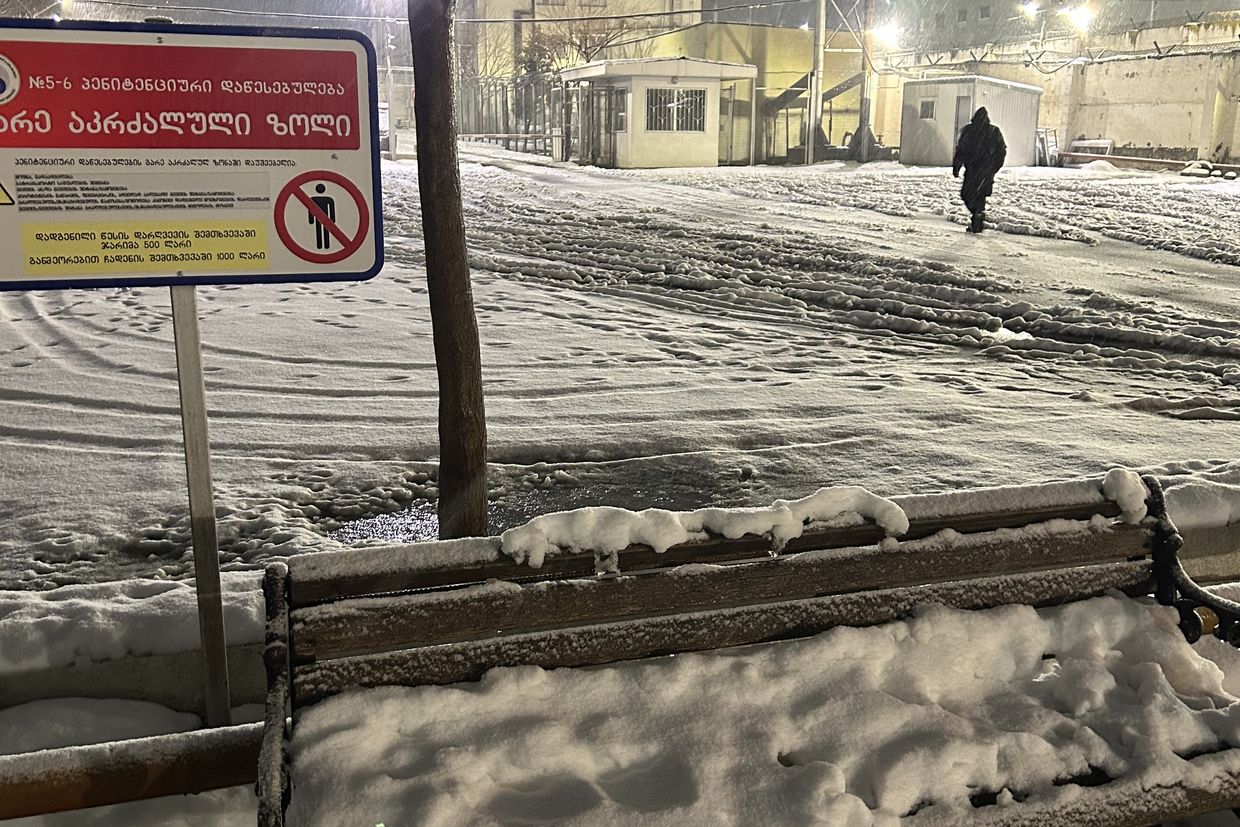
Later, Amaghlobeli’s brother arrived at the site, along with family members of Saba Skhvitaridze, a demonstrator held in facility No. 7. From time to time, some activists also came by.
‘I don’t have hope, but since there are parents and family members here — some in Gldani, and Ms Mzia’s brother came from Batumi — seeing that, I decided to come’, Saba Skhvitaridze’s brother, Tornike Skhvitaridze, told the media.
Mikheil Gvadzabia
A prolonged wait ending in vain
Well-wishers of the prisoners waited outside the prisons for the whole day. Eventually, the pardon decree was issued late at night, revealing that 159 people had been pardoned by Kavelashvili. However, because it was unclear who had been pardoned, some still remained outside prisons throughout the night, while others returned the next morning.
‘What Georgian Dream has been doing these past two days, in my view, is inhumane’, said activist Megi Diasamidze, highlighting the long wait endured by the prisoners’ parents. She noted that ‘Georgian Dream is trying to exert psychological pressure on part of the public’.
The pardon was also criticised as ‘shameful and inhumane’ by jailed protester Zviad Tsetskhladze, who is serving a two-and-a-half-year sentence in Gldani prison for public order offences.
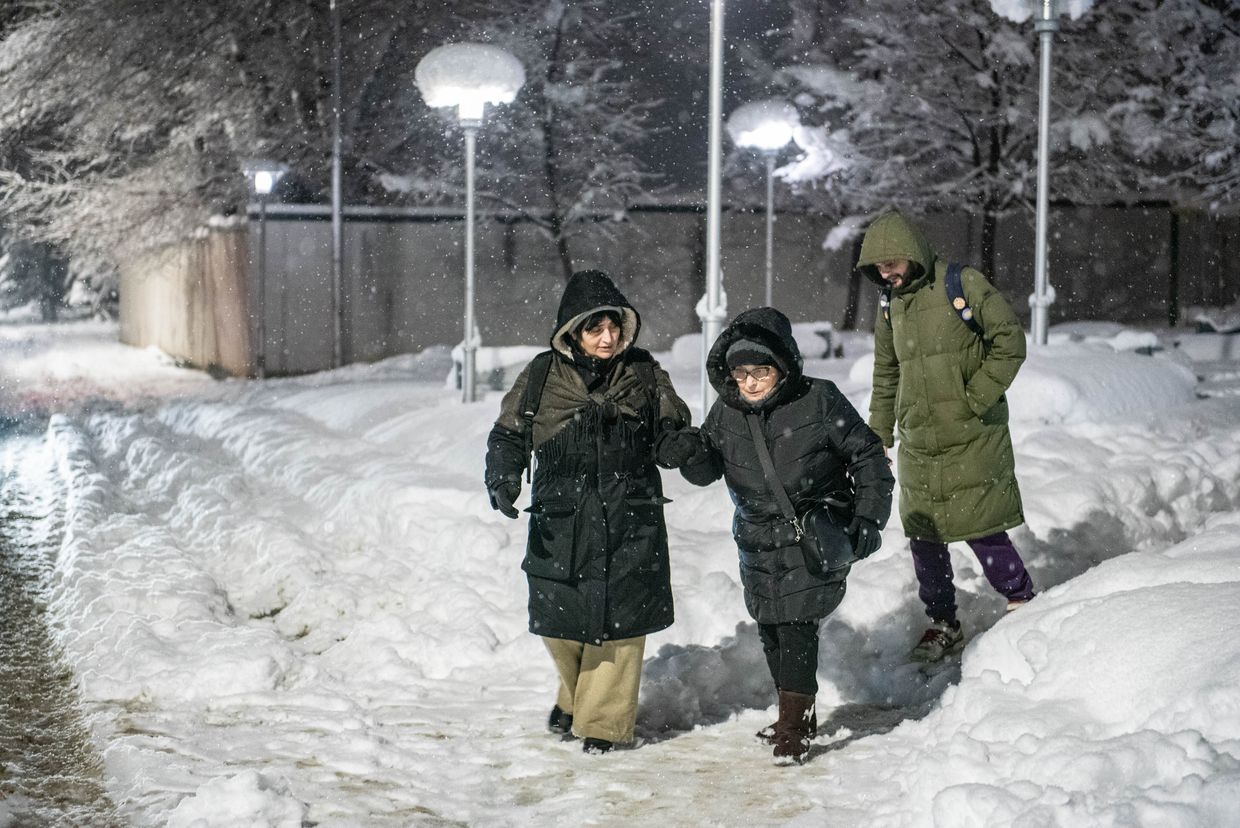
‘Our parents were left outside all day in the freezing wind and snow. You know a mother’s heart cannot endure waiting for her child; even if there’s only a tiny chance, she will come to the prison and wait, because she’s a mother and cannot do otherwise’, he wrote in a letter from prison.
‘You saw this and did not utter a word to at least let our parents go home, leaving these people freezing, clinging to that spark of hope’, he continued, addressing the authorities.
Omar Purtseladze, a lawyer representing several detained protesters, told TV Formula that ‘the pardon decree, in the form it was published today, is illogical, unreasonable, and unlawful’.
‘Many prisoners’ family members were waiting for the announced pardon […] If this list of 159 people was finalised just today, that in itself is a very big irresponsibility. And if the list already existed but someone delayed its announcement and publication until now, for technical reasons or any other considerations, that is a problem’, he added.
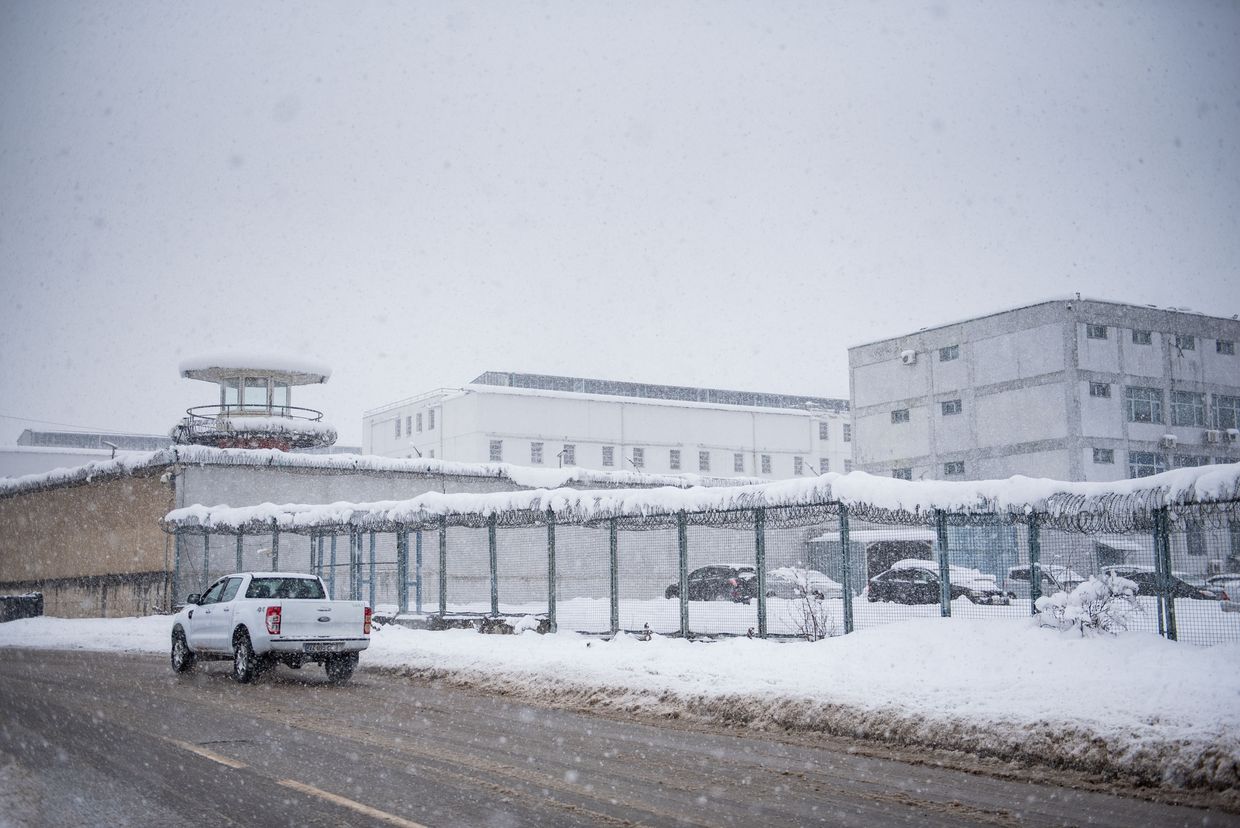
Criticism was dismissed within Georgian Dream, which defended Kavelashvili, elected in 2024 by an election board controlled by the ruling party. His legitimacy has been disputed by government critics.
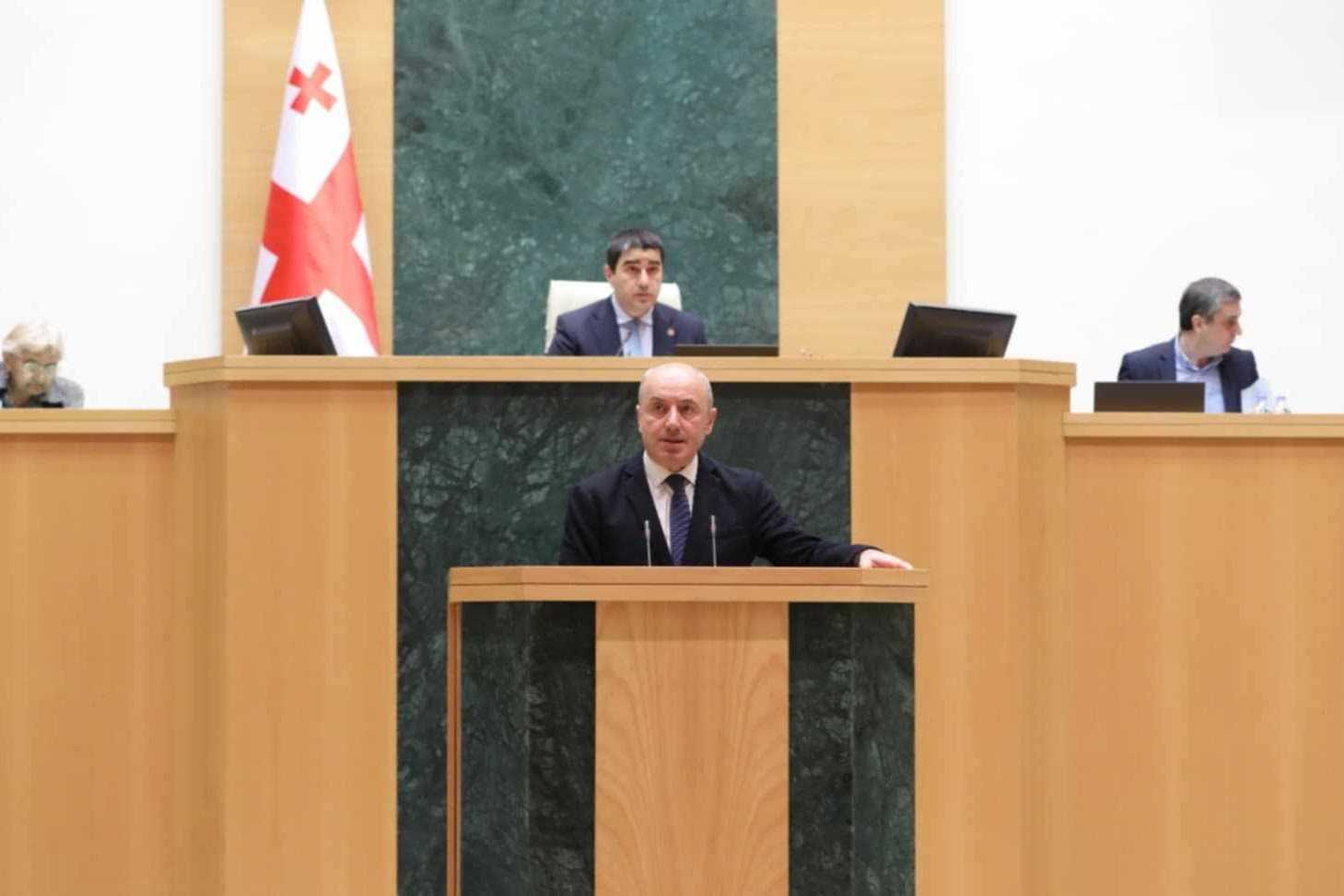
‘The president of Georgia has 24 hours to issue any decree within his exclusive authority’, said Tengiz Sharmanashvili, a Georgian Dream MP.
‘There may have been some technical details to clarify or additional documentation to gather, but the important thing is that the pardon decree was issued’, Sharmanashvili added.
Members of the ruling party and their allies have also accused critics of raising false expectations regarding the pardons, as well as emphasising that the detainees had not confessed and had shown ‘no remorse for their crimes’. They also stated that the protesters themselves had never requested a pardon.
‘This was a well-planned media campaign designed to evoke a sense of pity in people’, Georgian Dream MP Nino Tsilosani stated while talking about the pardon.
The President’s administration had not responded to OC Media’s request for comment on the criticism by the time of publication.
Under Georgian law, the president has the authority to pardon a prisoner either in response to a formal request or on their own initiative. Several protesters repeatedly stated that they did not intend to ask Kavelashvili for a pardon, emphasising the nature of their cases, which critics have widely condemned as politically motivated and fabricated.
‘I do not intend to admit to something I did not do. I will not request a pardon from an illegitimate president! The truth is on my side, and I will not give it up for anything’, said Skhvitaridze from the prison in December.
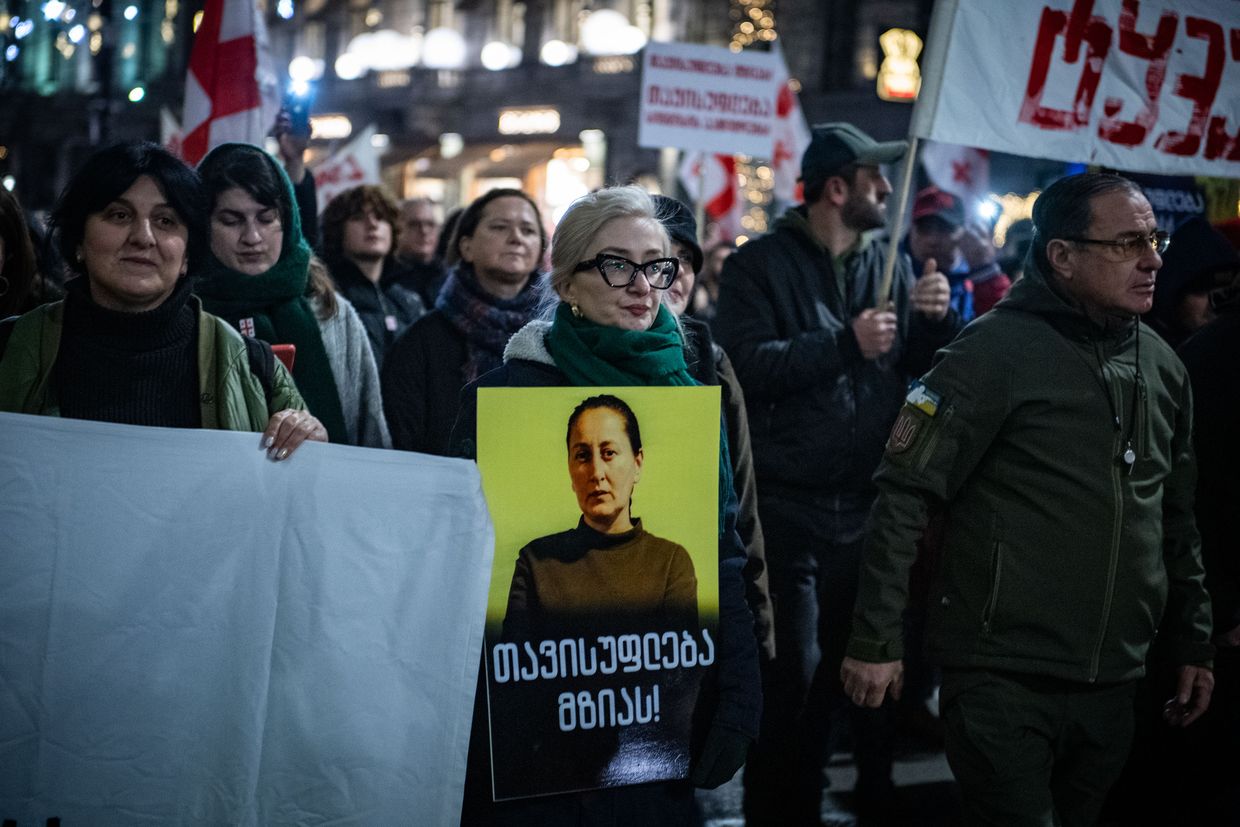
The release of jailed protesters is one of the main demands of the daily anti-government protests, which continue to this day in Tbilisi and several other cities. Calls for Amaghlobeli’s release are also frequent, with a march with this demand held in Tbilisi on 11 January, the anniversary of her arrest, attended by several thousand people.
Mikheil Gvadzabia