How Georgian civil society is turning to international law to survive repression
As domestic institutions fail, rights defenders increasingly rely on international legal mechanisms to continue their work.

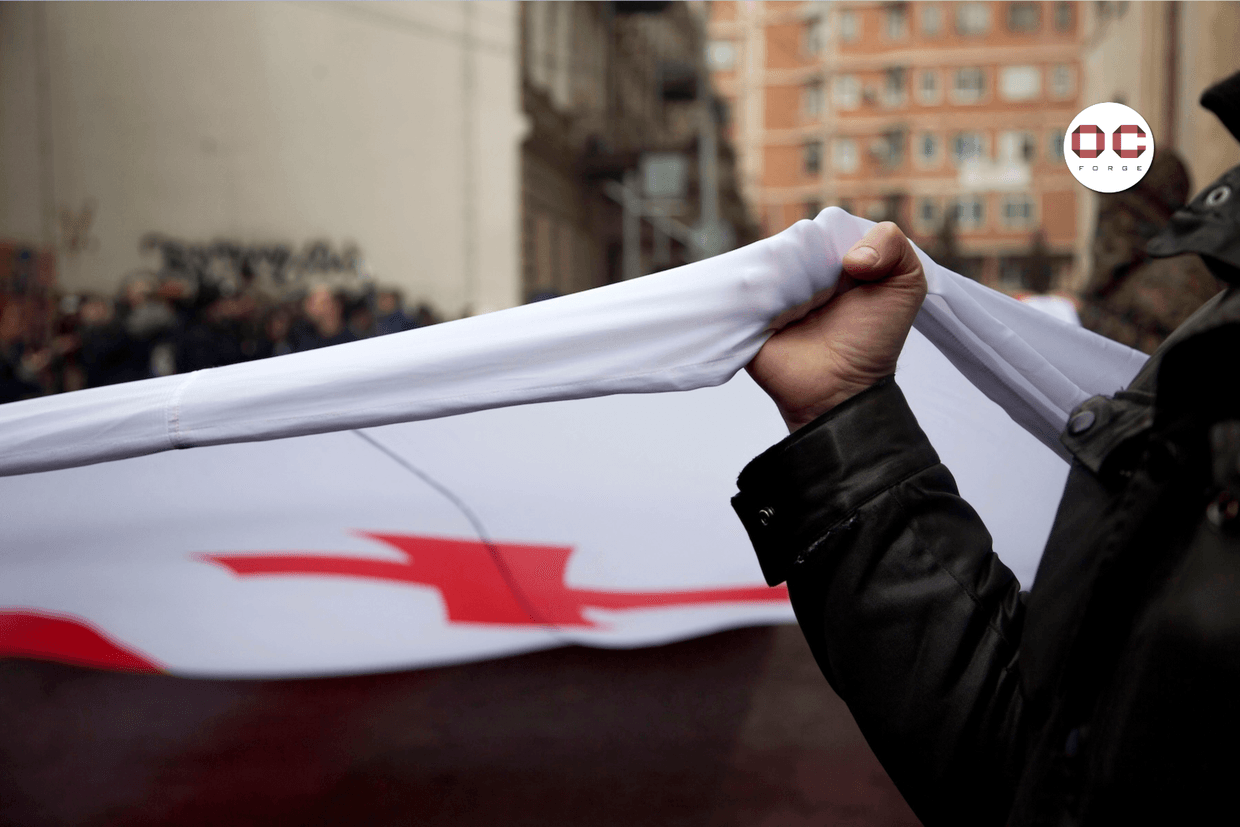
Over the past two years, Georgian Dream has introduced and enforced a package of laws that human rights groups describe as openly repressive: legislation requiring branding of human rights organisations as ‘foreign agents’, a grants law designed for the government to monitor and selectively block foreign funding, and enforcement mechanisms modelled on the US Foreign Agents Registration Act (FARA), but applied in a vastly different political context.
The legal environment has deteriorated even further as 2026 began. The Georgian government initiated a sweeping new package of legislation that further criminalises civil society activity. These latest amendments to the Law on Grants and the Criminal Code expand the definition of a ‘foreign grant’ to include virtually any support intended to influence state policy or ‘any segment of society’.
Violating grant regulations now carries a prison sentence of up to six years, while a new charge of ‘money laundering for the purpose of activism on political issues’ can result in up to 12 years in prison.
For many NGOs, the result has been paralysis at the national-level advocacy and engagement with institutions and a growing reliance on international legal and political mechanisms to sustain their work.
International human rights law as a survival tool
Against this backdrop, Georgian NGOs have increasingly turned to international mechanisms not as the means of last resort..
‘Non-governmental organisations are associations of individuals who work on specific issues’, said Tamar Dekanosidze, Equality Now’s Regional Representative for Europe and Central Asia. ‘A number of conventions and international standards impose an obligation on the state to facilitate the work of non-governmental organisations and engage with them in decision-making’.
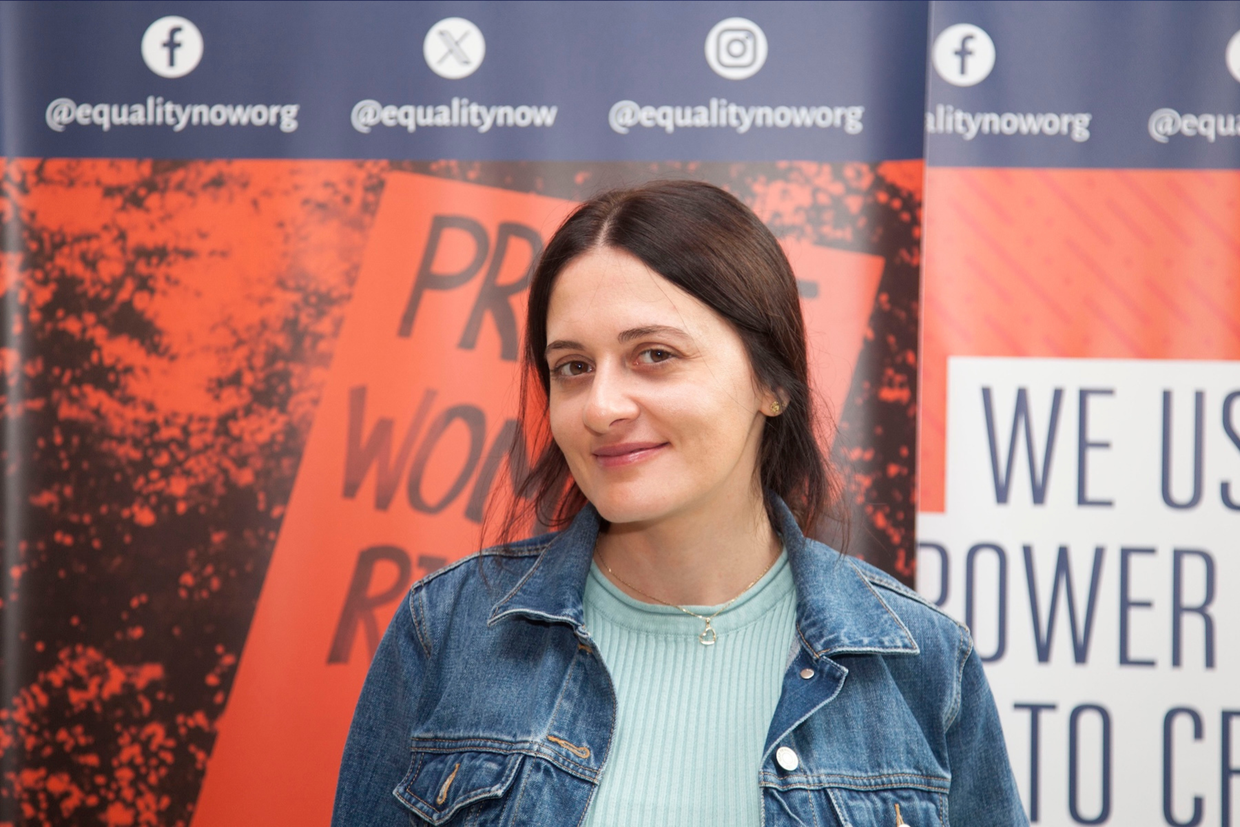
Equality Now works globally to end discrimination and violence against women and girls, supporting legal reform and strategic litigation. In Georgia and across the wider Eurasia region, it provides expertise on international human rights law and supports local partners to make sure that work on violence against women issues is sustained in increasingly hostile legal environments.
Equality Now’s impact is already visible in Georgia’s legal landscape. In February 2024, following sustained advocacy from the organization and its partners, Georgia amended its Criminal Procedure Code to remove discriminatory provisions that had previously prevented persons with disabilities from testifying as witnesses in their own cases. This landmark change ensures equal access to justice for the estimated 198,000 women and girls with disabilities in the country, who are often at higher risk of sexual violence.
At the regional level, the most significant of these mechanisms is the European Convention on Human Rights, to which Georgia is party to. This allows individuals and organisations to apply to the European Court of Human Rights (ECHR) once domestic remedies have been exhausted.
‘The judgments of the European Court are legally binding’, Dekanosidze said. ‘There are ongoing cases before the court that concern repressive legislation adopted in recent years’.
Despite its reputation as distant and complex, applying to the ECHR is more accessible than many assume.
‘The application form is available in all Council of Europe languages, including Georgian. A lawyer is not required at the initial stage', Dekanosidze explained. What is required is, among others, the proof that all domestic remedies have been exhausted, a growing challenge in Georgia, where NGOs say courts increasingly fail to fairly examine politically sensitive cases. Applications must also be submitted within four months of the final domestic decision.
Once a case is declared admissible, legal representation becomes mandatory, and proceedings continue in English or French.
Strategic litigation beyond Georgia
Georgian Young Lawyers’ Association (GYLA) has been at the forefront of this effort. One of the country’s most prominent legal watchdogs, GYLA provides strategic litigation, constitutional complaints, and representation before international courts.
‘Around 120 organisations applied to the court for the first time during the adoption of the so-called ‘Russian law’ in October 2024’, said Nona Kurdovanidze, former Chairperson of GYLA. ‘We sought a determination of the specific harm that the entry into force of this law would cause to organisations. That case is now at its final stage, with most procedural steps completed.
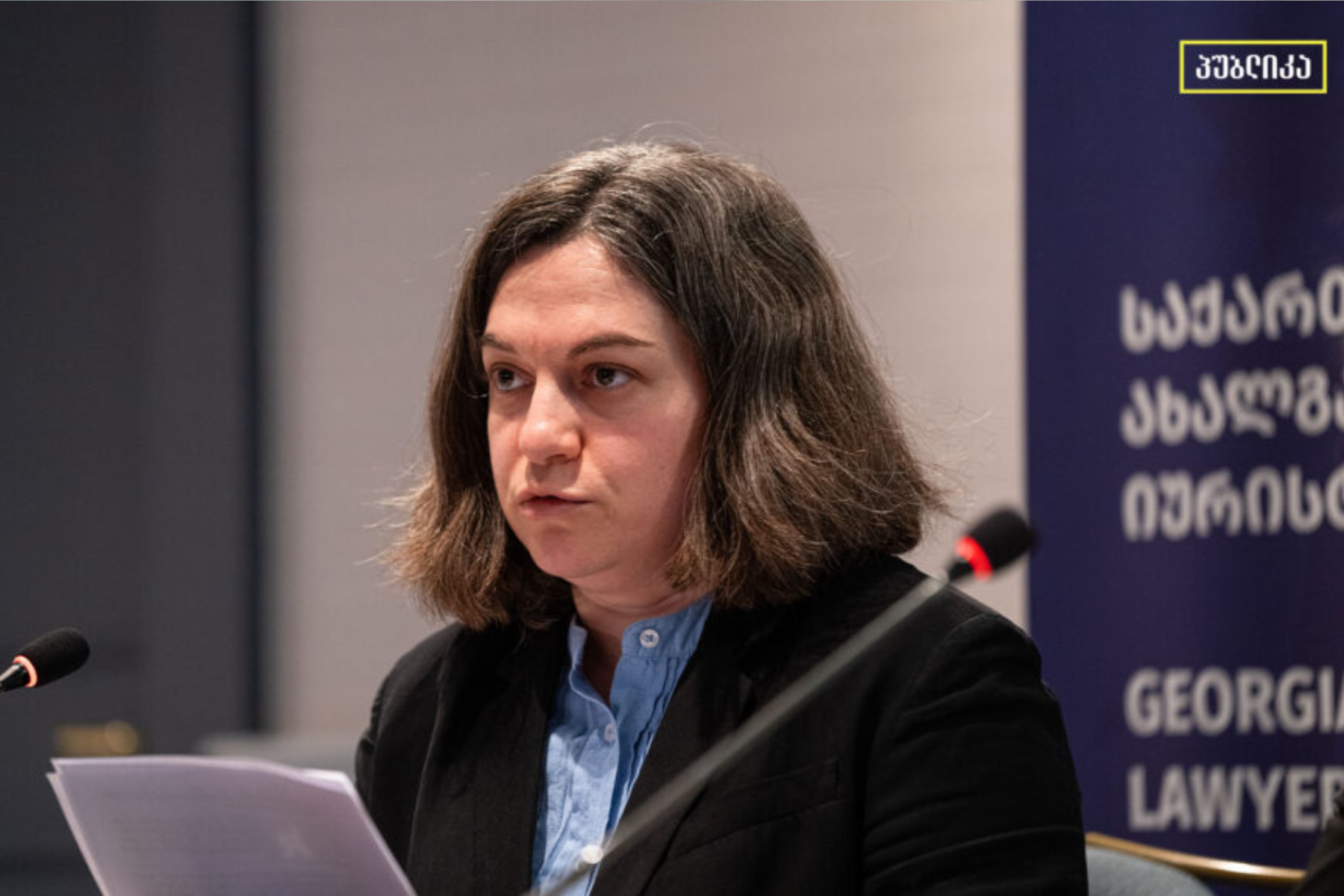
‘There is a strong expectation that violations will be found’, Kurdovanidze said, pointing to the Court’s prior rulings on similar legislation in Russia.
When domestic courts ‘stop working’
Local human rights organisations point to the same structural problem: the near-total breakdown of effective domestic remedies.
‘If the Constitutional Court were functioning properly in Georgia, international mechanisms would not be necessary at all’, Kurdovanidze said. ‘Relying on it at present is unrealistic'.
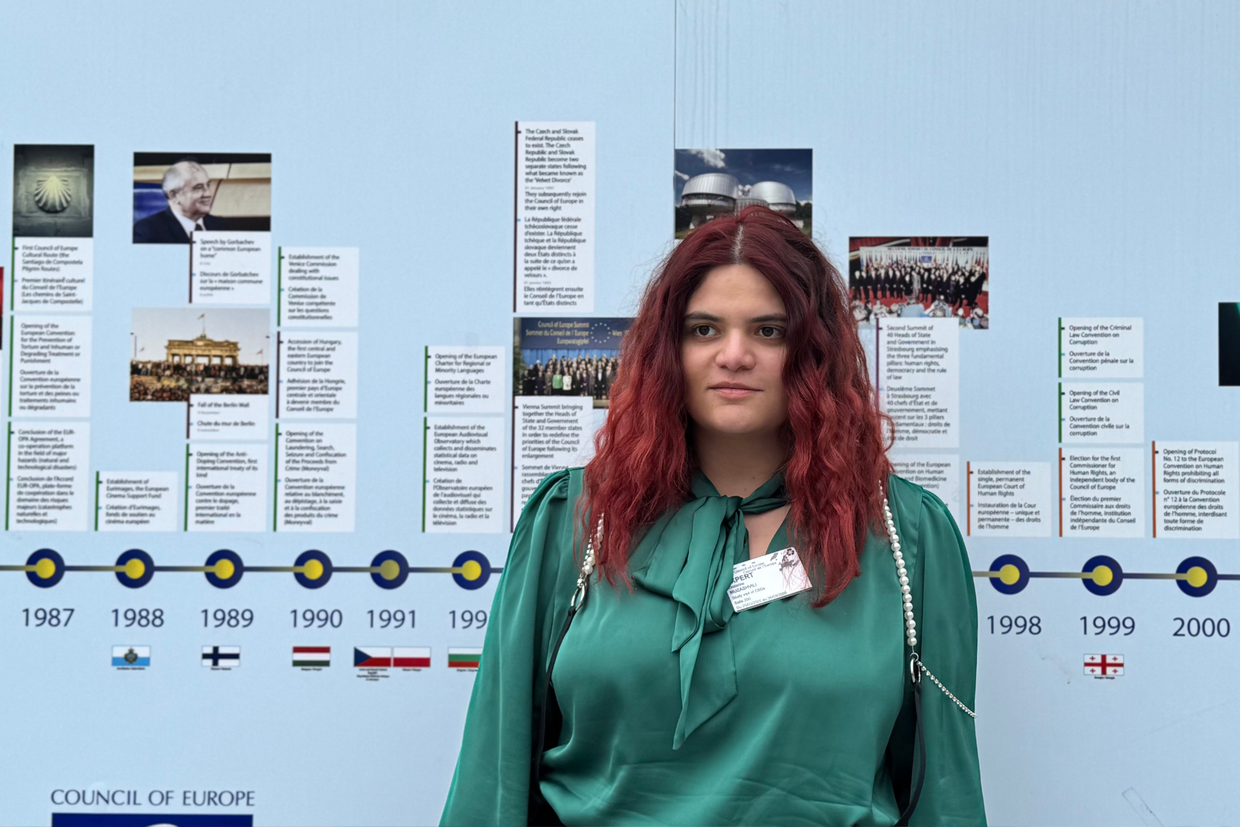
Sapari’s Deputy Executive Director, Eka Muzashvili, echoed this assessment. She noted that her organisation has been an applicant in nearly every constitutional challenge to restrictive legislation, without any substantive examination. Sapari focuses on protecting women and children from domestic violence, sexual abuse, and torture. Its work often involves highly sensitive personal data and direct support for victims.
‘Over the past two years, there has effectively been no instance in which The Constitutional Court has substantively examined a case’, Muzashvili said. In response, Sapari made a strategic decision to prioritise United Nations treaty bodies, which offer specialised expertise and greater sensitivity to certain categories of cases.
‘We decided to apply to UN committees because they are far more specialised’, Muzashvili explained. ‘Each committee focuses on a specific issue and is composed of experts in that field’.
Sapari, in collaboration with partners, submitted complaints to the Committee on the Rights of the Child and the Committee on the Elimination of Discrimination against Women (CEDAW), challenging demands for personal data relating to children, victims of torture, and staff members.
In one case, a child argued that her personal data should not be transferred to the Anti-Corruption Bureau, an authority with no connection to their case. The Committee issued Interim Measures and decided in favor of the child - a decision producing tangible results.
‘After this, organisations that later received letters under the Foreign Agents Registration Act no longer face this obstacle’, Muzashvili said. ‘The [Anti-Corruption] Bureau stopped requesting personal information’.
Managing expectations and staying alive
Still, international justice is not fast, and NGOs warn against unrealistic expectations.
‘A common mistake is believing that everything will be resolved very quickly’, Muzashvili said. “A repressive regime does not end in one or two days’. This mismatch between urgency and reality has already forced some organisations to shut down.
Yet all three experts stressed that withdrawal or compliance is not a viable survival strategy.
‘The greatest mistake an organisation can make is to expect that it will survive by submitting to these laws’, Kurdovanidze said. ‘The purpose of this legislation is the complete dismantling of civil society’.
Instead, coordination, shared expertise, and collective legal action remain the sector’s strongest tools.
‘What we are doing is essential’, Muzashvili said. ‘Even under these conditions, this work must continue’.
For Georgia’s civil society, international law has become more than an abstract framework. It is a lifeline — imperfect and slow, but still capable of drawing boundaries where domestic institutions no longer will. This is precisely why strategic partnerships between local civil society and international organisations like Equality Now are so vital. These collaborations transform local grievances into international mandates, ensuring that the voices of Georgian advocates reach the highest legal arenas.
_____________________________________
Paid for by: Equality Now