Hundreds of Azerbaijani prisoners released as part of amnesty, opposition figures and journalists excluded

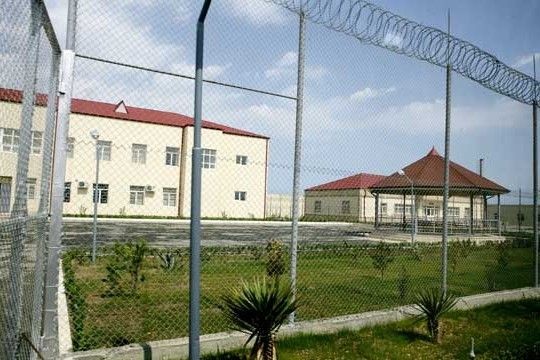
Azerbaijan’s latest mass amnesty act has secured the release of hundreds of prisoners thus far. However, the act will not apply to opposition figures or imprisoned journalists.
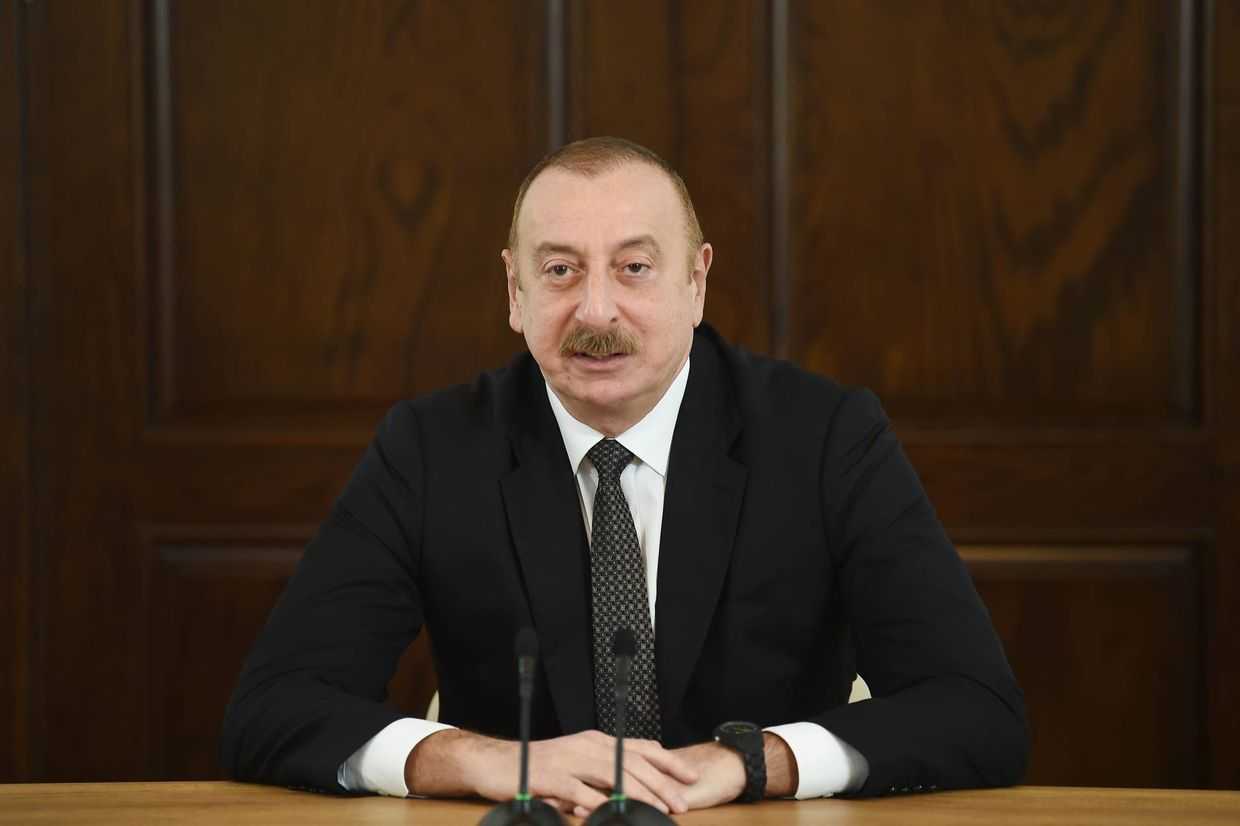
The bill was signed by President Ilham Aliyev on 15 December, covering 10,000 prisoners.
On Monday, 22 women prisoners along with their children who were with them in detention were released, with the figure expected to reach 300 by the end of the day. The amnesty will be implemented across four months.
According to pro-government media, some of those released as part of the act were serving time for murder or wrongful death.
Others included state officials, such as Shahin Isgandarov, a former inspector at the Risk Assessment and Management Department of the Main Customs Administration for Excisable Goods of the State Customs Committee (SCC).
According to the pro-government outlet APA, Isgandarov was detained in 2023 ‘as a result of an operation conducted by the Main Anti-Corruption Department’ under the Prosecutor General's Office in the SCC’s Excisable Goods Department.
He was charged with bribery and other related charges and sentenced to five years in prison. The Supreme Court later reduced his sentence from five to three years.
The amnesty also was applied to Gultakin Sadigova, former deputy chair of the Neftchala Executive Committee for Socio-Political and Humanitarian Affairs. Sadigova was released from prison, having been serving time since October 2021 on corruption charges.
The amnesty did not apply to imprisoned activists, opposition figures, and almost 30 imprisoned journalists.
Human rights lawyer Yalchin Imanov told OC Media that from a legal perspective, he did not see an issue with the amnesty not covering them, saying that it mostly pertained to people convicted of crimes committed through negligence. However, he did point out how the amnesty saw to the release of people convicted of wrongful death.
‘Therefore, this latest amnesty act also applies to individuals who, with the exception of serious and especially serious crimes, do not pose a significant danger to society, but were convicted and held accountable for committing less serious and negligent crimes’.
‘However, the moral aspect of the issue may be questioned: how is it that a person who caused the death of four people, even through negligence, is released under the amnesty act, but, let’s say, this does not apply to journalists who pose no danger to society or who are simply portrayed as smugglers of grant funds, and whose smuggling has not been proven?’, Imanov continued.
Imanov stated that in February 1994, Azerbaijan passed a law preventing perpetrators of the 1990 Soviet crackdown, those convicted of war crimes in Khojaly, and Armenian prisoners of war from benefiting from amnesties.
 Yousef Bardouka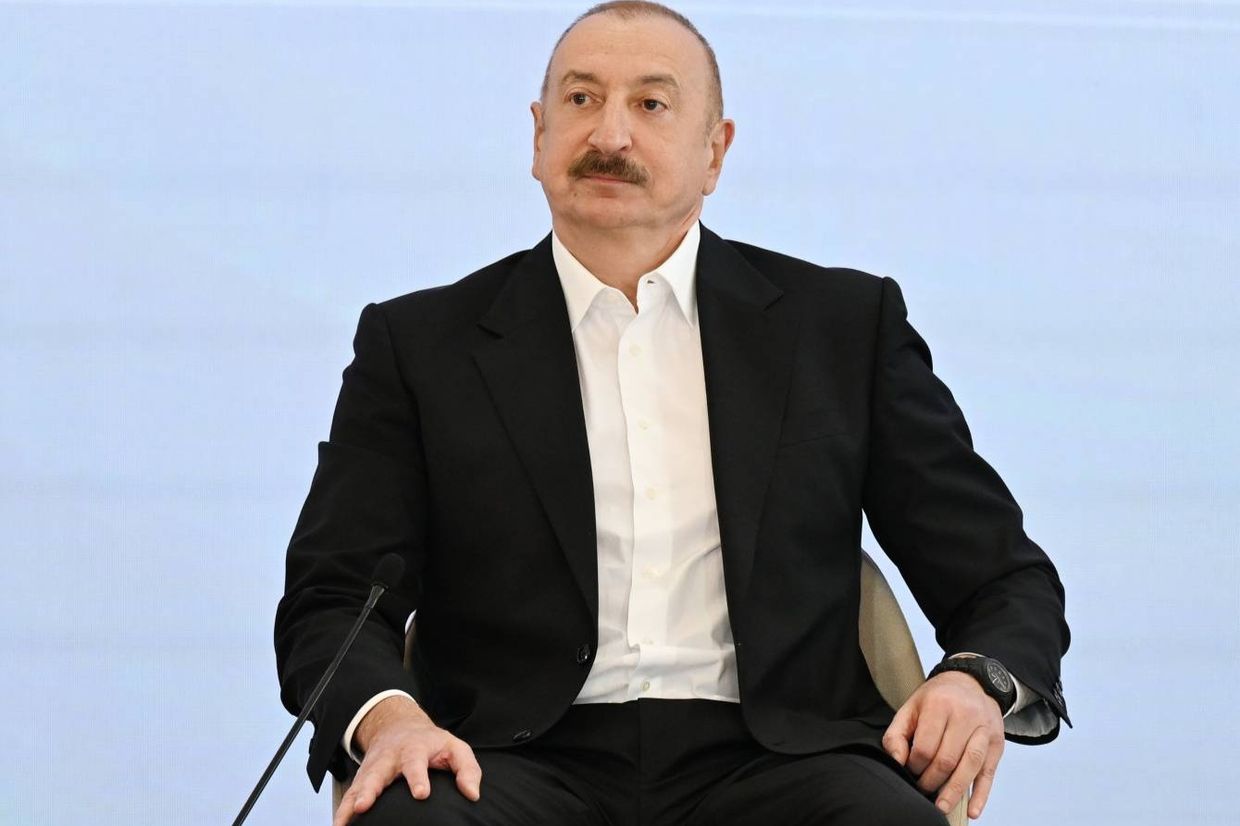
This article was translated into Armenian and republished by our partner CivilNet.