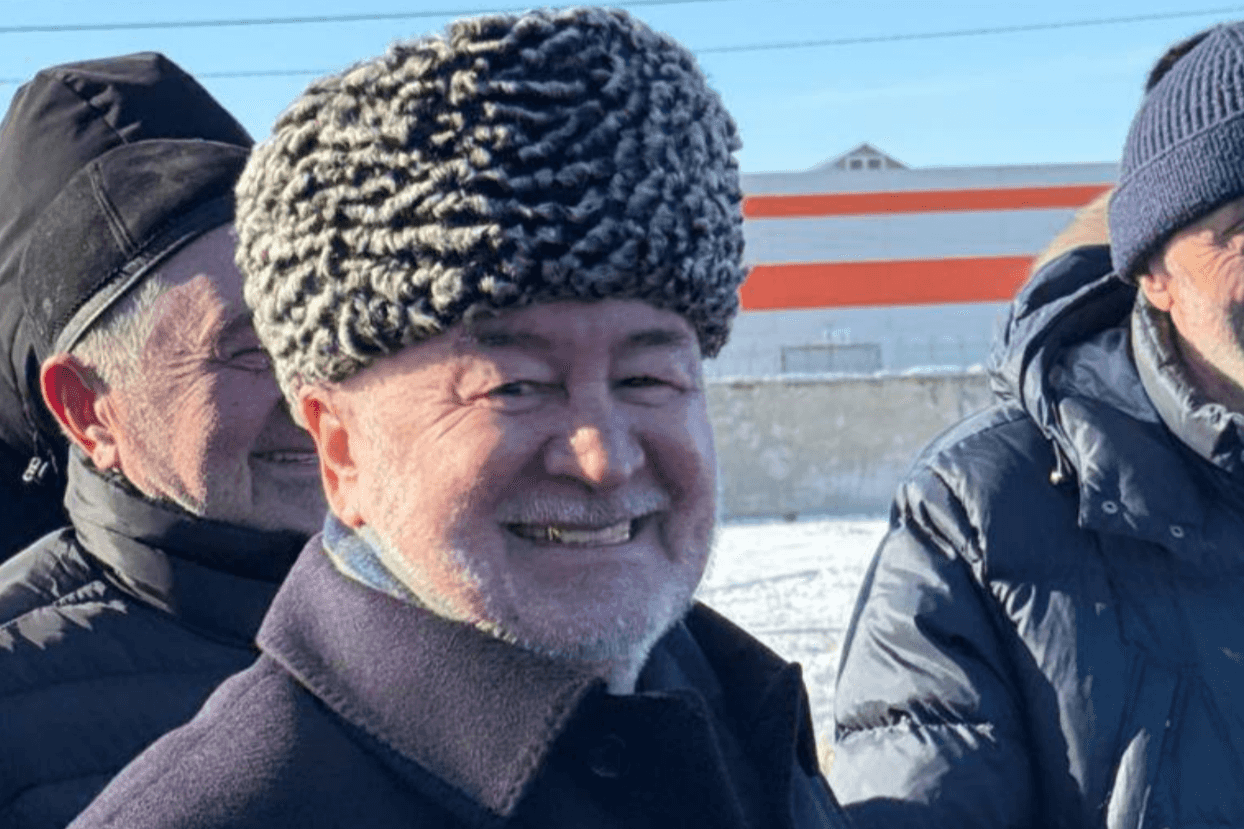
Ingush Head Makhmud-Ali Kalimatov has claimed that over the course of 2025, his Reconciliation Commission helped to settle 40 conflicts, including six cases of declared blood feuds.
Kalimatov stressed that this form of conflict resolution ‘has proven its effectiveness’. He noted that in situations where there had previously been a risk of violence, the parties were increasingly agreeing to resolve disputes peacefully. He added that participants in conflicts were managing to ‘find the strength to forgive’ and to restore relations within families and communities.
Kalimatov also said that the authorities intended to continue and develop the work of reconciliation commissions at the local level so that ‘every disagreement is resolved peacefully, according to conscience and the law’.
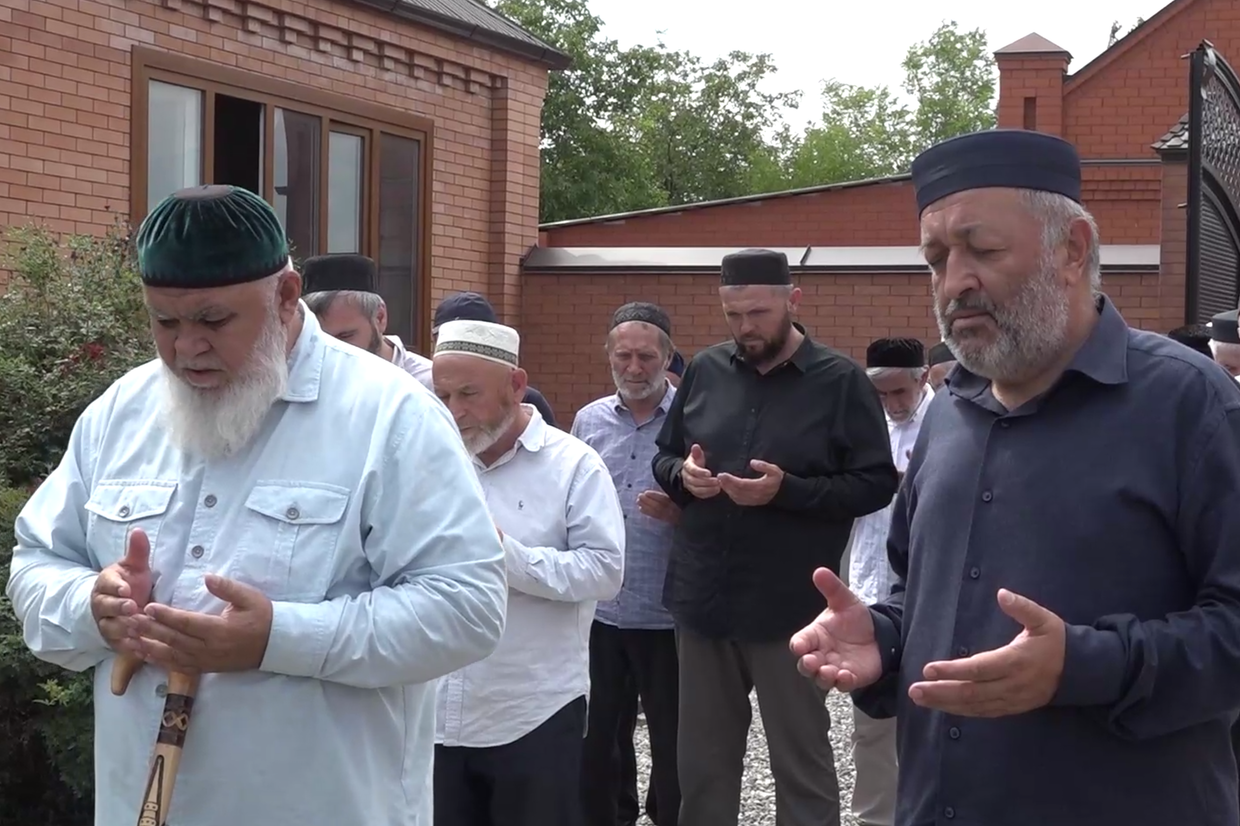
The Reconciliation Commission includes religious figures, elders, and public representatives. Kalimatov has claimed the results achieved were possible thanks to the constant and systematic work of people who ‘are engaged in reconciling people on a daily basis’.
The practice of reconciliation commissions dealing with blood conflicts has existed in a number of regions of the North Caucasus for many years. In Ingushetia and Chechnya, such bodies operate with the support of regional authorities and muftiates and, as a rule, rely on a combination of religious norms, local traditions, and official legislation. Their activities are aimed at preventing the escalation of conflicts which in the past often led to prolonged cycles of violence between families and clans.
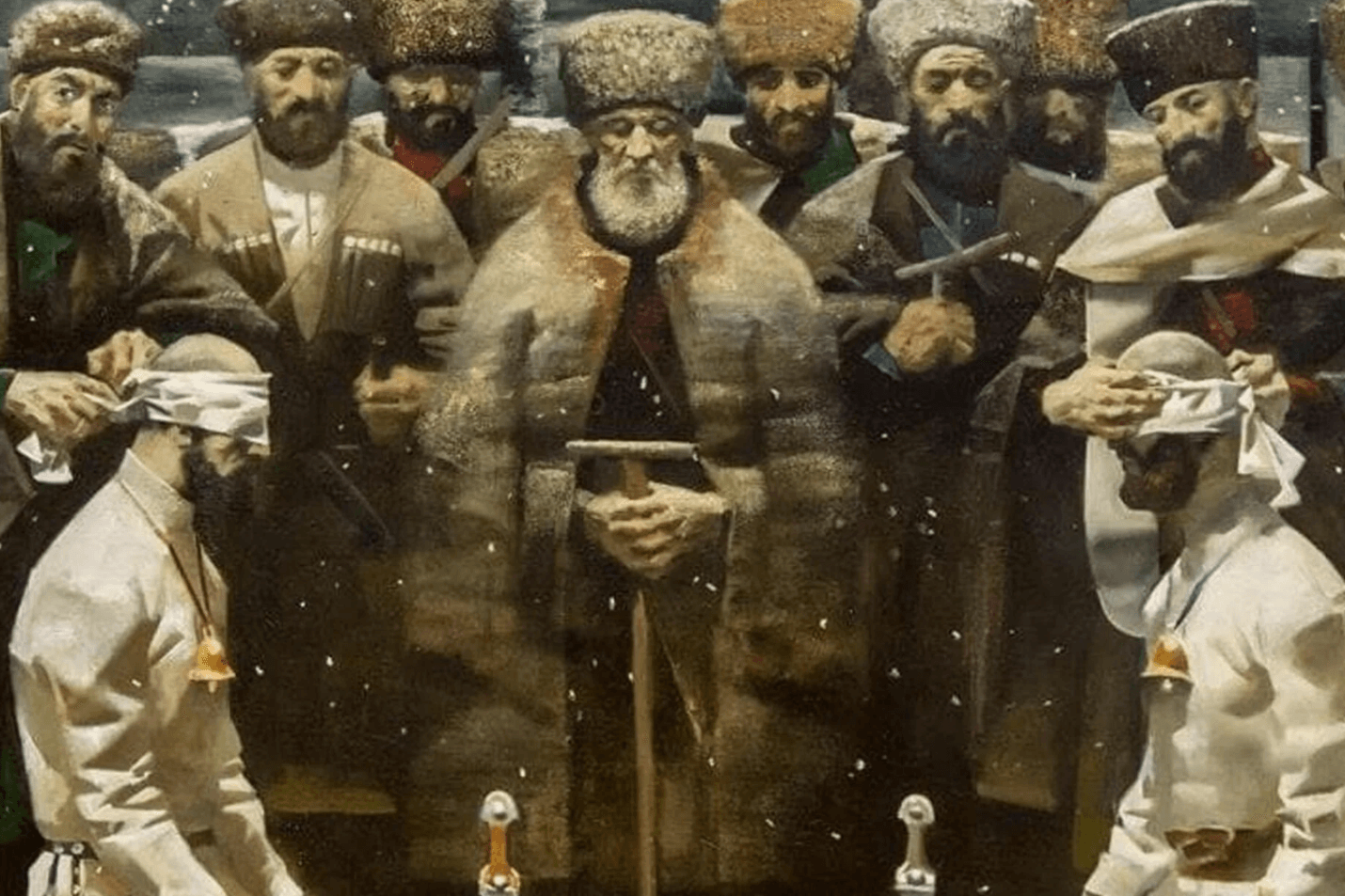
Blood feuds were a historically widespread practice among the peoples of the North Caucasus. It implied an obligation on the relatives of a killed person to take revenge for the death of a family member, which often led to conflicts lasting many years and sometimes spanning several generations. In such cases, the target of revenge was not limited to a person who killed another, but also other men from his clan or family. Despite Russia prohibiting blood feuds, cases have continued to be recorded, especially in rural areas.
In Chechnya, after the end of the Second Chechen War, the republican authorities paid particular attention to public ceremonies of reconciliation between feuding families. Such events, as a rule, took place with the participation of Chechen Head Ramzan Kadyrov, representatives of the muftiate, and clan elders. The parties to the conflict publicly declared their refusal to seek revenge, apologised and, in a number of cases, paid compensation to the family of the deceased.
According to human rights defenders, reconciliation procedures in the North Caucasus can often be combined with pressure on the parties to a conflict.
The first official reconciliation commissions connected with blood feuds appeared in the North Caucasus in the 1920s. The commissions operated under district or regional executive committees and included representatives of party bodies. The most respected and influential local residents were involved in their work.
To persuade feuding parties of the need for reconciliation, both administrative resources and the criminal code of the Soviet Union were used. From 1960, it included an article on ‘evasion of reconciliation’. For those seeking revenge at any cost, punishment of up to two years’ imprisonment was provided.
The ‘price of blood’ is the monetary expression of compensation that a family may receive as redress. In Ingushetia, for example, this amount is ₽1 million ($13,000). Such a decision was taken at a conference of Muslims at the suggestion of Abdurakhman Martazanov, who at that time was the qadi (chief sharia judge) of the republic.
Referring to the Quran, Martazanov recalled that compensation for a person should be equal to the value of 100 camels. Calculations followed, after which the muftiate determined the amount at ₽1 million. This decision was approved by a vote.
The muftiate in Ingushetia is currently officially closed, so the recommended ‘blood price’ has not been revised since 2010.
In 2011, Kadyrov announced the complete cessation of the practice of blood feuds in Chechnya and the dissolution of special reconciliation commissions.
At the same time, cases of blood feud continue to be recorded regularly in Ingushetia. In April 2025, a 71-year-old man who had returned from Russia’s full-scale war in Ukraine was killed. Years earlier, in 2019, he had accidentally killed a relative who was showing off a combat revolver.
In 2020, a 58-year-old resident of Ingushetia, Murat Nalgiev, was shot dead with an automatic weapon. The reason was a quarrel dating back 30 years, when he had brushed against the car of Dzhabrail Mutsolgov and a conflict broke out between the men leaving Nalgiev badly beaten. Some time later, Mutsolgov was killed. No one was punished for his death.
At the beginning of 2011, according to anthropologist Makki Albogachieva, 73 families in Ingushetia were in a state of blood feud.
 Elizaveta Chukharova