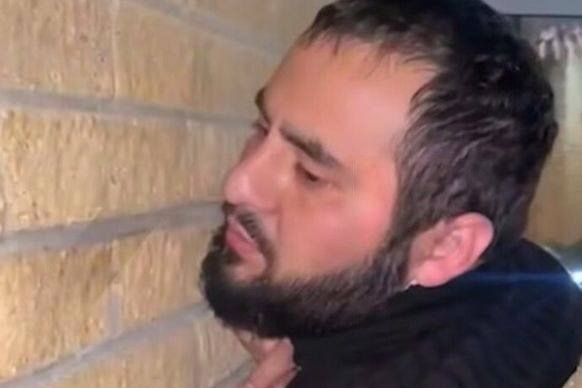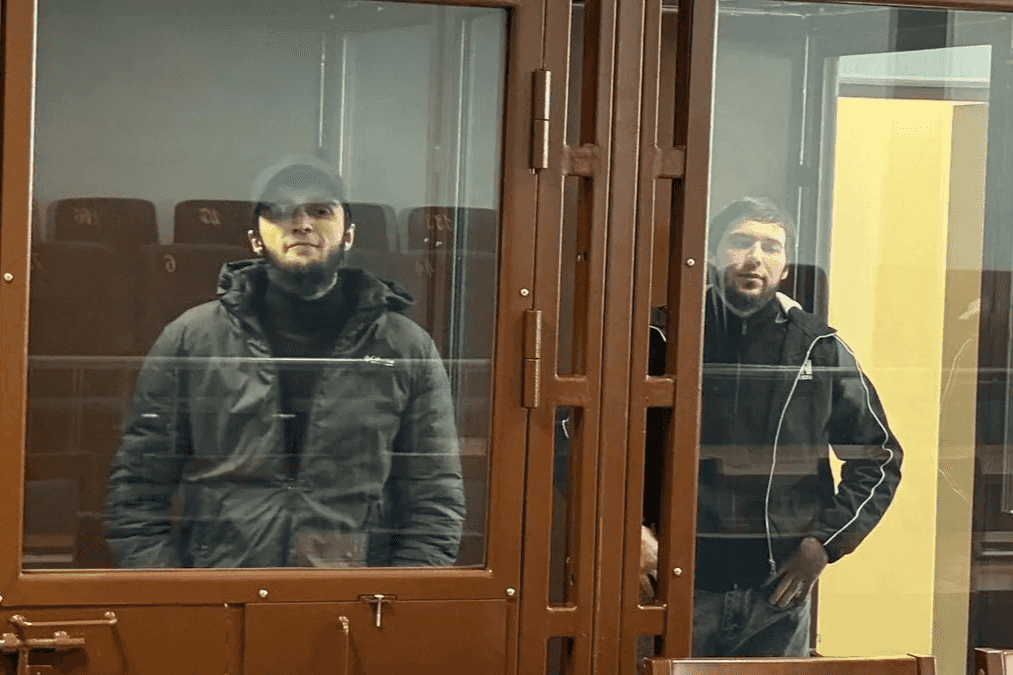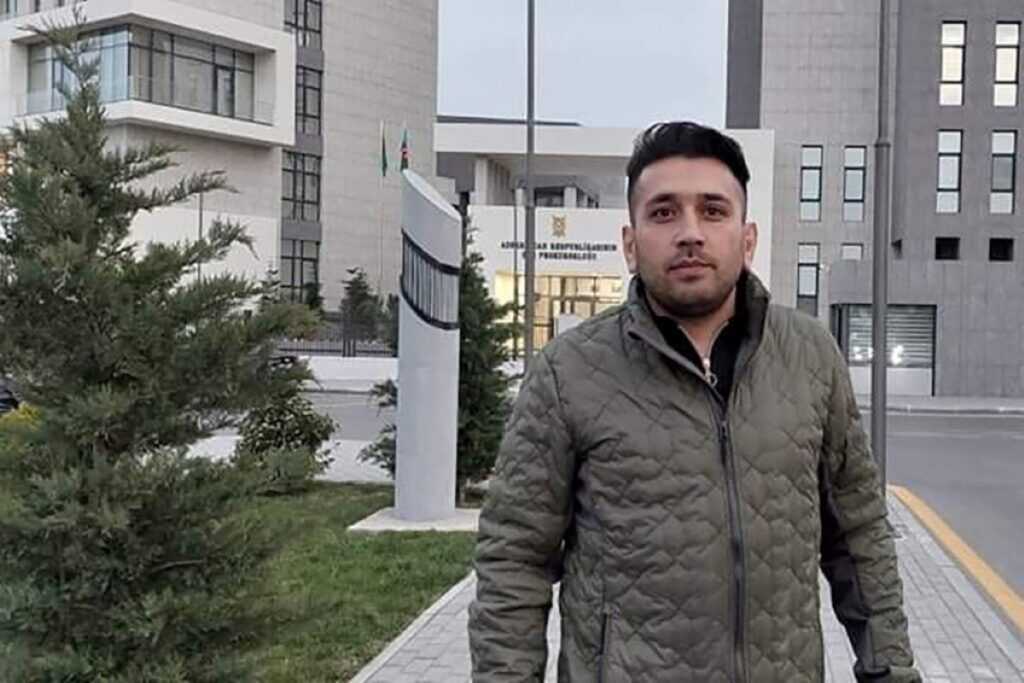

Ingushetia-born Dzhabrail Aushev, a suspect in the 2024 Crocus City Hall terrorist attack in the outskirts of Moscow, has attempted suicide while in pre-trial detention, according to media reports.
Aushev reportedly attempted suicide in November, according Russian state media outlets Izvestia and TASS, citing sources and participants in court hearings.
The information was also confirmed by Lyudmila Aivar, a lawyer representing 125 victims affected by the attack.
While confirming that Aushev had attempted suicide, Aivar declined to discuss the circumstances behind the attempt, citing legal ethics. At the same time, she added that after the incident, Aushev was provided with medical assistance by the detention centre.
According to the law enforcement-linked Telegram channel Mash, Aushev had been in a state of depression for a prolonged period following his detention in a solitary-type cell for approximately three months.
Aushev has been added by the Federal Service for Financial Monitoring (Rosfinmonitoring) to the list of terrorists and extremists.
According to the investigation, Aushev is accused of selling firearms to the direct perpetrators of the attack. He is the only defendant in this case who submitted a confession and admitted guilt in the actions attributed to him.
In July 2025, Aushev asked the court to terminate the criminal proceedings against him, but the court denied the request.
In total, four natives of Ingushetia are defendants in the Crocus City Hall terror attack case. In addition to Aushev, they include Khusein Medov, as well as Khavazh-Bagautdin Aliev and Batyr Kulaev, who have been placed on a wanted list. One of them, according to the security services, was killed during a special operation, though his identity has not been publicly revealed.
The investigation believes that all four may have been involved in supplying the weapons used in the attack.
Authorities have also accused natives of Daghestan of involvement in providing weapons to the fighters.
According to one version, the Batalkhadzhintsy may have appeared in the Crocus case due to the initiative of regional security services. The Batalkhadzhintsy are a religious group in Ingushetia whose members consider themselves followers of the Sufi Sheikh Batal-Khadzhi Belkhoroev, who lived at the turn of the 19th century. It is one of the most influential and closed communities in Ingushetia, with up to 20,000 members.
The persecution of the Batalkhadzhintsy began soon after the 2019 Moscow killing of Ibragim Eldzharkiev, the head of the Ingush Centre for Combating Extremism. The crime is linked to a blood feud for Ibragim Belkhoroev, the leader of the brotherhood and great-grandson of Sheikh Batal-Khadzhi, who had been killed by the security services.
In 2023, Russia’s Federal Security Service (FSB) added the ‘armed wing of the followers of Batal-Khadzhi’ to the list of terrorist organisations.
Representatives of the defendants previously stated that their clients deny involvement in preparing and carrying out the terror attack itself, while acknowledging their involvement in illegal arms trafficking. According to the defence, the defendants did not know where and for what purpose the weapons would be used.
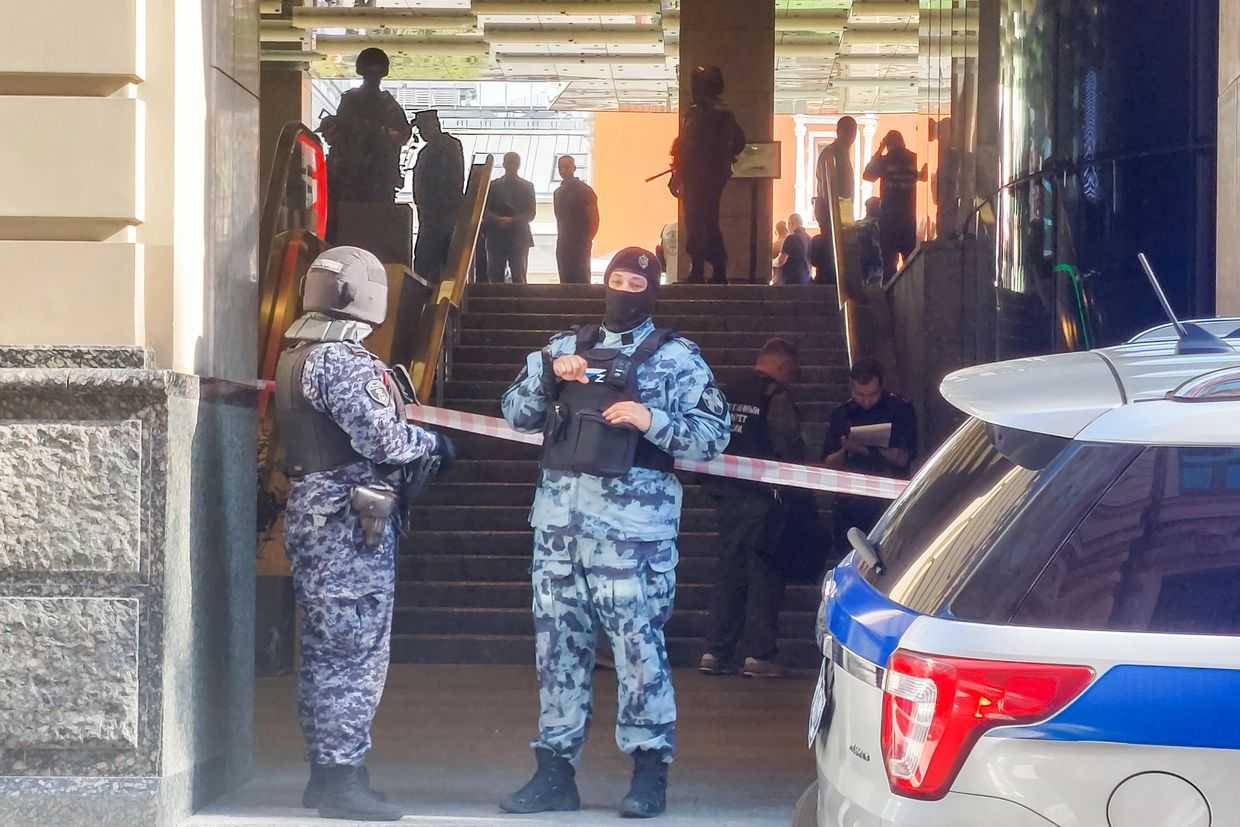
The terror attack at Crocus City Hall occurred on 22 March 2024 before a concert by the rock band Piknik. Armed individuals wearing camouflage opened fire on people and set the building on fire. According to official data, 149 people were killed, including six children. One person is listed as missing, and 609 people sustained injuries. The total damage caused by the attack amounts to approximately ₽6 billion ($75 million).
Responsibility was claimed by Wilayat Khorasan, the Afghan branch of the Islamic State. The Russian authorities have stated that Ukraine may have been involved in the attack, though Kyiv has categorically denied this.
 Elizaveta Chukharova