Kobakhidze hints Georgia may reconsider its participation in a treaty against gender-based violence

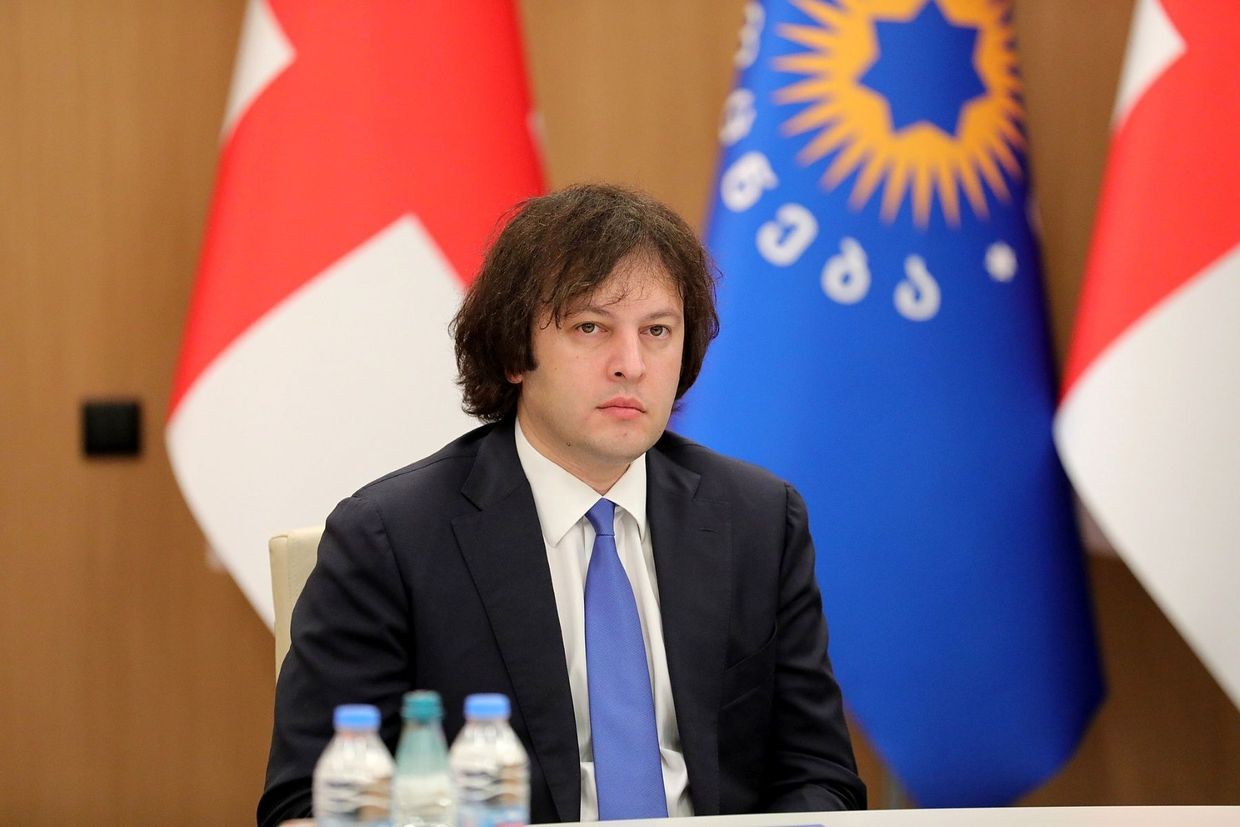
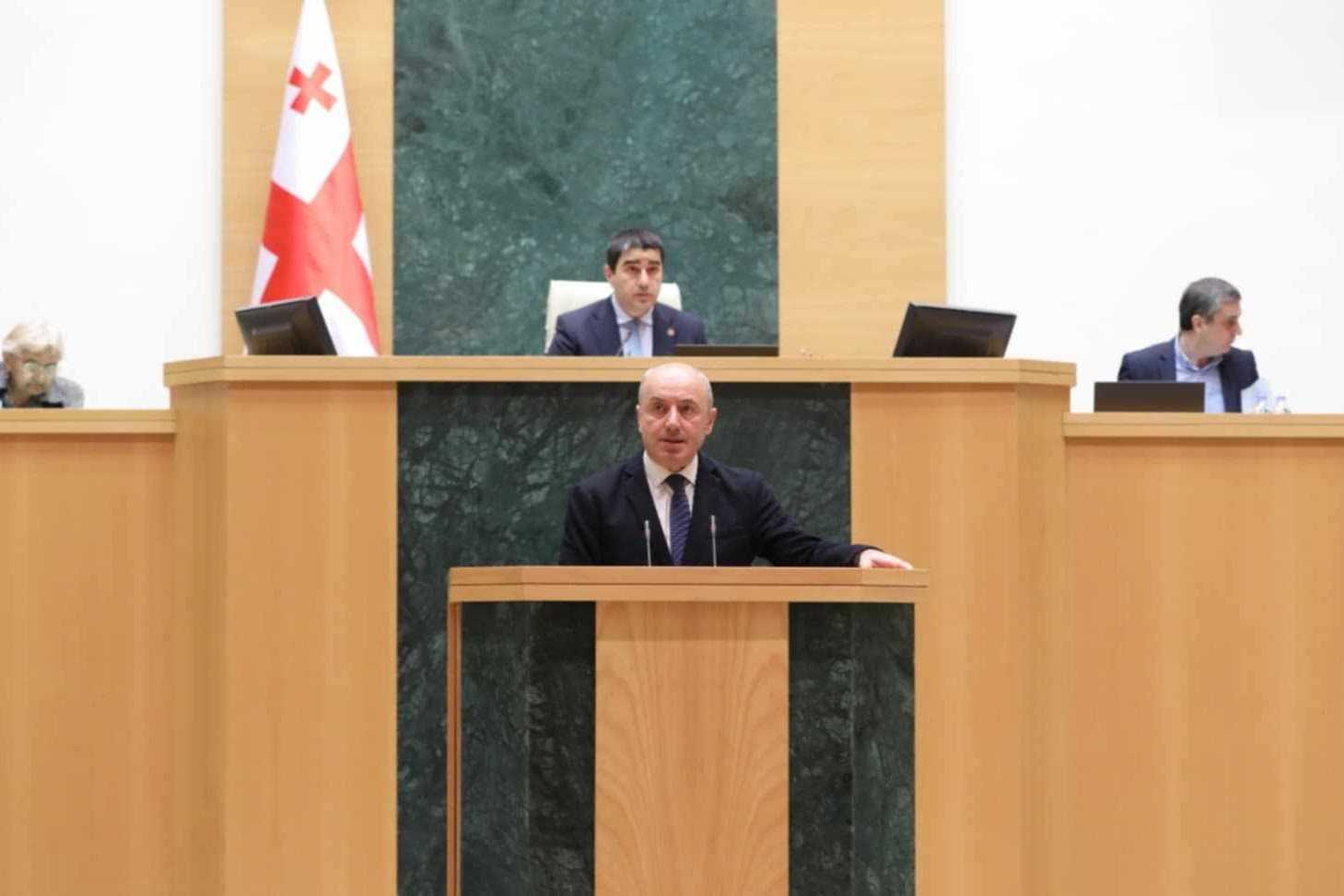
Responding to criticism of the Istanbul Convention against gender-based violence by a far-right personality, Georgia’s Prime Minister Irakli Kobakhidze did not rule out that the government might ‘work’ on the issue. His remarks have raised questions about the possibility of the government withdrawing from the convention.
The issue was raised on the pro-government TV Imedi by Zurab Makharadze, leader of the far-right, pro-Russian Conservatives for Georgia party. Characterising the convention as a document that opposes the ‘traditional roles’ of men and women and is ‘inspired by extreme feminism’, Makharadze asked Kobakhidze why Georgia remains a member to this day.
In response, Kobakhidze said that ‘if there are questions regarding the Istanbul Convention or related legislation based on it, we are ready to work on this issue’.
‘You know the amount of pressure we [have] had to endure over the past years. There was tremendous pressure to introduce a depraved ideology in Georgia’, he added.
The ruling Georgian Dream party has repeatedly claimed it was under constraint to promote ‘pseudo-liberal’ ideologies as orchestrated by external powers. The rhetoric has grown amidst Georgia’s strained relations with Western partners and the government’s tightening stance on critics. The party has portrayed the restrictive legislations it passed over the past two years — including the anti-queer law and the removal of the word ‘gender’ from legislation — as measures to resist the ‘pressure’ and protect family values.
‘[Until such legislation was prepared] it was impossible to withstand the pressure. Once we saw that it was possible to confront this ideology, we immediately took measures, and work can continue in other areas as well’, Kobakhidze continued while responding to Makharadze’s question.
The Istanbul Convention is a Council of Europe treaty that aims to protect women from all forms of violence, including domestic violence; prevent and prosecute such violent acts; and provide support to victims. It seeks to eliminate discrimination, promote gender equality, and encourage cooperation among relevant organisations and law enforcement authorities to cooperate in the related matters.
The document also calls for non-discrimination in the implementation of its provisions on any grounds, including sex, gender, race, religion, political views, national or social origin, sexual orientation, gender identity, or other status.
So far, more than 40 countries have signed the convention, and 39 countries have ratified it. Georgia signed the document in 2014 under the Georgian Dream government, and in 2017, parliament approved its ratification along with related legislative amendments to 24 different laws.
In recent years, the convention has become a target for far-right and ultra-conservative groups in Europe, with claims that the document is incompatible with family values. Against this backdrop, Turkey withdrew from the convention in 2021, becoming the only signatory to do so.
‘When police step in between a husband and wife, of course such families fall apart’, Makharadze stated on Imedi. The leader of the far-right group, who has been directly involved in several violent gatherings in recent years, said that while police should act in cases of violence, he condemned what he described as police intervention ‘even during verbal disputes’.
According to Georgia’s Public Defender, citing the Prosecutor General’s Office, 12 women were killed in Georgia in 2025, with an additional 21 attempted murders recorded.
 Salome Dolidze
‘Not just an international convention’
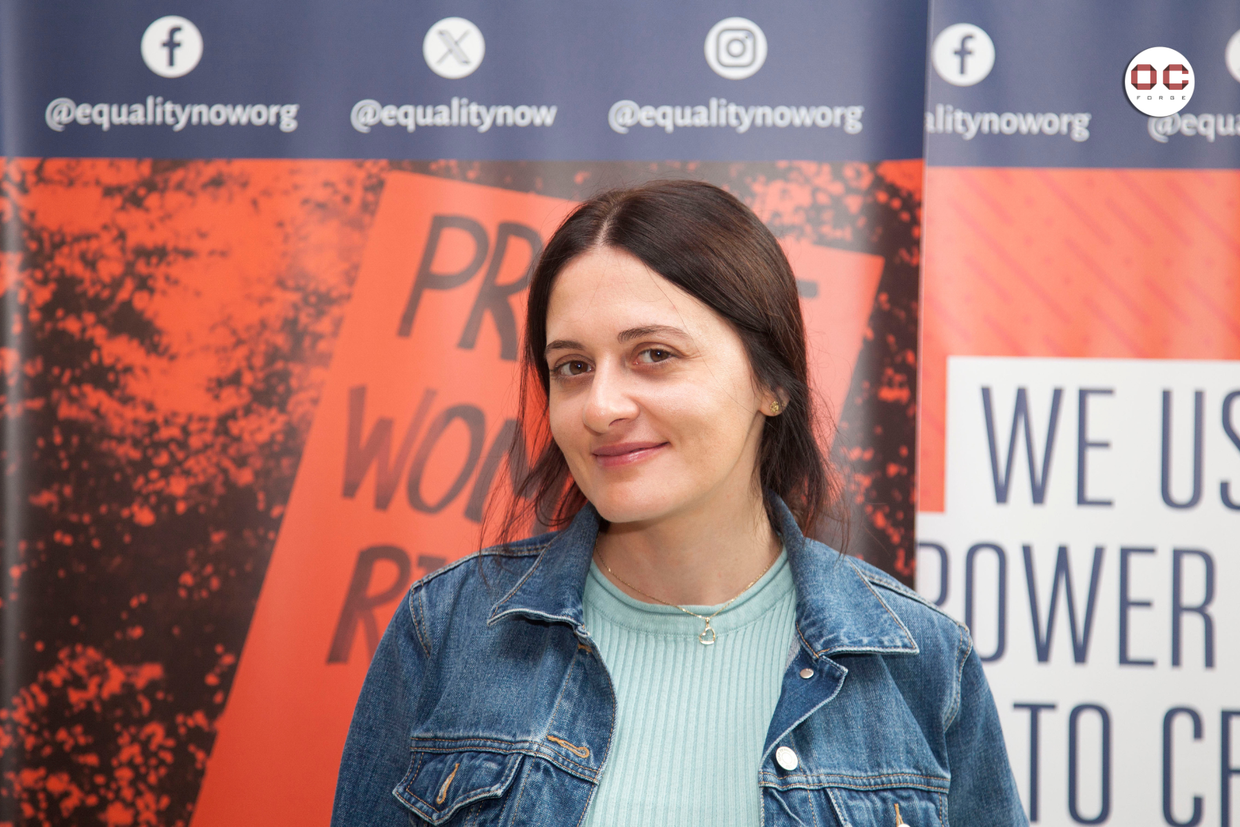
Baia Pataraia, head of the prominent Georgian women’s rights organisation Sapari, described the Istanbul Convention as ‘the most modern’ treaty protecting women from violence both within and outside the family.
While noting Georgia’s shortcomings in implementing the document, Pataraia stressed that after joining the convention, ‘our legislation protecting women and girls from violence has improved significantly and become more effective’.
In 2019, Tea Tsulukiani, then-justice minister at the time, specifically emphasised that Georgia had joined the convention under Georgian-Dream rule. She added that ‘women’s rights have reached a higher standard’ in Georgia under the ruling party than ever before.
According to Pataraia, Kobakhidze’s statement may have simply been a ‘vague answer to move past the issue’ during the programme. However, she warned that if Kobakhidze was indeed planning to withdraw from the convention and repeal the laws based on it, it would be following a similar path as Russia, something Georgian Dream is often accused of emulating by its critics. While Russia never became a signatory to the convention, it too has dismantled protections against domestic violence.
‘Withdrawal from conventions is usually a political statement. If this is followed by the repeal of the laws that were adopted because of this convention, it would amount to giving the green light to violence against women’, she added.
Pataraia called the interpretation of the convention as being ‘against traditions’ false, noting that ‘no convention opposes traditions, unless the tradition itself is violent and oppressive’.
‘Equality does not exist in the minds of these people’, Pataraia added, speaking about the document’s opponents.
‘They do not recognise that people — women and men in this case — are equal, and they believe that a man is the head of the household with the right to abuse his family members, and that the state should not hold him accountable for it’.
As of publication, the government administration has not responded to OC Media’s question about whether Kobakhidze’s remark referred to the possibility of withdrawing from the convention.
Kobakhidze’s suggestion was also commented on by the Tbilisi-based rights group Social Justice Centre (SJC), which called them ‘the most alarming expression’ of the ruling party’s ‘virtual dismantling’ of gender equality policies in recent years.
‘The Istanbul Convention is not just an international treaty; it is a legal framework that obliges states to systematically combat violence against women’, the SJC said in a statement for International Women’s Day, continuing:
‘Its repeal would not only violate international obligations but also constitute a direct attack on women’s safety. It would send a signal that the state no longer takes responsibility for combating gender-based violence and is willing to abandon the standards that protect women’s lives and dignity’.
OC FORGE