Local activist and vocal government critic detained in South Ossetia on ‘espionage’ charges


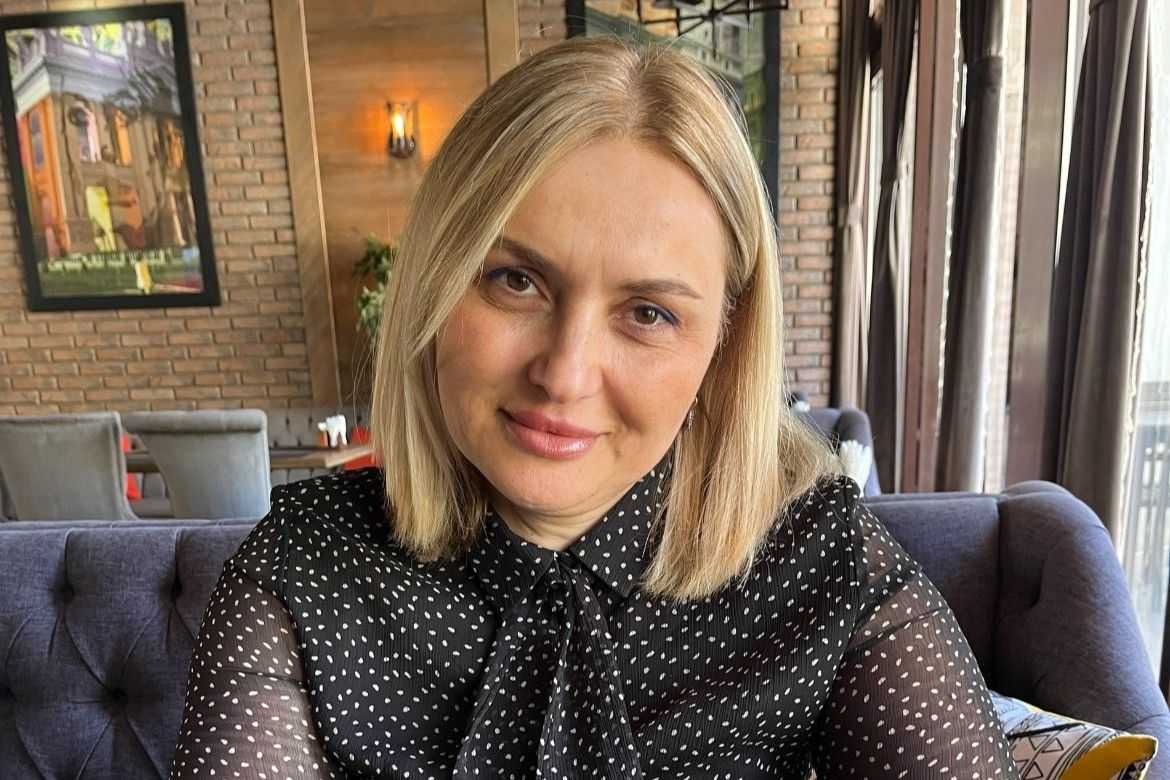
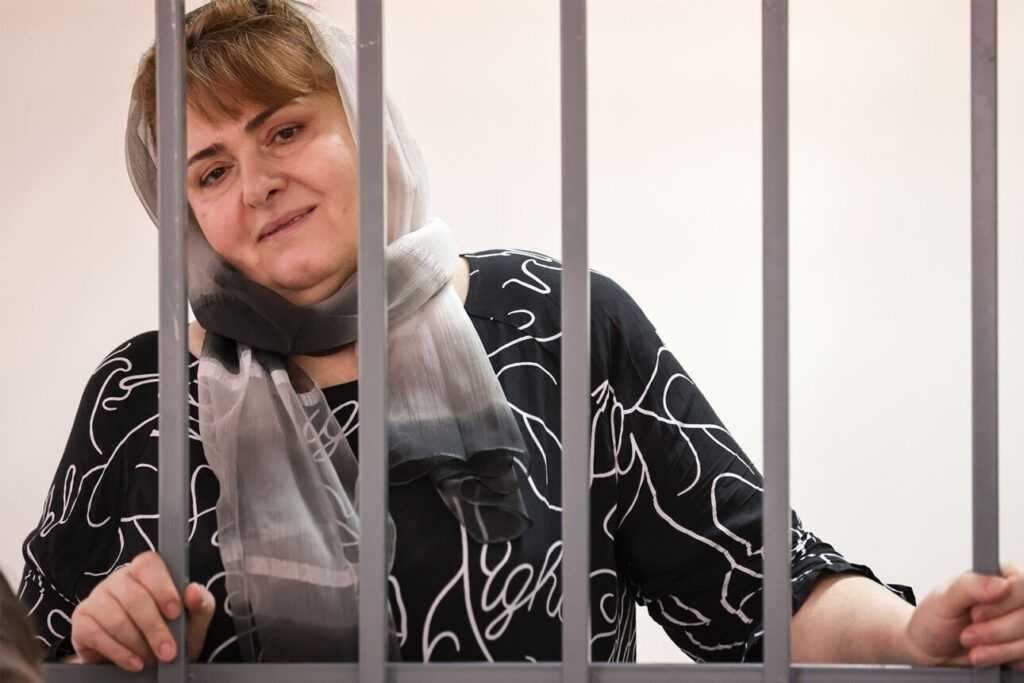
Tamar Mearakishvili, an ethnic Georgian activist and journalist, has been detained in South Ossetia on espionage charges. A vocal critic of local authorities who has previously faced legal persecution, Mearakishvili now faces 10 to 20 years in prison.
Reports emerged Monday night that friends were no longer able to reach Mearakishvili, who is originally from South Ossetia’s Akhalgori (Leningor) and currently lives in Tskhinvali (Tskhinval).
According to Caucasian Knot, the activist had informed her friends by phone that unknown individuals had entered her Tskhinvali apartment via the balcony, after which all contact was lost.
Earlier, Mearakishvili spoke with a Caucasian Knot correspondent too, telling them that security forces were present near her home, knocking for a long time on her door and those of her neighbours.
‘I’m not home right now; friends who came to see me told me so’, Mearakishvili told the publication.
Shortly before her detention, on Monday, Mearakishvili announced on Facebook that she would begin a hunger strike if South Ossetian Parliamentary Speaker Alan Margiev did not meet with her, noting that she had been trying to see him for over a year.
‘Starting tomorrow I am forced to start a hunger strike, because of the arbitrariness of the government, complete disregard of the civil service law, labour law, and the violation of my rights. My protest is also aimed at the scale of the embezzlement of budget funds in my district’, she wrote, personally addressing Margiev with the words, ‘I appeal to you, find the time to receive me today’.
From Tuesday morning, the South Ossetian Prosecutor General’s Office and security services began releasing information that apparently referred to Mearakishvili’s detention.
According to the Prosecutor General’s Office, a ‘Georgian citizen residing in South Ossetia’ collected and transmitted information about ‘strategically important facilities in the republic, thereby endangering the country’s security’.
‘Currently, the mentioned defendant has been detained, and the investigation is identifying other persons involved in the crime’, the agency said, without specifying on whose behalf the detainee allegedly engaged in ‘espionage’.
The statement was issued almost simultaneously with reports that contact with the activist had been lost.
Later, South Ossetian state-run media outlet RES published a comment from the press service of the local security service (KGB), stating that the female detainee was a ‘resident of the village of Leningor’ and was charged with ‘transmitting information to foreign media outlets affiliated with Georgian intelligence services’.
‘The media used the citizen in propaganda efforts to promote the interests of Georgia and its Western partners’, the report read.
In neither case was the detainee identified by name.
In response to a query from OC Media, Georgia’s State Security Service (SSG) said, ‘today, it was confirmed via a hotline from Tskhinvali that a Georgian citizen permanently residing in the occupied territory, Tamar Mearakishvili, has been unlawfully detained; intensive communication on this matter is ongoing’.
‘The only critical voice’
Mearakishvili has a long history of activism and journalistic work. She has consistently criticised South Ossetian authorities over corruption, human rights violations, and socio-economic policies.
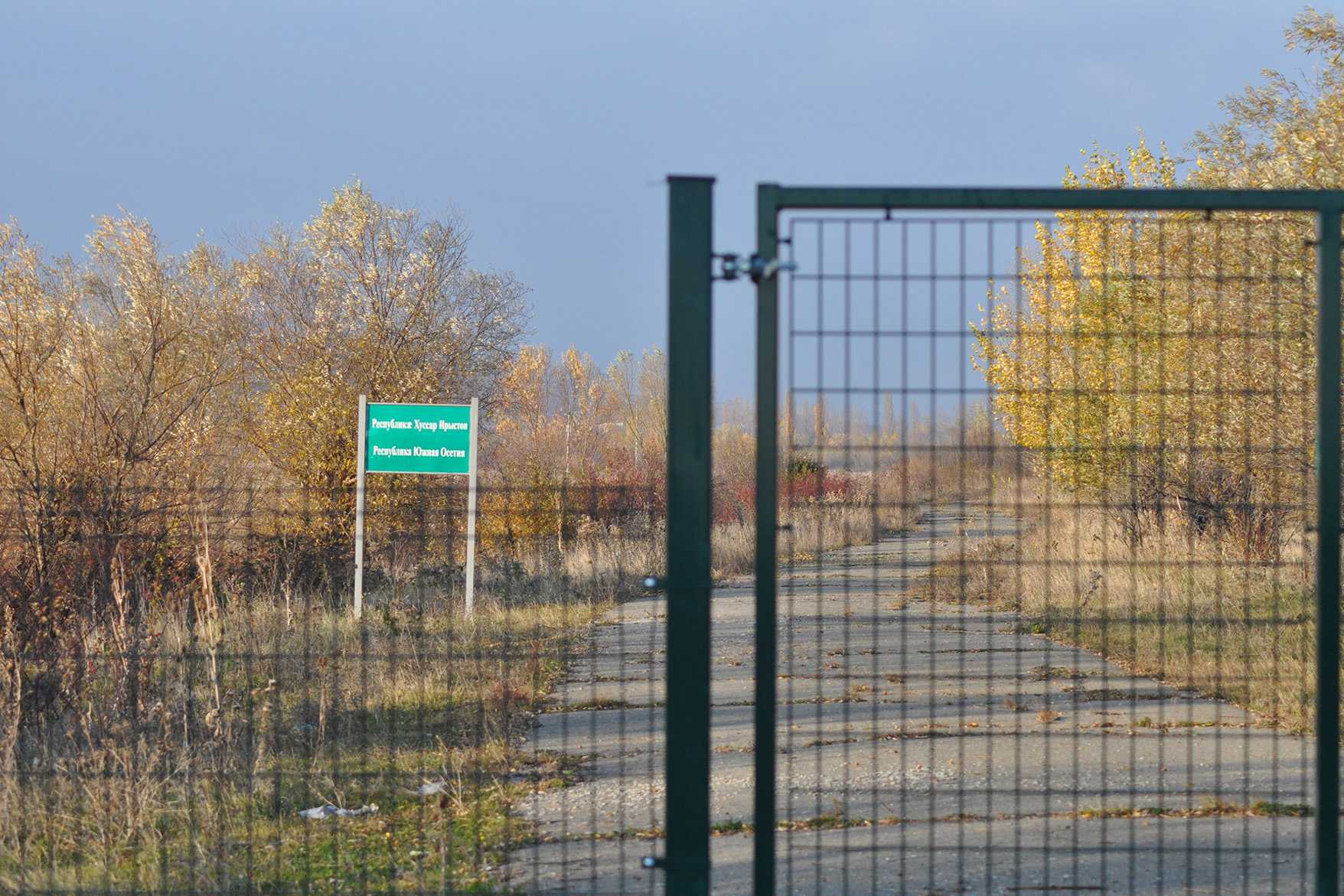
Akhalgori District, where Mearakishvili is from, is mostly populated by ethnic Georgians who require documents issued both by Georgian and South Ossetian authorities to cross over to Georgia-controlled territory and back.
In recent years, Mearakishvili has spent much of her time in an exhausting struggle with local security structures, marked by criminal investigations against her, detention, the confiscation of personal documents, and restrictions on her freedom of movement.
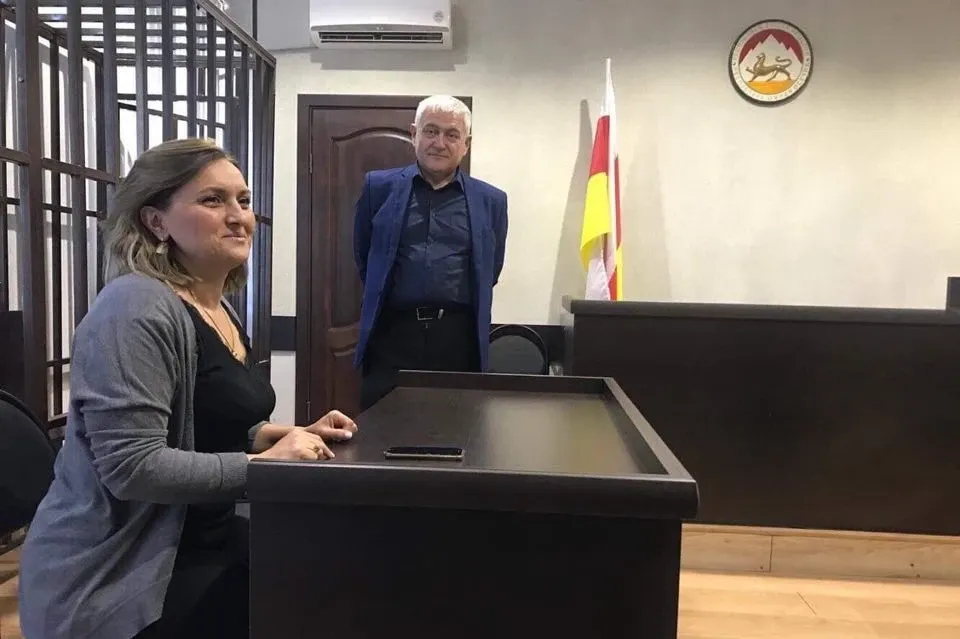
‘[Mearakishvili] never stopped her activism or speaking the truth in Tskhinvali, and it was clear that the de facto authorities there would make her pay for it’, Tamta Mikeladze, founder of the Tbilisi-based Social Justice Center (SJC), wrote in Tuesday’s Facebook post. SJC has prepared a legal assessment of the cases brought against Mearakishvili in 2022.
In Mikeladze’s words, ‘Under conditions where the media and civil society in the Tskhinvali region are virtually destroyed, Tamar Mearakishvili was the only critical voice for this community’.
‘Her activism helped both local Georgians and Ossetians to raise and address their own issues’, she added.
Criminal proceedings against Mearakishvili began in 2017 on charges of defamation of a local politician, as well as of obtaining South Ossetian citizenship using forged documents. In August of that year, the activist was briefly detained, her house was searched and documents confiscated.
‘A decision was probably made from above to punish me. They probably thought that I wouldn’t be strong enough to go through this. They would underline the fact that I am a woman, that they managed to break men and I wouldn’t survive’, she later told OC Media while discussing the events.
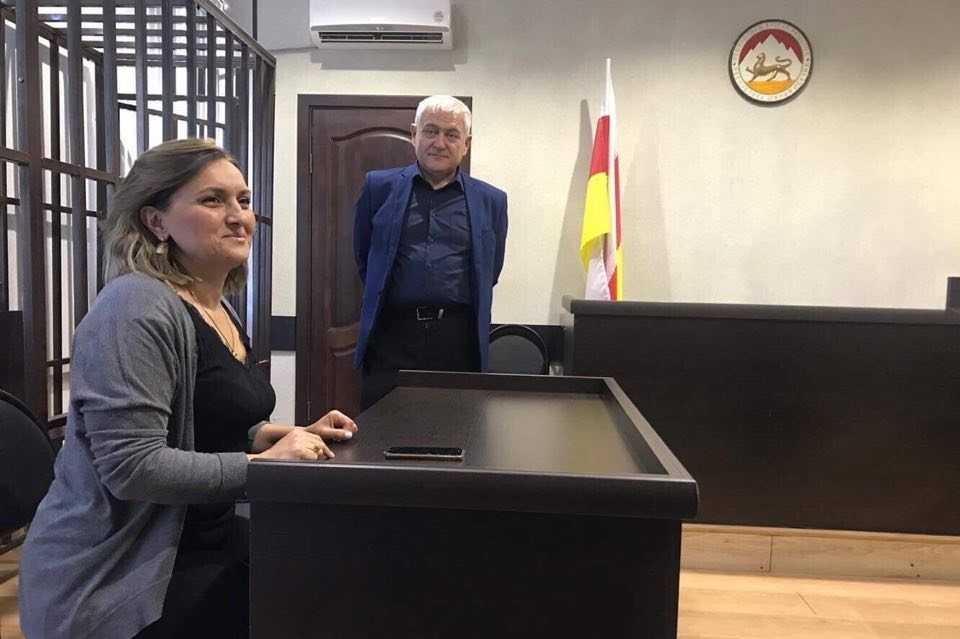
In the years that followed, Mearakishvili won several court cases. In 2022, prosecutors decided to discontinue the investigation on statute-of-limitations grounds, a decision Mearakishvili rejected and challenged in court. She stressed that the charges against her should not be dropped due to limitation periods, but rather that the Prosecutor General’s Office should explicitly acknowledge that she had not committed any crime.
At the end of 2022, prosecutors terminated the investigation on all counts due to the absence of a criminal activity.
Despite the charges being dropped, Mearakishvili continued to face restrictions on her freedom of movement until recently. In an article published by Netgazeti in September 2025, she said the prosecutor’s office had returned her passport only after it had expired, and that two years after applying for a new one, her request still had not been approved.
In the article, Mearakishvili described how the lack of a passport severely complicated her life: limiting her access to adequate healthcare, preventing her from travelling freely, registering a business, and even obtaining a SIM card.
SJC, which provided a legal assessment of the cases brought against Mearakishvili, wrote that a passport ‘is an essential document, along with the permit needed for travel, that she will require to cross into Georgia-controlled territory and return afterwards’.
Despite the challenges, in 2024 Mearakishvili moved from Akhalgori to the South Ossetian capital, Tskhinvali, where she opened a second-hand clothing store, registered in a friend’s name. Before her arrest, she spoke about the strong support she received from the local community:
‘The whole city stands by me: they give me discounts, my store’s advertisement runs on the city’s screens, and I’m invited to concerts, theatres, and festivals’.
In past interviews, the activist consistently emphasised that she did not want to move elsewhere to live.
In addition to criticising South Ossetian officials, Mearakishvili also spoke out against representatives of Georgia’s central government, highlighting their insufficient efforts regarding her case and more.
‘Unfortunately, Tamar Mearakishvili never received adequate support from Tbilisi. This was probably because she consistently criticised the Georgian authorities for their approach to conflicts, IDPs, and the Akhalgori issue’, Mikeladze added on Tuesday.
Following reports of the latest detention, human rights defenders in Tbilisi have urged the Georgian authorities to pay attention to Mearakishvili’s case and ensure her immediate release.
For ease of reading, we choose not to use qualifiers such as ‘de facto’, ‘unrecognised’, or ‘partially recognised’ when discussing institutions or political positions within Abkhazia, Nagorno-Karabakh, and South Ossetia. This does not imply a position on their status.
 Mariam Nikuradze
This article was translated into Russian and republished by our partner SOVA.