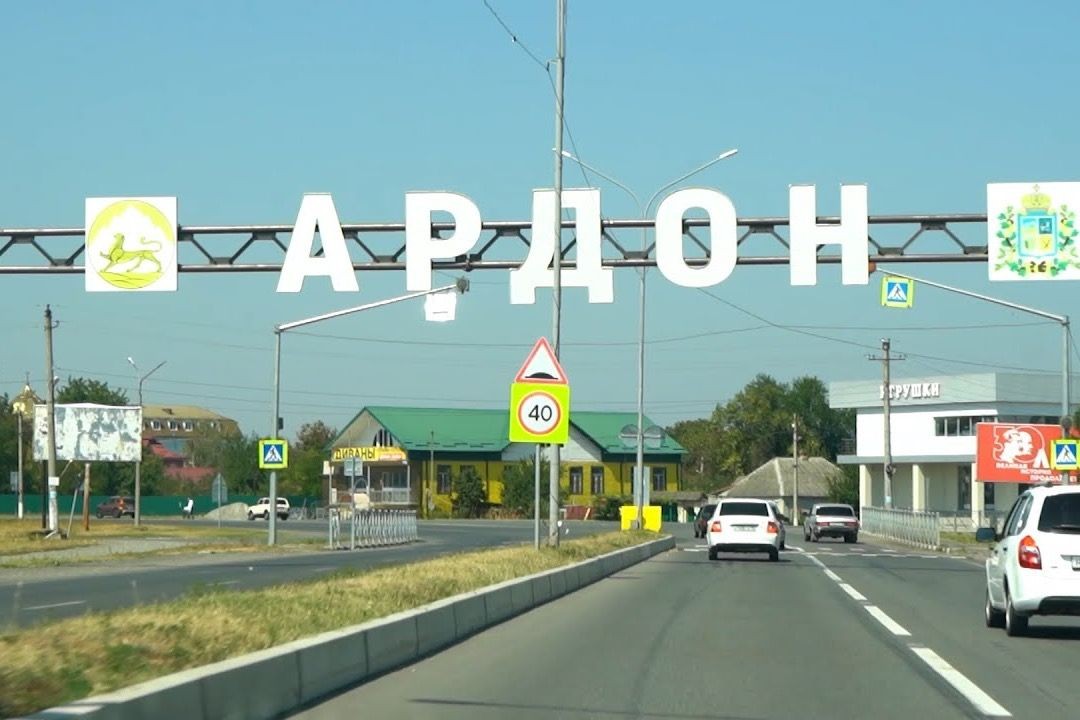
A court in North Ossetia has ordered a local resident into conversion therapy after finding him guilty of allegedly producing and distributing pornography by sending people — presumably men — nude photos.
The Ardon District Court found the man, identified only as T.K., guilty on 11 September. The court ruling was discovered and reported on by RFE/RL on Thursday.
According to the court, the man sent intimate photographs via the Telegram messenger, including images of male genitalia, to at least two users. According to the case materials, some of the images were downloaded from the internet, while others were ‘produced by the defendant himself using a mobile phone camera’.
Investigators concluded that the man’s actions were aimed at distributing pornographic materials and ‘arousing interest in non-traditional sexual relations’ among the recipients of the messages, according to court documents.
After information about the correspondence was obtained, police officers arrived at the defendant’s home accompanied by two ‘members of the public’, who, according to witness statements, acted as attesting witnesses. During a personal search, his mobile phone was seized. The device was later examined at the police station, and the images stored on it were copied and added to the case file.
As part of the investigation, the man was sent for an outpatient psychological and psychiatric examination. The expert commission stated that he was found to have a ‘homosexual type of sexual orientation’, as well as behavioural characteristics described in the conclusion as a ‘poorly controlled focus on repetitive sexual desires and behaviour’.
At the same time, the experts concluded that these characteristics did not exclude criminal responsibility but, in their view, limited the defendant’s ability fully to understand the nature and social danger of his actions. The court considered these findings sufficient grounds to order compulsory outpatient supervision and treatment by a psychiatrist.
The verdict separately notes that the convicted man had previously had ‘problems with law enforcement agencies’ related to his sexual behaviour, although the specific circumstances of these episodes are not disclosed in the court decision.
During the court hearing, he fully admitted his guilt and confirmed the testimony he had given at the preliminary investigation stage, while exercising his right to refuse to provide additional explanations. The court took his admission of guilt, remorse, and cooperation with the investigation into account as mitigating circumstances. No aggravating circumstances were established.
As a result of the proceedings, the court sentenced him to three years of suspended imprisonment, with a probationary period of two years. He was required not to change his place of residence without notifying the probation authorities and to report regularly for registration.
The mobile phone seized during the investigative actions was ordered to be returned to its owner, while the electronic media containing the images were to remain in the criminal case file for the entire retention period.
Such cases in the region are being considered against the backdrop of tighter Russian legislation and law enforcement practice concerning issues related to sexual orientation.
In November 2024, the non-existent ‘international LGBT movement’ was banned in Russia, and in March 2025 was added to the list of extremist and terrorist organisations. Russian authorities claim that this ‘movement’ spreads social and religious discord.
In addition, there have been reports of detentions and pressure on people in Daghestan on suspicion of homosexuality, including beatings and blackmail.
 Elizaveta Chukharova
This article was translated into Russian and republished by our partner SOVA.