Preliminary official Georgian investigation concludes WW1-era chemical not sprayed on protesters

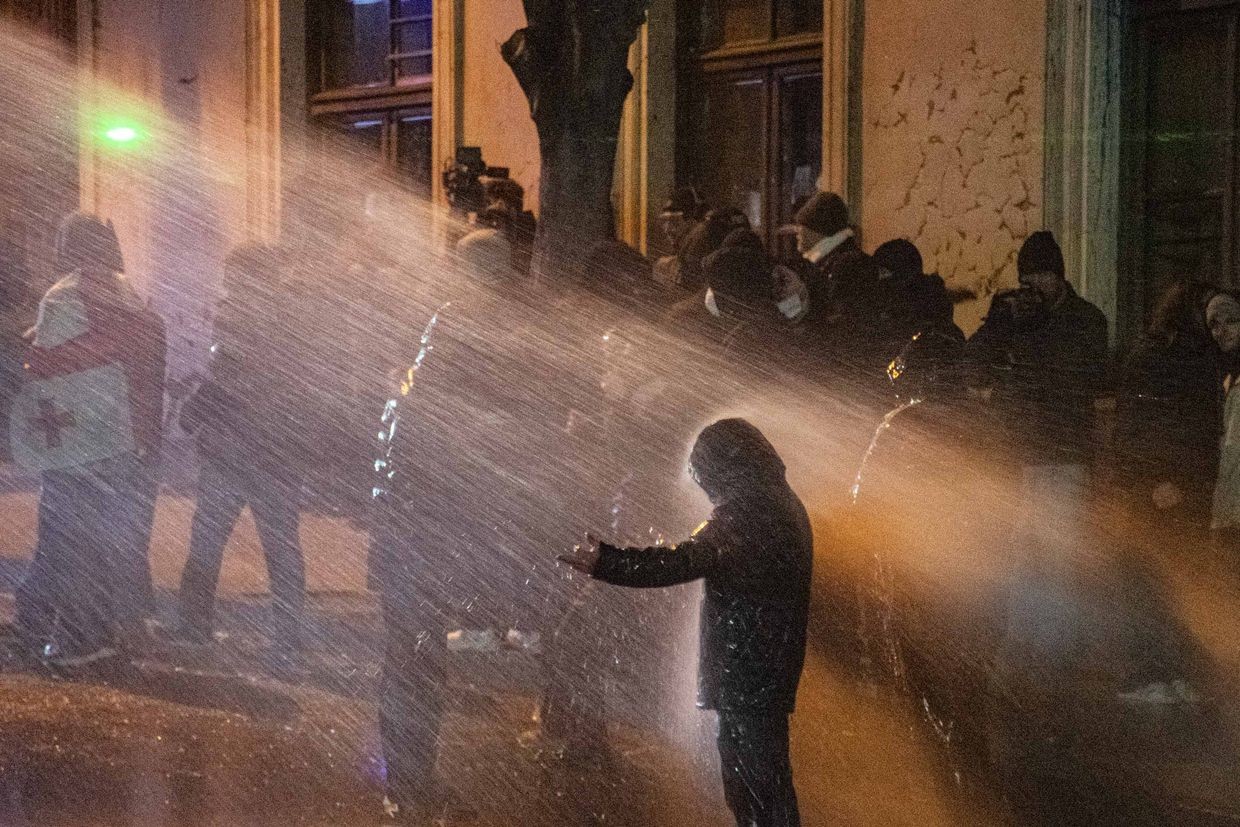
Georgia’s State Security Service (SSG) has conceded that police sprayed a chemical substance on protesters in December 2024, but claimed that it was O-chlorobenzylidene malononitrile, most commonly known as CS gas, a form of tear gas widely used by law enforcement around the world. The SSG’s preliminary report follows an investigation by the BBC that claimed the Georgian police had used a WWI-era chemical substance, camite, against protesters.
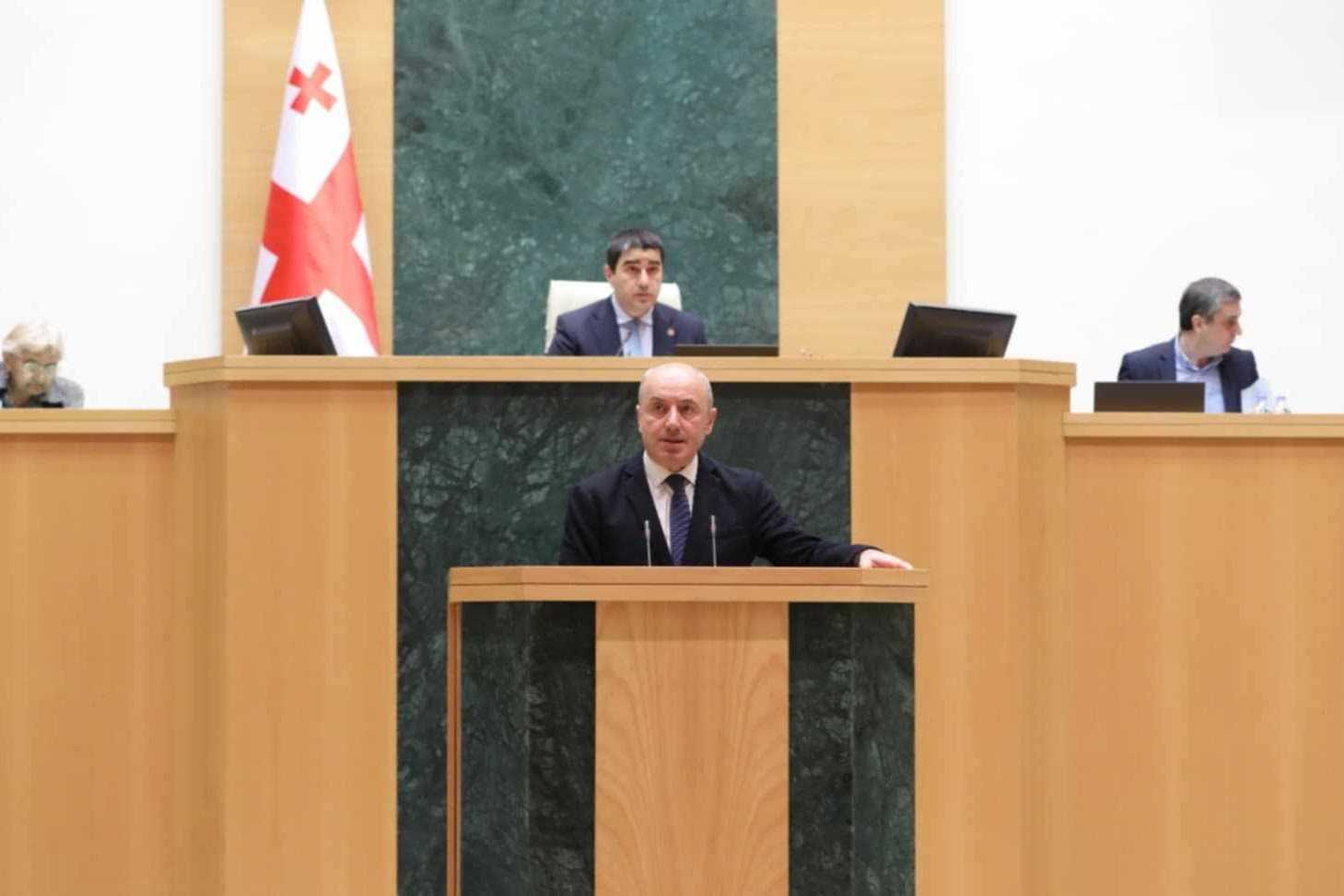
In a briefing on Saturday, SSG Deputy Head Lasha Maghradze said CS gas was used against protesters ‘according to necessity during ongoing rallies’, specifically referring to the night of 4-5 December. He did not comment on what substances, if any, the police used against protesters earlier. The demonstrations against the government’s EU U-turn began on 28 November — as did the heavy-handed police response, which included the use of water cannons.
The night of 28-29 November is when many of those present at the protest on Rustaveli Avenue, including OC Media’s Mariam Nikuradze, said they experienced contact with an unknown chemical substance. Nikuradze said she was splashed in the face with water from a water cannon, which caused a burning sensation on her eyes, face, throat, and elsewhere. She described it as a completely different feeling than the effect of pepper spray or tear gas, and sought help from an ambulance.
Nonetheless, during the Saturday briefing, Maghradze claimed that Georgia’s Interior Ministry ‘has never purchased such a substance’, referring to camite.
According to the BBC documentary released earlier in December, which sparked intense public debate, the broadcaster found evidence pointing to the use of an agent the French military referred to as ‘camite’ in Tbilisi during the 2024 protests against the government’s EU U-turn. The substance has been out of use since the 1930s, discontinued amidst concerns about its long-lasting effects.
Critics of the government have called into question the official denials and differing narratives offered as the scandal continues to deepen.
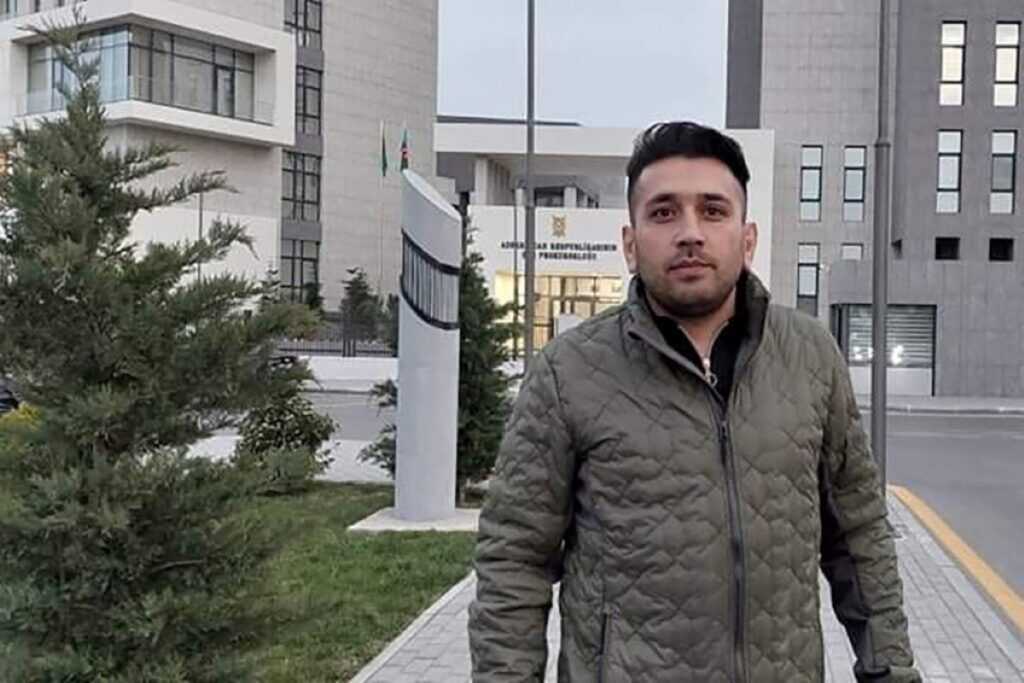
Over the weekend, former weaponry chief Lasha Shergelashvili, who resigned from the Interior Ministry in 2022 and was one of the key whistleblowers in the BBC documentary, accused the SSG of ‘lying’ in an interview with Formula.
Shergelashvili, who is currently in Ukraine, further asserted that camite had been tested in Georgia as far back as 2009, but was deemed to be too toxic for the use at the time.
He added that he was sure camite had been used to suppress a demonstration in 2020.
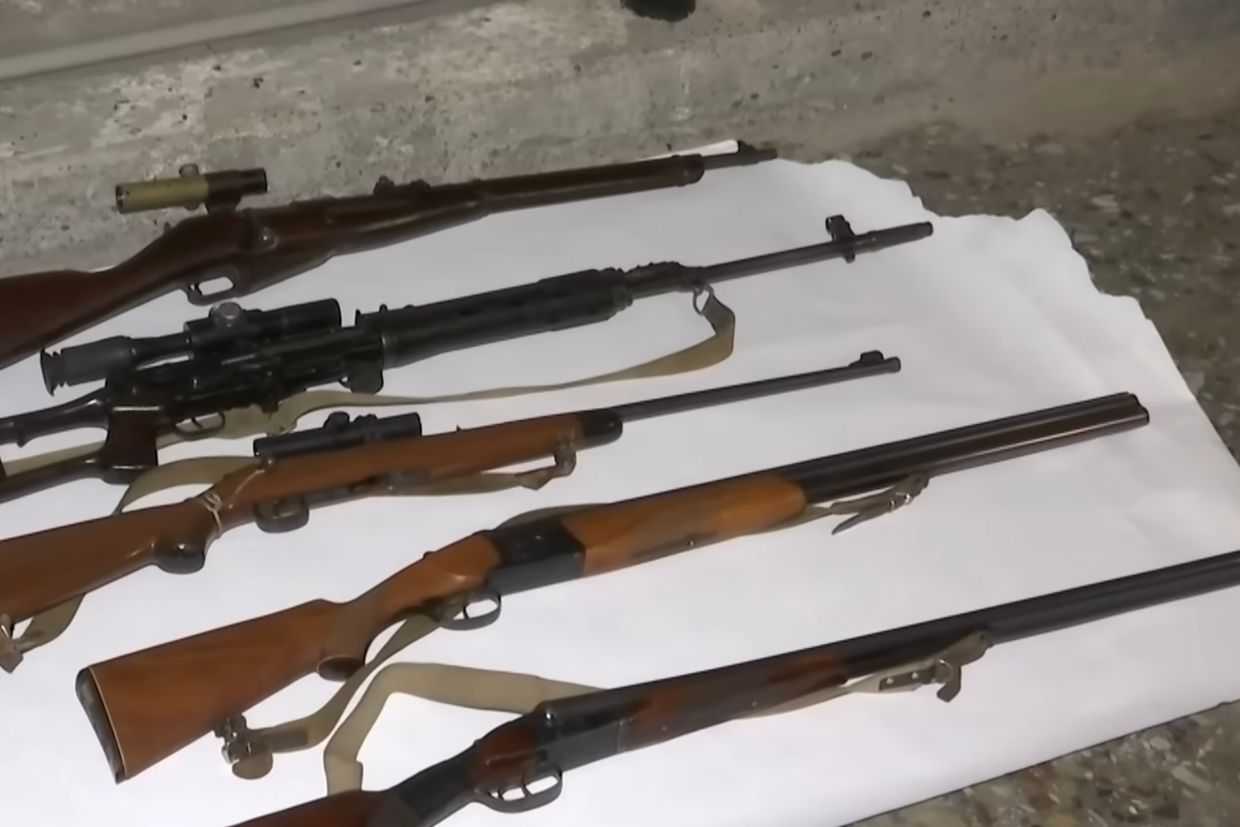
In his briefing on Saturday, Maghradze attempted to discredit Shergelashvili, saying he was under investigation in connection with an alleged plot, supposedly orchestrated by Ukraine, to bring explosives into Georgia ahead of the municipal elections on 4 October.
While the supposed plot has already been widely discussed by the Georgian government and pro-government media outlets, Maghradze’s briefing was the first time Shergelashvili was mentioned.
Meanwhile, Georgian Dream officials, including President Mikheil Kavelashvili, have continued their attempts to discredit the BBC’s investigation.
In an interview with the pro-government media outlet Imedi on Sunday, Kavelashvili said the investigation was a form of retaliation by the so-called deep state.
The ‘deep state’, as well as ‘global war party’, are two nebulous terms that regularly fit into Georgian Dream’s conspiracy theories, and refer to shadowy forces that are trying to overthrow the Georgian government and push it into war with Russia.
 Mikheil Gvadzabia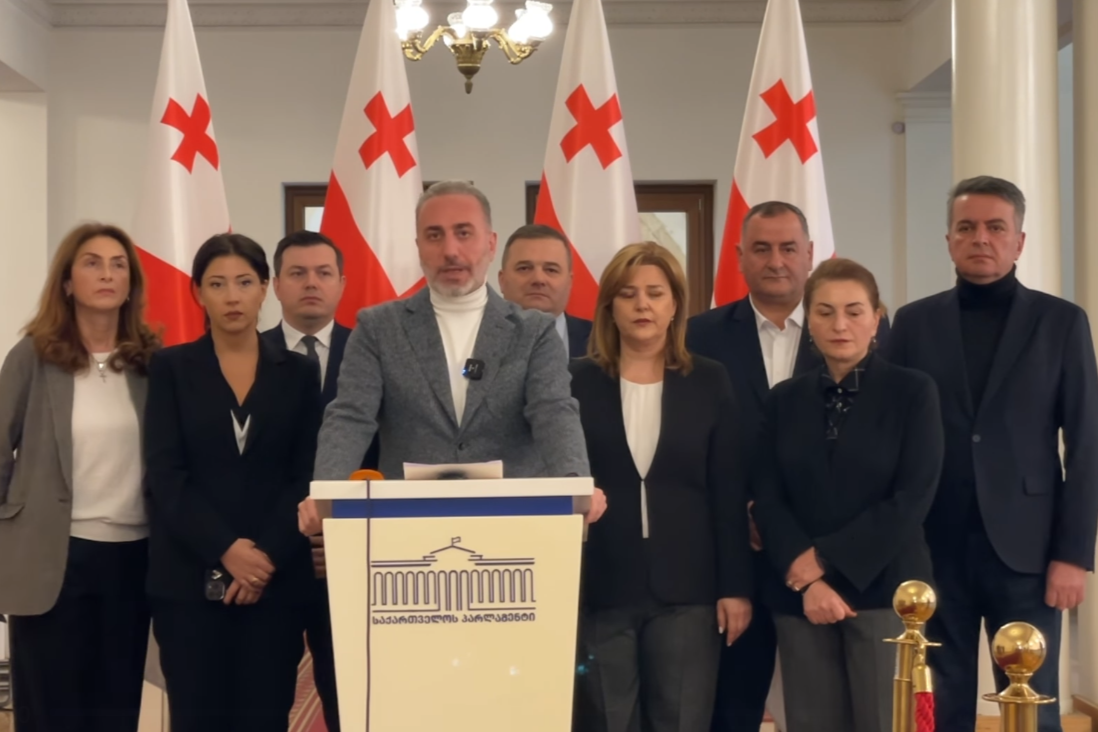
This article was translated into Russian and republished by our partner SOVA.