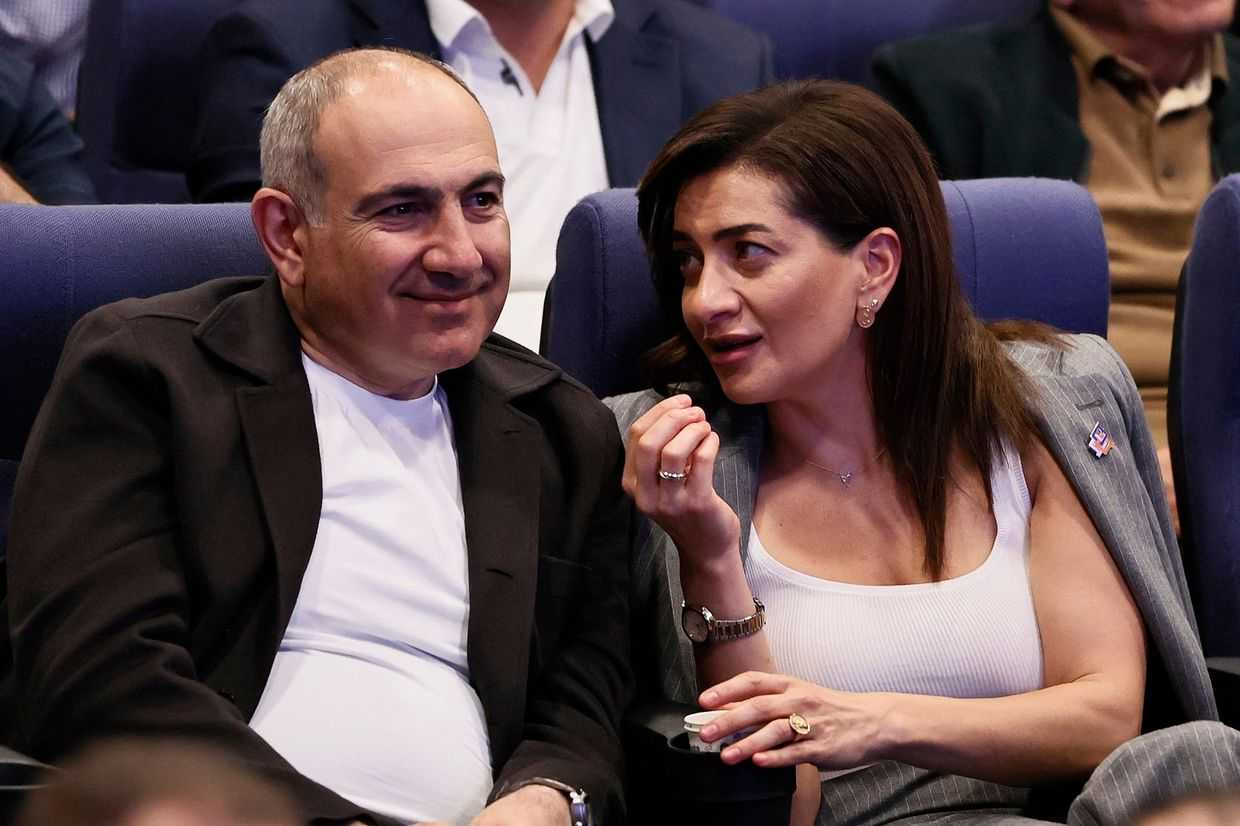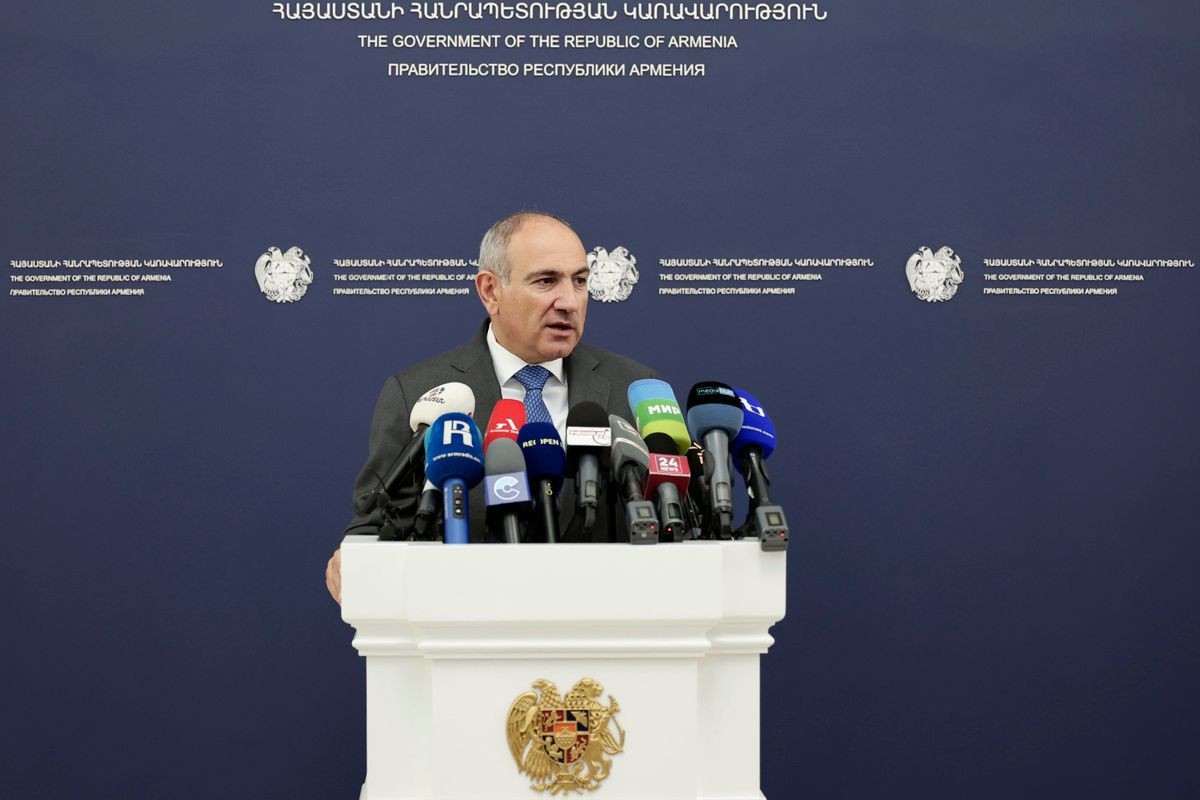
Prime Minister Nikol Pashinyan has proposed that Armenia ‘should introduce’ the institution of a jury system to the country’s legal infrastructure, which would ‘create an organic and very direct connection between the judiciary and society’.
Pashinyan offered his remarks during his weekly press briefing on Thursday.
‘We will continue our reforms of the judiciary, including within the framework of the constitutional amendments’, Pashinyan said.
In Armenia’s current judicial system, criminal cases are decided by judges, not juries. A single judge hears the prosecution’s and defense’s arguments, examines evidence, and issues the verdict and sentence.
Armenia is planning to hold a referendum for the adoption of a new Armenian Constitution in 2026.
 Arshaluys Barseghyan
Although Armenia has officially expressed its intention to change the constitution, it insists that it would not be doing so based on Azerbaijan’s demands.
Azerbaijani officials, including President Ilham Aliyev, have repeatedly stated that Armenia’s constitution contains territorial claims against Azerbaijan and demanded that it be changed. It is one of the major hindering points for signing the peace treaty initialled in Washington in August 2025.
Armenia’s constitution references the Declaration of Independence, which in turn references a joint statement made by Soviet Armenia’s Supreme Council and the Nagorno-Karabakh National Council on their ‘reunification’.
During Thursday’s briefing, Pashinyan said that unlike in 2018 and 2019, shortly after he came to power following the Velvet Revolution, the volume of letters he receives expressing dissatisfaction with ‘unjust and unfounded’ court rulings had significantly declined.
Arshaluys Barseghyan
‘Currently, the proportion of such letters has decreased by multiples, if not tens of times. I receive letters from citizens every day, I read them every day, and I deal with them every day’, Pashinyan said.
Previously, in April 2025, Pashinyan suggested ‘seriously discuss the possibility of introducing the institute of jury’, in the context of adopting a new constitution.
Addressing the main arguments against the jury system that cast doubt on its effectiveness in a small country where ‘everyone knows one another’, Pashinyan countered that the same could be said of judges, investigators, prosecutors, and others.
‘If we have entrusted them with justice and fairness, as investigators, judges or prosecutors, we can also entrust others with jury duty’, Pashinyan said, according to Armenpress.
He added that in that case, justice ‘will not be detached from the people’.
‘Justice will be just as the people, and the people are fairer than any prime minister, any minister, lawmaker, judge, prosecutor, or police officers’, Pashinyan said.