3.5/5★
Georgian director Aleko Tsabadze’s latest film explores authorship, control, and moral ambiguity through a film-within-a-film structure.
Chiaroscuro: Following the Shadow, which premiered on 27 November, is one of the most formally and conceptually engaging works in modern Georgian cinema.
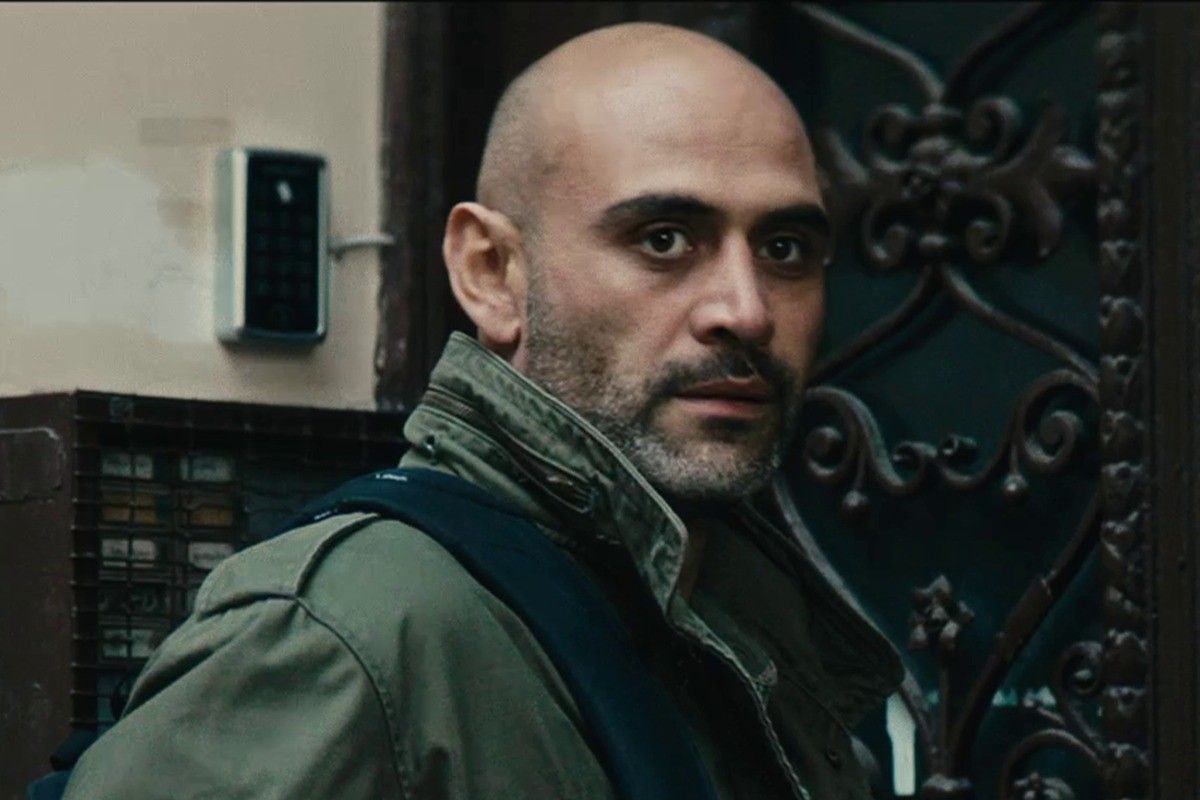
The story follows a filmmaker named Vato (Giorgi Bochorishvili), who is shooting a film based on his own life while simultaneously unraveling as a person, a husband, and a son.
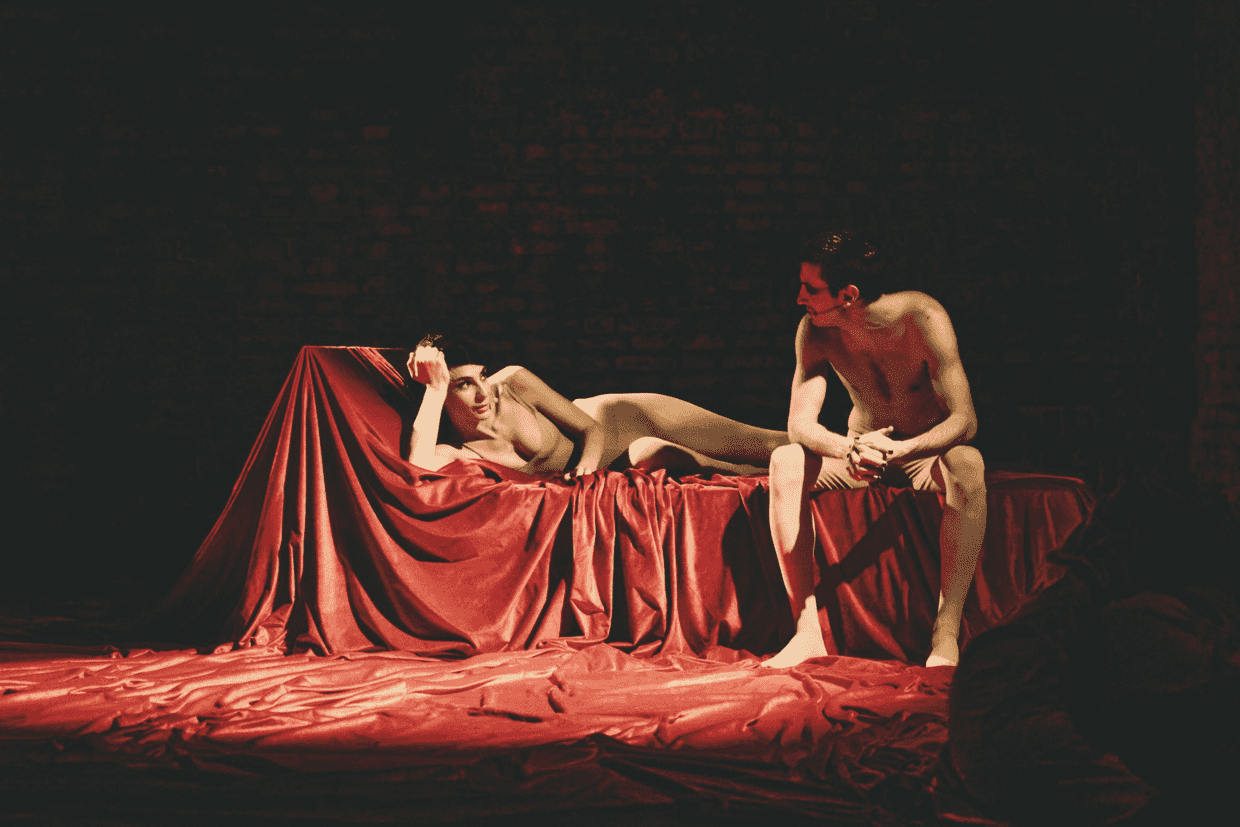
The film opens with a striking scene rendered in the aesthetics of 1980s Georgian cinema wherein Vato walks in on his mother having sex with a man who is not his father. Only gradually does the viewer realise that this scene is not presented as objective reality, but as part of the film Vato himself is making. This delayed revelation becomes a key narrative strategy, drawing the audience into a layered story.
Vato is portrayed as an angry and impulsive 40-year-old filmmaker whose relationships are consistently marked by tension and damage. His relationship with his mother is shaped by unresolved resentment rooted in the past. With his wife, he oscillates between separation and reconciliation, exerting control over her professional choices, showing jealousy all the while. He remains emotionally distant from his child, while his relationship with the film’s female producer is defined by ingratitude and sustained pressure.
He is written as an irritating character, yet also as a principled and oddly fair one, a contradiction that leads the viewer to develop an unexpectedly tolerant attitude towards him.

Subscribe to the Culture Dispatch
A bi-weekly newsletter featuring film, book, and music recommendations from the Caucasus, handpicked by our team.
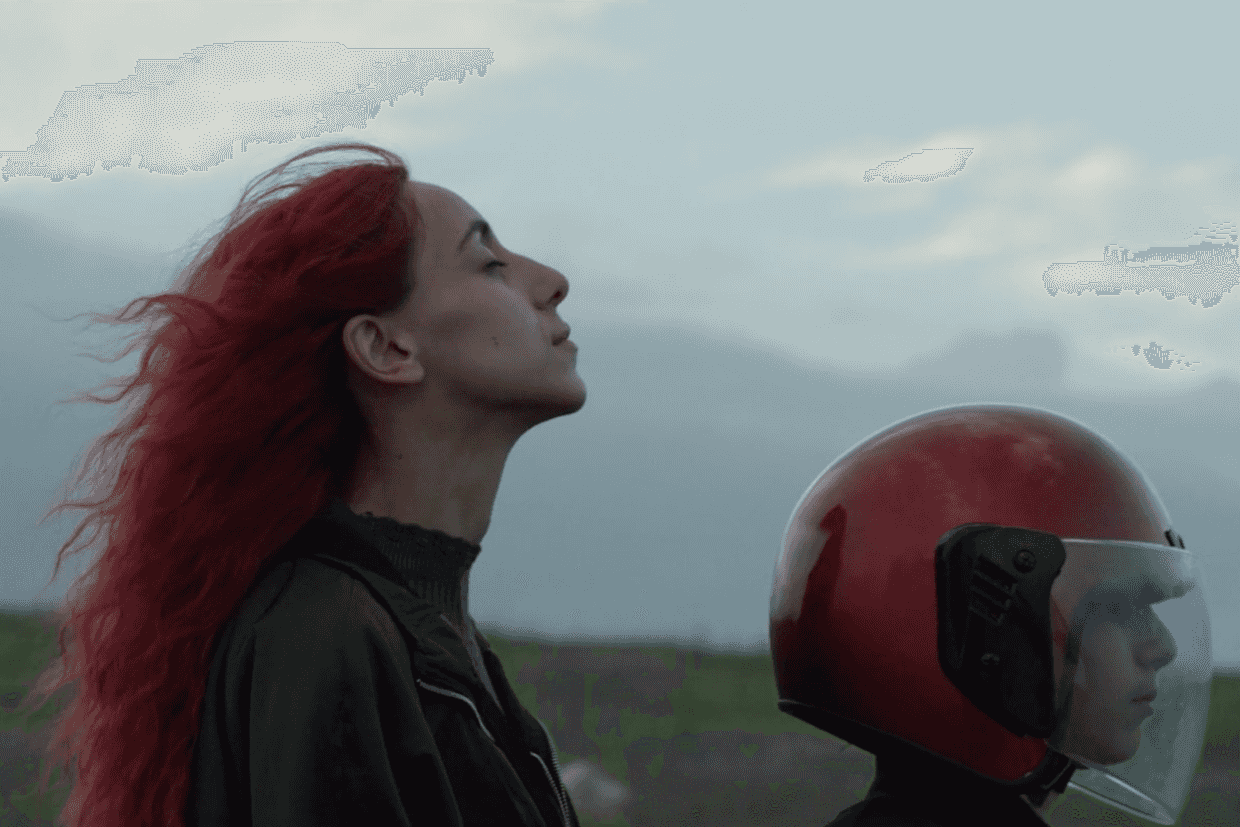
One of Chiaroscuro’s strongest elements is its use of two different aesthetics. The film Vato is making is visually darker, with heavy, dramatic tones, while the film the audience watches is faster-paced, more dynamic, and rhythmically sharp. This contrast is not merely stylistic, it also reflects Vato’s fractured inner world and the tension between memory and present experience.
The soundtrack plays a big role in shaping this rhythm. A recurring musical theme appears almost exclusively during scenes in which Vato is driving, moments marked by nervous movement, turning the car into a space of restless escape rather than release. The selective use of music acts as a binding element, subtly holding the film together.
Narratively, Chiaroscuro is in a clear dialogue with Shakespeare’s Hamlet. Just as Hamlet employs a play-within-a-play, Tsabadze’s film constructs a film-within-a-film. Themes of maternal accusation, moral conflict, and self-examination echo throughout the film.
The film’s social context emerges most clearly through its storyline related to funding. When financial support for Vato’s project collapses, participation in a government promotional video is offered as a ‘solution’. In a key moment, Vato’s reaction to this demand reveals his complete inability to tolerate such a compromise.
Bochorishvili stands out as Vato, maintaining a careful balance between aggression and internal emptiness. His performance never overwhelms the film’s structure, allowing the character to exist within the form rather than dominate it.
Overall, Chiaroscuro is a film that prioritises questions over answers, probing responsibility, authorship, artistic freedom, and its limits.
Film details: Chiaroscuro (2025), directed by Aleko Tsabadze, premiered on 27 November 2025 in Georgian theatres . It is also available to stream on Cavea+.