Review | The Kartli Kingdom — a heartfelt examination of Georgia’s IDP housing crisis
This French–Georgian co-production observes a close-knit community of IDPs from Abkhazia residing in an abandoned Soviet-era resort in Tbilisi.

4.5/5★
This French–Georgian co-production observes a close-knit community of IDPs from Abkhazia residing in an abandoned Soviet-era resort in Tbilisi.
Tamar Kalandadze and Julien Pebrel’s documentary gets straight to the point, opening with the funeral of Zurab Chichoshvili, an internally displaced person (IDP) from Abkhazia who allegedly jumped from the roof of the former Tbilisi Sea sanatorium, Kartli, housing IDPs. The incident happened amidst demands from him and other residents of the building for alternative housing.
According to the Ministry for IDPs, Tbilisi hosts nearly 112,000 people displaced by the conflicts in Abkhazia and South Ossetia, predominantly during the early 1990s and in 2008. The vast majority live in inadequate housing dispersed throughout the territory under Georgia’s control.
Over the three decades since the first IDPs fled their homes, protests have included street rallies, threats to move back to Abkhazia and South Ossetia in protest, hunger strikes, and even attempts at self-immolation.
In late January 2025, an IDP from Abkhazia set himself on fire, reportedly after the government failed to provide him with adequate housing.
‘He was asking for an apartment. He went to the [IDP] Agency and as far as I know, they refused him again, then he started swearing and poured gasoline on himself’, Giga Benia, a journalist for BM.ge, told OC Media at the time.
The man, who received burns to 65% of his body, later died in hospital.
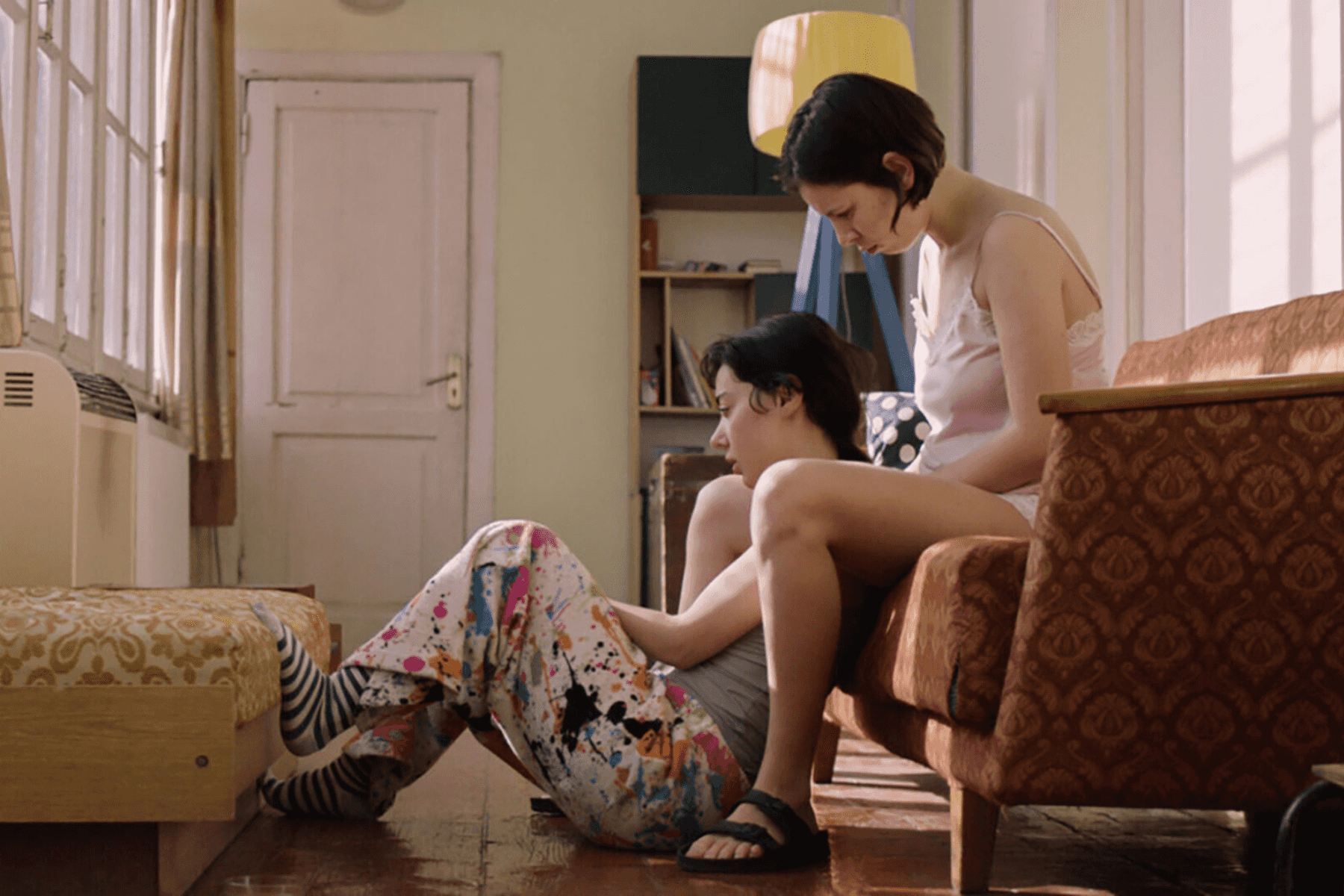
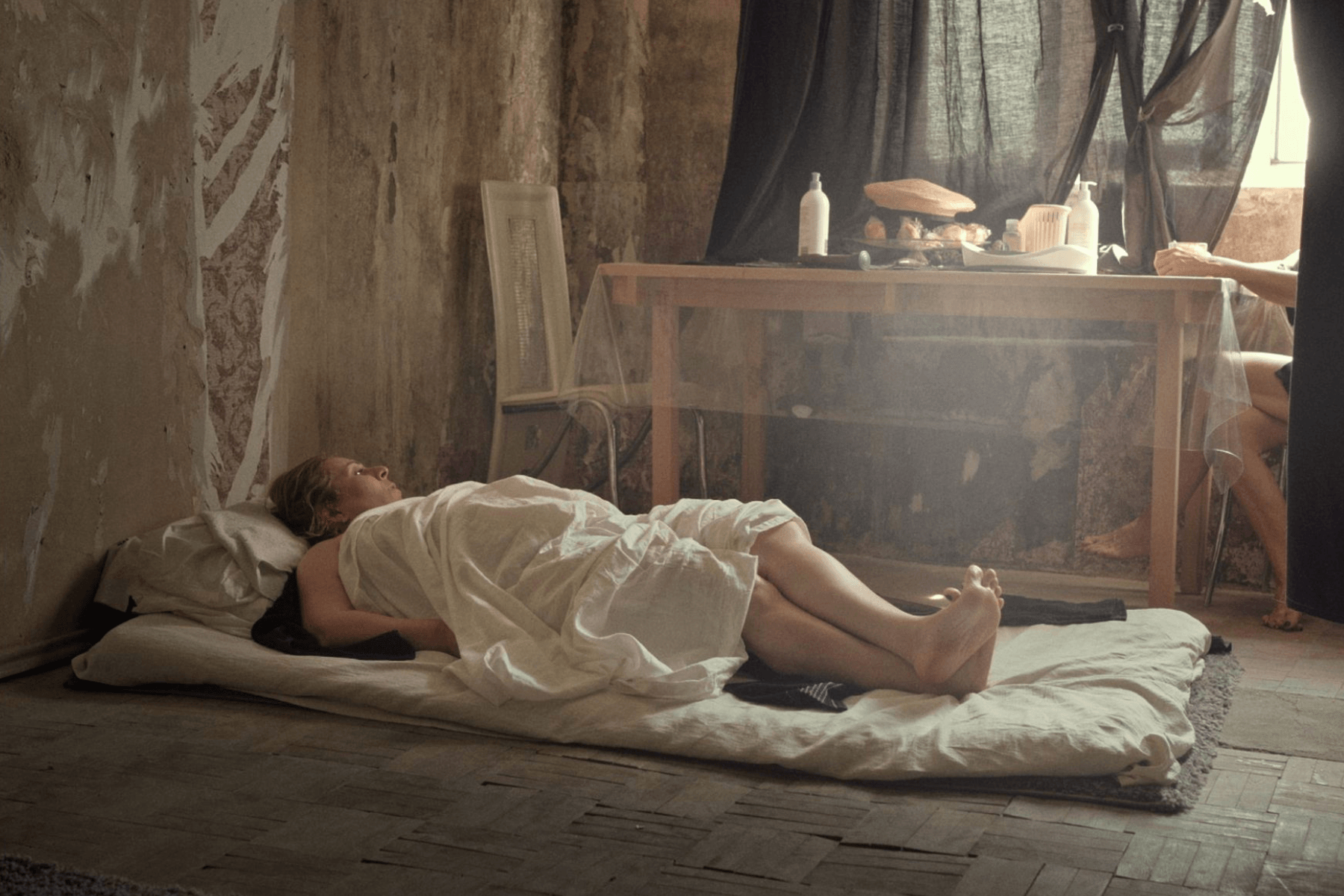
The Kartli Kingdom is an attempt to shed light on this lesser known human rights crisis, following a few of the 200 families that populate the Kartli sanatorium as they fight to get housing, yet also struggle with the potential loss of a community built up over 30 years in exile.
This community aspect creates the heart of the film. Kalandadze and Pebrel show the residents’ reliance on a small shop run from inside one woman’s front room, offering everything from fresh bread to vodka shots; the gatherings in crumbling hallways to discuss pulling straws for randomised housing when the government offers only a fraction of the flats needed. Interspersed throughout all the contemporary footage are clips from home videos, showing birthday parties, dance sessions, and even a wedding. Multiple generations have lived almost their entire lives in the decaying sanatorium — which is now splitting in half — while many of their parents find that now even they have spent more time in Tbilisi than in Sukhumi (Sukhum).

Subscribe to the Culture Dispatch
A bi-weekly newsletter featuring film, book, and music recommendations from the Caucasus, handpicked by our team.
Kalandadze and Pebrel also include clips of ethnic Georgians fleeing Abkhazia during the War in Abkhazia (1992–1993). Thousands were forced to flee via mountain passes — many died of cold and starvation along the way. The footage is emotional — young children battling the deep snow, elderly women crying out in a state of distress — and it helps to contextualise what these families have gone through only to be forgotten by Georgia in the ensuing 30 years.
‘They talk about the heroes and the dead. They’re dead, I get it, but we survived’, a younger Kartli resident says about their own invisibility while the government scores points through memorials.
Over the course of a few years filming, and following Chichoshvili’s death, the government does slowly begin to offer flats to the Kartli residents. Yet rather than rehouse them all into one new apartment building, flats are handed out a handful at a time, splitting the residents across the wider city, making moving a bittersweet moment.
‘For me, it’s like a second exile’, one resident says as she prepares to move to a new flat.
By the end of the film, the majority of residents have left, leaving the sanatorium feeling ghostlike. Yet still, a few last residents remain, including some who never want to leave. It is a bittersweet ending, the film observing just a fraction of the thousands of IDPs struggling with the same issues across the country still today.
For a first feature, Kalandadze and Pebrel have created a tour de force — it is no wonder they won the award for best directing following the film’s premiere at the 2025 IDFA Documentary Festival in November.
Film details: The Kartli Kingdom (2025), directed by Tamar Kalandadze and Julien Pebrel, screened at the 26th Tbilisi International Film Festival on 3 December 2025.