SOCAR’s Kulevi terminal in Georgia escapes inclusion in EU sanctions against Russia

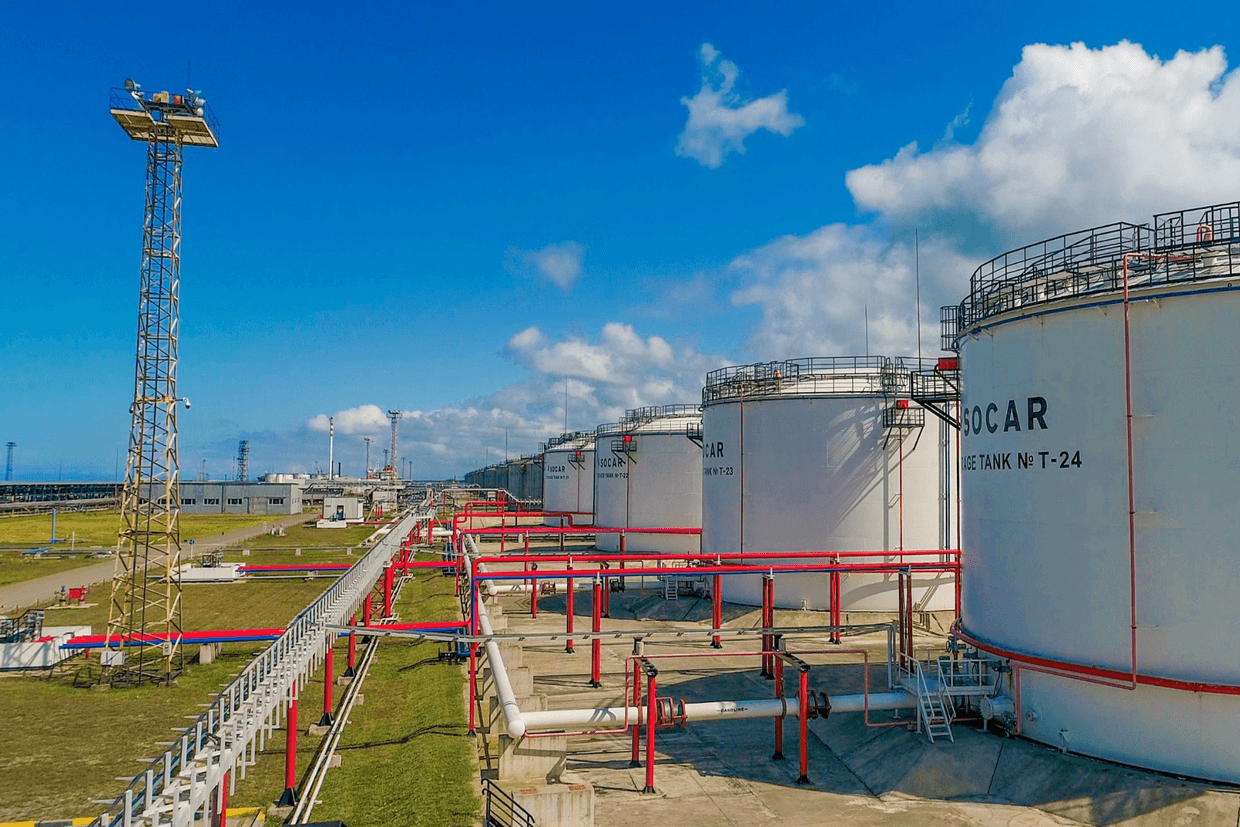
The Kulevi Oil Terminal in Georgia, owned by Azerbaijan’s SOCAR, has narrowly escaped inclusion in the EU’s 20th sanctions package against Russia. Earlier reports suggested that the terminal would be included in the package.
The news was first reported by Russian state-run media outlet TASS, followed by pro-government channels in Georgia.
The move comes amidst alarm across Europe, as global oil prices temporarily surged past $100 per barrel on Monday due to the war in Iran.
There were conflicting reports about the reasons behind the EU’s decision not to sanction Kulevi.
While the Georgian government claimed that allegations of illicit activities at the terminal were unproven, TASS reported that the Georgian side received an official letter from EU Sanctions Envoy David O’Sullivan addressed to Georgia’s Foreign Minister Maka Bochorishvili.
‘Initially, it was planned to include Georgia’s Kulevi port in the 20th sanctions package due to the maritime transportation of Russian oil and the entry of the “shadow fleet” into the port’, the letter states.
According to O’Sullivan, ‘the position was revised’ after Georgian authorities and the port operator made several commitments, specifically pledging to prevent vessels sanctioned by the EU from entering Georgian ports or receiving services there.
Neither SOCAR nor the Georgian Foreign Ministry were available for comment when contacted by OC Media.
Georgia’s TV Pirveli has reported that SOCAR also committed to complying with EU sanctions, including the price cap on Russian crude oil and the EU ban on importing petroleum products derived from Russian oil.
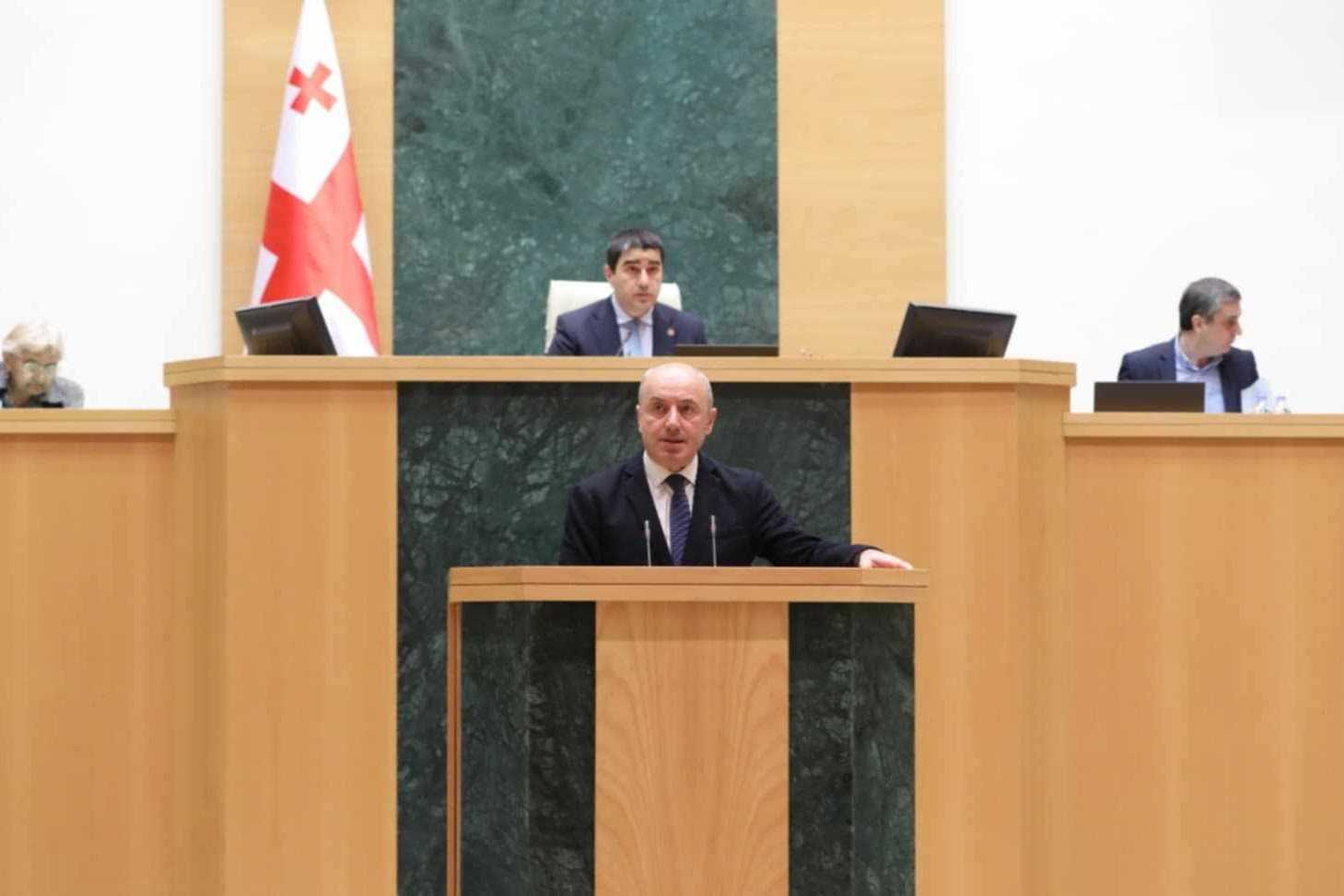
Following reports of its removal from the list, the Chair of the Parliamentary Culture Committee, Georgian Dream MP Giorgi Gabunia, told Rustavi 2 that ‘Georgia has never been used to circumvent sanctions’.
‘The public has once again become convinced that Georgia is right in this direction and that Georgia has never been used to circumvent sanctions’, he said, echoing a government line that Georgia was subject to a ‘campaign of disinformation’.
Reports indicating that Kulevi was to be included in the sanctions package emerged in early February. The package aims to further reduce Russian oil revenues. The Georgian government denounced the move and strongly defended the port, stating it had provided the EU Commission with full information regarding the situation at Kulevi.
Roman Gotsiridze, former governor of the National Bank of Georgia and an economist, noted that he has long commented on the port, casting doubts on the capacity of the nearby oil refinery, which he called a hoax.
While the EU has said that it revised its position after receiving pledges from Georgia and SOCAR not to service or dock Russian ships, pro-government TV channel Imedi, which is under UK sanctions for spreading Russian disinformation, has claimed that the terminal was removed from the list due to a ‘lack of evidence’.
However, Gotsiridze believes that Kulevi narrowly avoided being sanctioned largely because of Azerbaijan’s deepening relations with the US and the EU. The largest share of Azerbaijan’s refined petroleum products is exported through this port, and sanctioning it would have been a major blow to Azerbaijan’s economy.
The port became entangled in controversy due to an oil refinery being built nearby. Although the refinery has not yet become operational, between November and January it reportedly ‘produced’ and sold $116 million worth of petroleum products derived from Russian crude oil. Gotsiridze noted that such a scheme would have been impossible without the Kulevi terminal, as an inactive refinery could not have produced any petroleum products.
However, the refinery project — allegedly backed by Russian interests — may face serious problems ahead.
The owner of the Kulevi oil refinery is Maka Asatiani, a businessperson and designer who founded Black Sea Petroleum. The project received funding from the state-owned Georgian Development Fund and Cartu Bank, which was founded by Georgian Dream leader Bidzina Ivanishvili. The factory’s presentation in October 2024 was attended by Georgian Prime Minister Irakli Kobakhidze.
 Helena Bedwell
This article was translated into Azerbaijani and republished by our partner Meydan TV.