Georgia
French photographer’s Georgian residence permit revoked, reportedly for ‘political’ reasons

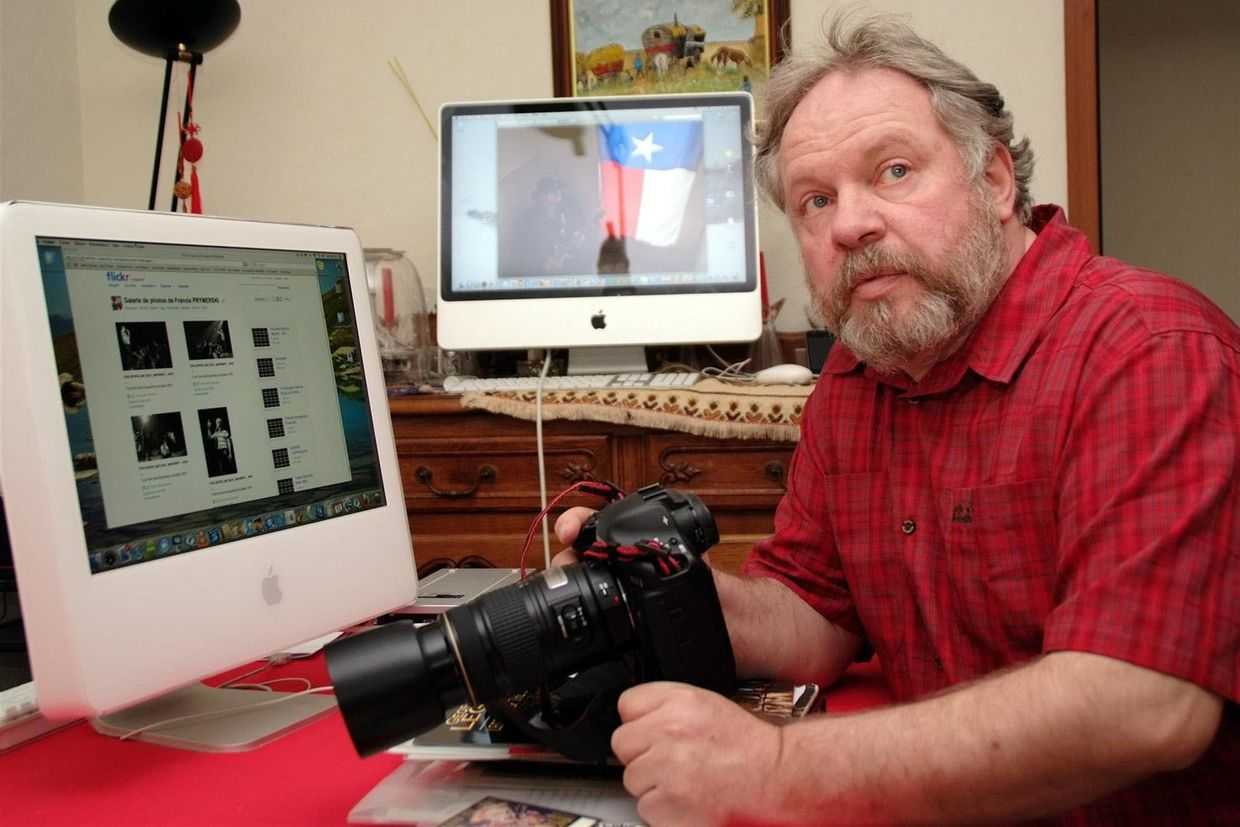
Francis Nicolas Primerski’s permit was first extended, later revoked.

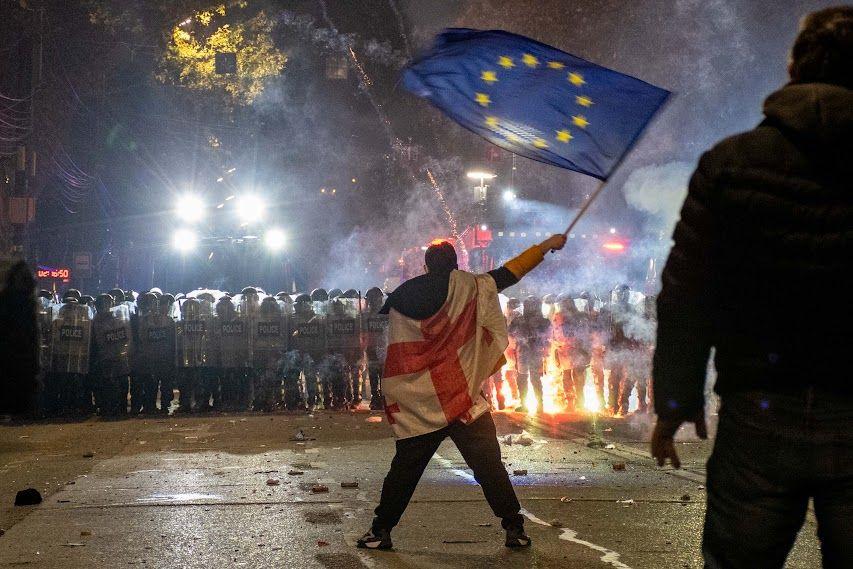
The Georgian Government’s announcement on 28 November that they would not seek to open accession negotiations with the EU ‘until 2028’ has led to a crisis in the country.
Francis Nicolas Primerski’s permit was first extended, later revoked.
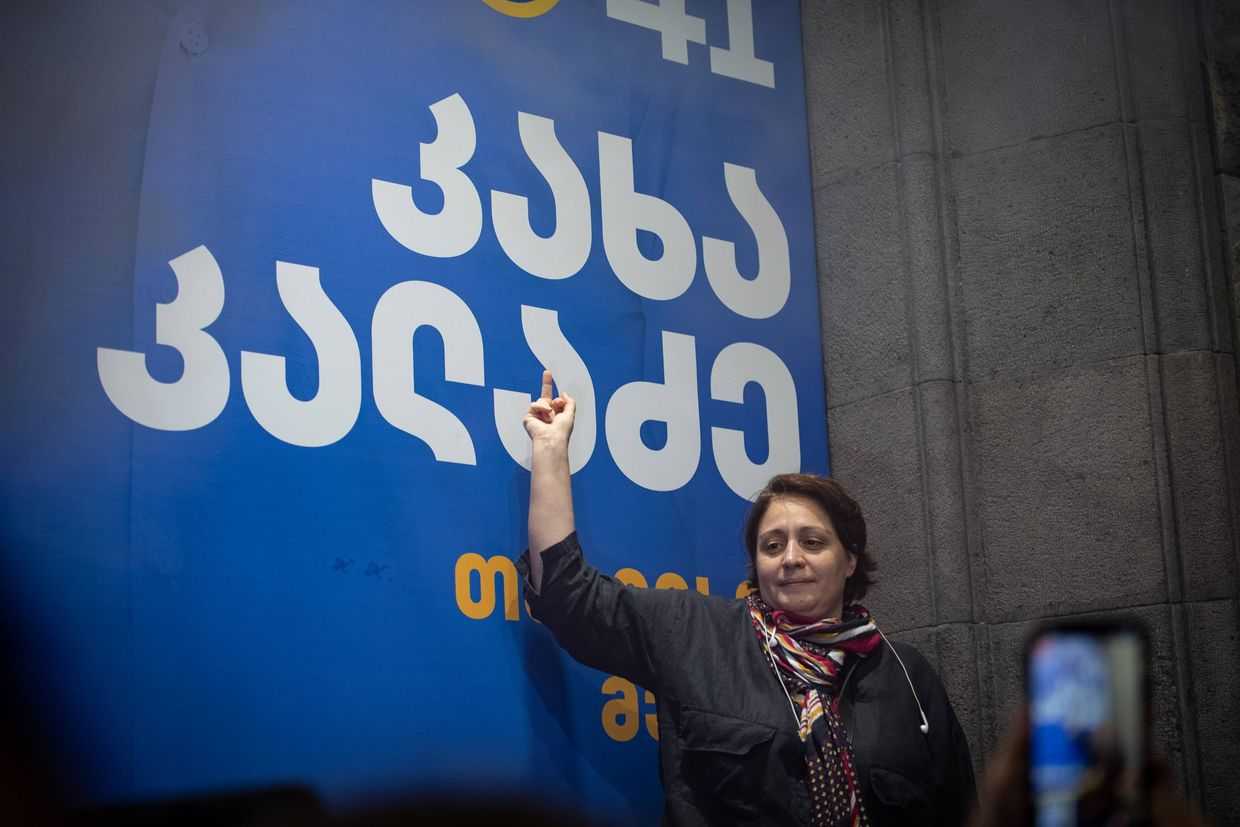
Khoshtaria was first detained in September 2025.
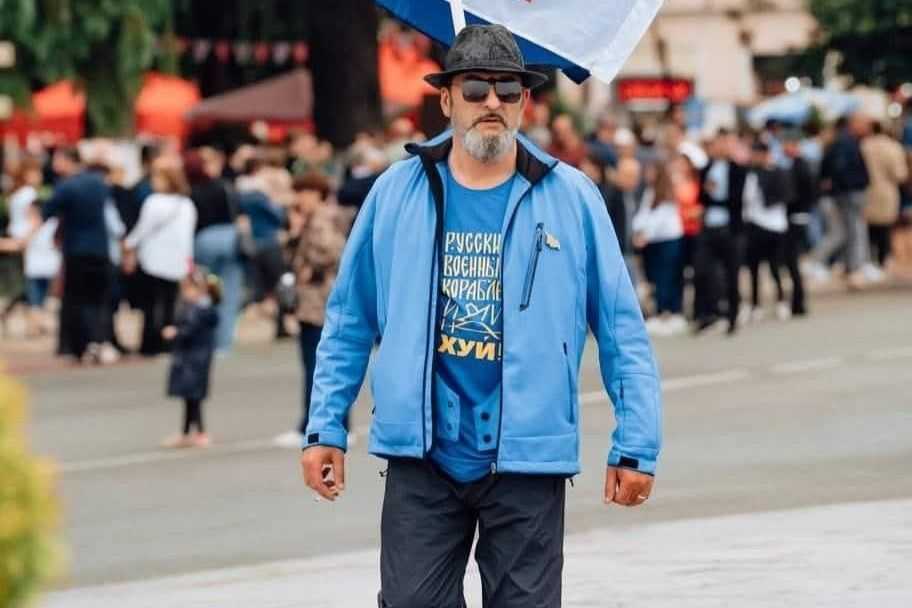
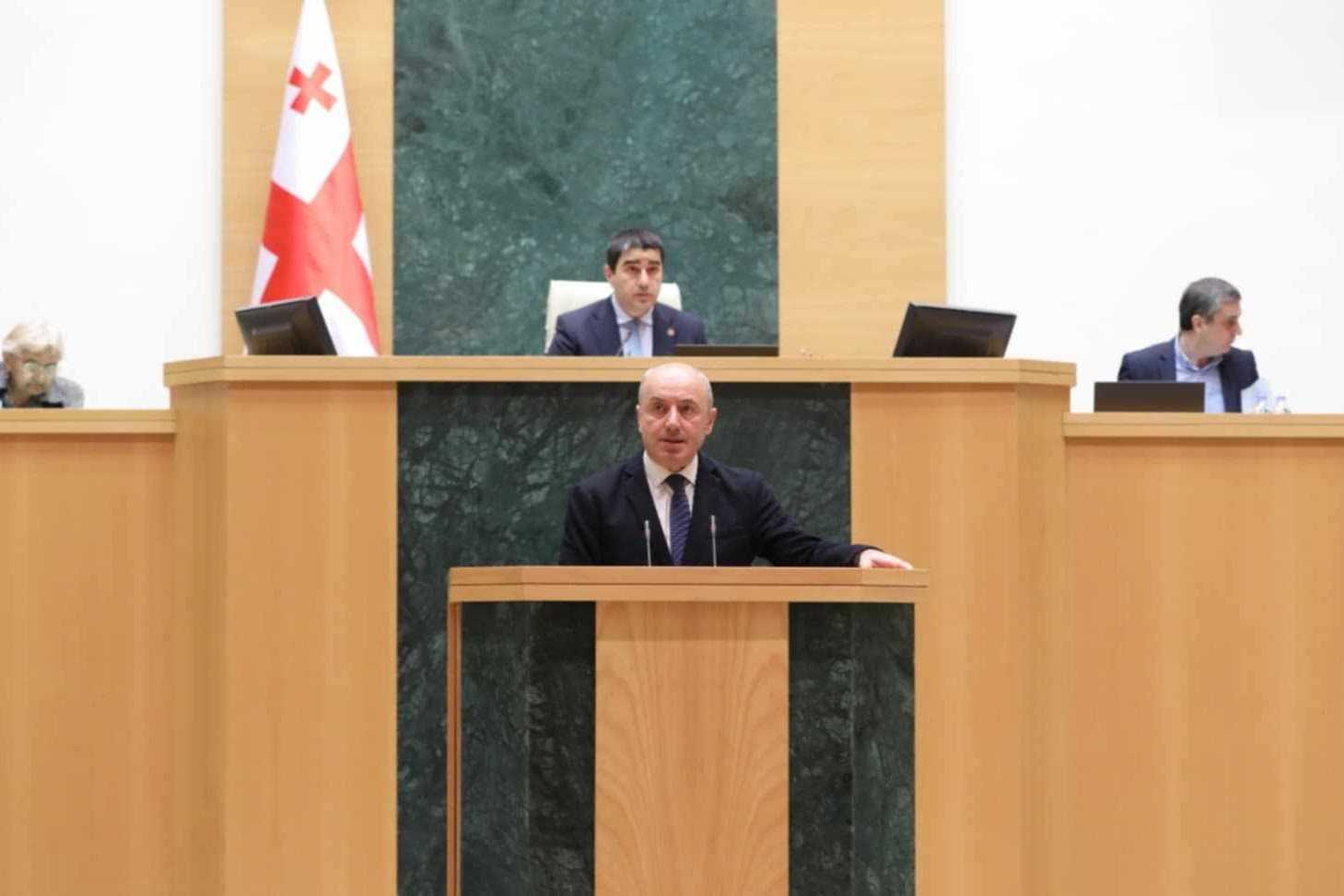
Shalva Esartia faces up to one year in jail.
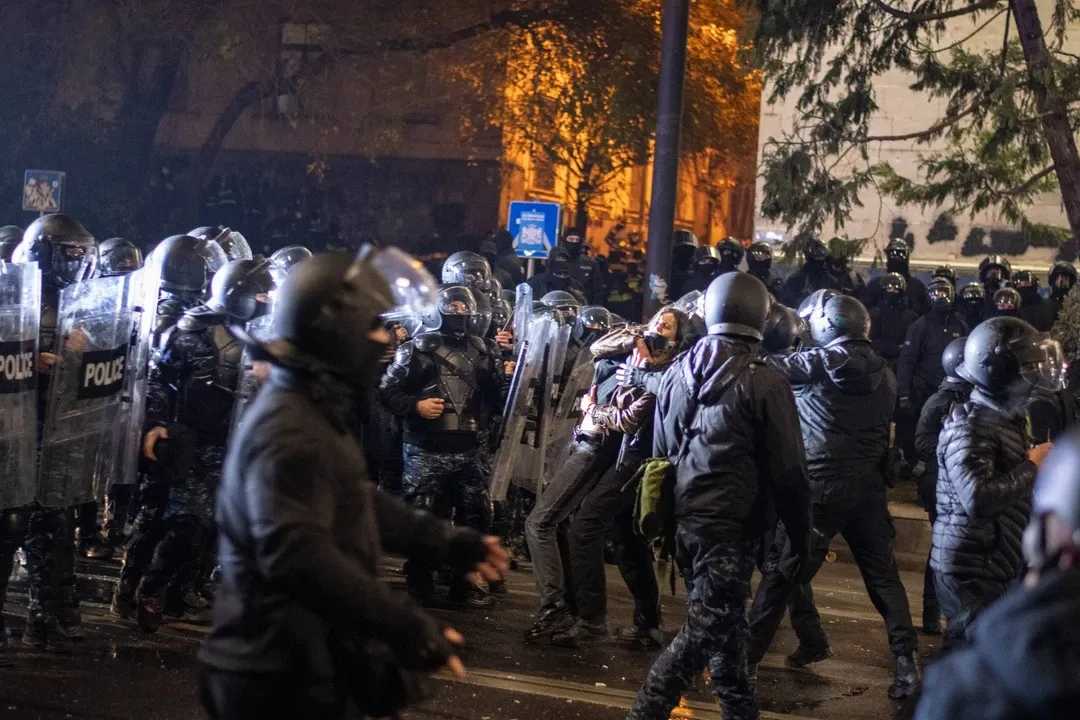
The report was prepared under the OSCE’s Moscow Mechanism.
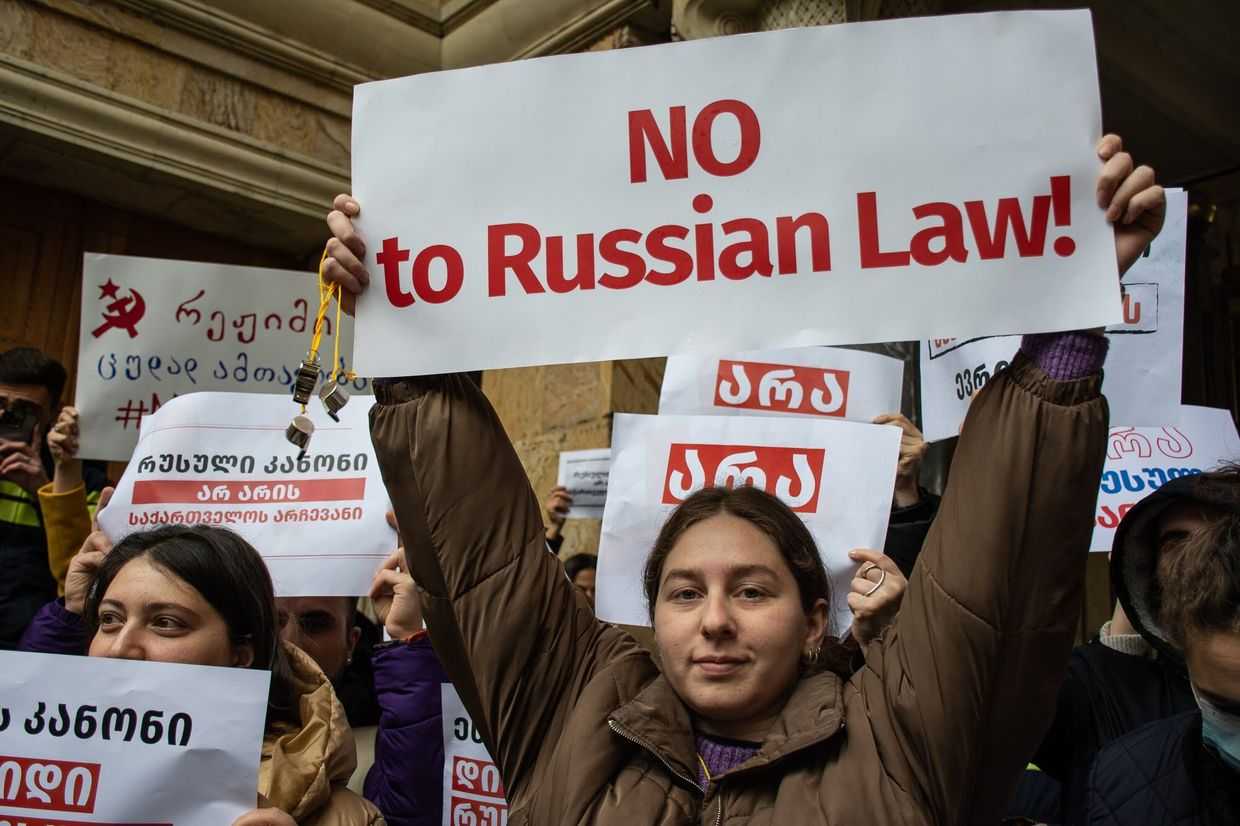
Georgian Dream’s latest legislative amendments have deepened fears over the ruling party tightening its grip on power.
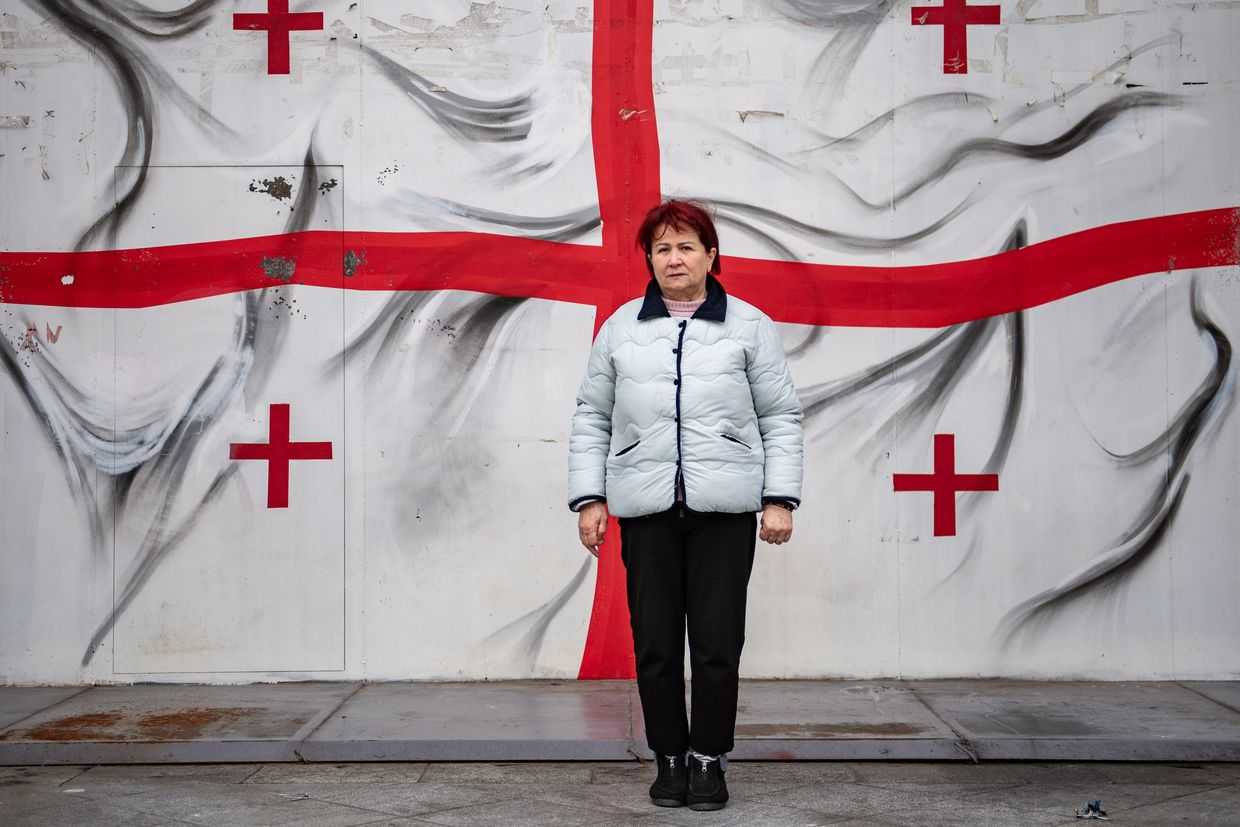
Darejan Tskhvitaria’s tent was removed after a fire broke out, which she believes was set intentionally.
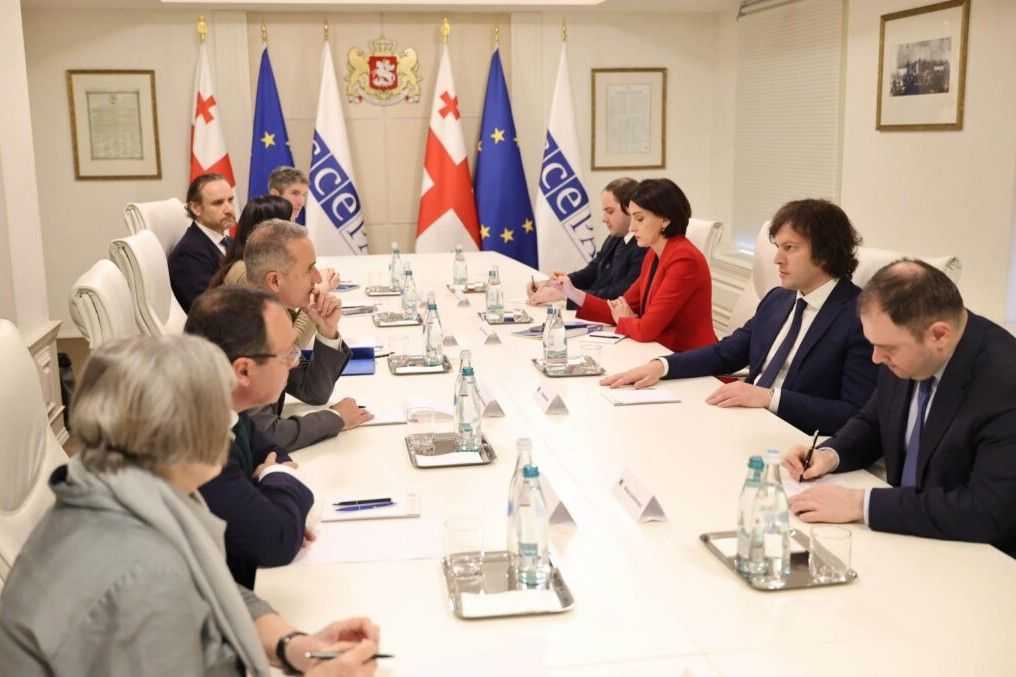
The visiting delegates said their requests had been denied by a number of Georgian politicians, including Prime Minister Irakli Kobakhidze.